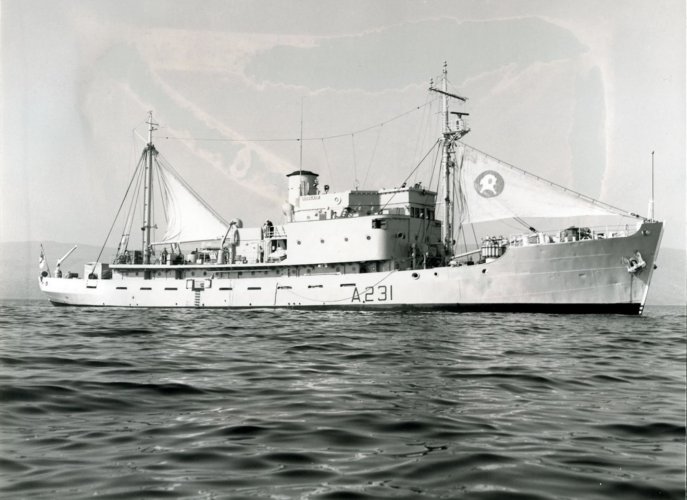
Modern Sail-Powered Ship Concepts

ALVAMA

I really should change my personal text
Joined
10 July 2011
Messages
5
Reaction score
11
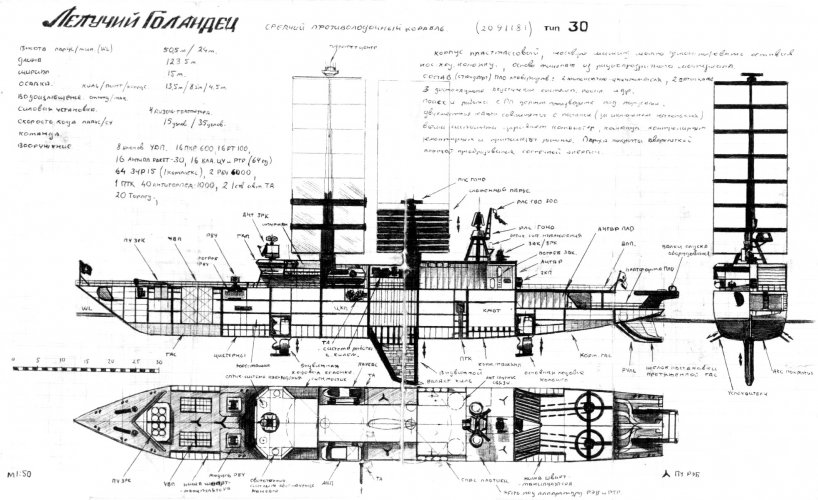
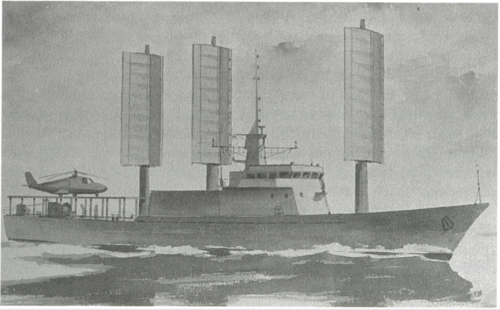
Hello guys, I hope anyone can help me with more info, pictures or anything related to this ''sailing'' warship.
The book of DK Brown 'Future Surface Fleet' quotes: ''It was a study to look into reducing noise when streaming a towed array but it did not help as the electric diesel generators would still make noise, but it could reach 12kts in Greenland waters on sail alone for 80-90% of the year.''
 

Attachments

  • 66283053_441714960015955_5565257359019737088_n.png
    66283053_441714960015955_5565257359019737088_n.png
    908.8 KB · Views: 281
There's no date given. It just says they've been looked at, but most noise comes from auxiliaries at towed array speeds, so the advantages aren't as much as might be thought.
 
Not a question if this was feasible, but rather whether this could have been made feasible? With some effort?

Unlike the 60's, we have now the example of the Maltese Falcon, but trying to sketch a military version of the Falcon I encountered two distinct problems.

1. The rig is not collapsible, i.e. you can't control the height of the masts, and while the yacht is generally stable, she heels quite a lot, which makes her doubtful helicopter platform.
2. Placing a helicopter platform aft requires moving the mizzen forward, which makes the rig less balanced to maneuver under sail.

The diesel noise may possibly be mitigated by battery-powered electric motors for rigging management.

Still, the concept is extremely attractive - just imagine the Master and Commander - combined with Moby Dick - and Bedford Incindent - style Cold War submarine hunt on a sailing frigate, of all ships.
 
Last edited:
I'd say she could have been built with fairly minimum effort. Nowadays you might want to look at rotor sails as an alternative, and we should have plenty of data on those given the number of vessels built with them over the last few years.
 
Nowadays you might want to look at rotor sails as an alternative

If I understand correctly, the initial idea was to drastically reduce or totally eliminate engine sound, thus preventing passive detection by the submarine. Rotor sails were known then, but they emit more or less the same repeating sound as the regular engines.
 
If I understand correctly, the initial idea was to drastically reduce or totally eliminate engine sound, thus preventing passive detection by the submarine. Rotor sails were known then, but they emit more or less the same repeating sound as the regular engines.
That was part of it, but reducing self-noise was also intended to improve detection of submarines by reducing interference on the towed array.
 
If I understand correctly, the initial idea was to drastically reduce or totally eliminate engine sound, thus preventing passive detection by the submarine. Rotor sails were known then, but they emit more or less the same repeating sound as the regular engines.
While the rotor-sail needs to be spun, they don't need the same power from the engines as a conventional propulsion train, so less self-noise. And while I doubt anyone has rafted a rotor-sail yet, I suspect it could be done, further reducing self-noise.
 
Remember seeing something similar in design to the sail for a larger cargo ship from a old 70s The Undersea World of Jacques Cousteau book can't remember much about it but it looks similar but different in case of the cargo ship probably a response to the oil crisis and growing environmental movement
 
Remember seeing something similar in design to the sail for a larger cargo ship from a old 70s The Undersea World of Jacques Cousteau book can't remember much about it but it looks similar but different in case of the cargo ship probably a response to the oil crisis and growing environmental movement
I know that South African based adventure fiction author Geoffrey Jenkins featured prototype sail based cargo ships in one of his novels, but it's not amongst my collection at the moment, or I'd remember the title.
 
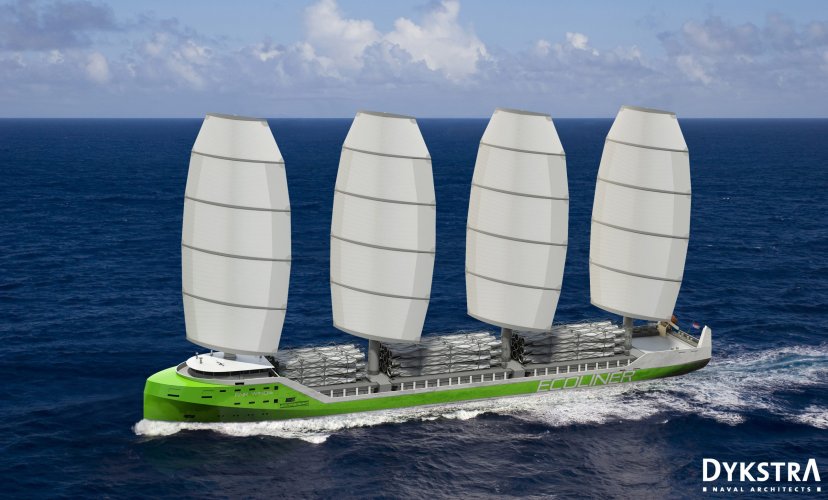
The cargo ship had sails more like this but on a more conventional 70s type cargo ship hull wish I still had volume 19 remember reading it all the time a kid they were originally my dad's was likely just some art for a future that sadly hasn't happened yet
 

Attachments

  • ecoliner__ft_stand_-scaled.jpg
    ecoliner__ft_stand_-scaled.jpg
    475.6 KB · Views: 87
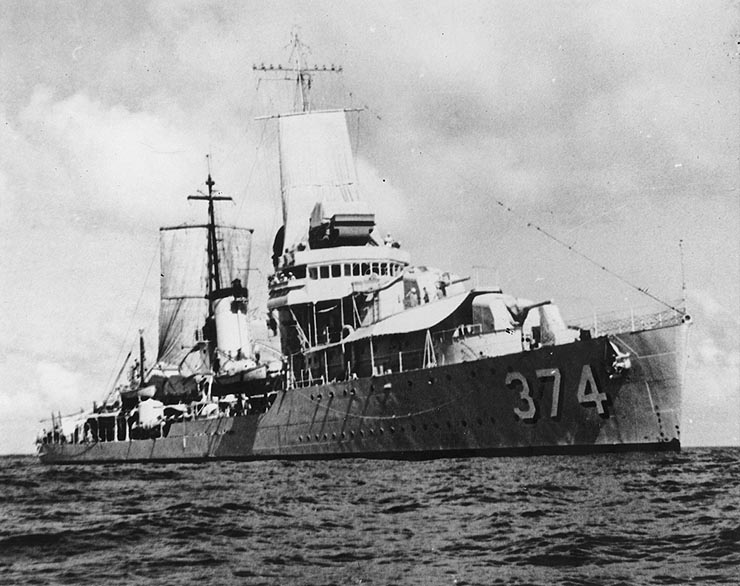
USS Tucker in 1940
USS_Tucker.jpg
 
I know that South African based adventure fiction author Geoffrey Jenkins featured prototype sail based cargo ships in one of his novels, but it's not amongst my collection at the moment, or I'd remember the title.
I think I had that book, but lost it in a shed disaster along with a lot of my other books!
 
I think I had that book, but lost it in a shed disaster along with a lot of my other books!
I found the book I remembered in a storage box. It's 'A Ravel of Waters' (1981), in the authors note he states the following:

Jetwind the fully automated, computer-controlled space age windjammer which is the centerpiece of my story, is not my invention. It is actual design project on the boards of the Institut fur Schiffbau at the University of Hamburg, evolved after a decade and a half of intensive aerodynamic and hydrodynamic testing.

The attached cover of the novel, shows what artist Chris Foss who was line artist for the authors books until the mid 1980s thought the ship looked like.

Later: Fixed the typo, thanks HoHun.
 

Attachments

  • A Ravel of Waters_FCVR.png
    A Ravel of Waters_FCVR.png
    2.2 MB · Views: 59
Last edited:
Dynarig, as fitted on the Maltese Falcon, is a very effective and automated thing, and there is another advantage of the full rigged ship (especially if you add some staysails between the masts) that it acts like a thrust-vectoring engine, and by controlling the sails it is possible to perform maneuvers that are hardly possible with conventiona screw propulsion.

but -

1749101776869.png
​
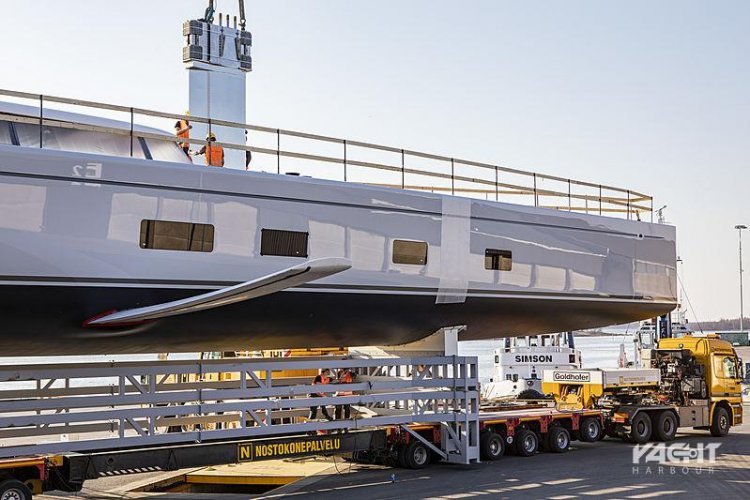
The Falcon heels like there is no tomorrow even in relatively calm conditions.

Makes helicopter operations very difficult if not impossible. And the masts are built in such a way they can't be separated to parts or lowered down, so their rotating momentum can't be really reduced.

You'd note that the sails are housed not in the yards, but are rolled vertically into the body of the mast.
 
All Perini's heel a lot due to their big old displacement hull, the Falcon is an old yacht (2006) and was one of the first Dynarigs.

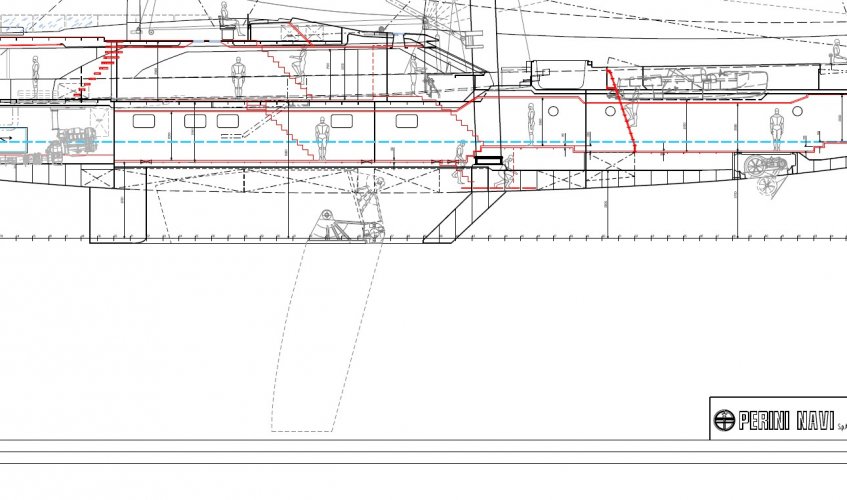
Perini's also have a lifting keel that is just a very heavy lump of steel on a forward pivot, rather than a lifting keel and bulb design which improves stability.

PN Perseus 3.jpg

perini-nave-4.jpg

They are mostly owned by old guys who love racing them around the place, even though they are not designed for that. As in most superyachts the captain does one thing and the owner does another. Normally the owners do rather stupid things on their 3 days on the yacht a month and it is difficult to tell them otherwise.

The video below shows how far the yacht was heeling at a Perini race with water levels almost at the intakes and exhaust ventilation of the engine room and the owner was at the helm.

The insurer saw this video and dropped their coverage immediately as the heel was almost 30 degrees. Your normally around 10 on the large sailing yachts otherwise it is not comfortable at all.

View: https://www.youtube.com/watch?v=DIBLRjvWFVM


Southern Spars are now making extremely light Dynarigs now and the technology and control have improved dramatically, as have hull and keel designs.

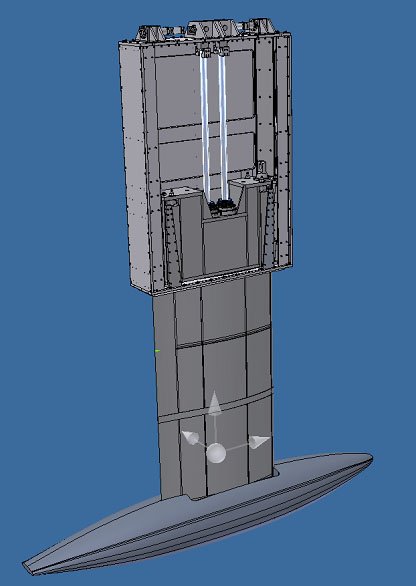
Another innovation on some larger yachts are the retractable foils that slide through the hull to limit the heeling.

watermark_6405_65d8f.jpg

Regards,
 
Last edited:
Some may think this is a stupid suggestion--not that it stopped me before:

Kite-sails for subs.

Now the reason I suggest such an odd-ball set up is that only cables slice through waves--not hulls.

The sub has less problem with breaking waves. The kites are high above storm waves--very little surface area at sea/sky interface.
 
Some may think this is a stupid suggestion--not that it stopped me before:

Kite-sails for subs.

Now the reason I suggest such an odd-ball set up is that only cables slice through waves--not hulls.

The sub has less problem with breaking waves. The kites are high above storm waves--very little surface area at sea/sky interface.
For our next experiment, how much electrical potential will we generate by running 100+m of cable through seawater?
 
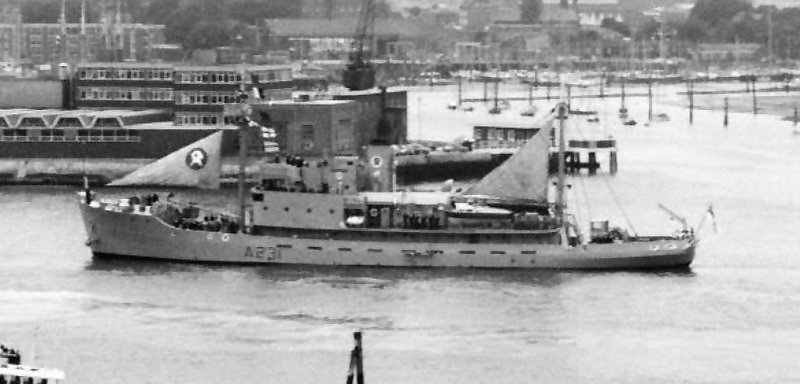
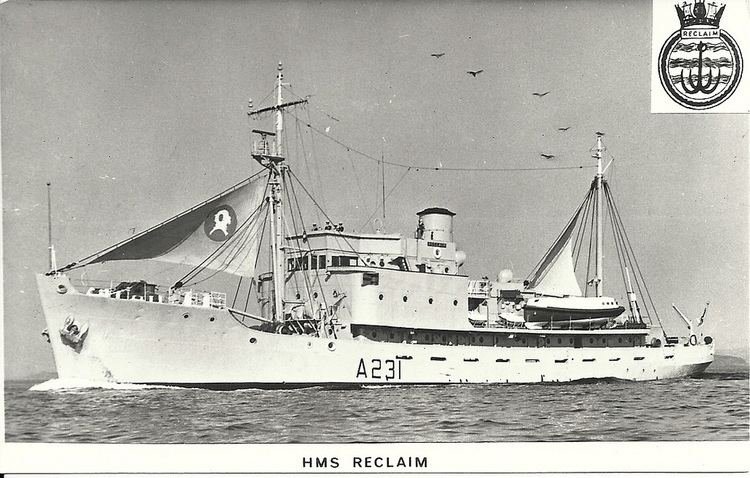
Royal Navy Diving Support ship HMS Reclaim…
The Navy didn’t give up on sails completely
I believe they were utilised for holding steady during certain operations…
 

Attachments

  • IMG_7871.jpeg
    IMG_7871.jpeg
    181.9 KB · Views: 28
  • IMG_7873.jpeg
    IMG_7873.jpeg
    80.8 KB · Views: 27
  • IMG_7874.jpeg
    IMG_7874.jpeg
    306.5 KB · Views: 35

Similar threads

Back
Top Bottom