- Joined
- 21 April 2009
- Messages
- 14,367
- Reaction score
- 9,482
And making huge bags of popcornI imagine these weapons could be used as "crowd control".

And making huge bags of popcornI imagine these weapons could be used as "crowd control".

Everybody wants to rule the world.And making huge bags of popcornI imagine these weapons could be used as "crowd control".
Takes a Real Genius to post that responseEverybody wants to rule the world.And making huge bags of popcornI imagine these weapons could be used as "crowd control".



Seems pretty far fetched that a Nikolai Tesla experiment accidentally caused the Tunguska event.Good for space solar power. The only Death Ray that ever worked was by accident…the Therac-25.
Still want to know if the “Ellipton” was real…
I can already see Russian armies enlisting... Cats!

(Dark Vador theme)
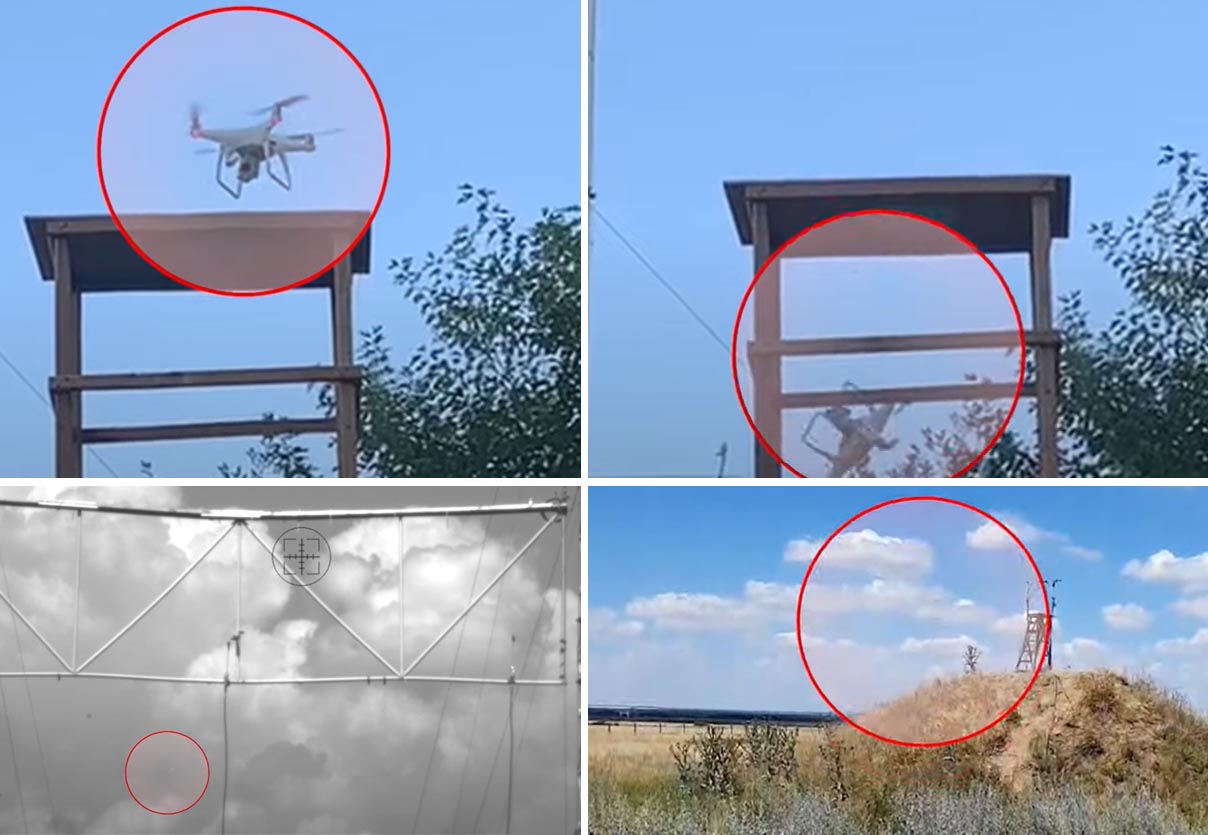
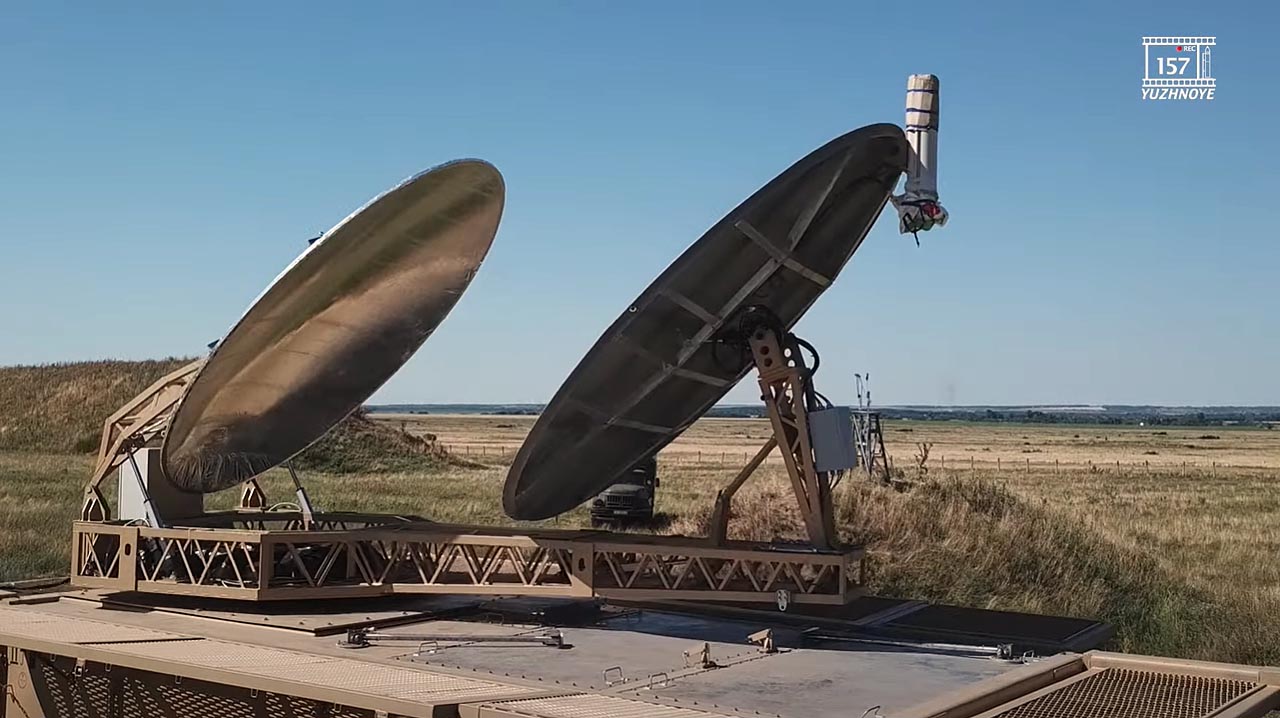
TUCSON, Ariz., Dec. 19, 2023 /PRNewswire/ -- Raytheon, an RTX (NYSE: RTX) business, will design, build and test two high-power microwave antenna systems that will use directed energy to defeat airborne threats at the speed of light. The systems are designed to be rugged and transportable for front-line deployment.
Under the three-year, $31.3 million contract from the Naval Surface Warfare Center Dahlgren Division, Raytheon will deliver prototype systems to the U.S. Navy and U.S. Air Force as part of the Directed Energy Front-line Electromagnetic Neutralization and Defeat (DEFEND) program.
"Non-kinetic defense systems are a key part of America's national defense strategy," said Colin Whelan, president of Advanced Technology at Raytheon. "The new iterations of Raytheon's high-power microwave systems are cost-effective and reliable solutions that operate at the speed of light – enabling our warfighters to defend against faster and more maneuverable threats."
Tell (insert power here) that we already have systems to deal with their drone swarms?Hrm. What exactly is the motivation for circulating such info?
Help the foreign spies not miss it?
They can, yes. Usually takes a couple hundred kilowatts emitted power to cook a bird in flight, though. Or, if the bird is stupid enough to land on the antenna, 1kw+ will blast it off the antenna. (Had a seagull land on one of the radio masts. We transmitted something, seagull fell off the mast.)The real question is does it cook passing pigeon's?
Not really. Any weapon with a nuclear warhead has a guidance system that is hardened to take nuclear EMPs and x-ray or neutron radiation bursts. Plus, HPMs are only effective against cruise missiles. Hypersonics or ballistics are going to be in a terminal dive on target that nothing short of destruction will prevent them from impacting.It seems like these would also be useful for defending hardened bunkers and silos against nuclear attack.
Point of order.Ballistic RVs do not even have a guidance system, though perhaps the fusing may be vulnerable. Though to Scott’s point, nuclear weapons are designed with an expectation of broad band EM exposure all the way to x-rays.
Point of order.
RVs do have a guidance system (in the bus), which means any guidance electronics are way outside the range of a ground-based HPMW system.
I do expect all new generation RVs to be MaRVs. US W93 and whatever the UK equivalent is, whatever is going on Sarmats, and whatever the Chinese are fielding.The warhead bus has a guidance system; the RVs do not. My statement was accurate.
ETA: it is possible some RVs are MaRVs and have guidance, but not those in US service.

I'm more of a laser fan myself.Extreme HPM DEWs will ultimately be the only real solution to drone swarms IMHO.
There is no such thing as one “only real solution”. A robust system relies on different forms of C-UAS working together.Extreme HPM DEWs will ultimately be the only real solution to drone swarms IMHO.
I suspect that a modern SPY6 would be capable of smoking an entire swarm, raster-scanning the beam through the swarm. What's the peak transmit strength again?I think HPM has the additional liability of being very expensive and very fragile. It probably only is a good solution for permissive environments that do not have a lot of more conventional threats. But there are certainly environments where it would be a key component of an overall air defense, especially in areas/situations where kinetic kills would be problematic.