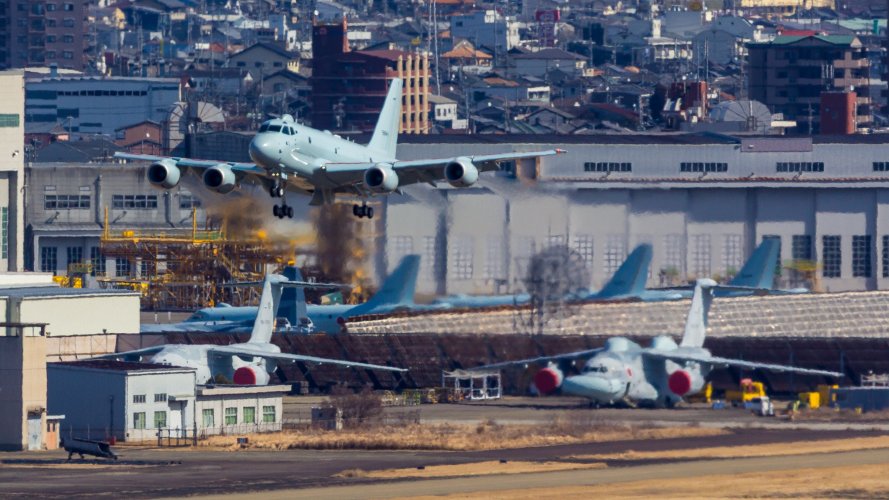
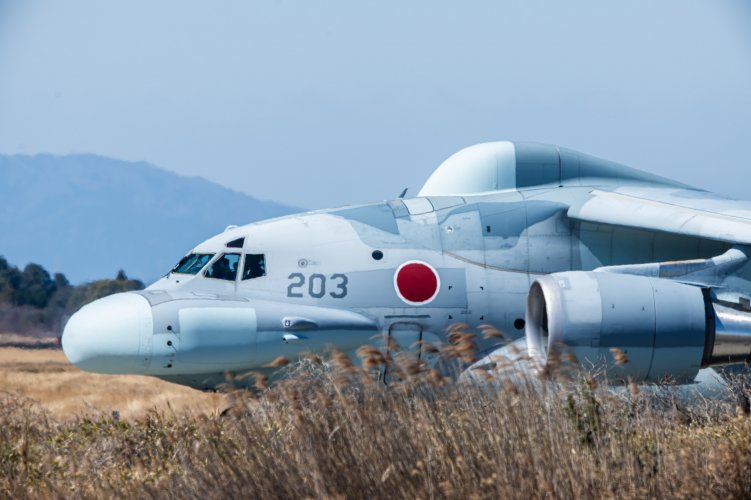
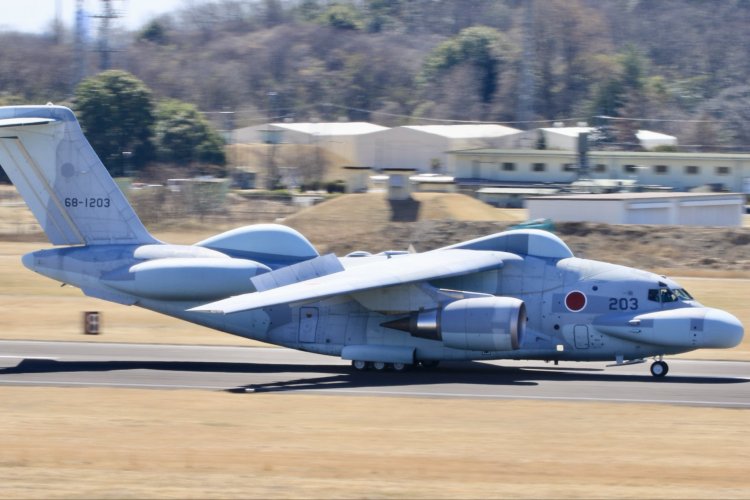
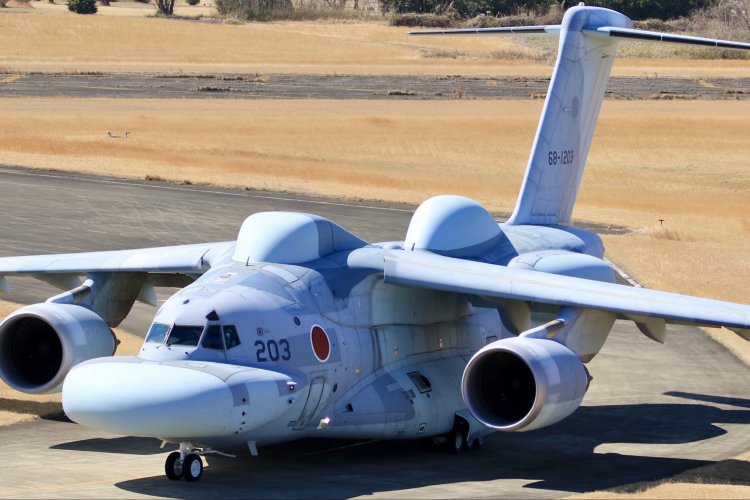
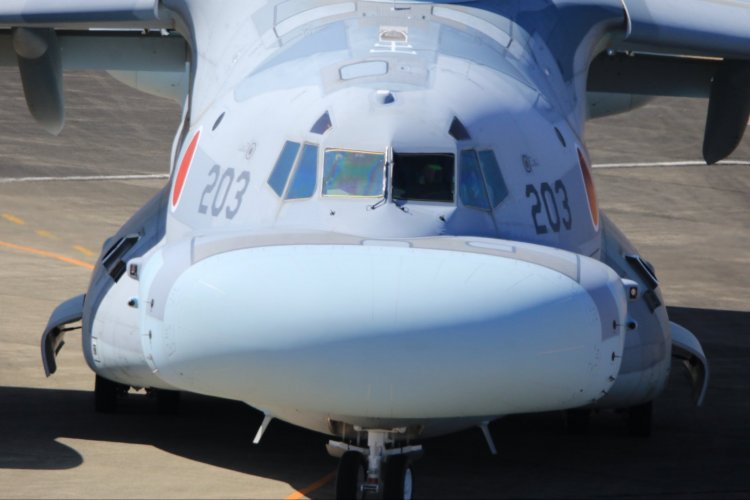
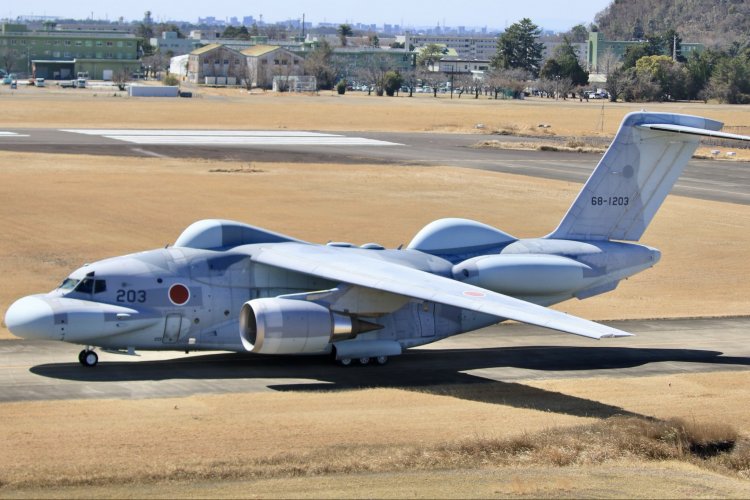
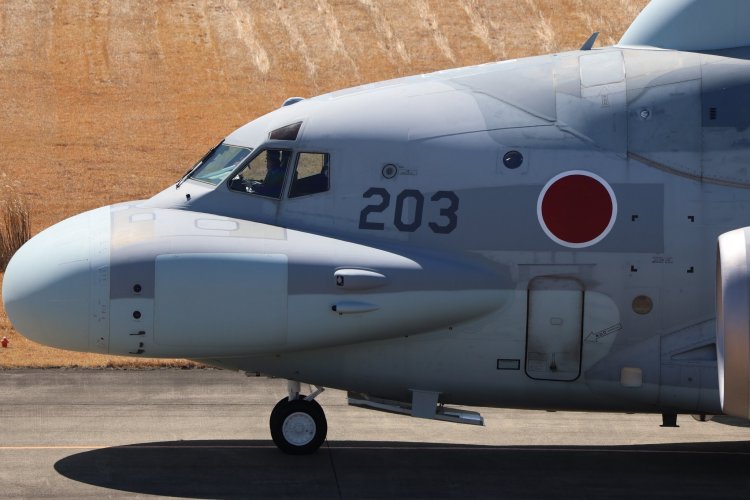
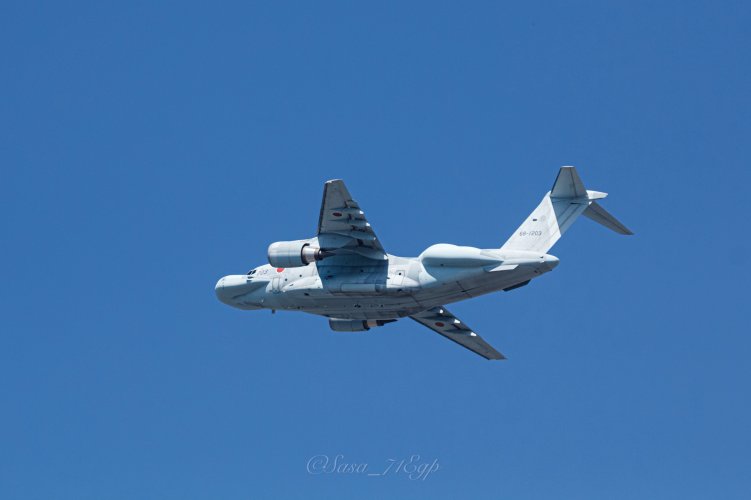
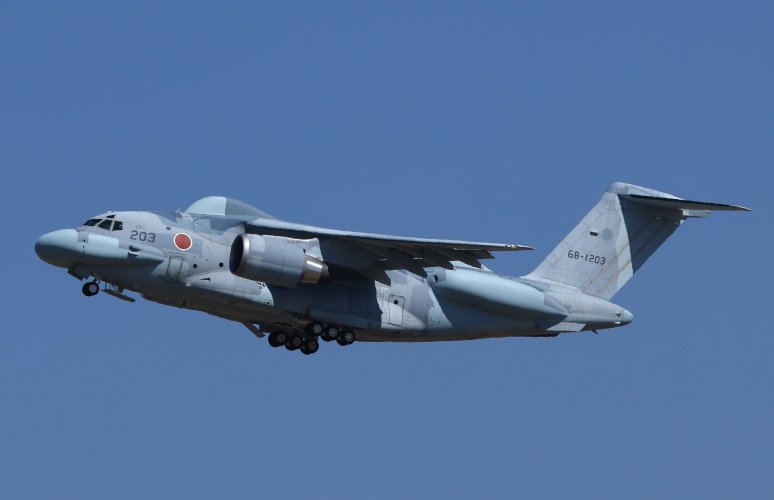
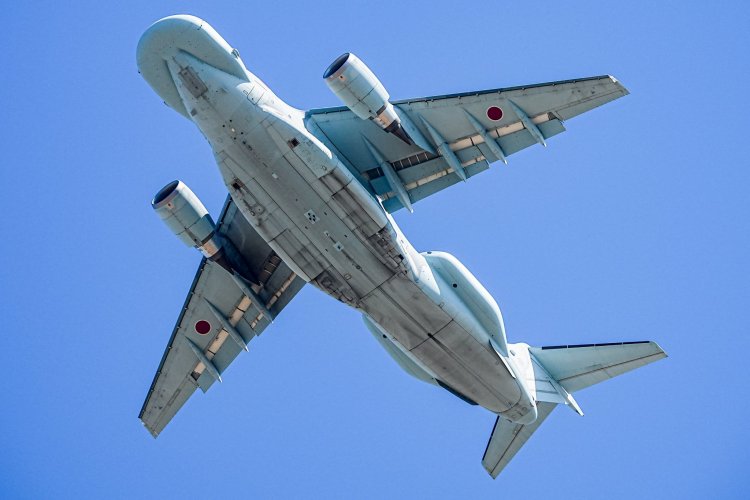
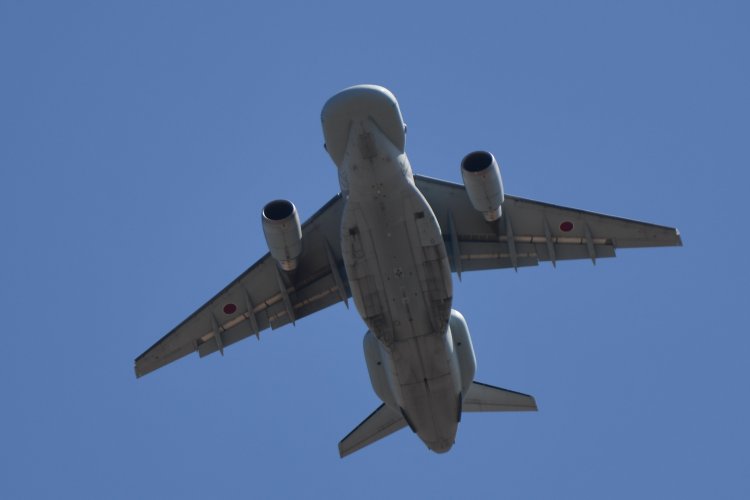
Kawasaki P-X (P-1) and C-X (C-2)

If true that is an awesome news. Combat redundancy with 4 engines would probably be better suited over the Med where pocket devoids of long range search radars or contested airspace are dwindling.
There's a slim chance of this happening, but the Turkish Navy has always wanted to procure a long-range jet MPA. They haven't acted on this because, well, the only option on the market right now comes from a troublesome country, and integration of local equipment is improbable.


Plus, there's a higher chance of getting approval to swap Japanese/European sensors and weapons with Turkish ones, and Turkish Naval Aviation has already established a strong collaboration with Italy and Leonardo based on the long-delayed ATR-72-600MPA. So, if Italy does procure and integrate local equipment, this could serve as a springboard for a sale to Turkey as well.

turkish-navy-p-72-mpa-by-cem-dogut-1920-x-1080-v0-gc7d56zx8fdc1.jpg


I think what I've said in the post below still stands: this solution is easier, cheaper, and all-around better than coming up with a time-consuming, costly indigenous alternative based on the Global 6000.

Turkish Navy has been eyeing the P-8 for over a decade with great interest but they haven't made a move thinking they won't be able get the FMS approval or pass it through the Congress. A purchase of the A320MPA by the Turkish Navy would be nigh impossible considering EU-Turkish relations but it seems like If France & Germany were to keep it cool, this could be the only long ranged MPA option the Navy could demand and the local industry is too busy with current projects at hand to develop an equivalent anyway (and if they were to develop one, it would highly likely be based on the Global 6000 - meaning it doesn't cover the same mission role as the P-8 or A320MPA).

 
Good choice. One merit of dedicated airframe for MPA or antisubmarine aircraft is one can devote the structure for frequent low flying and maneuvering.

Apparently optimum use for MAD is to fly relatively low, this helps with sensitivity issue with MAD (Magnetic Anomaly Detector) which have no directivity (means unlike radar which the emmission can be aimed, MAD doesnt) Low flying is something hated by commercial airframes like P-8.
 
Good choice. One merit of dedicated airframe for MPA or antisubmarine aircraft is one can devote the structure for frequent low flying and maneuvering.

Apparently optimum use for MAD is to fly relatively low, this helps with sensitivity issue with MAD (Magnetic Anomaly Detector) which have no directivity (means unlike radar which the emmission can be aimed, MAD doesnt) Low flying is something hated by commercial airframes like P-8.
Whole point of P-8 is medium/high altitude search, though.
 
I would take that news with a grain of salt. I think it came from that 1 italian dude who also said that the norwegian and german navy choose Black Shark for Type 212CD we're (as far as other reports go) they only decided to integreate it into the CMS suite which is supposed to find larger applications outside of 212CD.
 
I wonder if it can make the french reconsider their development of the A321 MPA.
Cheaper to integrate the CMS Suite they want in a already existing platform.
 

Things don't look pretty. As I've brought up a few years ago, creep on total estimated LCC has been a problem for both P-1 and C-2 in recent years, and these issues concerning engines, avionics and other equipment are probably part of the reason as well. The problem here though is that it's not just a problem of parts availability, which could perhaps be excused as something inherent to a bespoke aircraft specifically meant for JMSDF use in small numbers, but an actual design and certification issue. Germany and UK most probably avoided a lot of trouble by going with P-8.


Things don't look pretty. As I've brought up a few years ago, creep on total estimated LCC has been a problem for both P-1 and C-2 in recent years, and these issues concerning engines, avionics and other equipment are probably part of the reason as well. The problem here though is that it's not just a problem of parts availability, which could perhaps be excused as something inherent to a bespoke aircraft specifically meant for JMSDF use in small numbers, but an actual design and certification issue. Germany and UK most probably avoided a lot of trouble by going with P-8.

I remember the discussion here about one issue Japanese defense industry faces, is that risk of Japanese manufacturers leaving the projects, as they'd rather focus on civilian products as they are more profitable. This leads to supply issues as components are no longer available.
However I think the context was on armored vehicles, but perhaps it also applies to aviation?
 
I remember the discussion here about one issue Japanese defense industry faces, is that risk of Japanese manufacturers leaving the projects, as they'd rather focus on civilian products as they are more profitable. This leads to supply issues as components are no longer available.
However I think the context was on armored vehicles, but perhaps it also applies to aviation?
100% applies to aviation. The US is a perfect example of how the industrial base has shrunk over the last 30 years. There remains significant barriers to entry that make supplying the US DoD a difficult and expensive process and so fewer companies are seeking involvement in DoD contracts.
 
I remember the discussion here about one issue Japanese defense industry faces, is that risk of Japanese manufacturers leaving the projects, as they'd rather focus on civilian products as they are more profitable. This leads to supply issues as components are no longer available.
However I think the context was on armored vehicles, but perhaps it also applies to aviation?

The solution would be *cough* nationalization *cough*
 
The solution would be *cough* nationalization *cough*
lol well, that was how Japan was like, but since the 90s and 2000s, started moving to privatizing various public industries. rail, post office, etc. Although for rail, they realized that keeping it strictly private sector in some areas, would create problems for many rural areas as they'd simply abandon it due to loss of profits, so they ended up forming third sector companies that are mixed ownership.
Perhaps some kind of solution (if not already?) to the defense sector is needed. But I suspect that they already do receive some sizeable subsidy to continue making products for military use.
 
lol well, that was how Japan was like, but since the 90s and 2000s, started moving to privatizing various public industries. rail, post office, etc. Although for rail, they realized that keeping it strictly private sector in some areas, would create problems for many rural areas as they'd simply abandon it due to loss of profits, so they ended up forming third sector companies that are mixed ownership.
Perhaps some kind of solution (if not already?) to the defense sector is needed. But I suspect that they already do receive some sizeable subsidy to continue making products for military use.
I've checked the detailed reports using Google Translate and Gemini, and the results are somewhat different from what the news implies. The news makes it sound like they just recently discovered these problems and are scrambling to fix them. But actually, this report summarizes all issues and fixes related to the P-1 up to now, and some aren't even problems with the P-1 itself.

The issue with electronic device A mentioned in the news was found in 2018. It was modified in 2019, and simultaneously, they found it was prone to water seepage, so they sealed the problematic seams.

The report also states that weapons B, C, D, E contributed to the aircraft's low readiness. Weapons B and C had electrical signal issues, while weapons D and E had connection parts that were too short. The problems with B and C were resolved by software modifications, and the connection parts for D and E were completely replaced in 2022.

The P-1's engine problem is complex. Because the P-1 operates at low altitudes over the sea for extended periods, the engines are corroded by salt from the sea wind. After discovering engine corrosion in 2021, they asked IHI to change the material, and new engines passed corrosion tests under new conditions in November 2022. However, the problem reoccurred in 2025. Then, the Japanese Ministry of Defense made an astonishing discovery: for 12 years, they had never washed the P-1 engines with fresh water. One reason mentioned in the report was, "requiring the engines to be washed is a heavy workload for ground crew." Regardless, they now believe the engine's corrosion is highly related to not using fresh water for cleaning, so starting in 2025, they are requiring ground crew to regularly wash the P-1 engines.
 

Attachments

  • electronic device A .jpg
    electronic device A .jpg
    128.3 KB · Views: 70
  • weapons B, C.jpg
    weapons B, C.jpg
    142.4 KB · Views: 24
  • weapons D,E.jpg
    weapons D,E.jpg
    61.7 KB · Views: 15
  • engine.jpg
    engine.jpg
    176.3 KB · Views: 23
The solution would be *cough* nationalization *cough*
This has been in the talks for a while now. One of the programs is that the Japanese government will build defense equipment factories and then lease them out to private companies to reduce the entry cost into the defense sector.

The other one is that if a smaller defense contractor does shutter and they make necessary components, the gov will buy out the factory and equipment, then give subsidies to other manufacturers to staff those lines and continue production of the parts. I can't find the article for that one, but for the life of me I wish I could.

Also as Ramuro pointed out, the reports cover what is basically the entirety of the P-1 as it pertains to LCCs, so much of the problems aren't currently present anymore. The solution isn't simply to "just buy P-8" either since they have had readiness issues as well according to the GAO.
 

Attachments

  • 1752648940593.png
    1752648940593.png
    1.6 MB · Views: 51
Notice that changing the mission profile with high altitude detection instead of low MAD type search pattern would mostly solve the problem. Partnering with a company like Leonardo for such would seem to be a good path out of such a minor problem (during an all out war, long term corrosion would not factor-in on your availability and sorties generation!).

 
Notice that changing the mission profile with high altitude detection instead of low MAD type search pattern would mostly solve the problem. Partnering with a company like Leonardo for such would seem to be a good path out of such a minor problem (during an all out war, long term corrosion would not factor-in on your availability and sorties generation!).
I don't think that should be the route to go since low ALT performance metrics of the airframe and engines are the biggest selling point of the P-1. The real issue is just the lack of washdowns and the US-2 proves that Japan is capable of doing the maintenance required.
 
Notice that changing the mission profile with high altitude detection instead of low MAD type search pattern would mostly solve the problem. Partnering with a company like Leonardo for such would seem to be a good path out of such a minor problem (during an all out war, long term corrosion would not factor-in on your availability and sorties generation!).
...Which would make P-1 objectively inferior to P-8 in every metric, since that aircraft is designed with low-alt operation in mind. The extra pair of engines alone makes no sense if they were to design a high altitude patroller.
 
I agree with Kota and Maro..

the P-1 was intended to be a straight up successor to the P-3, newer but having a similar approach to how it approached the ASW mission (flying low, four engines, use of MAD, etc).

The P-8 approached that mission differently by flying higher, ditching MAD, and relying more on networking and sensor deployment
 
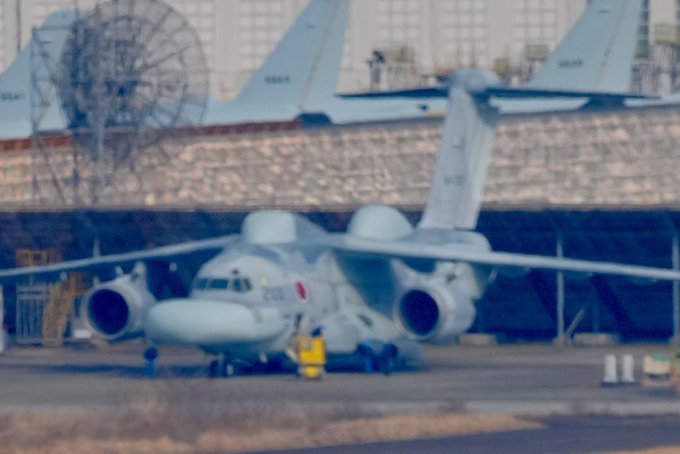
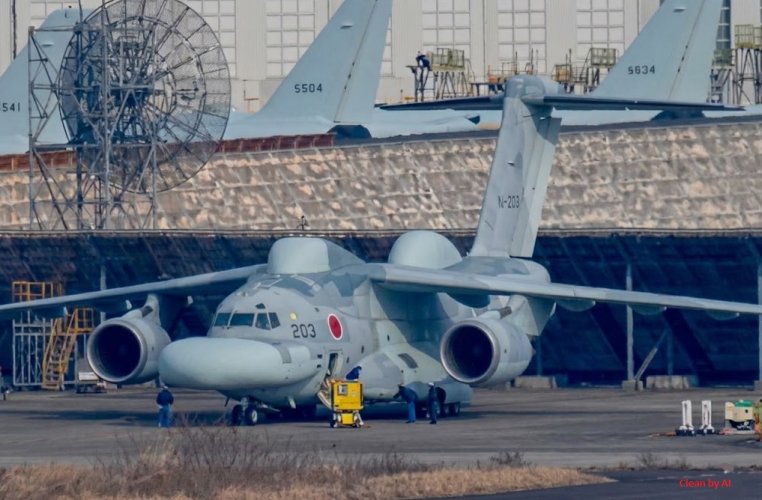
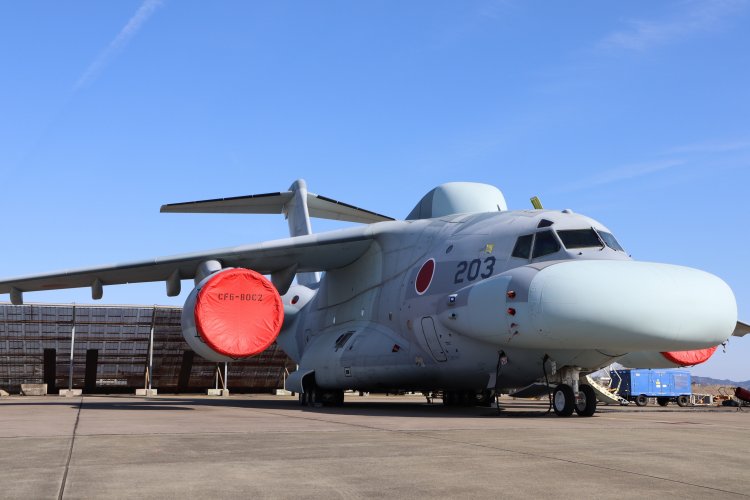
A better one or AI-doctored?
I'm guessing it is AI doctored because it says so on the corner
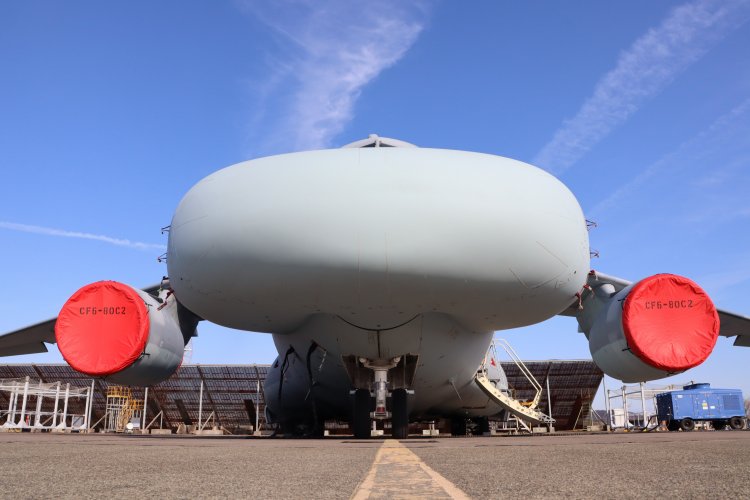
Also the "N" tail registration hallucination which would imply that the RC-2 is registered in the US as a civil aircraft.
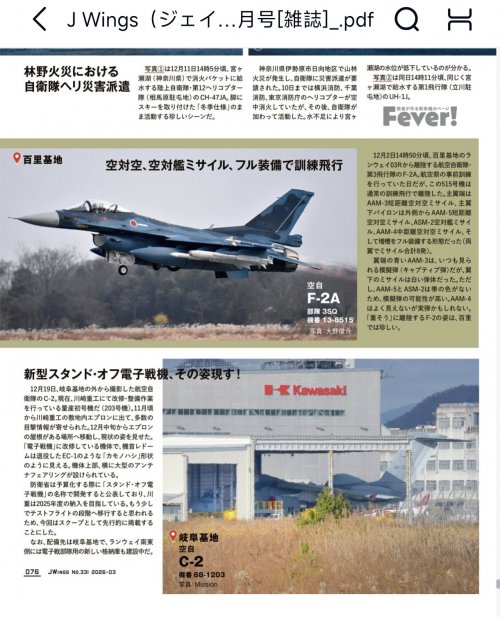
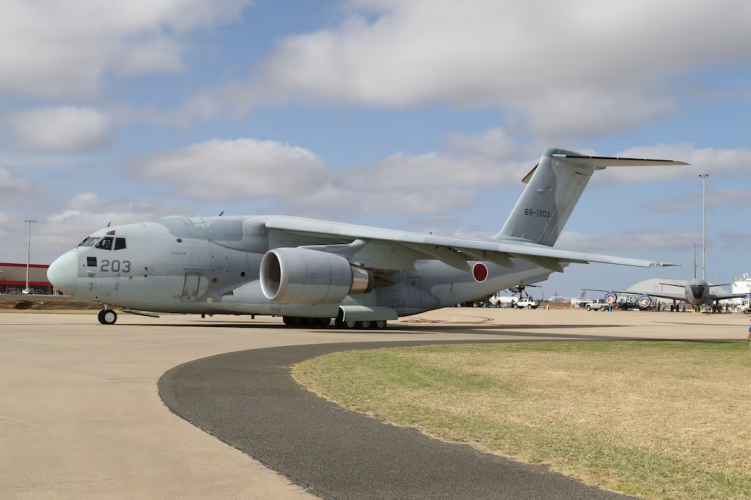
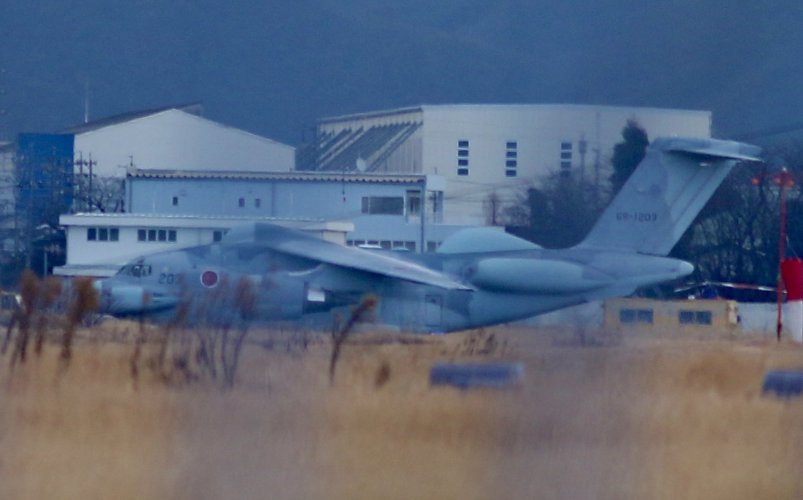
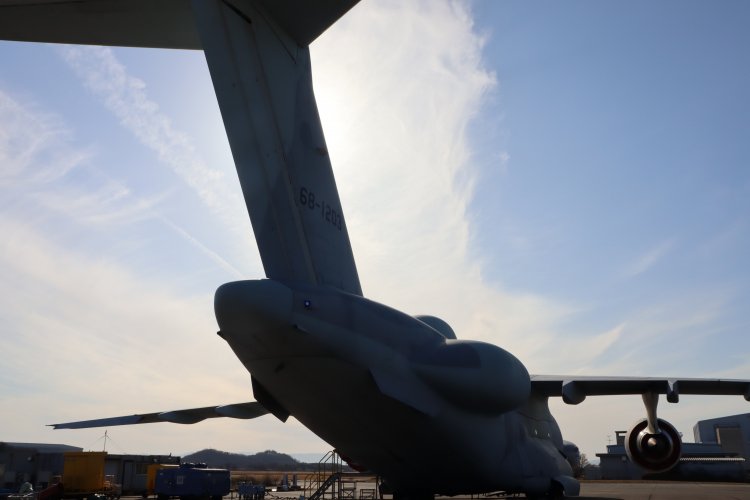
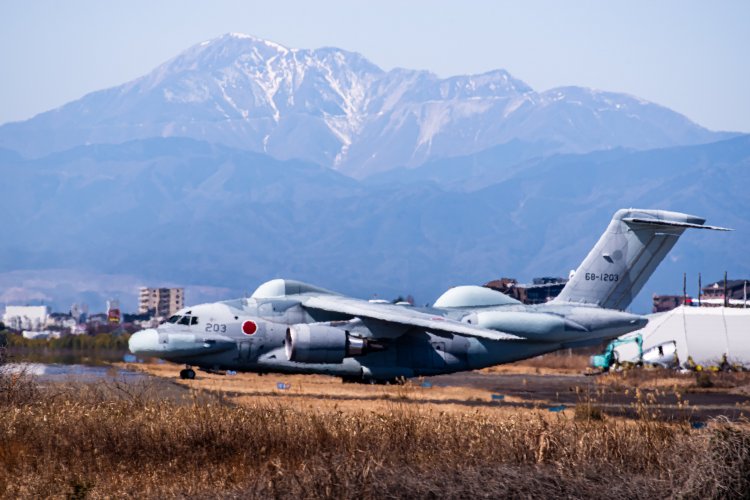
The actual tail S/N is 68-1203
6 airframe originally delivered in 2016
8
denotes the C-1/C-2 airframe
-
1
denotes transport
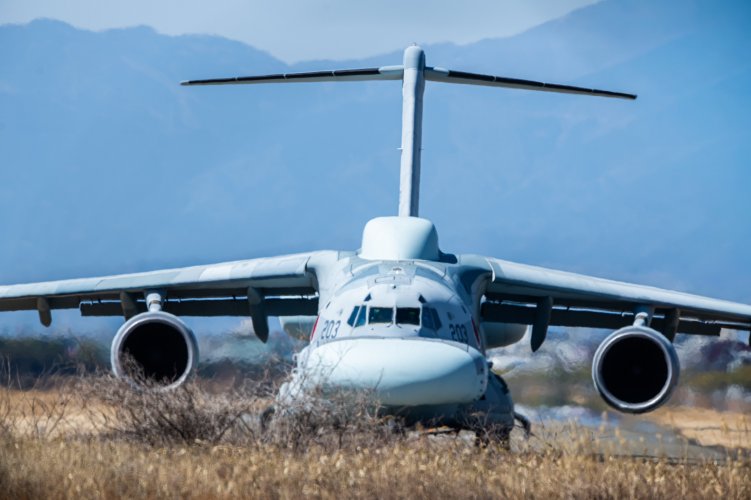
203 converted from the 3rd airframe of the C-2 which started at 201

Pre conversion C-2 #203
1771488962415.png
 
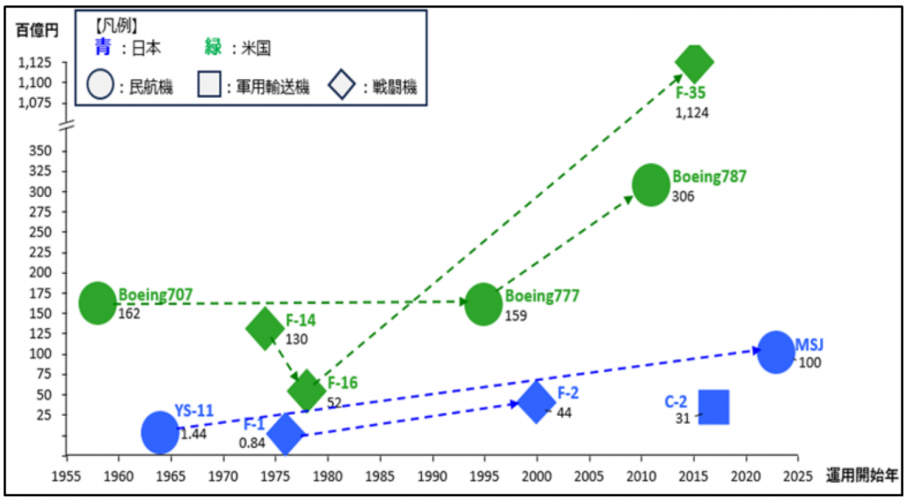
The Japanese MoD's estimation of various Japanese and US aircraft development costs.

https://www.mod.go.jp/j/policy/agenda/meeting/defense_industry_wg/pdf/siryou01_04.pdf

dev_costs.png

*1 The calculation period for total development costs is until the start of operations (for military aircraft, until initial operating capability (IOC) is achieved). (Development costs for modifications after operation are excluded.)

*2 Total development costs for each model are standardized to 2024 price levels (converted using the Producer Price Index (PPI)) to account for differences in price levels at the time of development. Additionally, costs for the United States are converted to yen using the 2024 exchange rate (156 yen/US$).

Sources:
F-1: 6th National Security and Defense Forum (Handout);
F-2/C-2: Acquisition Strategy Plan
YS-11: Japan Society of Mechanical Engineers website;
MSJ: Business Journal article/Toyo Keizai article
F-14: U.S. General Accounting Office;
F-16: U.S. Government Accountability Office
F-35: U.S. Government Accountability Office
Boeing 787: Market research company INCEPTONE website
Boeing 707: Market research company The Geography of Transport Systems website
Boeing 777: Market research company ResearchGate website
 
In terms of design philosophy, the Kawasaki P-1 is, in a word, a jet-powered P-3C.
 

Attachments

  • IMG_1333.jpeg
    IMG_1333.jpeg
    978.3 KB · Views: 11
  • IMG_1334.jpeg
    IMG_1334.jpeg
    661.9 KB · Views: 11
  • IMG_1335.jpeg
    IMG_1335.jpeg
    749.1 KB · Views: 14
  • IMG_1339.jpeg
    IMG_1339.jpeg
    282.3 KB · Views: 16
  • IMG_1340.jpeg
    IMG_1340.jpeg
    367.5 KB · Views: 21
  • IMG_1341.jpeg
    IMG_1341.jpeg
    187.4 KB · Views: 18
  • IMG_1342.jpeg
    IMG_1342.jpeg
    397.6 KB · Views: 19
  • IMG_1343.jpeg
    IMG_1343.jpeg
    325.1 KB · Views: 15

Attachments

  • IMG_1403.jpeg
    IMG_1403.jpeg
    593.7 KB · Views: 14
  • IMG_1404.jpeg
    IMG_1404.jpeg
    192.1 KB · Views: 16
  • IMG_1405.jpeg
    IMG_1405.jpeg
    317.2 KB · Views: 20
  • IMG_1406.jpeg
    IMG_1406.jpeg
    518.5 KB · Views: 18
  • IMG_1407.jpeg
    IMG_1407.jpeg
    311.5 KB · Views: 15
Last edited:

Similar threads

Back
Top Bottom