

You are using an out of date browser. It may not display this or other websites correctly.
You should upgrade or use an alternative browser.
You should upgrade or use an alternative browser.
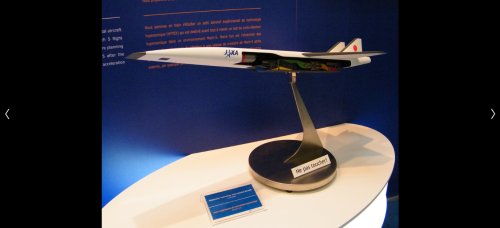
JAXA next-gen SST
- Thread starter blackkite
- Start date
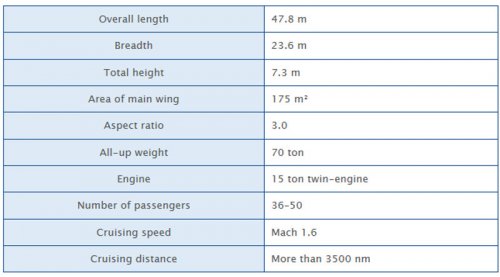
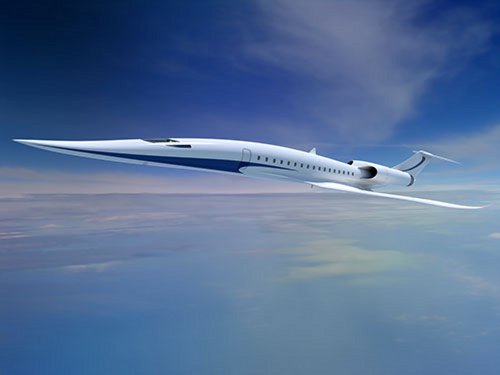
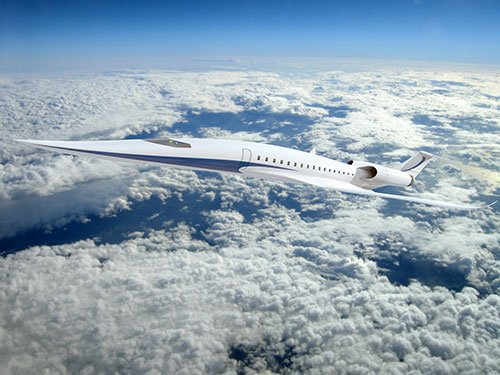
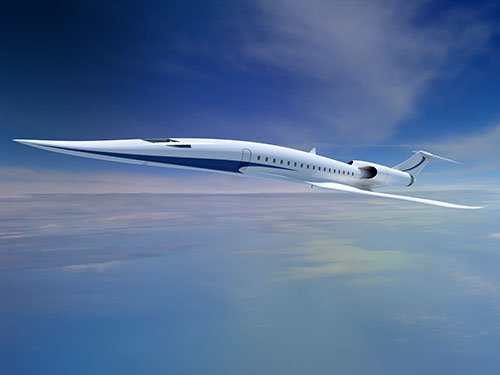
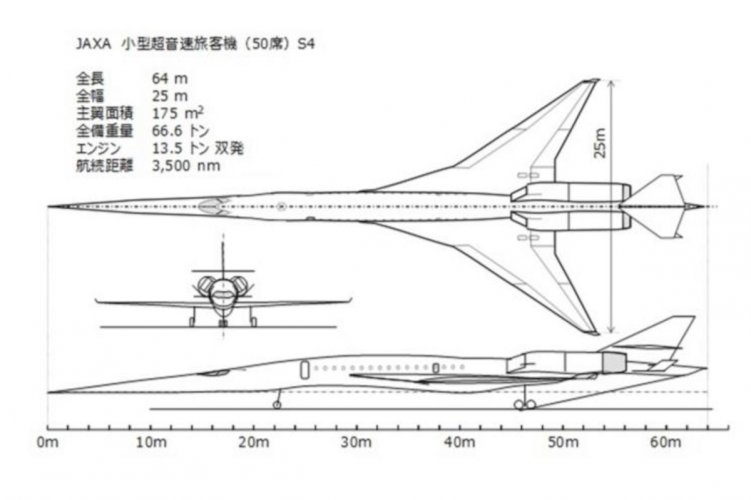
for 50 people? that bit and the fact the whole plane looks fairly small - makes me believe they're aiming at short to medium range market. Which is of course a mistake. A supersonic plane is pointless unless it can shave off several hours of a single trip. If one shaved off 50% of flight duration for a flight that'd otherwise last 2-3 hours - that's overall insignificant, when one takes into account check in, baggage claim, trip to and from the airport etc. And on top of all that supersonic flight is likely to be more expensive. Even a rich customer may balk at a 50-200% more expensive ticket if the whole trip experience is shortened from 4 hours to 3 hours. LA to NY distances, London to Istanbul and so on - those are pointless for a mach 2 plane. One needs to be able to do it at least over the atlantic, like concorde did. Ideally, transpacific flights too.
I know jaxa has been talking about making the ticket price comparable to subsonic airliners but i have a feeling they are using a fixed goalpost, fuel consumption in airliners today, as opposed to using a more realistic moving goalpost - fuel consumption of subsonic airliners 10, 20 or 30 years from today.
I know jaxa has been talking about making the ticket price comparable to subsonic airliners but i have a feeling they are using a fixed goalpost, fuel consumption in airliners today, as opposed to using a more realistic moving goalpost - fuel consumption of subsonic airliners 10, 20 or 30 years from today.

blackkite
Don't laugh, don't cry, don't even curse, but.....
- Joined
- 31 May 2007
- Messages
- 9,421
- Reaction score
- 9,281
Hi!
http://www.aero.jaxa.jp/spsite/d-send2/pdf/dsend2-2nd-poster.pdf
http://www.aero.jaxa.jp/eng/research/frontier/sst/concept.html
http://www.aero.jaxa.jp/eng/publication/magazine/
http://www.aero.jaxa.jp/spsite/d-send2/pdf/dsend2-2nd-poster.pdf
http://www.aero.jaxa.jp/eng/research/frontier/sst/concept.html
http://www.aero.jaxa.jp/eng/publication/magazine/
Attachments

- Joined
- 28 January 2008
- Messages
- 646
- Reaction score
- 586
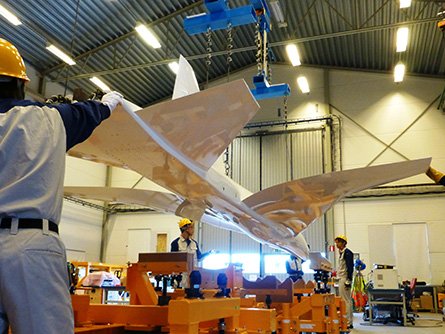
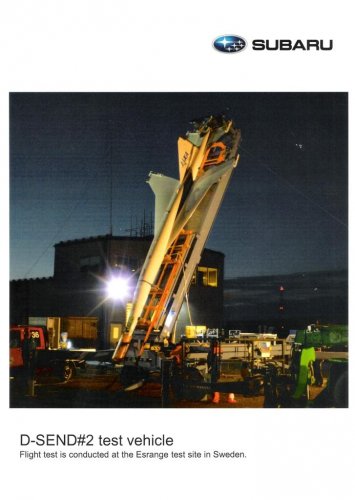
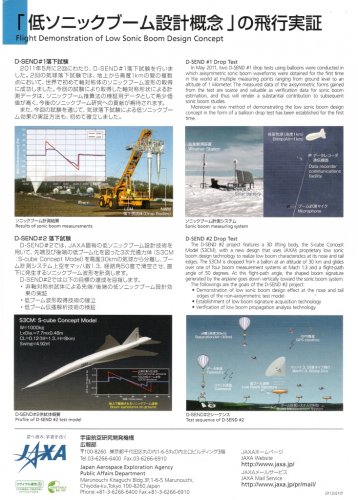
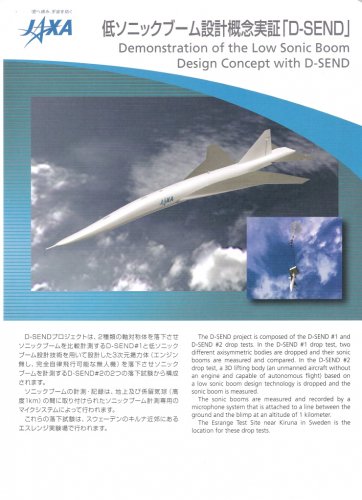
Some more items on the Japan Aerospace Exploration Agency (JAXA) D-Send (Drop test for Simplified Evaluation of Non-symmetrically Distributed) silent supersonic boom project.
Attachments

- Joined
- 3 June 2006
- Messages
- 3,411
- Reaction score
- 5,634
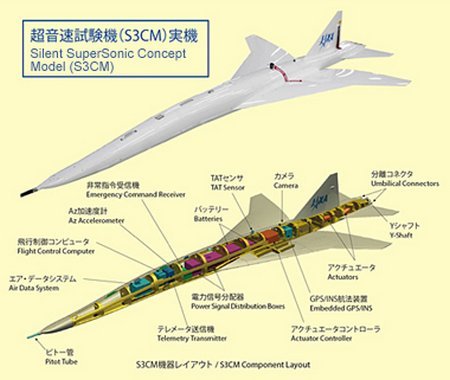
Status update and Cutaway of the Silent SuperSonic Concept Model (S3CM)
http://aerospace.firetrench.com/2014/08/status-of-the-d-send2/
http://global.jaxa.jp/press/2014/08/20140826_dsend2.html
http://www.aero.jaxa.jp/eng/research/frontier/sst/d-send.html
Sources:August 26, 2014 (JST)
Japan Aerospace Exploration Agency
The Japan Aerospace Exploration Agency (JAXA) had been planning on implementing the second phase of the Drop test for the Simplified Evaluation of non-Symmetrically Distributed sonic boom Project (D-SEND#2) at the Esrange Space Center in Sweden. However, as meteorological conditions were not ideal, JAXA was not able to carry out the test flight within the test window period.
Technology to decrease the sonic boom is said to be one of the most critical issues in realizing supersonic civil transport in the future. Through the D-SEND Project, JAXA aims to demonstrate the possibilities of the “low sonic boom design concept” through flight tests and also to obtain technologies and/or data that can be used to contribute to the deliberation of the international standardization of next generation supersonic transport, which is currently being studied globally.
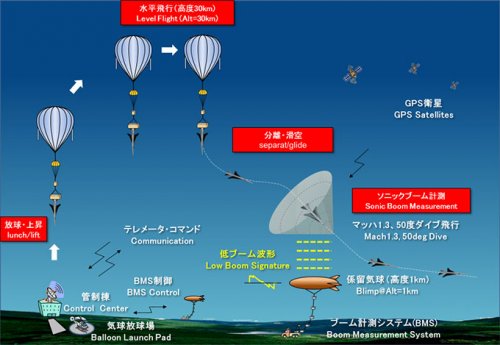
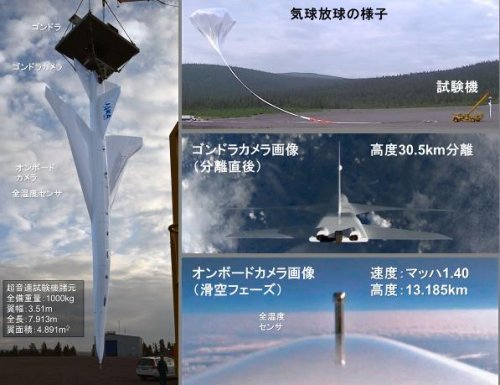
In the D-SEND#2, a supersonic experimental airplane model, designed using JAXA’s original “low sonic boom model concept”, was to be flown at supersonic velocity by way of free falling from a balloon, during which generated sonic boom wave signatures were to be measured to confirm and validate the design concept.
In light of the situation, JAXA will review further test plans for the D-SEND#2. Updates will be released as soon as a further decision is made.
http://aerospace.firetrench.com/2014/08/status-of-the-d-send2/
http://global.jaxa.jp/press/2014/08/20140826_dsend2.html
http://www.aero.jaxa.jp/eng/research/frontier/sst/d-send.html
Attachments

- Joined
- 3 June 2006
- Messages
- 3,411
- Reaction score
- 5,634
Attachments
blackkite
Don't laugh, don't cry, don't even curse, but.....
- Joined
- 31 May 2007
- Messages
- 9,421
- Reaction score
- 9,281
Hi!
You can see lunch/lift and glider separation movie in this video.
And pfd file.
http://www.aero.jaxa.jp/spsite/d-send2/pdf/dsend2-rep20150727.pdf
https://www.youtube.com/watch?v=K8af9rZftSA
You can see lunch/lift and glider separation movie in this video.
And pfd file.
http://www.aero.jaxa.jp/spsite/d-send2/pdf/dsend2-rep20150727.pdf
https://www.youtube.com/watch?v=K8af9rZftSA
blackkite
Don't laugh, don't cry, don't even curse, but.....
- Joined
- 31 May 2007
- Messages
- 9,421
- Reaction score
- 9,281
Hi!
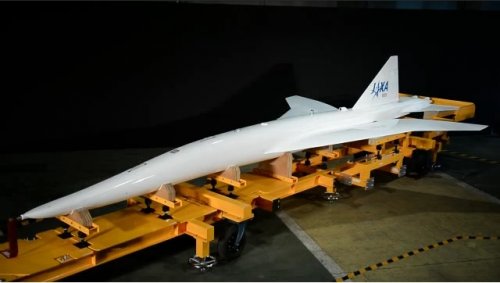
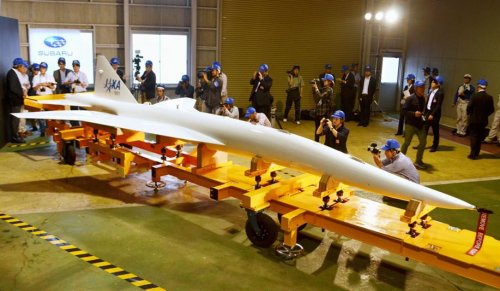
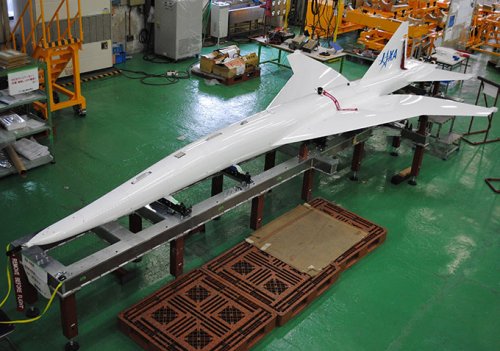
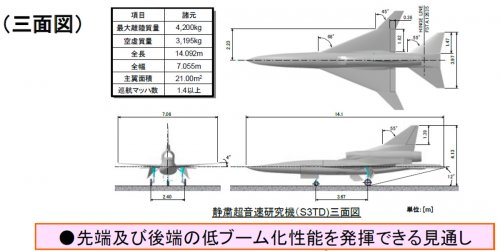
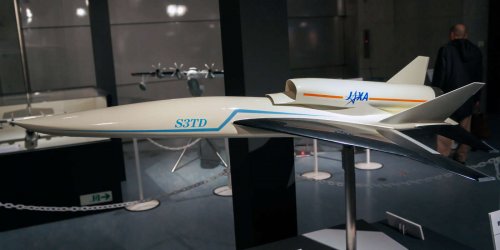
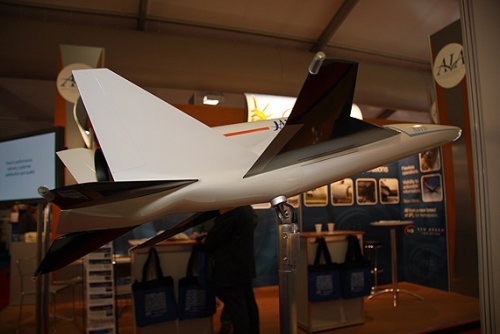
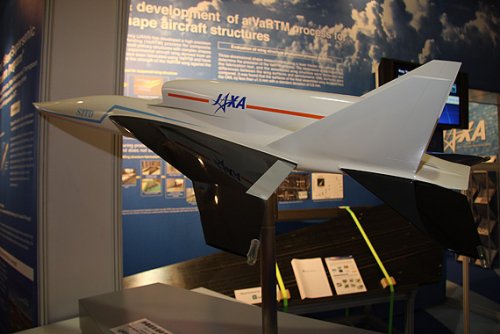
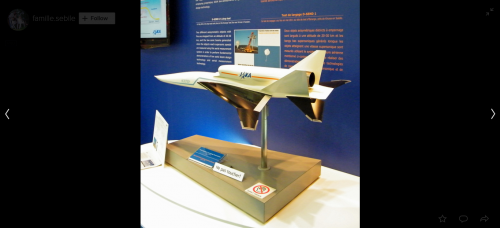
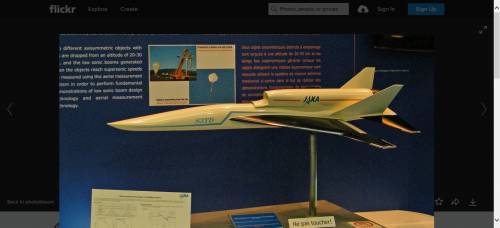
Freezed Japanese unmanned flyer.
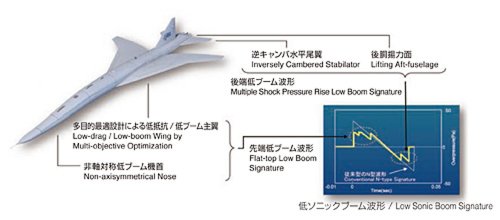
You can see impressive fuselage tail bottom shape to reduce sonic boom.(No.4 picture)
Engine nacelle design is same as Lockheed LBFD which Steve showed us recently.
Freezed Japanese unmanned flyer.
You can see impressive fuselage tail bottom shape to reduce sonic boom.(No.4 picture)
Engine nacelle design is same as Lockheed LBFD which Steve showed us recently.
Attachments
-
 2015-10-25_0805.jpg132 KB · Views: 139
 -
 JAXA_S3TD_(Silent_SuperSonic_Technology_Demonstrator)_2010_The_Sky_and_Space.jpg77.6 KB · Views: 404
 -
 U2143P27T1D511818F3DT20080718084521.jpg87.1 KB · Views: 398
 -
 U2143P27T1D511815F3DT20080718084510.jpg80.3 KB · Views: 408
 -
 2015-10-25_0752.png662.1 KB · Views: 455
 -
 2015-10-25_0751.png1.3 MB · Views: 521
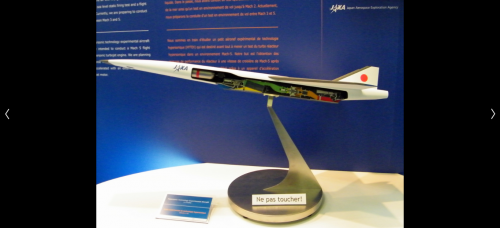
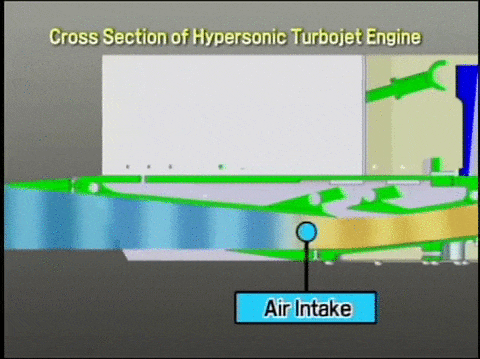
English annotated view of the HST engine. It appears to be a Liquid Air Cycle Engine extracting liquid O2 from the air for direct combustion downstream. Isn't this what the Skylon SABRE does?
NOTE: for some reason the animated GIF doesn't work unless you click it
NOTE: for some reason the animated GIF doesn't work unless you click it
Attachments

- Joined
- 27 May 2007
- Messages
- 676
- Reaction score
- 56
fredymac said:English annotated view of the HST engine. It appears to be a Liquid Air Cycle Engine extracting liquid O2 from the air for direct combustion downstream. Isn't this what the Skylon SABRE does?
NOTE: for some reason the animated GIF doesn't work unless you click it
I think it's just a precooler. No liquifier. Also all intake mass still goes to the jet engine. (Some of the hydrogen does go to the afterburner.) As comparison, Sabre has an additional rocket engine there.
Reaction Engines' Scimitar however is designed for a lower speed, only Mach 5 and is a precooled jet engine. It still has a bypass channel.
http://reactionengines.co.uk/mach5cruise.html
blackkite
Don't laugh, don't cry, don't even curse, but.....
- Joined
- 31 May 2007
- Messages
- 9,421
- Reaction score
- 9,281
Hi!
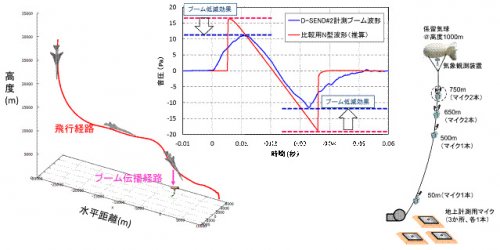
D-SEND#2 picture and test result.
Red line : Sonic boom signature without low boom technology(thoretical value)
Blue line : D-SEND#2 sonic boom test result
JAXA says that to apply this low boom technology to Concorde, sonic boom level is half(1psf).(Concorde sonic boom level : 2psf)
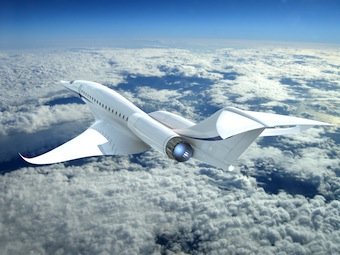
To apply this low boom technology to 50 passenger class SSBJ(below pictures), sonic boom level is 1/4(0.5psf) compared with Concorde.
psf ; pound/square feet
http://www.jaxa.jp/press/2015/10/20151027_dsend2_j.html
D-SEND#2 picture and test result.
Red line : Sonic boom signature without low boom technology(thoretical value)
Blue line : D-SEND#2 sonic boom test result
JAXA says that to apply this low boom technology to Concorde, sonic boom level is half(1psf).(Concorde sonic boom level : 2psf)
To apply this low boom technology to 50 passenger class SSBJ(below pictures), sonic boom level is 1/4(0.5psf) compared with Concorde.
psf ; pound/square feet
http://www.jaxa.jp/press/2015/10/20151027_dsend2_j.html
Attachments
turboshaft
ACCESS: Restricted
- Joined
- 11 February 2007
- Messages
- 48
- Reaction score
- 25
Recent presentation on the HIgh speed Key technologies for future Air transport (HIKARI) project being undertaken jointly by the EU and Japan:
http://www.aerodays2015.com/wp-content/uploads/sites/20/6E-Emmanuel-Blanvillain.pdf
One interesting conclusion:
(Background at http://www.hikari-project.eu/main)
http://www.aerodays2015.com/wp-content/uploads/sites/20/6E-Emmanuel-Blanvillain.pdf
One interesting conclusion:
Mach 5 is the best compromise speed
(Background at http://www.hikari-project.eu/main)
blackkite
Don't laugh, don't cry, don't even curse, but.....
- Joined
- 31 May 2007
- Messages
- 9,421
- Reaction score
- 9,281

Aviation Technology Directorate
JAXA Aviation Technology Directorate helps to create a safer and more prosperous society with aeronautics-related research and development activities.
 www.aero.jaxa.jp
Attachments
blackkite
Don't laugh, don't cry, don't even curse, but.....
- Joined
- 31 May 2007
- Messages
- 9,421
- Reaction score
- 9,281
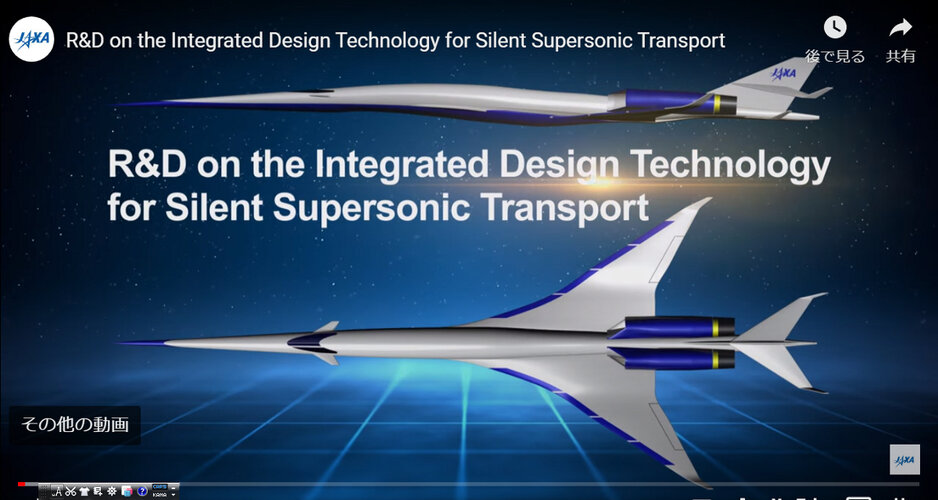
JAXA Low-Boom Research Could Ease Supersonic Certification | Aviation Week Network
A robust low-boom design method developed by Japanese researchers should make it easier to certify future quiet supersonic transports, the Japan Aerospace Exploration Agency (JAXA) says.
 aviationweek.com
Attachments
Scott Kenny
ACCESS: USAP
- Joined
- 15 May 2023
- Messages
- 17,001
- Reaction score
- 24,132
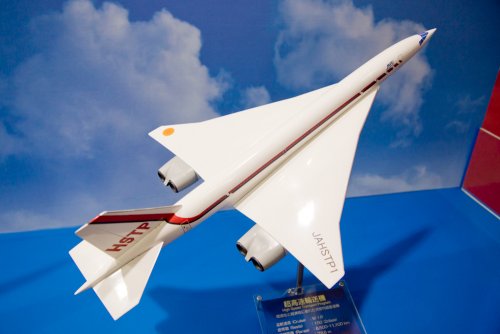
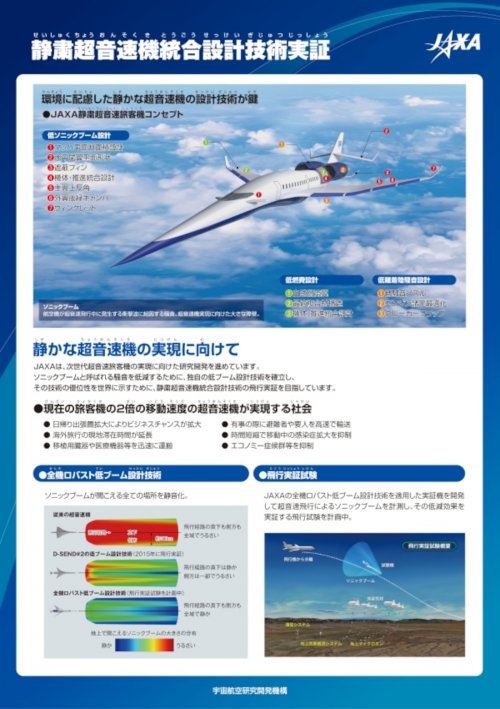
800,000-880,000lbs? That's 50k-130klbs heavier than the 2707! But ~100k lighter than a 747-8, so reasonable in terms of airport load.Hi please enjoy next generation SST design scanned from JAXA's paper. It's performance is as follows.
1. Cruising speed : mach 1.6-2.0
2. range : 10,190km+
3. passengers : 300
4. MTOW : 400ton
5. L/D : [email protected]
Skybolt we are waiting for your new post which is Boeing's blended wing body SST. I believe KJ,too.
Supposedly, Concorde typically averaged 50 passengers per flight, ~half full or so.for 50 people? that bit and the fact the whole plane looks fairly small - makes me believe they're aiming at short to medium range market. Which is of course a mistake. A supersonic plane is pointless unless it can shave off several hours of a single trip. If one shaved off 50% of flight duration for a flight that'd otherwise last 2-3 hours - that's overall insignificant, when one takes into account check in, baggage claim, trip to and from the airport etc. And on top of all that supersonic flight is likely to be more expensive. Even a rich customer may balk at a 50-200% more expensive ticket if the whole trip experience is shortened from 4 hours to 3 hours. LA to NY distances, London to Istanbul and so on - those are pointless for a mach 2 plane. One needs to be able to do it at least over the atlantic, like concorde did. Ideally, transpacific flights too.
If that plane can cover 8-9000km, it can do Tokyo-Seattle or Tokyo-LAX, respectively.
Agreed, that's what they should be using. Specifically 20 years since I expect it to take about that long to go from concept to certified aircraft (plus legal challenges)I know jaxa has been talking about making the ticket price comparable to subsonic airliners but i have a feeling they are using a fixed goalpost, fuel consumption in airliners today, as opposed to using a more realistic moving goalpost - fuel consumption of subsonic airliners 10, 20 or 30 years from today.
blackkite
Don't laugh, don't cry, don't even curse, but.....
- Joined
- 31 May 2007
- Messages
- 9,421
- Reaction score
- 9,281
Hi!
 jda.jaxa.jp
検索結果一覧|JAXAデジタルアーカイブス
JAXAデジタルアーカイブスでは、ロケットの打ち上げ映像や、人工衛星・探査機のCG、最新の観測画像など、カテゴリやキーワードで検索し、ご覧いただく事ができます。
Attachments
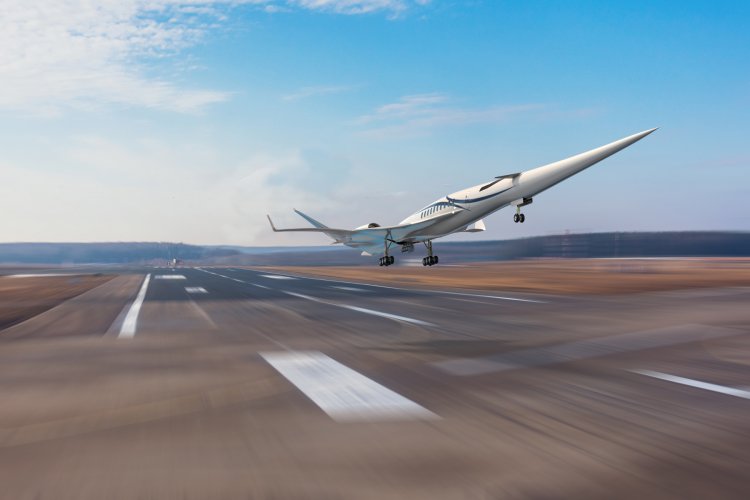
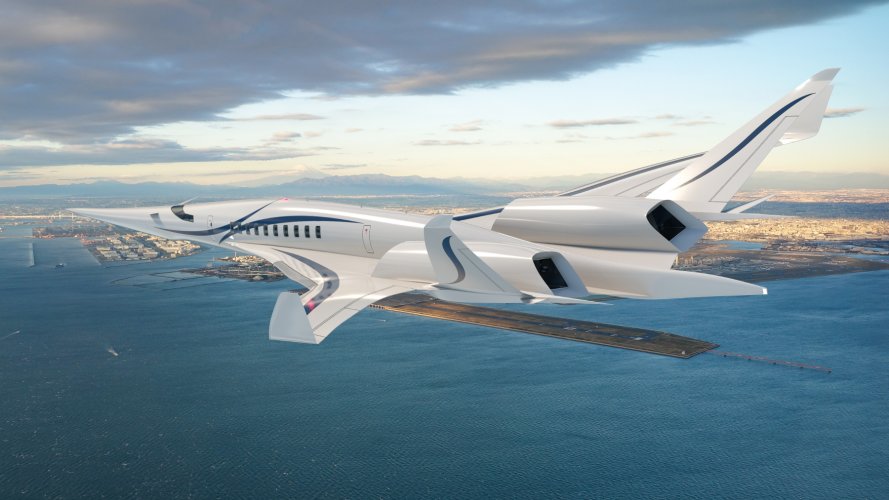
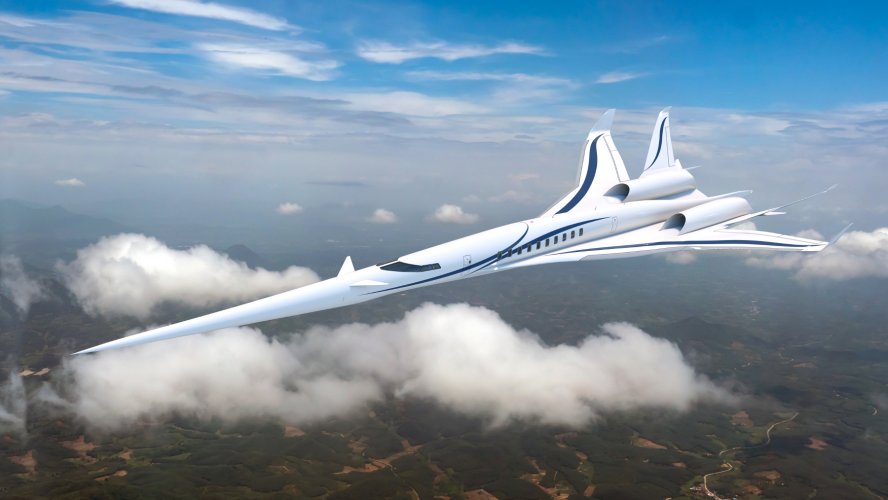
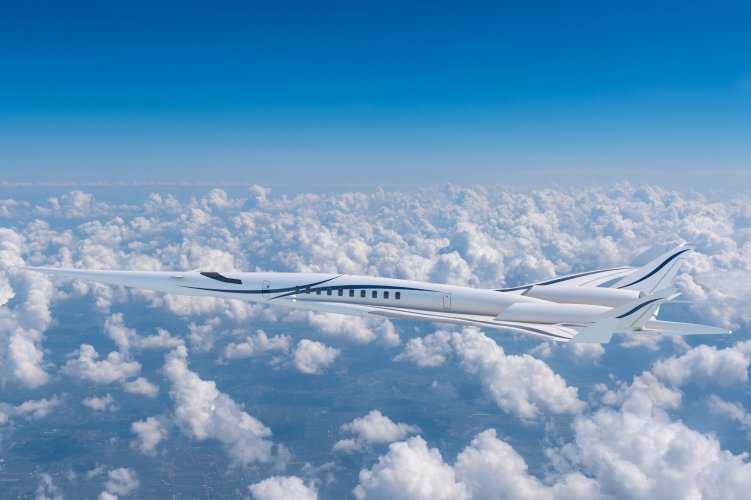
Last edited:
Scott Kenny
ACCESS: USAP
- Joined
- 15 May 2023
- Messages
- 17,001
- Reaction score
- 24,132
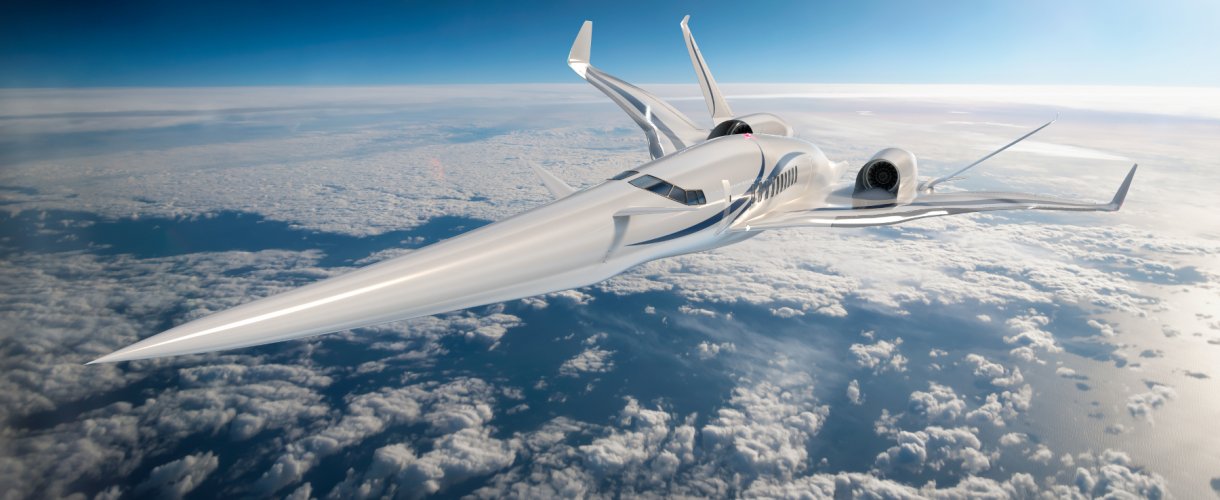
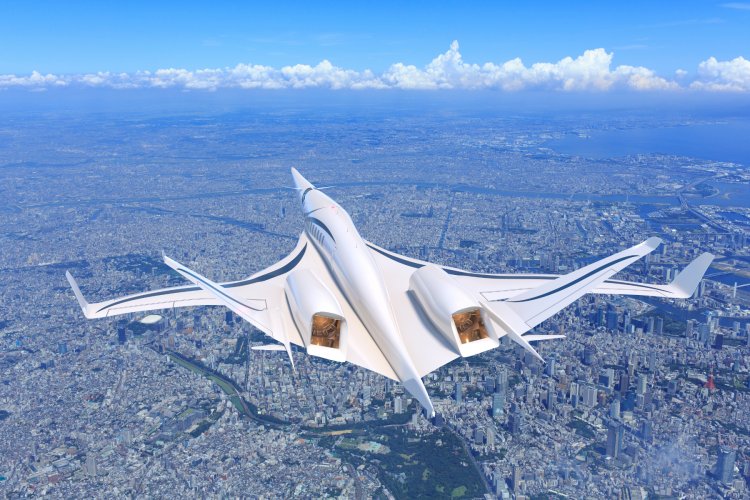
That is a very interesting shape. Ruddervators and winglets.
blackkite
Don't laugh, don't cry, don't even curse, but.....
- Joined
- 31 May 2007
- Messages
- 9,421
- Reaction score
- 9,281
Re-BooT 最新情報 | Re-BooT(ロバスト低ブーム超音速機設計技術実証)プロジェクト | 超音速機設計技術の研究開発 | JAXA航空技術部門
JAXA航空技術部門は、我が国の方針や社会ニーズに基づき、3つの研究開発プログラムを推進するとともに、これらを支える基礎的・基盤的技術の研究に取り組みます。
www.aero.jaxa.jp
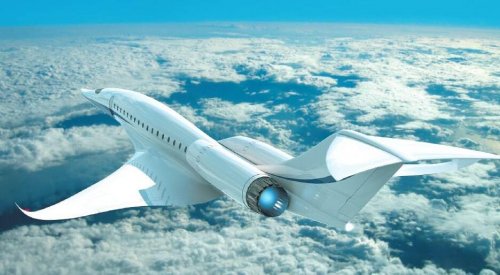
Re-BooT Latest Information
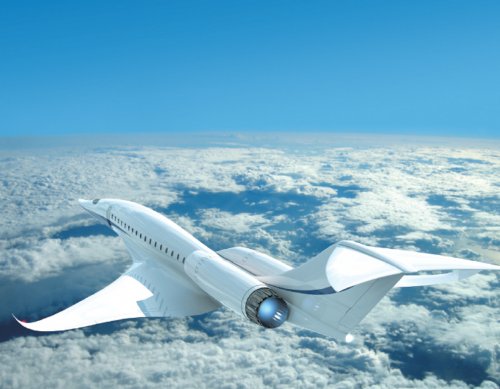
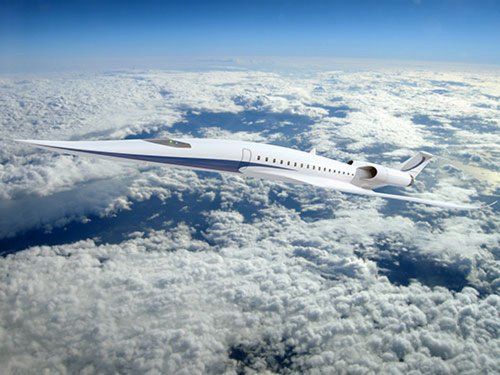
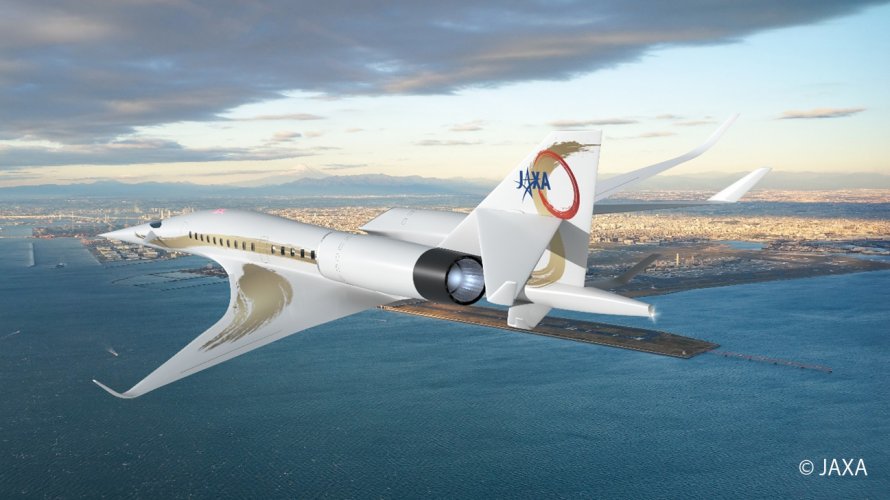
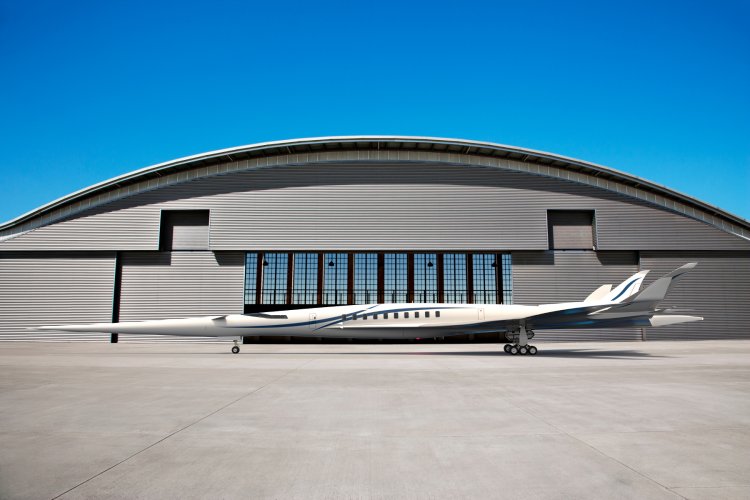
Conceptual Image of the Next-Generation Supersonic Passenger Aircraft (January 19, 2026)
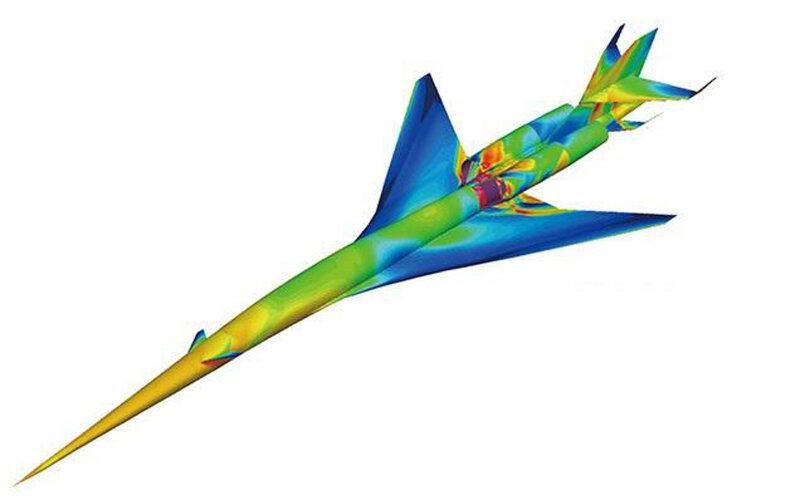
We have created a conceptual CG image of the next-generation supersonic passenger aircraft.
This is an illustration of the "quiet supersonic passenger aircraft" being researched by JAXA.
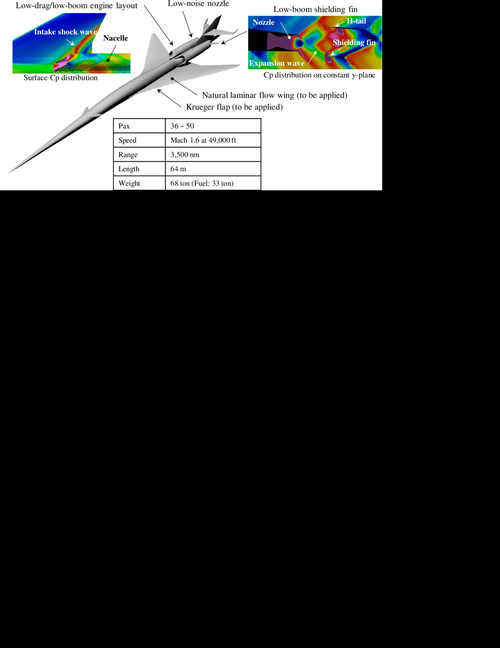
This aircraft is a concept for a small supersonic passenger aircraft that applies JAXA's robust low-sonic boom design technology to a conceptual design funded by ARRA and NASA.
It reduces sonic boom noise over a wide area, including directly below the flight path during supersonic cruising, as well as to the sides and during acceleration.
JAXA's Re-BooT project is conducting flight demonstrations of robust low-boom design technology and research and development of design technologies aimed at realizing quiet supersonic passenger aircraft.
The goal is for these results to be useful in establishing international noise standards for supersonic aircraft.
Several images, including the CG image introduced here, can be viewed and downloaded from the JAXA Digital Archives. Please take a look.
・JAXA Digital Archives - Category "Supersonic and Hypersonic Aircraft" Open in new window
Mission Mark Decided! (December 3, 2025)
The mission mark for the Re-BooT Project has been decided.
The Re-BooT Project will develop a demonstration aircraft incorporating JAXA's "Robust Low-Boom Design Technology" and conduct a flight demonstration test to measure sonic booms generated during supersonic flight.
The newly completed mission mark is a symbolic design for the project, combining the silhouette of the advanced and distinctive flight demonstration aircraft with the image of a ripple-like sonic boom.
Under this mission mark, all stakeholders will work together to do their utmost to ensure the success of the project and realize the next generation of "quiet supersonic aircraft."
Flight Test Site Survey (August 25-29, 2025)
We visited the Esrange Space Center in northern Sweden, where flight tests will be conducted, and conducted on-site surveys and verification tests with the support of SSC (Swedish Space Corporation), which operates the test site. Meisei Electric Co., Ltd., responsible for developing the ground measurement system used in the flight tests, also visited the test site during the same period to confirm the on-site conditions and conduct related tests.
We will search for suitable locations for sonic boom and meteorological measurements within the vast test site, which stretches approximately 70 km east to west and 100 km north to south. This time, we visited candidate measurement locations to confirm whether measurements could be performed. Since there are no roads within the test site, we traveled by helicopter.
We also verified the operation and performance of prototype sonic boom and meteorological measurement systems at these candidate measurement locations and in an environment similar to that of actual flight tests.
The results of this survey and testing will be reflected in future flight test planning and the development of measurement systems.
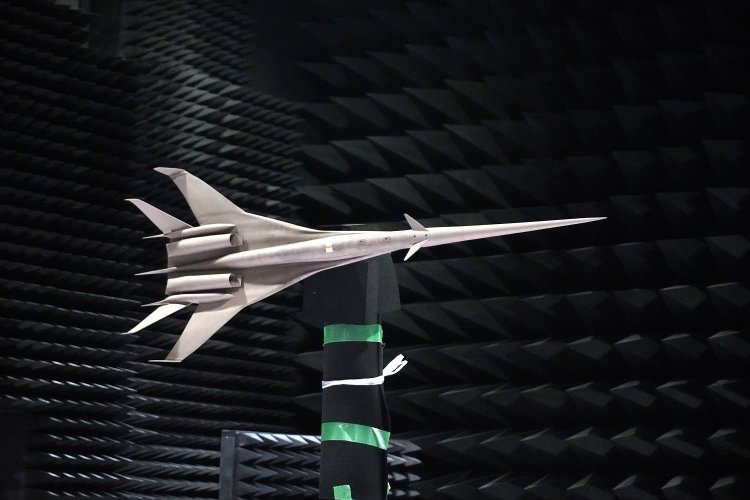
Antenna Pattern Test of the Demonstrator (April 7–June 11, 2025)
An antenna pattern test of the demonstration aircraft was conducted in the Electronic Navigation Research Institute (ENRI)'s anechoic chamber. This test was conducted by Mitsubishi Heavy Industries, Ltd. as part of the demonstration aircraft's development testing.
During the flight test, the control room constantly communicates with the unmanned, autonomously flying demonstration aircraft via radio to monitor its status in real time and issue flight termination commands in the event of an emergency.
The antenna pattern test measures and evaluates the direction and strength of the radio waves emitted or received by the antenna used for this communication.
The results of this test will be reflected in the design and development of the demonstration aircraft.
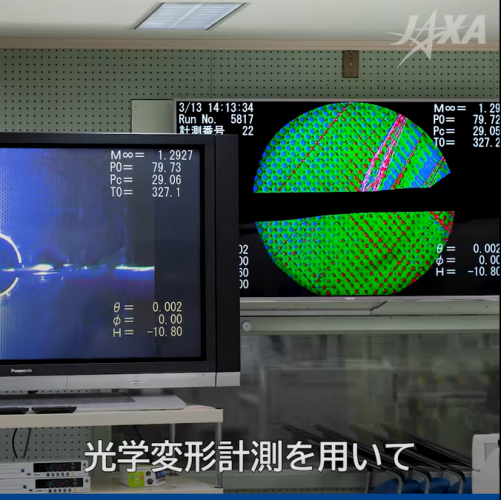
Wind Tunnel Test to Assess the Demonstrator's Sonic Boom Characteristics (February 10–14, 2025)
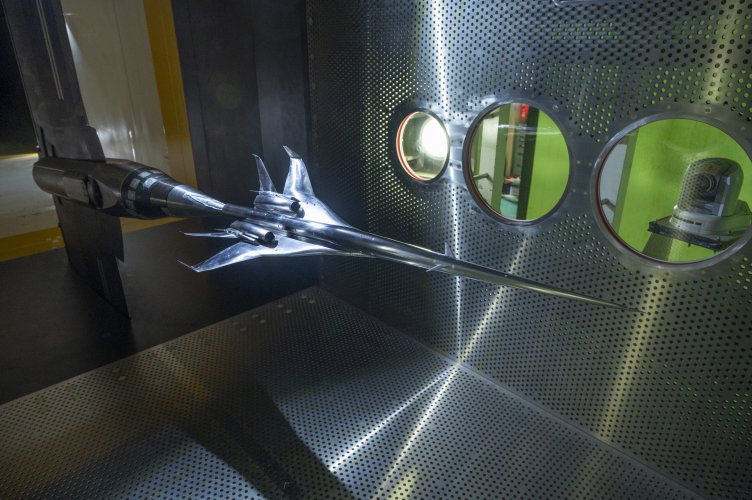
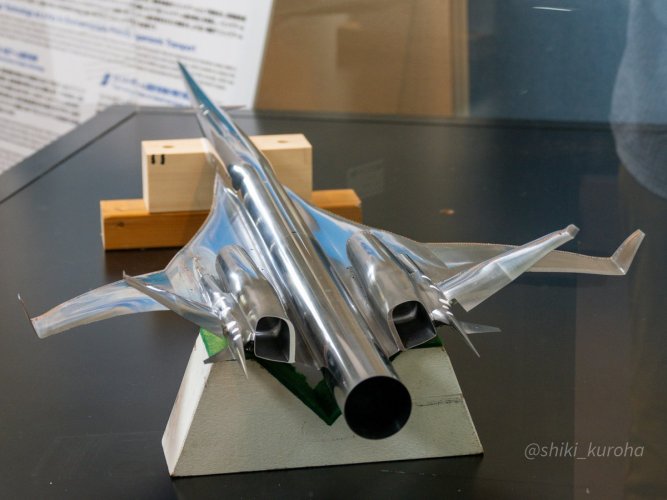
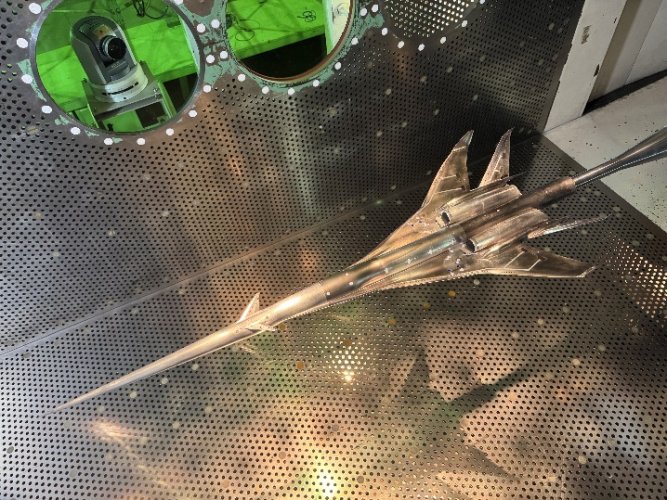
From February 10–14, wind tunnel testing was conducted in JAXA's 2m x 2m transonic wind tunnel to evaluate the sonic boom characteristics of the flight demonstration aircraft.
Wind Tunnel Testing to Assess the Aerodynamic Characteristics of the Demonstrator (January 20 - February 7, 2025)
From January 20 to February 7, wind tunnel testing was conducted in JAXA's 2m x 2m transonic wind tunnel to evaluate the aerodynamic performance of the flight demonstrator. The wind tunnel testing was conducted by Mitsubishi Heavy Industries, a partner company of the Re-BooT project.
Project Introduction at the JAXA Aviation Symposium 2024 (October 18, 2024)
An overview of the Re-BooT project was presented at the JAXA Aviation Symposium 2024, held at Tokyo Big Sight on October 18. The symposium also featured invited presentations from NASA and Boeing, who are collaborating in the Re-BooT project, and introduced their research into supersonic aircraft with JAXA.
[Event Report] JAXA Aviation Symposium 2024
Last edited:
Wind tunnel model (notice smoke injectors on the wing LE and engine nacelles*):

Notice also the rather peculiar choice with the ruddervator canted extremities when deflections will see those surfaces travel out of the symmetry plan, creating drag and strong vortices.
*note they are not buried into the wing like in the CGI but raised out of the boundary layer.
Notice also the rather peculiar choice with the ruddervator canted extremities when deflections will see those surfaces travel out of the symmetry plan, creating drag and strong vortices.
*note they are not buried into the wing like in the CGI but raised out of the boundary layer.
Last edited:
blackkite
Don't laugh, don't cry, don't even curse, but.....
- Joined
- 31 May 2007
- Messages
- 9,421
- Reaction score
- 9,281
blackkite
Don't laugh, don't cry, don't even curse, but.....
- Joined
- 31 May 2007
- Messages
- 9,421
- Reaction score
- 9,281
Attachments
Last edited:
Similar threads
-
 FLIGHTS OF FANTASY: The Lockheed L-2000 SST in airline service
- Started by Sentinel Chicken
- Replies: 10
-

-
 John K. Northrop - The Development of All-Wing Aircraft
- Started by VTOLicious
- Replies: 8