Forest Green
ACCESS: USAP
- Joined
- 11 June 2019
- Messages
- 12,787
- Reaction score
- 27,516
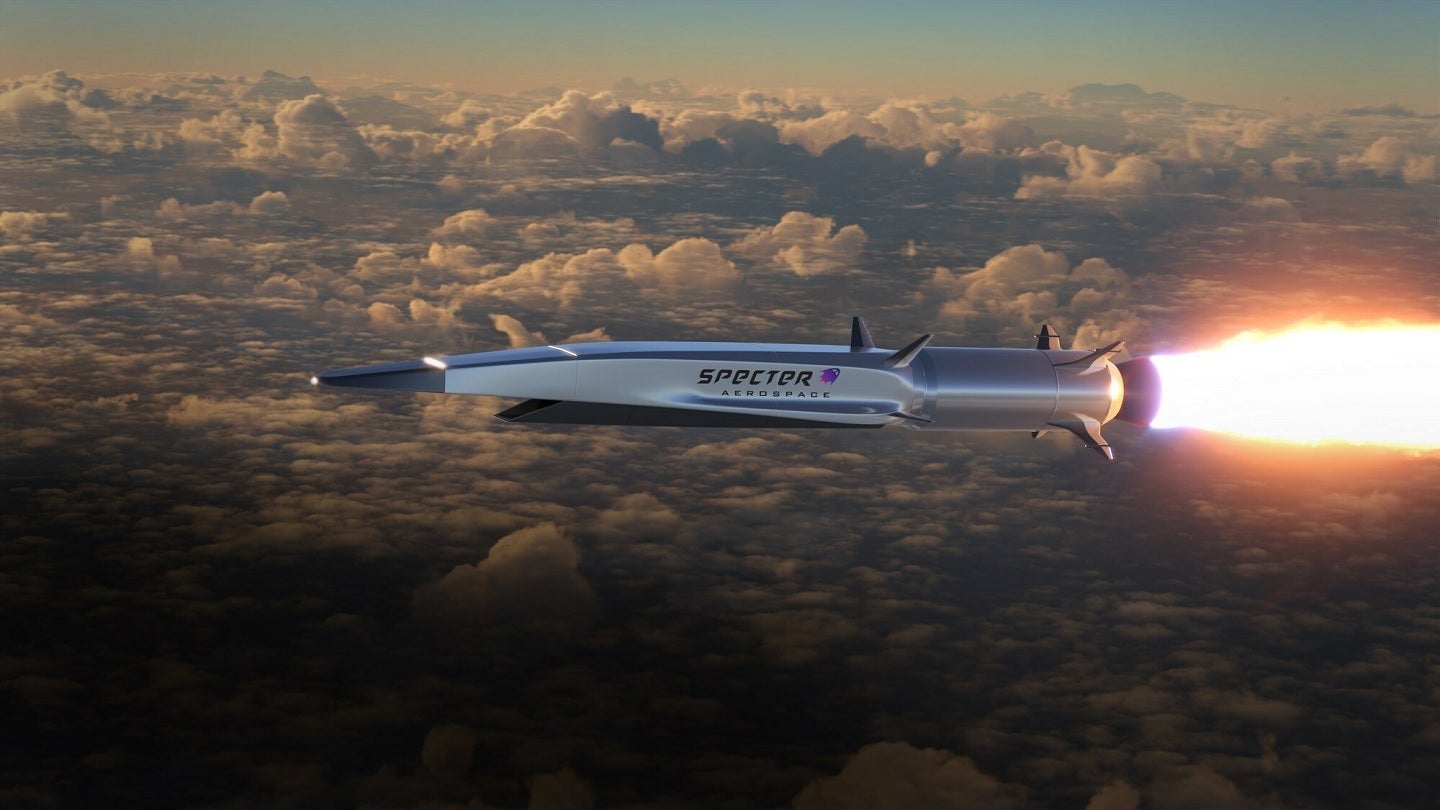
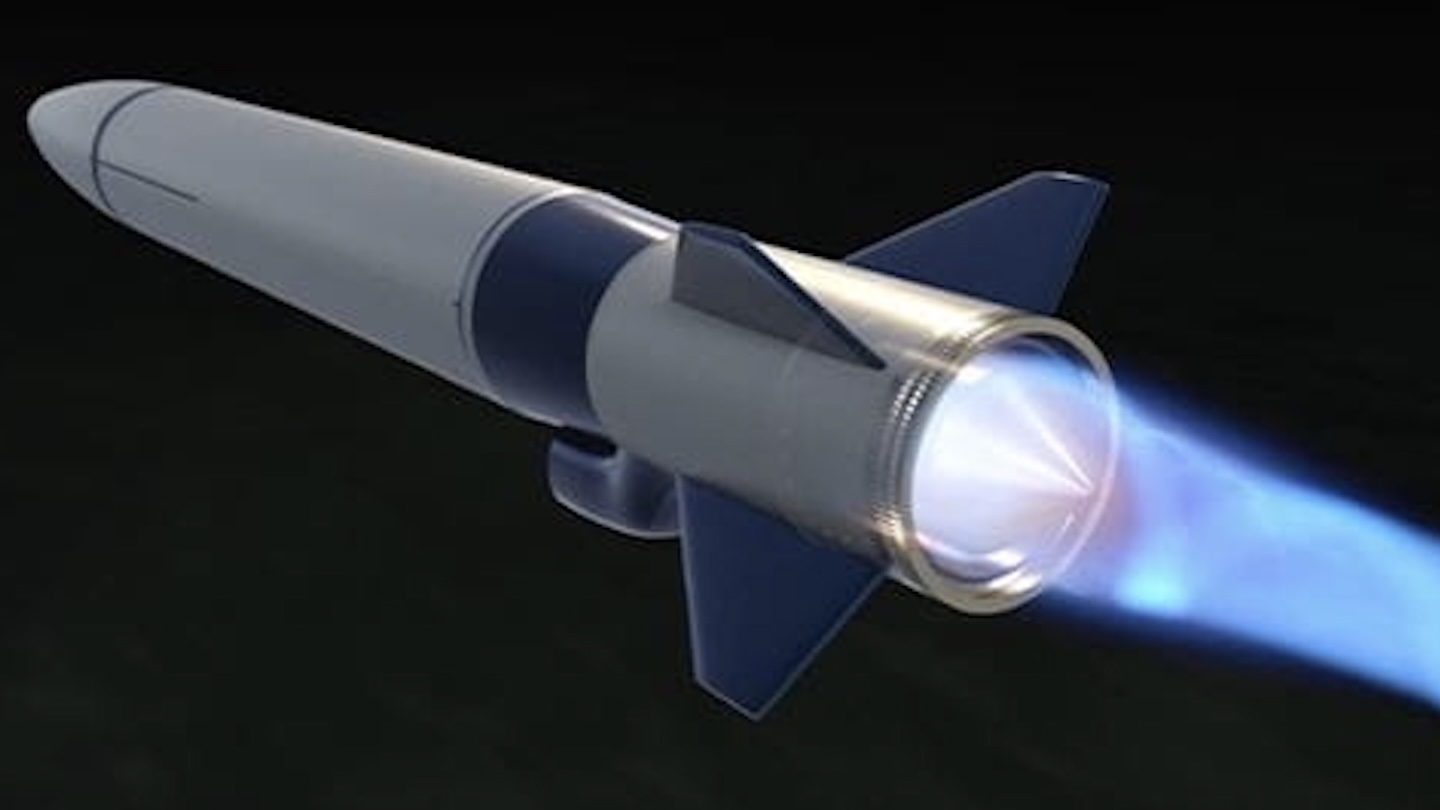
US Air Force’s hypersonic test vehicle BOLT-1B has conducted its successful flight. The flight was carried out over Norway on September 2.
The test vehicle lifted off from the Andøya Space Sub-Orbital launch site at 11:41:01 local time and reached an apogee of 157 miles (254 kilometers) before safely splashing down inside the impact and dispersion area.As planned, the test concluded with BOLT-1B impacting the ocean approximately 115 miles (185 kilometers) offshore.
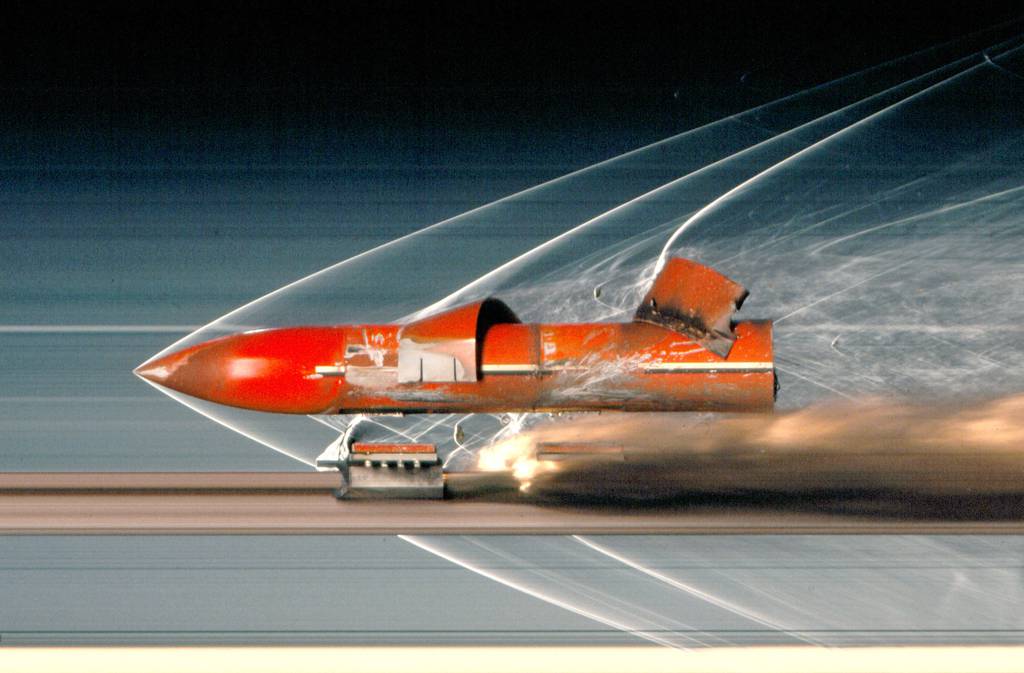
BOLT-1B completed all test objectives, according to reports. The experimental vehicle traveled over the Norwegian Sea at Mach 7.2 and provided a stream ofimportant data on the physics of airflow at hypersonic speeds.
The project is coordinated by the Air Force Office Scientific Research from the United States and is carried out by Johns Hopkins Applied Physics Laboratory (APL), the Air Force Research Laboratory Aerospace Systems Directorate (AFRL/RQ), and the German Aerospace Center (DLR).
In this video, Defense Updates analyzes why the successful test of the BOLT-1B hypersonic vehicle is awesome news for the U.S. ?
Aha, return of the air-turbo-rocket, as per the North American D265-27.
Everything I know I read in this:Do you have any details on the NA D265-27 as I haven't been able to find anything.
Everything I know I read in this:
![]()
Lockheed SR-71 Blackbird - Origins & Evolution | at Mortons Books
Lockheed SR-71 Blackbird - Origins & Evolution | at Mortons Bookswww.mortonsbooks.co.uk
Some here:
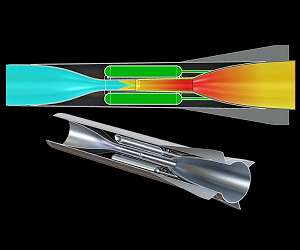
What is the advantage of an RDE over a scramjet? I get more compact, but does it have a much lower minimum speed for ignition?
Could this new propulsion system be installed on existing missiles such as the Jassm, Lrasm and Tomahawk, or as future upgrades for Hacm or various low-cost missiles such as those built by Aldurin?
Its really just mechanical simplicity and therefore weight and cost savings (potentially some fuel efficiency savings from more complete fuel burn as well).
Its like lots of little miniature pulse jets each firing in succession so avoids the downsides of the one big pulse jet that it takes time to cycle the chamber. The downside compared to a scramjet is extra noise and potential non-uniform thrust or unreliability of missed ignitions like a engine with a faulty spark distributor.
Couldn't you run an air-turbo-rocket with a rotating detonation combustor after the turbine?Yes.
RDE provide lower speed efficient combustion than a ramjet for a less cavernous volume. Then the max efficient speed is well inside the range of a scramjet making them ideal for a combined propulsion device.
All the physical constraints combine better (more compact with less complexity) with a dual RDE / Scramjet when attached to a rocket booster. Ex.: hypersonic missile.
With a Turbojet / Scramjet compound, a Turborocket might be more suitable. Ex. : Hypersonic fighter.
Frozen, or thawed?
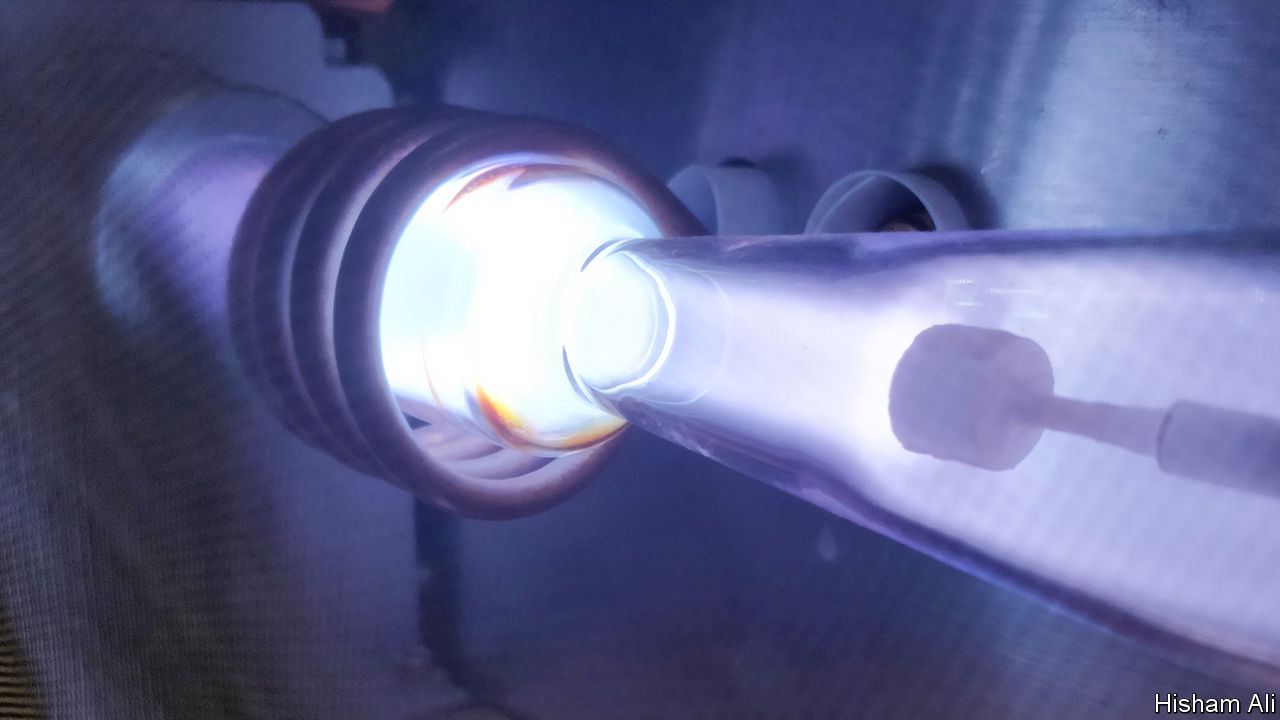
The Electric Arc Shock Tunnel (EAST) at NASA Ames can generate hypervelocity shockwaves in test atmospheres to understand what happens during atmospheric entry. This system uses a capacitor bank that stored up to 1.25MegaJoules to drive a shockwave in a test gas then observe the light emitted.
This is essential to determining the radiative heating that will be experienced during atmospheric entry, and the facility at NASA Ames is the only one in the world that can even get close to the conditions experienced by probes to the gas giants.
Not designed by aliens. Designed by "the first AI that builds machines" as the press has called Noyron, our Large Computational Engineering Model. This hypersonic precooler we produced with @FarsoonAM uses a fractal folding algorithm to chill down superheated air.
ChromeKiwi
@AshleyKillip
Ai engineered precooler. This is one thing i like about Ai being able to design new ways to do things and since it's computer based can likely do all its own flow path analysis and model simulations for total efficiency or material weight without compromising the structure. Maximising form and function.