This item appeared in today's
Asahi here
https://www.asahi.com/articles/AST793FKGT79UBNB008M.html?iref=comtop_Tech_science_02 (translation by the google AI)
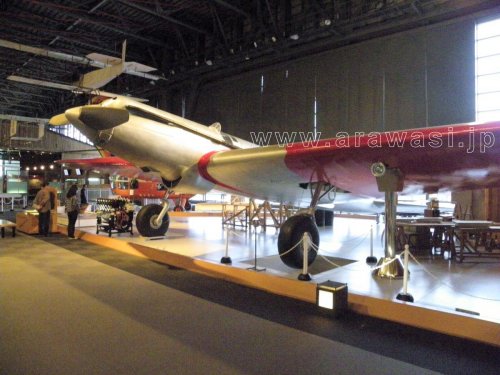
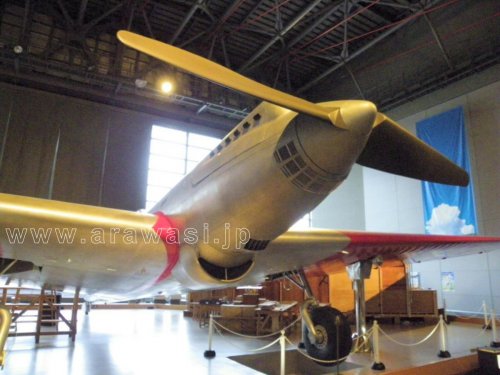
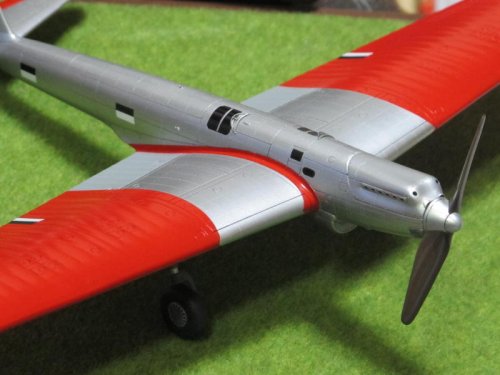
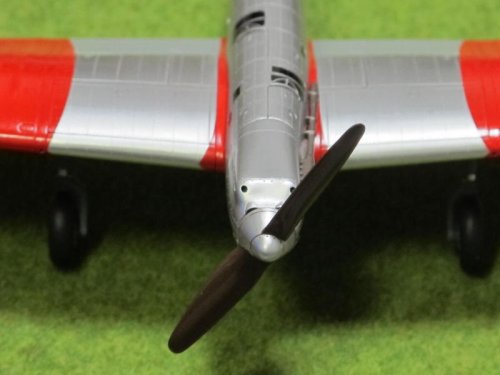
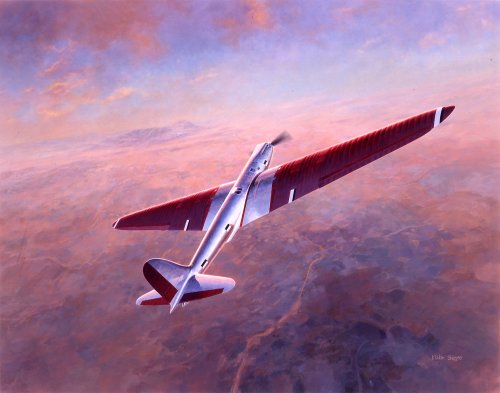
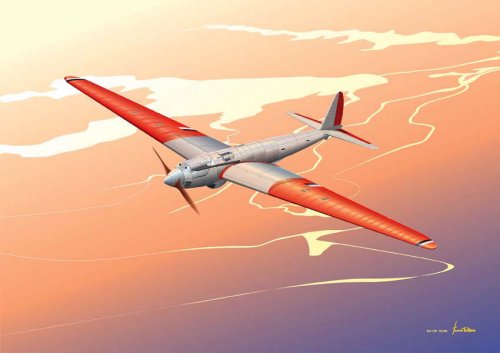
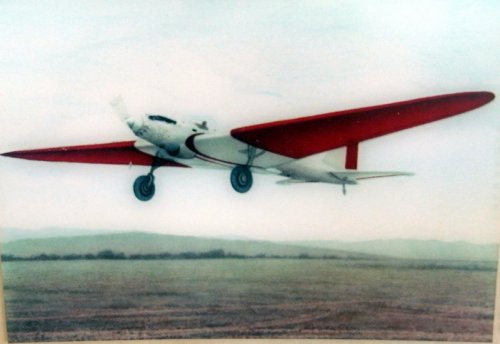
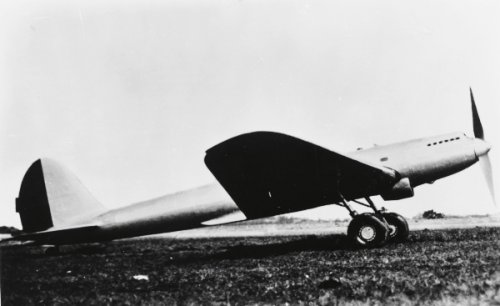
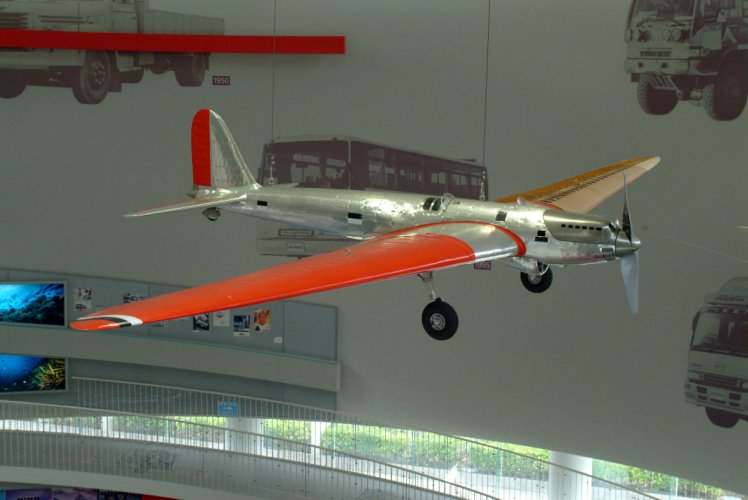
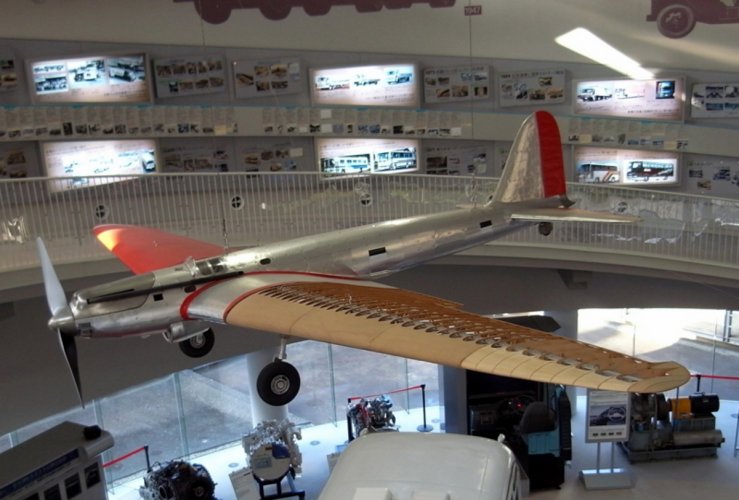
"Kokenki" recognized as aerospace technology heritage Demonstration of unusual main gear retraction
July 12, 2025 9:00
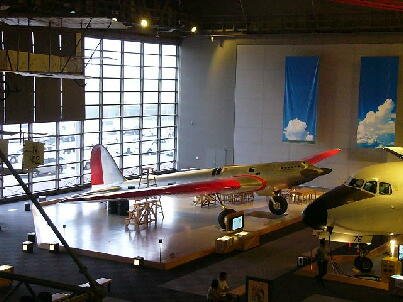
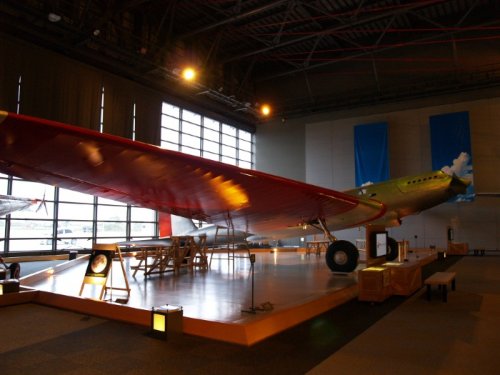
[Video] A restored version of the "Kokenki" aircraft, which has been certified as an aerospace technology heritage site. The propeller rotation and main landing gear retraction were demonstrated. (Photo by Terutoshi Unuma)
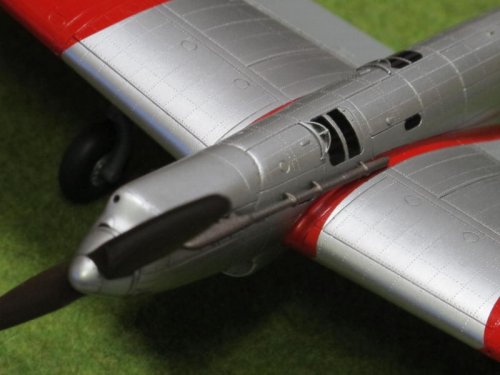
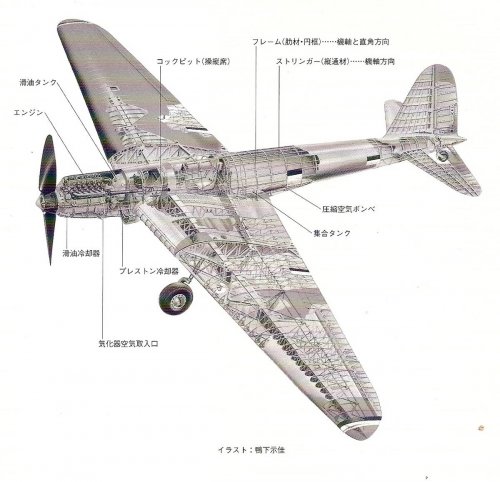
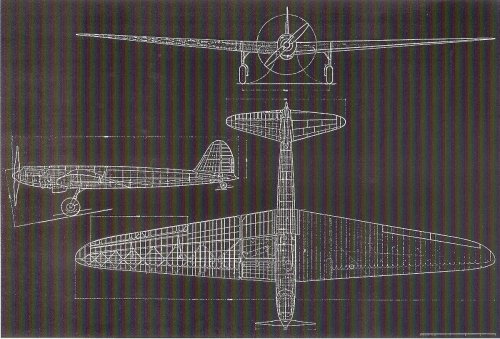
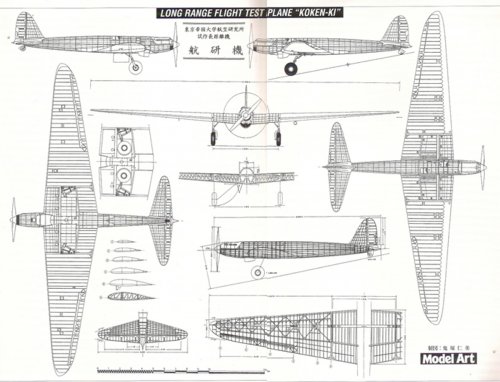
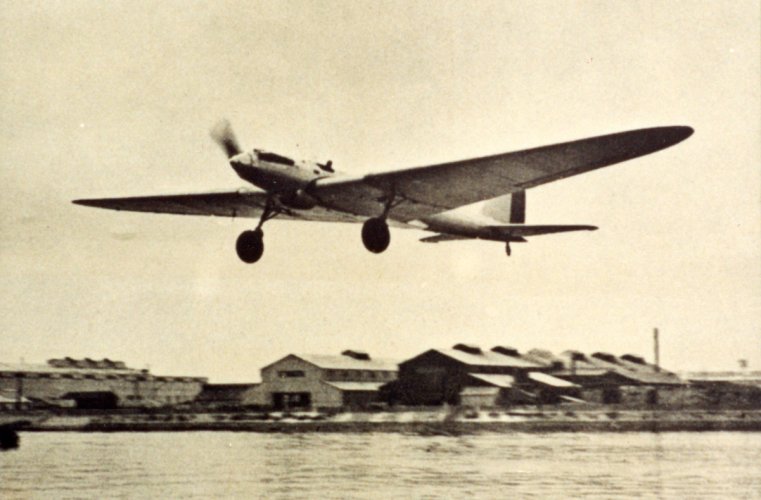
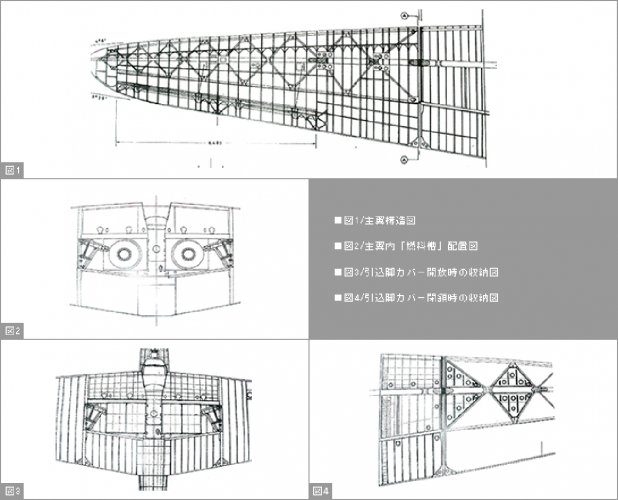
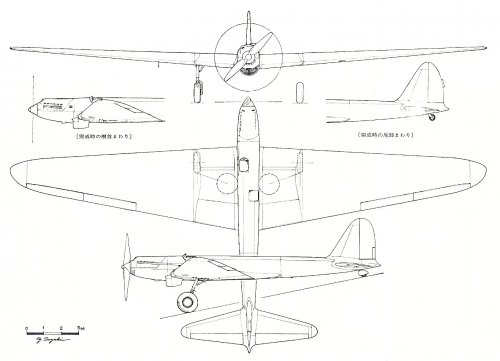
This is a restored version of the "Kokenki" aircraft, which set a world record in 1938 with a range of 11,651 km. To commemorate its recent certification as an "Aeronautical Science and Technology Heritage" by the Japan Society for Aeronautical and Space Sciences, a demonstration was given of how the main landing gear retracts. The landing gear has a complex mechanism in which it is tilted 30 degrees backwards once, before being pulled up 90 degrees and stored inside the wing. The landing gear retraction was apparently performed using a wire system, and manually. At the time, there were already electric and hydraulic methods of operation, but due to the rush to complete the aircraft, parts that required complex design were omitted. (Photo by Unuma Teruto, Misawa Aviation Science Museum, Aomori Prefecture)
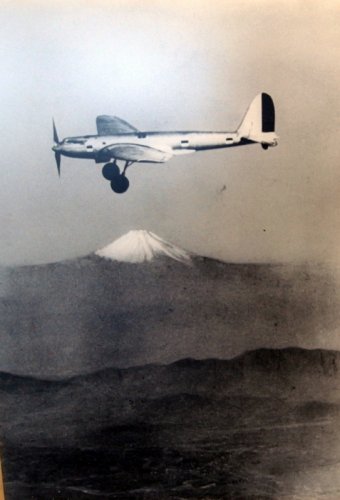
The domestically-made propeller aircraft "Kokenki," which set
the world record for Japan's first long-distance circular flight in 1938 (Showa 13), has recently been recognized as an "Aerospace Technology Heritage" by
the Japan Society for Aeronautical and Space Sciences. On June 22nd, at the Aomori Prefectural Misawa Aviation Science Museum (Director Shigezo Oyanagi,
Misawa City ), where a restored aircraft is on display, a presentation was given to commemorate the recognition, along with a demonstration of the propeller rotation and retractable landing gear operation, attracting many aviation fans.
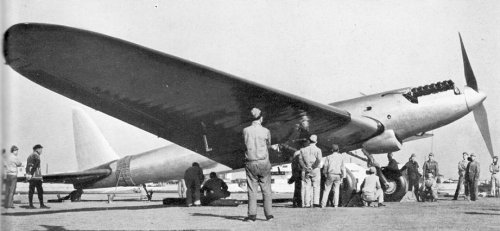
"KOKENKI" is an abbreviation for "Tokyo
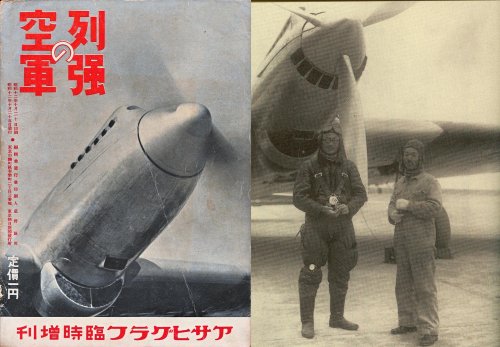
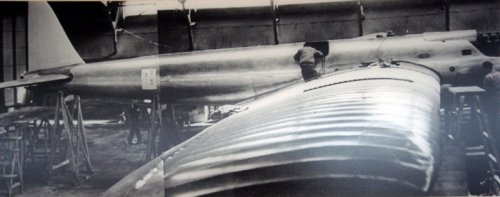
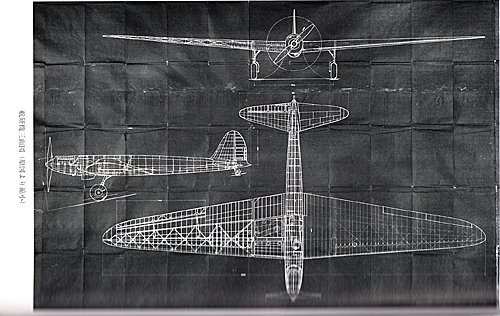
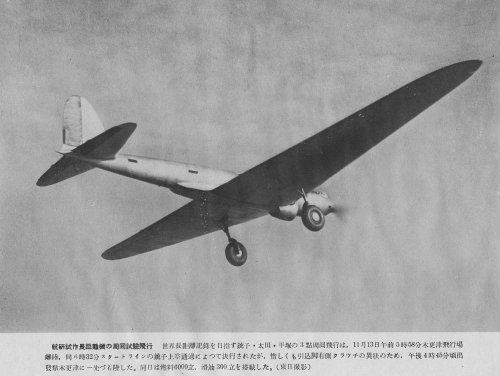
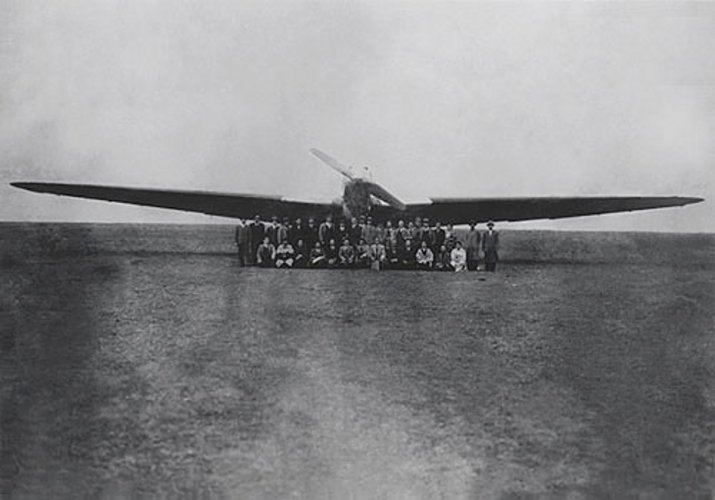
Imperial University Aeronautical Research Institute Prototype Long-Distance Research Aircraft." The institute began planning in 1931 with the aim of setting a world record for the longest orbital flight distance, and the aircraft was completed in 1937.
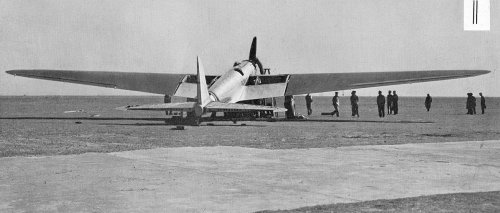
On May 13, 1963, the KOKENKI took off from
Kisarazu Airfield in Chiba Prefecture , setting a world record for orbital distance of 11,651.011 kilometers and an international record for speed of 186.197 kilometers per hour over a 10,000-kilometer course, before returning to Earth on the 15th with a flight time of 62 hours, 22 minutes and 49 seconds.
At that time, Japan had been on the rise from a developing aviation nation to a first-class nation the previous year (1937), when the Asahi Shimbun company's "Kamikaze" flew from Tokyo to London (total distance of 15,357 km) in 94 hours and 18 minutes (actual flight time was 51 hours and 19 minutes), setting a new international record for intercity
flight .
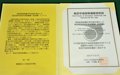
As an aerospace technology heritage item, it was recognized for the fact that it was designed solely to set a world record for long-distance flight, and that various innovations were incorporated into it, such as the fitting of fully retractable main landing gear, which was the first in the world for a long-distance experimental aircraft, and that the achievement of this world record demonstrated the high level of Japanese technology at the time.
The company was also recognized for the fact that the experience, knowledge, and human resources gained at KOKENKI were passed down even after the seven-year ban on aircraft development in postwar Japan, leading to the development of aircraft such as the domestically produced passenger plane,
the YS11 .


![koukenki[1].gif](/data/attachments/48/48480-ea3340c8dfcf58a0cffc557847d0ccc4.jpg)