Fw 190 D14

kittens are cute

ACCESS: Restricted
Joined
1 January 2026
Messages
18
Reaction score
9
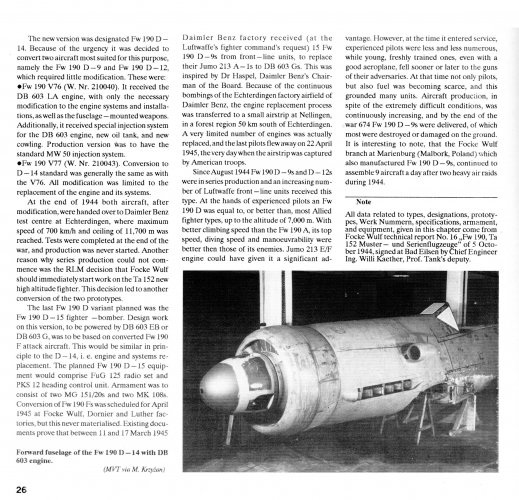
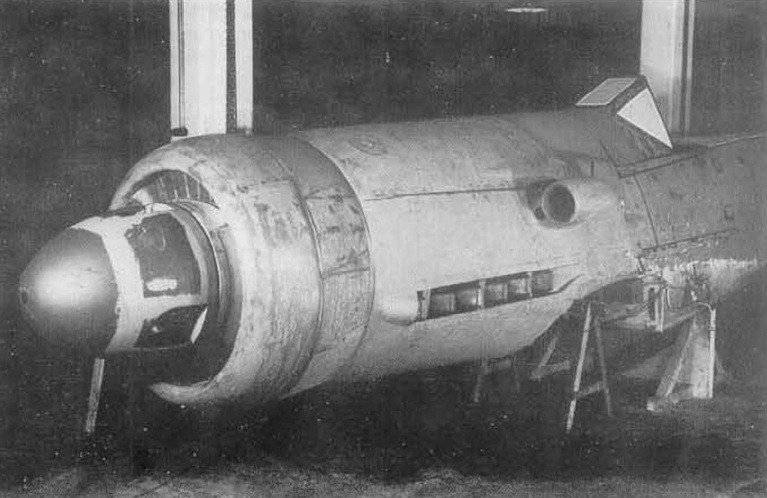
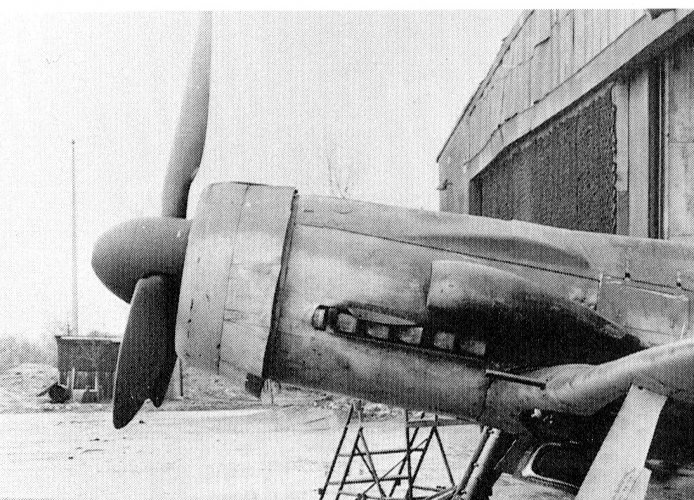
i saw the old posts about the fw 190 D14 but there was nothing that much about !
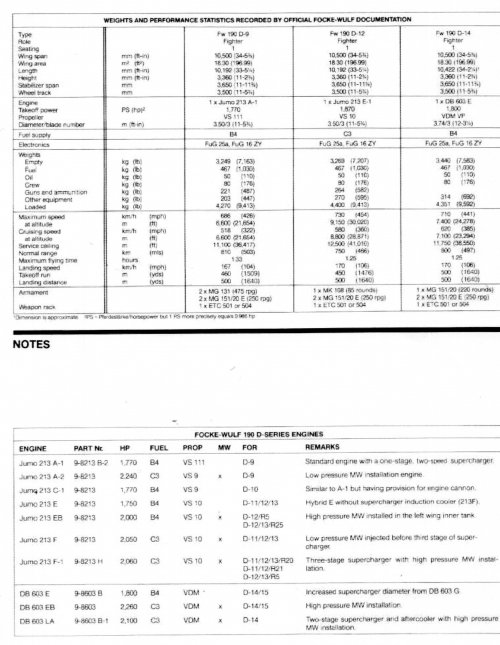
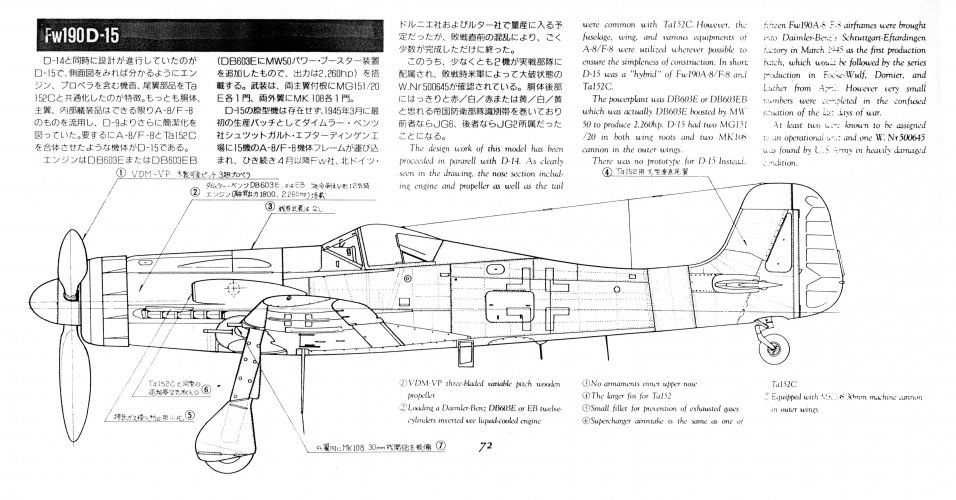
what was the performance and weapons and did it use the fw 190 D-9 model in the protype ?
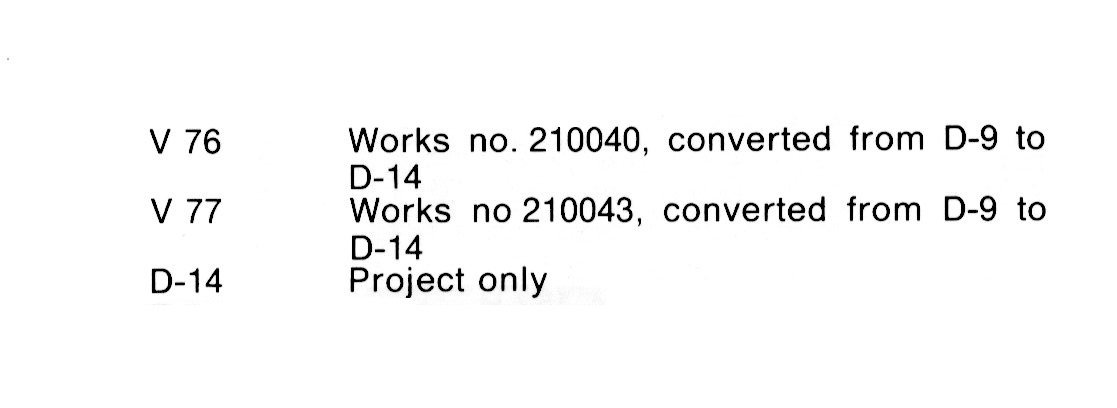
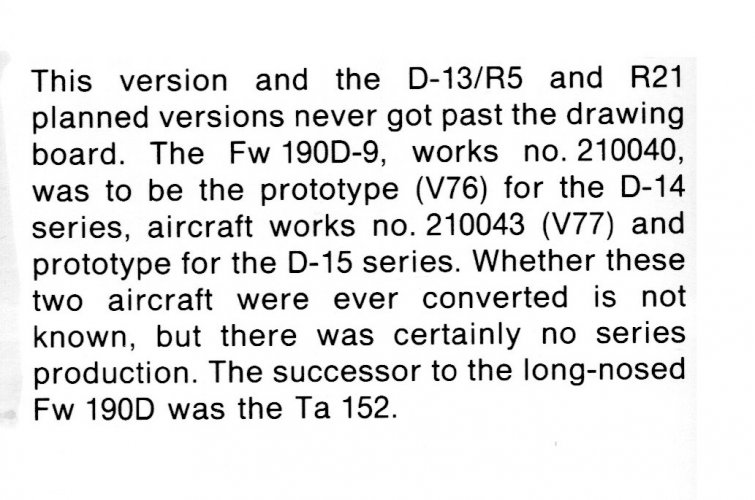
i know fw 190 V76/V77 built
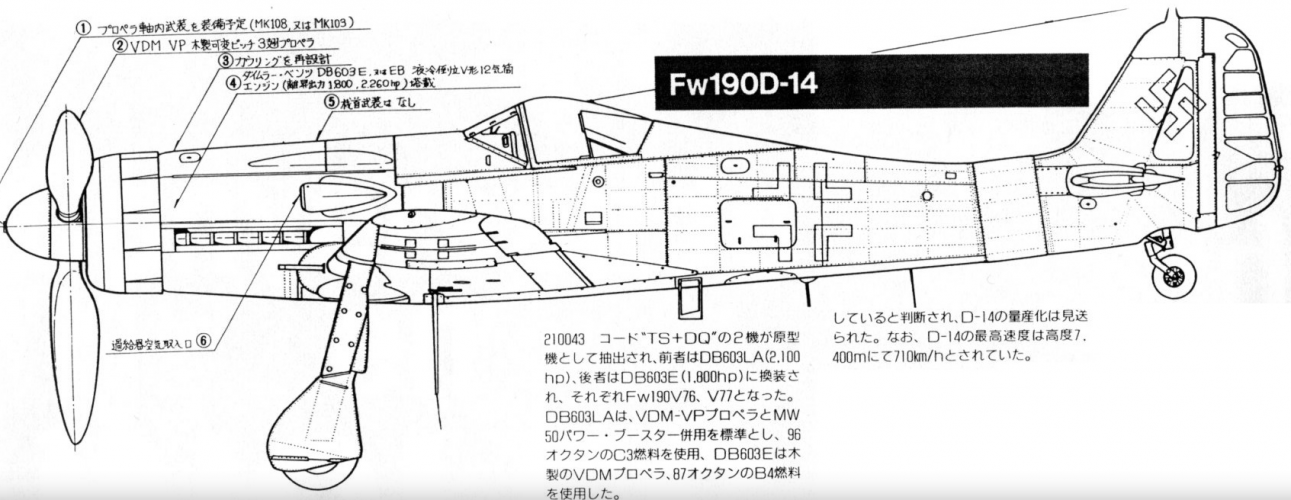
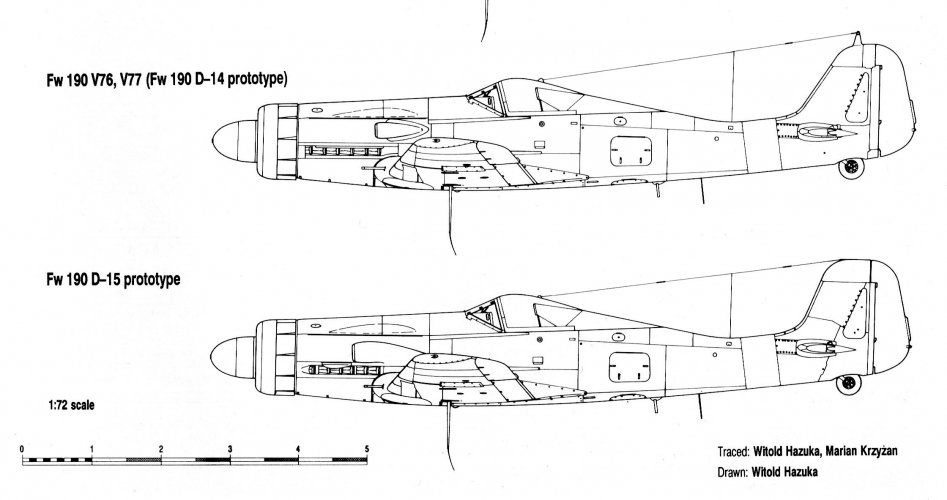
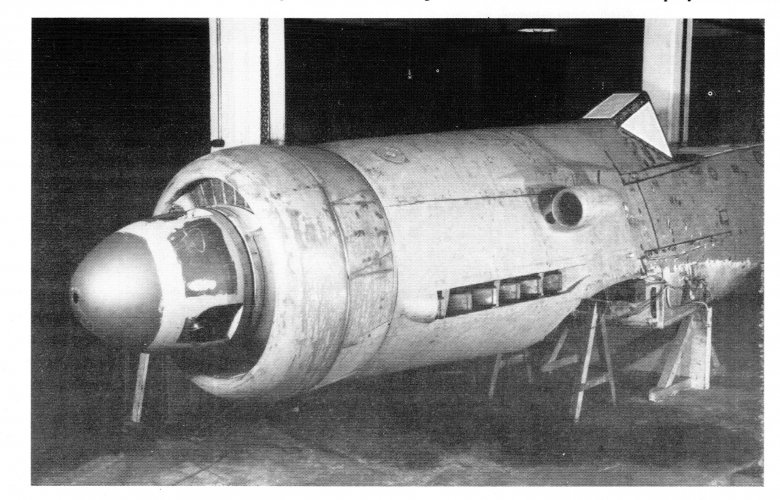
does anyone know which engine iit used in the irl image of the fw 190 D14 and which one is it? the V77 or the V76?

i can't find books talk about it

1768770159013.png
 

Attachments

  • 1768769956876.png
    1768769956876.png
    36.8 KB · Views: 78
Last edited:
There is too much contradictory information, your problem is that there are so many people writing "The Definitive Book on Langnasen" that the information does not circulate normally.

I'm sorry I can't help more.
 

Attachments

  • 951.jpg
    951.jpg
    582.9 KB · Views: 68
  • 949.jpg
    949.jpg
    164.1 KB · Views: 50
  • 950.jpg
    950.jpg
    231.8 KB · Views: 46
  • 948.jpg
    948.jpg
    153.5 KB · Views: 54
  • 947.jpg
    947.jpg
    992.6 KB · Views: 50
  • 945.jpg
    945.jpg
    138.3 KB · Views: 59
  • 944.jpg
    944.jpg
    3.4 MB · Views: 65
  • 943.jpg
    943.jpg
    230.4 KB · Views: 59
  • 942.jpg
    942.jpg
    45.4 KB · Views: 49
  • 939.jpg
    939.jpg
    197.2 KB · Views: 72
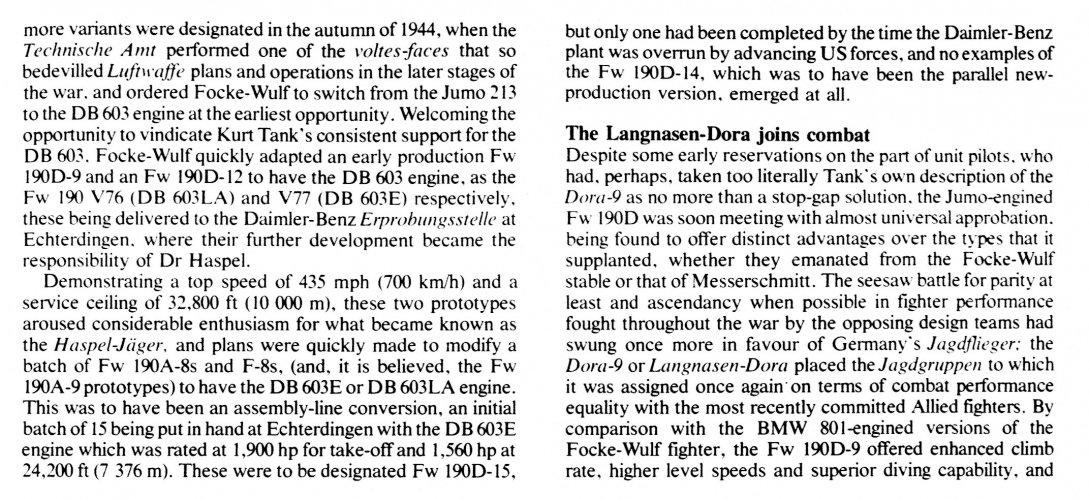
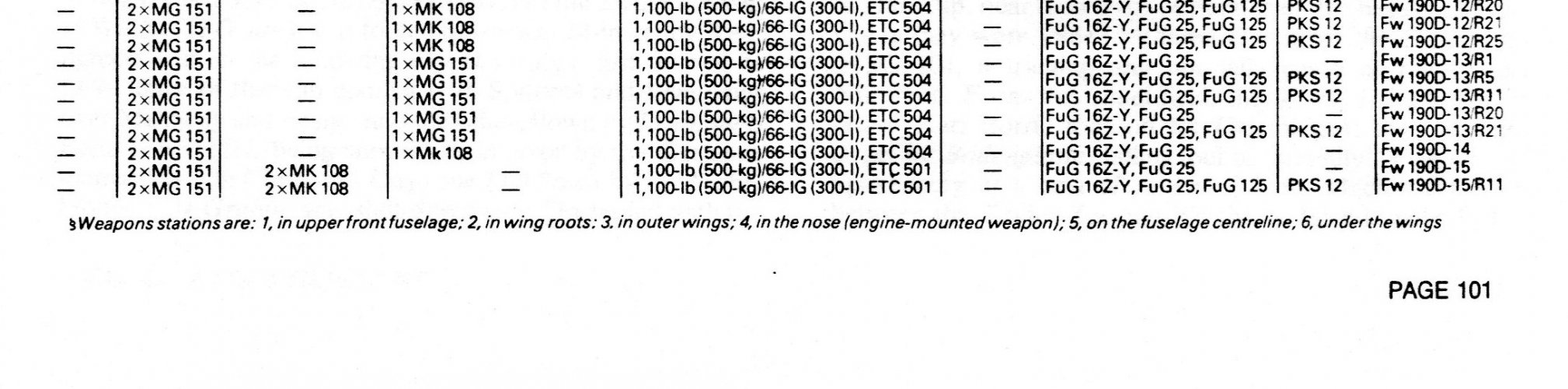
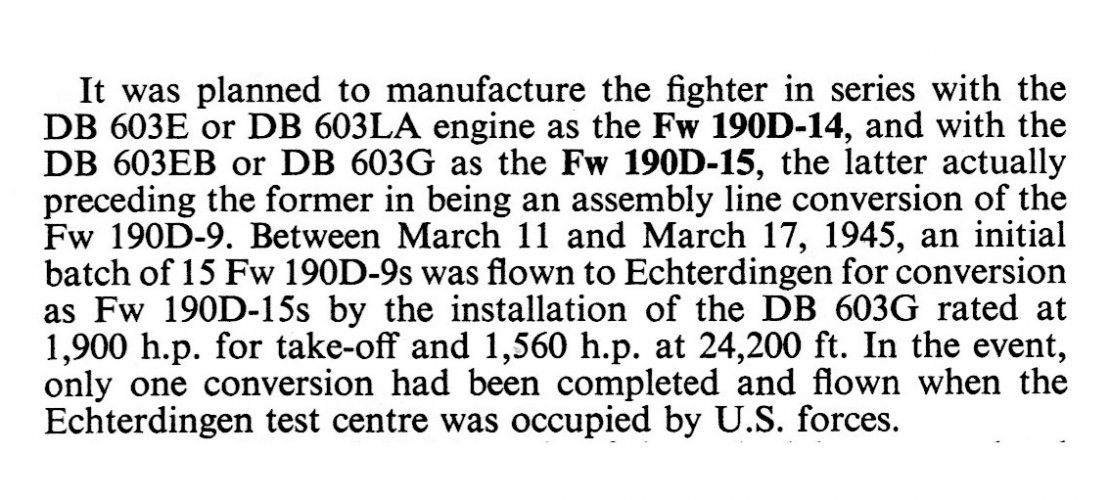
It has been suggested that the Fw 190 V76 and V77 were more 'development' machines than actual "prototypes" for an exact production model. When the proposed Fw 190D-14 model was cancelled, the V76 and V77 continued flying to test engines and other items for the Fw 190D-15.

As for origin, I have read that V76 was a Fw 190D-9 conversion while V77 had been a Fw 190D-12 airframe. If true, Justo's information would suggest that V77 was the 'prototype' for the Fw 190D-14 while V76 was 'prototype' for production line conversions from Fw 190D-9 standard to Fw 190D-15.

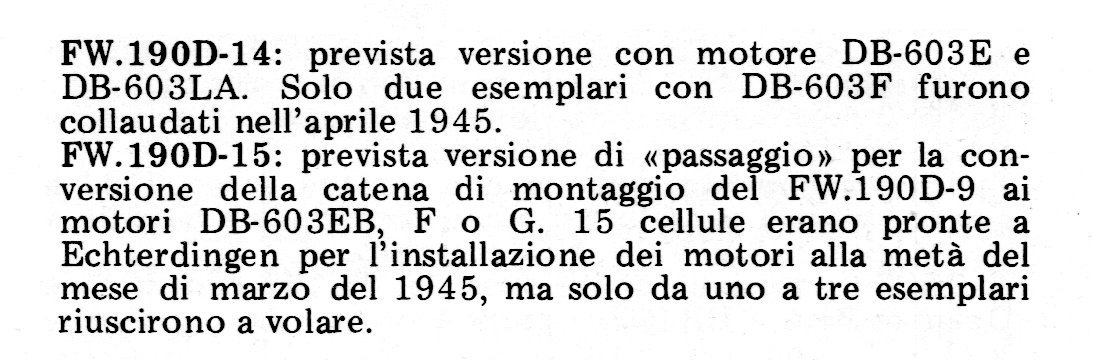
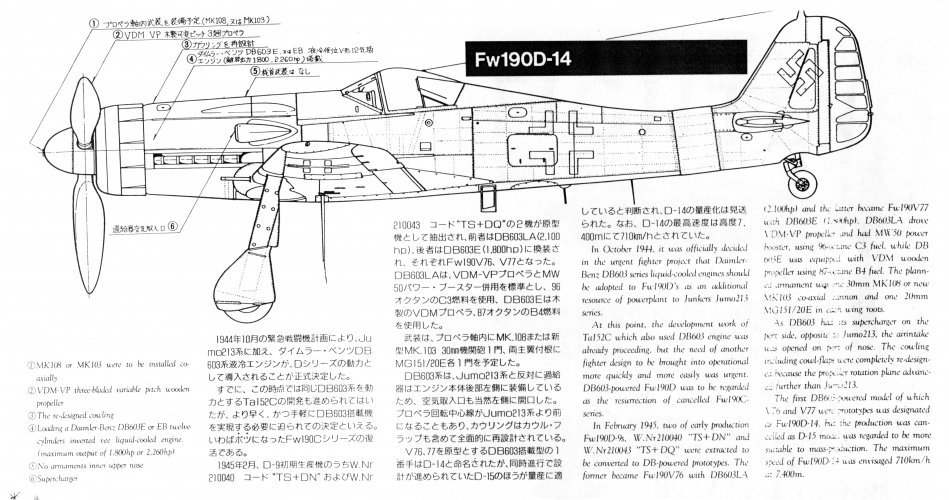
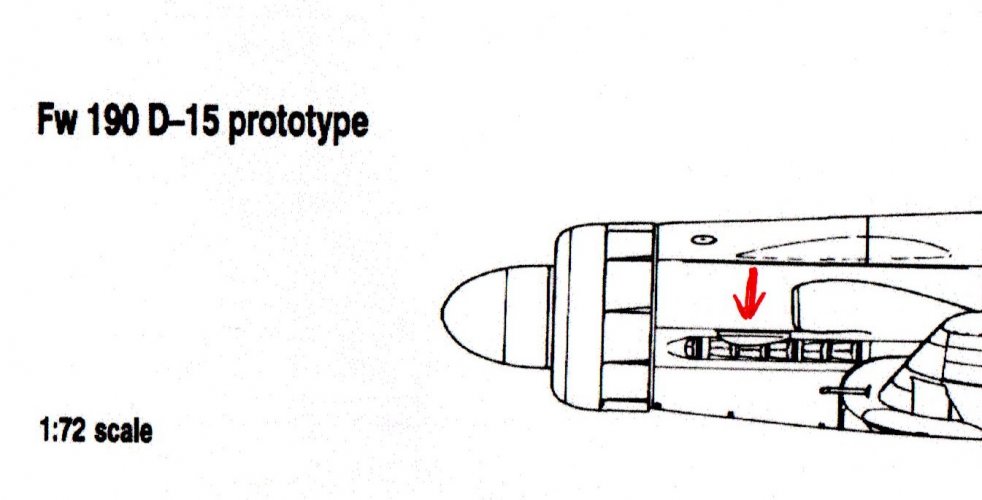
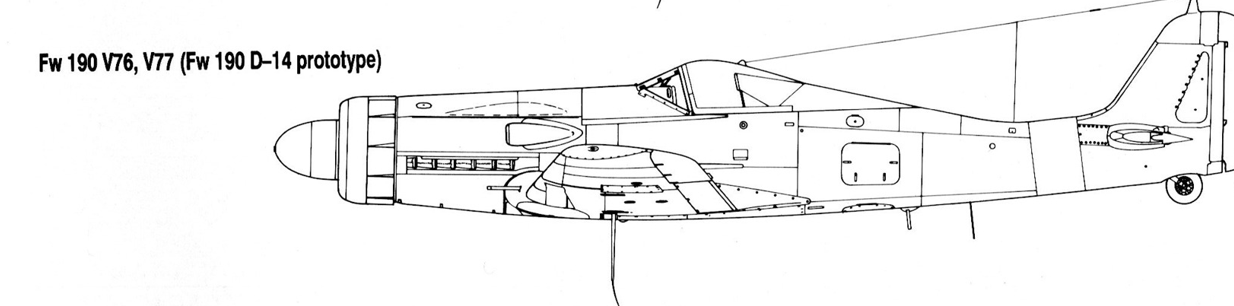
I can't read Japanese but your sideview drawing mentions the DB 603E, DB 603EB, and DB 603LA. Justo's clippings also mention planned use of DB 603F (type unspecified) and DB 603G for the Fw 190D-15.
 
Although the caption reads Fw 90D-14 :confused:
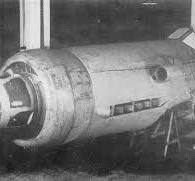
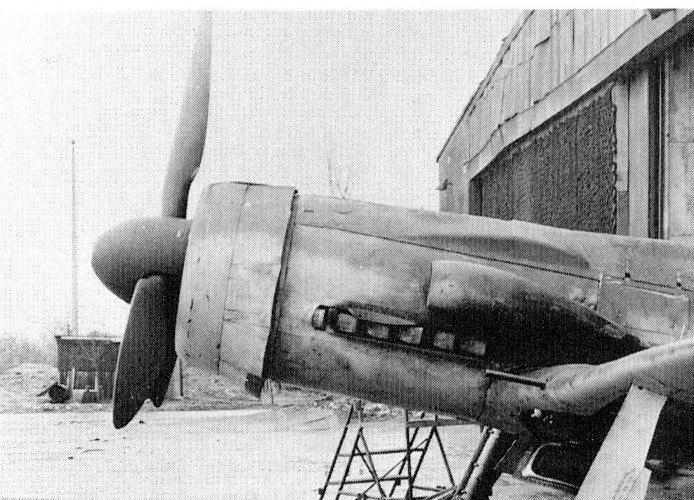
That's true, but the prototypes were continually being modified by adding new parts, this photo could even be a Ta-152 V6, the only difference is the fairing of the air intake carburetor and a small aerodynamic lip located above the exhaust.
 

Attachments

  • 956.jpg
    956.jpg
    791.2 KB · Views: 97
  • 957.jpg
    957.jpg
    89.3 KB · Views: 92
Last edited:
That's true, but the prototypes were continually being modified by adding new parts, this photo could even be a Ta-152 V6, the only difference is the fairing of the air intake carburetor and a small aerodynamic lip located above the exhaust.

Yes, the Fw 190D-15 was to receive the complete Ta 152C nose (and tail). But, to clarify, when you say "the only difference" are you referring strictly to that nose?

Or is the implication that the Fw 190D-15 would also receive the Ta 152's new wing centre section and more forward wing placement?
 
There is too much contradictory information, your problem is that there are so many people writing "The Definitive Book on Langnasen" that the information does not circulate normally.

I'm sorry I can't help more.
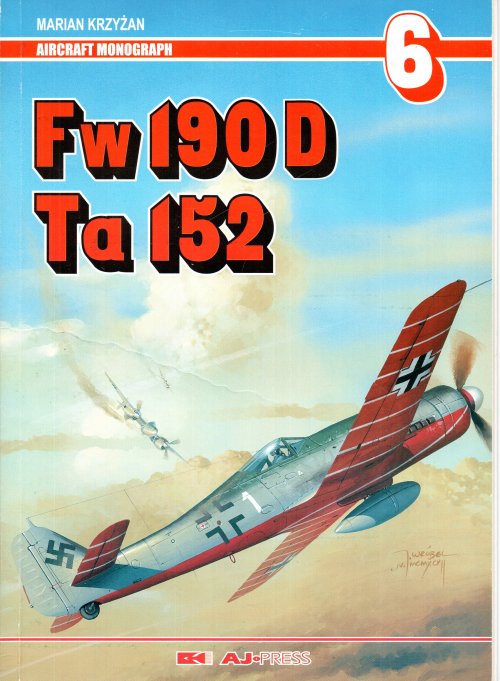
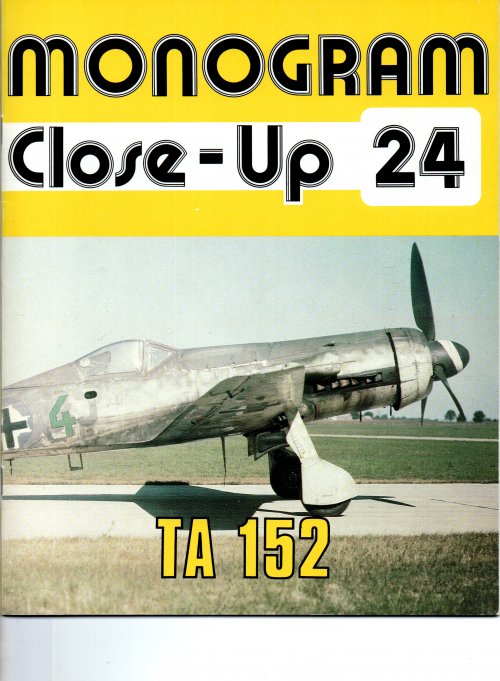
from what book is that the images !
also thank you a lot of there info !
 
Last edited:
That's true, but the prototypes were continually being modified by adding new parts, this photo could even be a Ta-152 V6, the only difference is the fairing of the air intake carburetor and a small aerodynamic lip located above the exhaust.
Foto 956 I think is more likely a Ta 152. The taper of its lower engine cowling is less pronounced and the wing root gun muzzle is about at the position of the last exhaust stack. The D-15 gun muzzle is further forward at the position of the 5th exhaust stack.
 
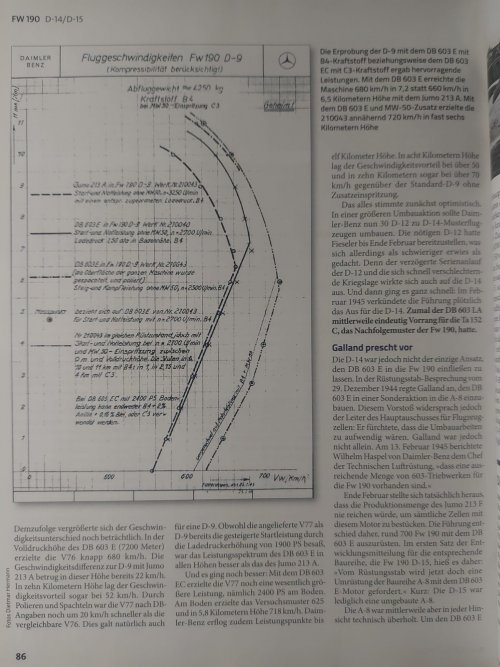
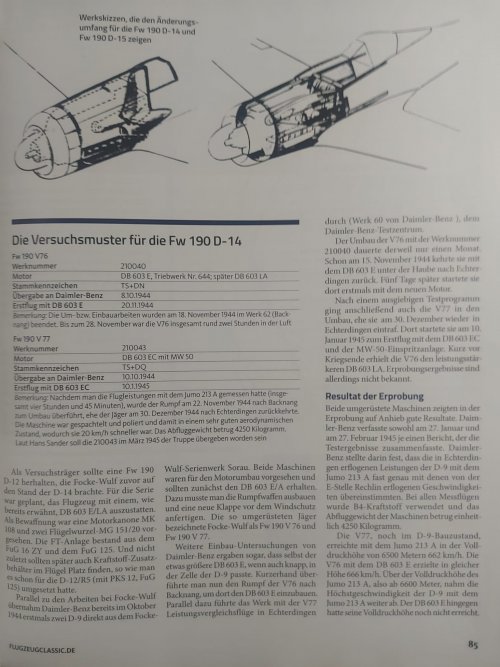
Both the V76 (Werknummer 210040) and V77 (Werknummer 210043) were Versuchsmuster (trial aircraft), converted Fw 190 D-9s.

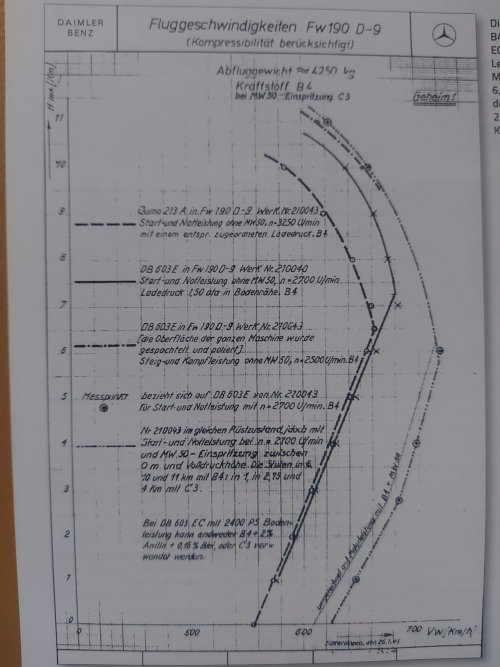
In this chart you see can test results.
From top to bottom:
1. line is V77 with Jumo 213A without MW 50, reaching 662 km/h at 6.5 km fph
2. line is V76 with DB 603E without MW 50,
reaching 680 kmh at 7.2 km fph
3. line is V77 with DB 603E, puttied and polished airframe (a practice intended to put into series production) gaining about 20 km/h compared to V76
4. line is V77 with DB 603EC and MW 50 producing 2400 PS at sea level, reaching 625 km/h at SL, 718 km/h at 5.8 km WhatsApp Image 2026-06-04 at 22.02.22.jpeg
 
Last edited:
Both the V76 (Werknummer 210040) and V77 (Werknummer 210043) were Versuchsmuster (trial aircraft), converted Fw 190 D-9s.

In this chart you see can test results.
From top to bottom:
1. line is V77 with Jumo 213A without MW 50, reaching 662 km/h at 6.5 km fph
2. line is V76 with DB 603E without MW 50,
reaching 680 kmh at 7.2 km fph
3. line is V77 with DB 603E, puttied and polished airframe (a practice intended to put into series production) gaining about 20 km/h compared to V76
4. line is V77 with DB 603EC and MW 50 producing 2400 PS at sea level, reaching 625 km/h at SL, 718 km/h at 5.8 kmView attachment 814497
am confused why most books say it's Fw 190 D-14 then?
look at the art it look the same from the front
so many books say it's fw 190 D-14 and yes the D-14 is rebuilt like you said from D-9 air frame

look at the Ta 152 look different s in image number 3
1780626501504.png
 

Attachments

  • e9bf1ce7e5ff65e5557e3fd9dcb9731847d9a79c.jpeg
    e9bf1ce7e5ff65e5557e3fd9dcb9731847d9a79c.jpeg
    88.6 KB · Views: 23
  • Ta 152.jpg
    Ta 152.jpg
    791.2 KB · Views: 25
am confused why most books say it's Fw 190 D-14 then?
look at the art it look the same from the front
so many books say it's fw 190 D-14 and yes the D-14 is rebuilt like you said from D-9 air frame

look at the Ta 152 look different s in image number 3
View attachment 814515

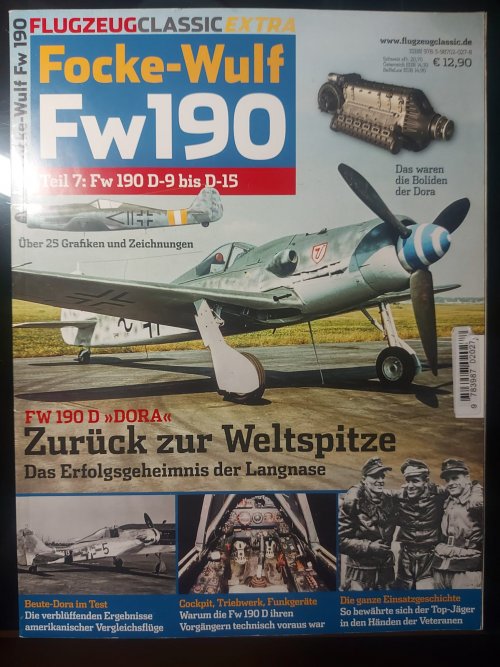
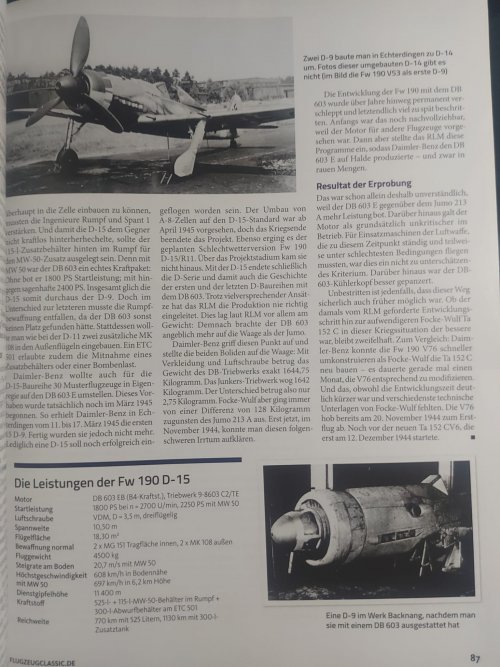
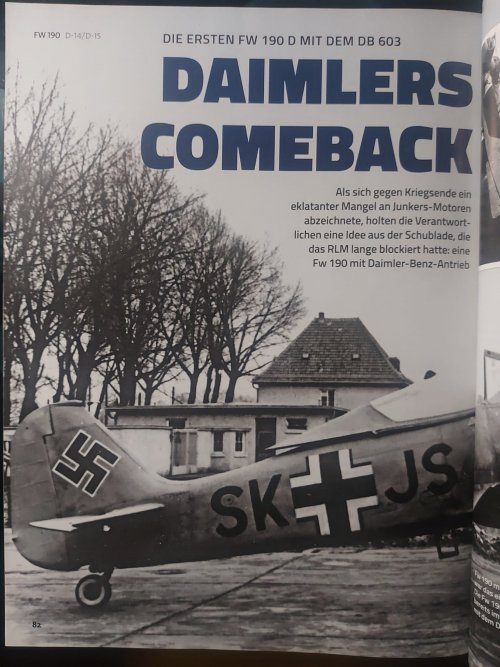
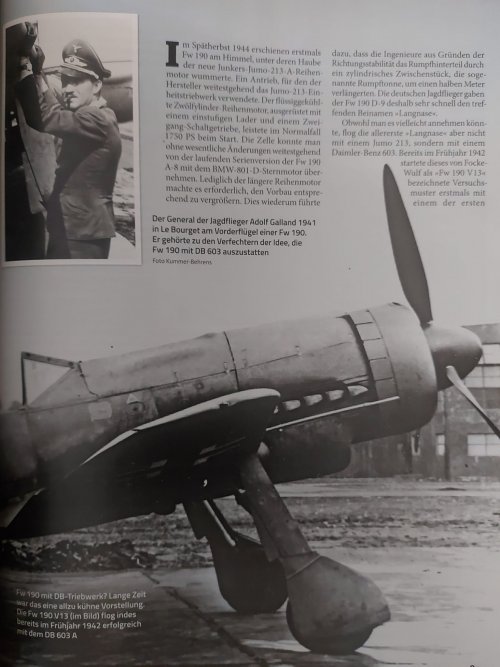
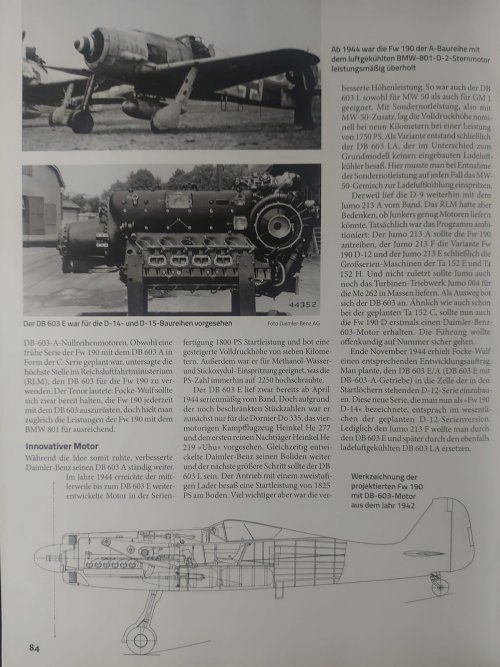
From the publication Flugzeug Classic EXTRA Nummer 19 (2023)
Image 4: In 1944 Focke Wulf was assigned to implement the DB 603E/A (DB 603E withDB 603A-gearbox) into the soon-to-start D-12 production. This was designated as the Fw 190D-14 which largley corresponded to the D-12.
Image 5: Parallel to this Daimler-Benz had begun to convert D-9s into the V76 and V77 in October 1944.

So one should the test results with a grain of salt as it could well be that DB "fudged" favorable results for machines powered by their in-house engines, especially given the fact that there were original documents which state that the Jumo 213, while producing a lower power output than the DB 603, gave nevertheless greater propulsion because of its higher exhaust thrust.
 

Attachments

  • 1.jpeg
    1.jpeg
    340.1 KB · Views: 23
  • 2.jpeg
    2.jpeg
    275.4 KB · Views: 21
  • 3.jpeg
    3.jpeg
    205.1 KB · Views: 20
  • 4.jpeg
    4.jpeg
    361.2 KB · Views: 20
  • 5.jpeg
    5.jpeg
    339.4 KB · Views: 20
  • 6.jpeg
    6.jpeg
    363.1 KB · Views: 22
  • 7.jpeg
    7.jpeg
    384.6 KB · Views: 20

Similar threads

Back
Top Bottom