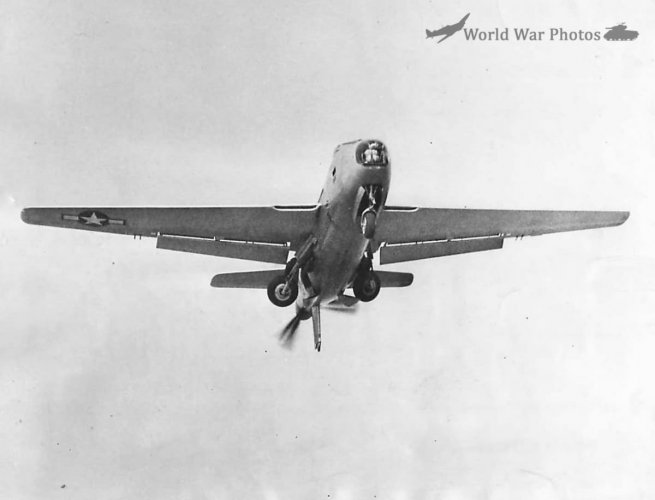
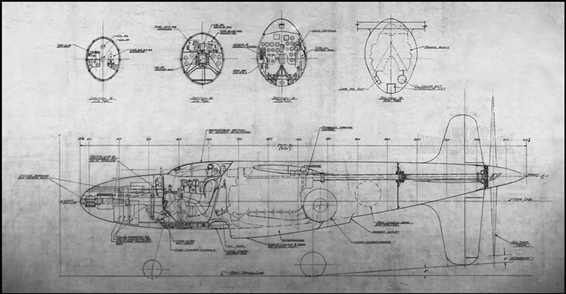
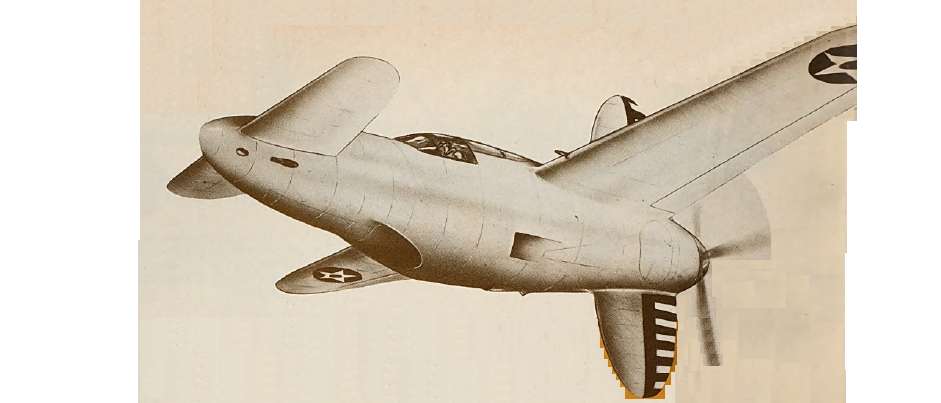
In April 1939, the USAAC Materiel Division issued the Circular Proposal CP39-13 calling for a small light fighter with 115 sq. ft (10.35 m) wing area, 400 mph (644 km/h) top speed, 4,900 lbs. (2,220 kg) max weight and two nose mounted 0.5-in machine guns.
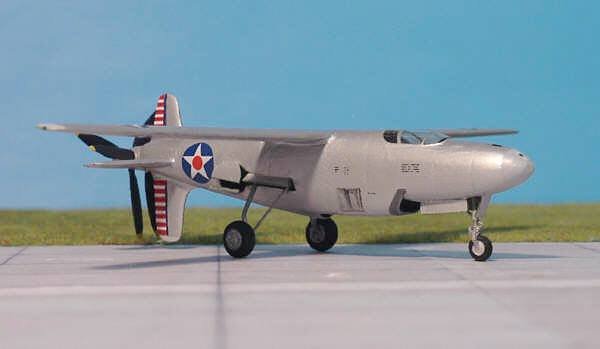
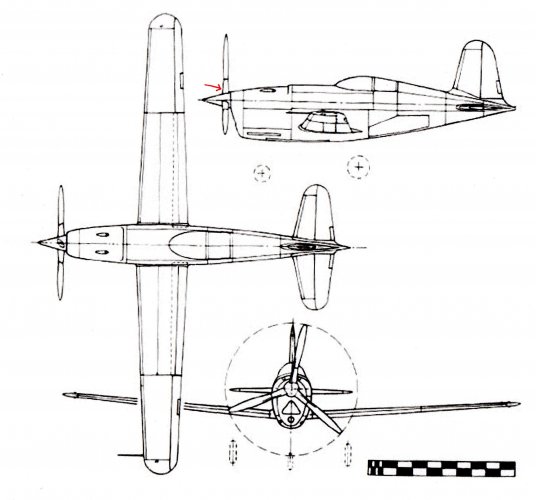
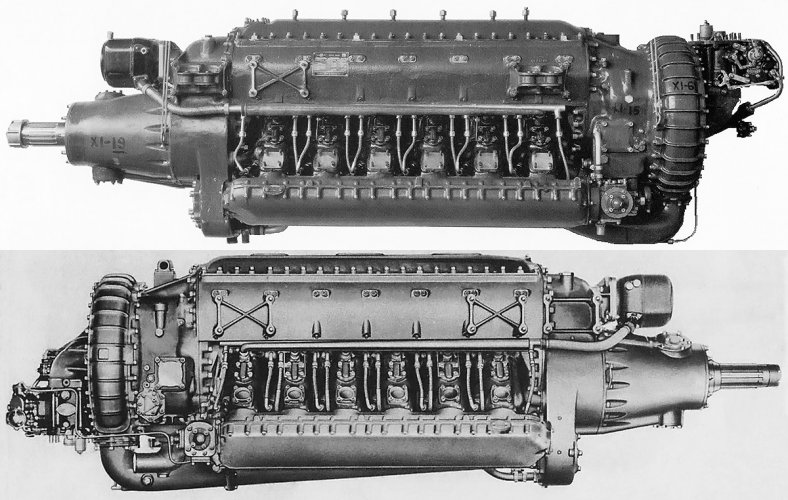
The Douglas Model 312 (July 24, 1939) proposal was powered by one 525 hp Ranger SGV-770-135, air cooled, inverted V-12 engine fitted with a two-speed, direct-drive supercharger Szyslowski-Planiol.
The choice of the Ranger avoided competition with the Curtiss XP-46 and Republic XP-47 projects based on the XC-616 specification.
The Ranger had half the power of an Allison V-1719 but was 73 per cent shorter and 55 per cent lighter, not counting the extra weight of the Allison cooling system.
To compensate for the difference in power, Douglas proposed using a new type of wing with aspect ratio 11, based on studies on laminar airfoils 6-series published by NACA.
Douglas estimated that the drag reduction obtained could achieve a top speed of 350 mph (563 km/h) at 18,000 ft.
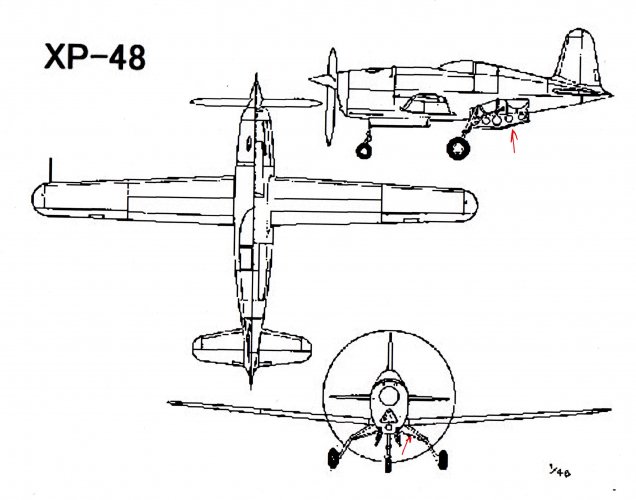
To be effective, the wing would have to have an extraordinarily smooth surface, which was quite difficult to achieve with the technology of the time, and it was necessary to mount the undercarriage and armament on the fuselage to avoid disturbing the wing surface.
On August 5, 1939, USAAC studied the Model 312 proposal and ordered the XP-48 prototype, to prove the concept.
Douglas Model 312 (first configuration) technical data
Wingspan: 32 ft (9.75 m), length: 21 ft (6.62 m), height: 9 ft (2.74 m), wing area: 92 sq. ft. (8.54 sq. m), empty weight: 2,675 lbs. (1,213 kg), max weight: 3,400 lbs. (1,542 kg), max speed: 350 mph (563 km/h), wing load: 32 lbs./sq. ft., armament: two nose mounted, synchronized machine guns (1 x 0.3-in + 1 x 0.5-in), power plant: one 525 hp Ranger SGV-770-135, air cooled, inverted V-12 engine fitted with a two-speed, direct-drive supercharger Szyslowski-Planiol driving a three bladed Hamilton Standard Hydromatic cuffed propeller with 2,793 mm of diameter.
After studying the performance reports of the new German bombers used in Spain, the USAAC modified XC-616 Specification to include new requirements.
The new Specification XC-619, issued on August 7, 1939, required the installation of additional wing mounted machine guns, 35 kg armor for the pilot, self-sealing fuel tanks, 6,150 lbs. max weight, 410 mph max speed and 3,000 ft/min climb rate.
To participate in the competition, Douglas proposed using a Ranger V-770-D with Type A turbosupercharger and 4 x 0.5-in machine guns or one Ranger SGV-770 D-4 with superimposed gear box and raised hollow propeller shaft for mounting one 20-mm cannon.
New research by the USAAC revealed that the aerodynamic characteristics of the NACA 6-series laminar airfoils were only valid for the wind tunnel scaled down models tested by Eastman N. Jacobs in June 1939.
The author of the “NACA Preliminary Report on Laminar-Flow Airfoils” warned that these characteristics were not applicable to full-scale models, due to different boundary layer behavior.
USAAC felt that Douglas's promised performances were unfeasible but on October 26, the prototype North American NA-73X flew out, equipped with a NACA 45-100 high speed/low drag airfoil, beating the Supermarine Spitfire Mk. Vb. Without reaching the aerodynamic perfection that the theory indicated, drag reduction proved to be real.
On November 27, 1939, USAAC issued the fighter competition Request for Data R-40C calling for unorthodox high-speed, single-engine aircraft.
On February 20, 1940, the R-40C requirements were outlined in Type Specification XC-622: max speed between 425 mph (684 km/h) and 525 mph (845 km/h), 20-mm cannons, 3,000 ft. landing run, 20.000 in 7 minutes climb rate and 1.5 hours endurance.
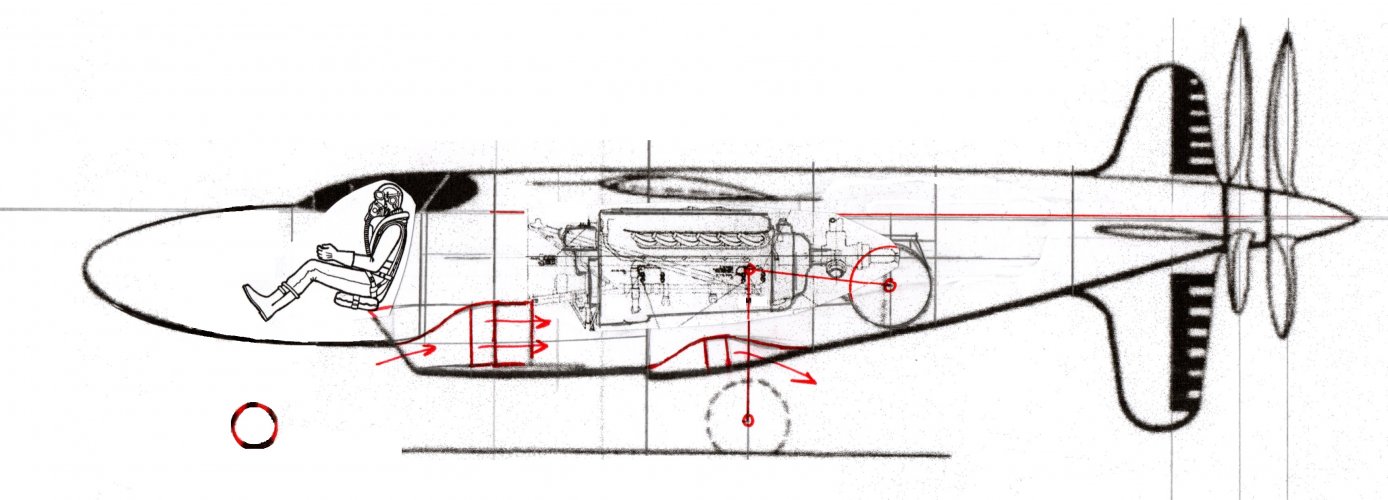
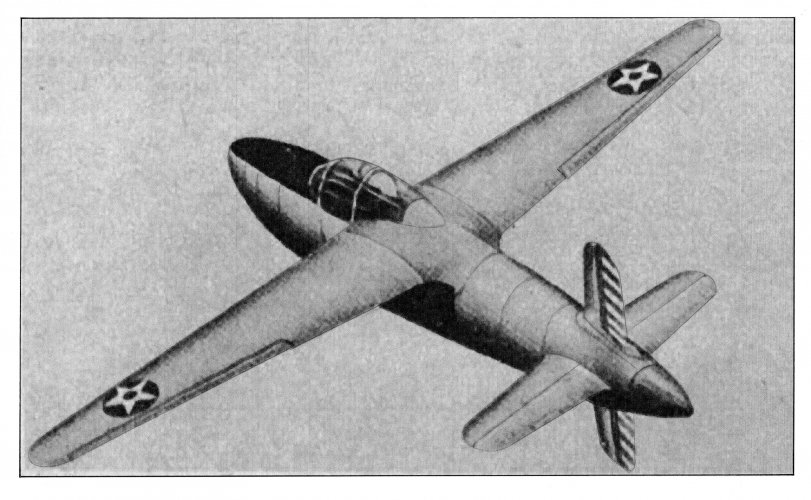
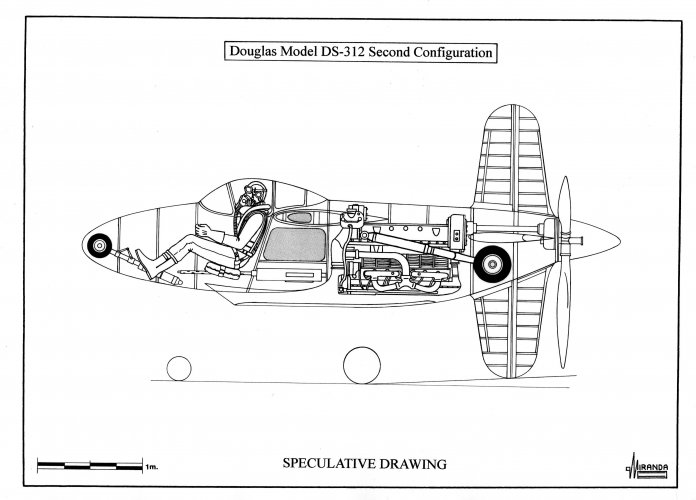
USAAC doubted that the promised speed could be achieved with the new excess weight and Douglas decided to redesign the Model 312 with pusher configuration.
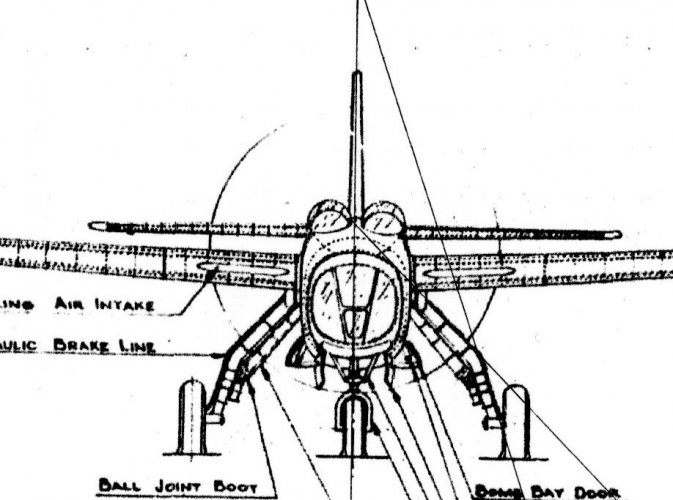
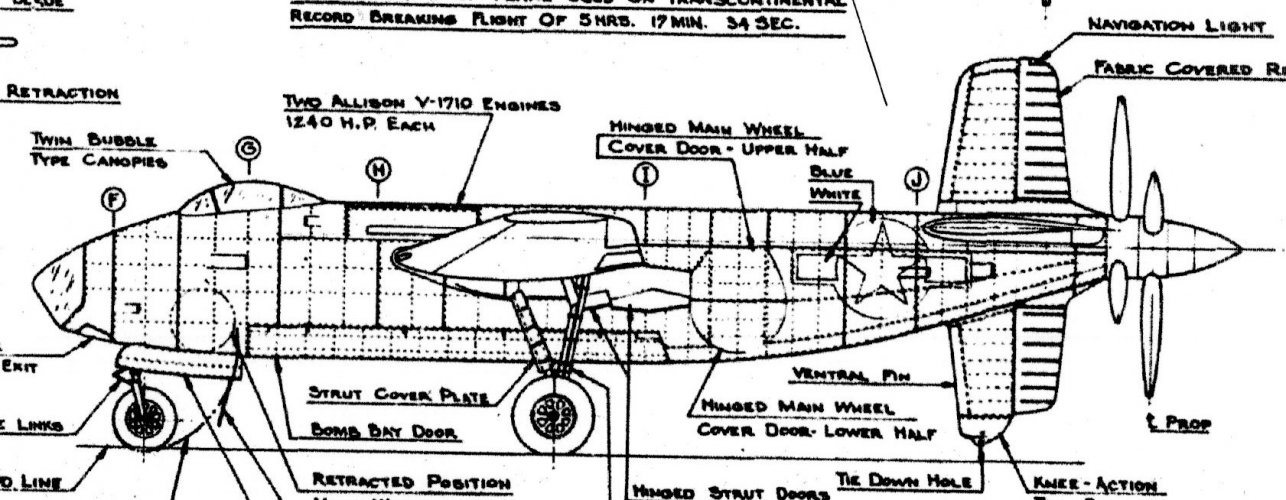
Aerodynamicists had calculated that the elimination of the propeller slipstream drag effects on the fuselage would improve performance. The pusher configuration offered greater speed than conventional designs with the same horsepower, improved longitudinal control, maneuverability, forward visibility and gun mounting.
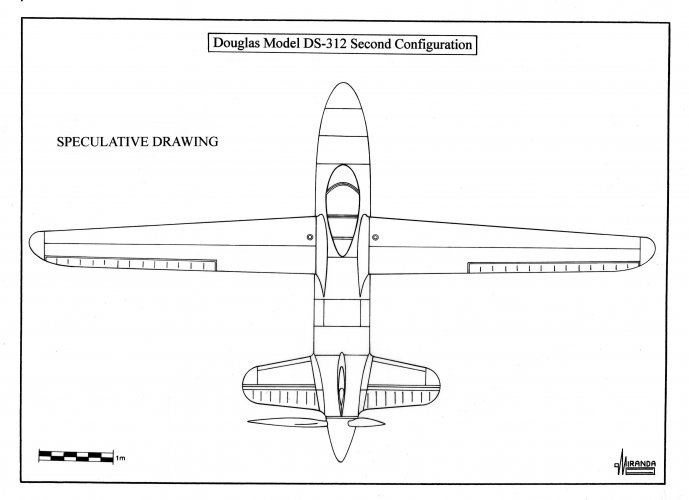
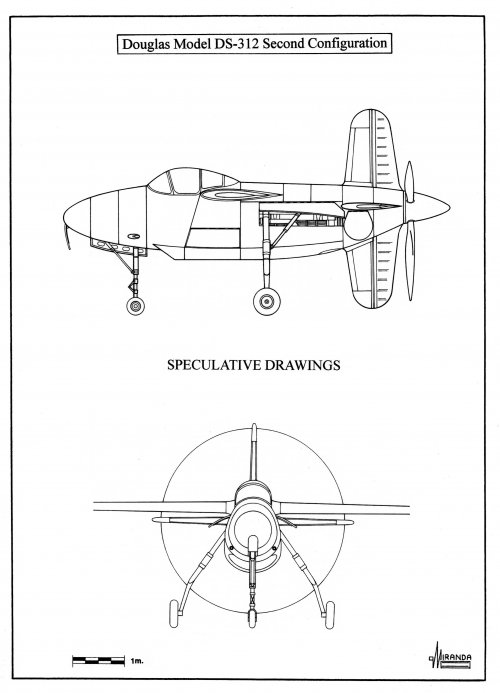
Douglas Model DS-312 (second configuration) technical data
Wingspan: 28 ft (8.54 m), length: 17 ft (5.18 m), height: 9 ft (2.74 m), estimated wing area: 83 sq. ft. (7.46 sq. m), estimated max speed: 425 mph (684 km/h), proposed armament: one nose mounted 20-mm cannon and two synchronized machine guns (1 x 0.3-in + 1 x 0.5-in), proposed power plants: Ranger SGV-770-135, Ranger V-770 D or ranger SGV-770 D-4, driving a three bladed Hamilton Standard Hydromatic pusher propeller with 8 ft (2,440 mm) of diameter.
The bad experiences suffered by the Navy’s Curtiss Seamew floatplane proved that Ranger engines were extremely unreliable, but the Chief of USAAC General Arnold felt that the aerodynamic solutions proposed by Douglas should be incorporated into the requirements of the XC-622 specification.
All the R-40C proposals were studied by the (USAAC) Engineering Evaluation Committee.
On May 15, 1940, the EEC issued the Memorandum Report M-50-421 in which all proposed designs were sorted into three classes:
-Class I, suitable for immediate construction with Allison V-1710 engine and 425 mph.
-Class II, with pusher engines Continental XIV-1430-3, P&W X-1800-A36 or Allison V-1710-G turbo supercharged.
-Class III, depending on the successful completion of the new engines Allison W-3420, Wright R-2160-3, Lycoming XH-2470-1, P&W H-3130, P&W H-3730 and P&W R-2800-23.
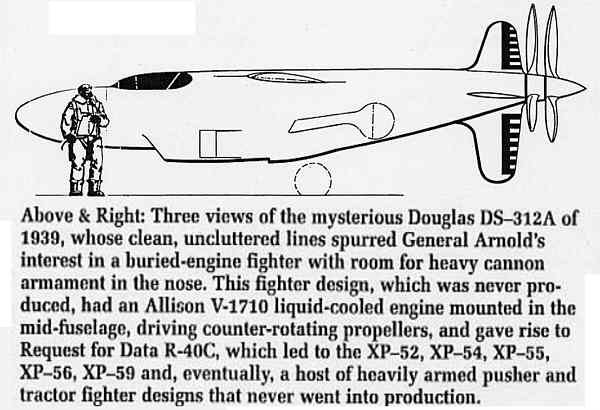
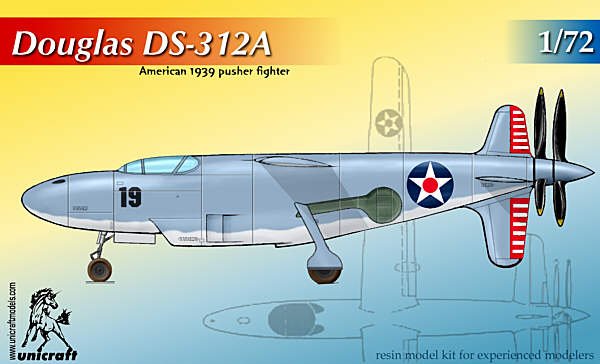
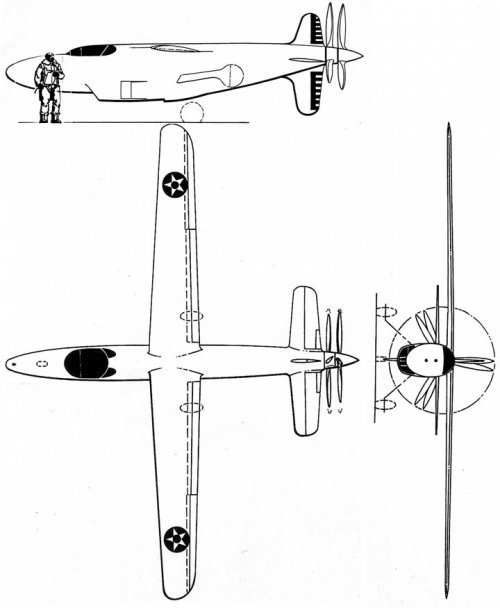
To meet the requirements of Type Specification XC-622- Class II, Douglas proposed Model DS 312 A, a 60 per cent scaled up DS 312 powered by an Allison V-1710-G turbo supercharged (1,700 hp) or one Continental XIV-1430-3 rated at 1,600 hp driving contra-rotating pusher propellers with 2,886 mm of diameter.
The delay in the development of the Continental XIV-1430-3 and P&W X-1800-A36 engines forced the USAAC to cancel all Class II projects: Bell Model 13, Curtiss XP-53, Douglas DS 312A, Mc Donnel Model I and Republic AP-12.
Only a few prototypes were allowed to be built to study the behavior of their pusher configurations.
The Curtiss XP-55 prototype flew powered by an Allison V-1710-95, the Northrop XP-56 with a P&W R-2800-29 and the Vultee XP-54 with a Lycoming XH-2470-1.
Douglas Model DS-312 A (third configuration) technical data
Wingspan: 43 ft (13 m), length: 32 ft (9.37 m), height: 3.15 m, estimated max speed: 525 mph (845 km/h), proposed armament: one nose mounted 20-mm cannon and two synchronized machine guns (1 x 0.3-in + 1 x 0.5-in), proposed power plants: one Allison V-1710-G turbo supercharged (1,700 hp) or one Continental XIV-1430-3 rated at 1,600 hp driving contra-rotating pusher propellers with 2,886 mm of diameter.
The Douglas Model 312 (July 24, 1939) proposal was powered by one 525 hp Ranger SGV-770-135, air cooled, inverted V-12 engine fitted with a two-speed, direct-drive supercharger Szyslowski-Planiol.
The choice of the Ranger avoided competition with the Curtiss XP-46 and Republic XP-47 projects based on the XC-616 specification.
The Ranger had half the power of an Allison V-1719 but was 73 per cent shorter and 55 per cent lighter, not counting the extra weight of the Allison cooling system.
To compensate for the difference in power, Douglas proposed using a new type of wing with aspect ratio 11, based on studies on laminar airfoils 6-series published by NACA.
Douglas estimated that the drag reduction obtained could achieve a top speed of 350 mph (563 km/h) at 18,000 ft.
To be effective, the wing would have to have an extraordinarily smooth surface, which was quite difficult to achieve with the technology of the time, and it was necessary to mount the undercarriage and armament on the fuselage to avoid disturbing the wing surface.
On August 5, 1939, USAAC studied the Model 312 proposal and ordered the XP-48 prototype, to prove the concept.
Douglas Model 312 (first configuration) technical data
Wingspan: 32 ft (9.75 m), length: 21 ft (6.62 m), height: 9 ft (2.74 m), wing area: 92 sq. ft. (8.54 sq. m), empty weight: 2,675 lbs. (1,213 kg), max weight: 3,400 lbs. (1,542 kg), max speed: 350 mph (563 km/h), wing load: 32 lbs./sq. ft., armament: two nose mounted, synchronized machine guns (1 x 0.3-in + 1 x 0.5-in), power plant: one 525 hp Ranger SGV-770-135, air cooled, inverted V-12 engine fitted with a two-speed, direct-drive supercharger Szyslowski-Planiol driving a three bladed Hamilton Standard Hydromatic cuffed propeller with 2,793 mm of diameter.
After studying the performance reports of the new German bombers used in Spain, the USAAC modified XC-616 Specification to include new requirements.
The new Specification XC-619, issued on August 7, 1939, required the installation of additional wing mounted machine guns, 35 kg armor for the pilot, self-sealing fuel tanks, 6,150 lbs. max weight, 410 mph max speed and 3,000 ft/min climb rate.
To participate in the competition, Douglas proposed using a Ranger V-770-D with Type A turbosupercharger and 4 x 0.5-in machine guns or one Ranger SGV-770 D-4 with superimposed gear box and raised hollow propeller shaft for mounting one 20-mm cannon.
New research by the USAAC revealed that the aerodynamic characteristics of the NACA 6-series laminar airfoils were only valid for the wind tunnel scaled down models tested by Eastman N. Jacobs in June 1939.
The author of the “NACA Preliminary Report on Laminar-Flow Airfoils” warned that these characteristics were not applicable to full-scale models, due to different boundary layer behavior.
USAAC felt that Douglas's promised performances were unfeasible but on October 26, the prototype North American NA-73X flew out, equipped with a NACA 45-100 high speed/low drag airfoil, beating the Supermarine Spitfire Mk. Vb. Without reaching the aerodynamic perfection that the theory indicated, drag reduction proved to be real.
On November 27, 1939, USAAC issued the fighter competition Request for Data R-40C calling for unorthodox high-speed, single-engine aircraft.
On February 20, 1940, the R-40C requirements were outlined in Type Specification XC-622: max speed between 425 mph (684 km/h) and 525 mph (845 km/h), 20-mm cannons, 3,000 ft. landing run, 20.000 in 7 minutes climb rate and 1.5 hours endurance.
USAAC doubted that the promised speed could be achieved with the new excess weight and Douglas decided to redesign the Model 312 with pusher configuration.
Aerodynamicists had calculated that the elimination of the propeller slipstream drag effects on the fuselage would improve performance. The pusher configuration offered greater speed than conventional designs with the same horsepower, improved longitudinal control, maneuverability, forward visibility and gun mounting.
Douglas Model DS-312 (second configuration) technical data
Wingspan: 28 ft (8.54 m), length: 17 ft (5.18 m), height: 9 ft (2.74 m), estimated wing area: 83 sq. ft. (7.46 sq. m), estimated max speed: 425 mph (684 km/h), proposed armament: one nose mounted 20-mm cannon and two synchronized machine guns (1 x 0.3-in + 1 x 0.5-in), proposed power plants: Ranger SGV-770-135, Ranger V-770 D or ranger SGV-770 D-4, driving a three bladed Hamilton Standard Hydromatic pusher propeller with 8 ft (2,440 mm) of diameter.
The bad experiences suffered by the Navy’s Curtiss Seamew floatplane proved that Ranger engines were extremely unreliable, but the Chief of USAAC General Arnold felt that the aerodynamic solutions proposed by Douglas should be incorporated into the requirements of the XC-622 specification.
All the R-40C proposals were studied by the (USAAC) Engineering Evaluation Committee.
On May 15, 1940, the EEC issued the Memorandum Report M-50-421 in which all proposed designs were sorted into three classes:
-Class I, suitable for immediate construction with Allison V-1710 engine and 425 mph.
-Class II, with pusher engines Continental XIV-1430-3, P&W X-1800-A36 or Allison V-1710-G turbo supercharged.
-Class III, depending on the successful completion of the new engines Allison W-3420, Wright R-2160-3, Lycoming XH-2470-1, P&W H-3130, P&W H-3730 and P&W R-2800-23.
To meet the requirements of Type Specification XC-622- Class II, Douglas proposed Model DS 312 A, a 60 per cent scaled up DS 312 powered by an Allison V-1710-G turbo supercharged (1,700 hp) or one Continental XIV-1430-3 rated at 1,600 hp driving contra-rotating pusher propellers with 2,886 mm of diameter.
The delay in the development of the Continental XIV-1430-3 and P&W X-1800-A36 engines forced the USAAC to cancel all Class II projects: Bell Model 13, Curtiss XP-53, Douglas DS 312A, Mc Donnel Model I and Republic AP-12.
Only a few prototypes were allowed to be built to study the behavior of their pusher configurations.
The Curtiss XP-55 prototype flew powered by an Allison V-1710-95, the Northrop XP-56 with a P&W R-2800-29 and the Vultee XP-54 with a Lycoming XH-2470-1.
Douglas Model DS-312 A (third configuration) technical data
Wingspan: 43 ft (13 m), length: 32 ft (9.37 m), height: 3.15 m, estimated max speed: 525 mph (845 km/h), proposed armament: one nose mounted 20-mm cannon and two synchronized machine guns (1 x 0.3-in + 1 x 0.5-in), proposed power plants: one Allison V-1710-G turbo supercharged (1,700 hp) or one Continental XIV-1430-3 rated at 1,600 hp driving contra-rotating pusher propellers with 2,886 mm of diameter.
Attachments
Last edited: