
Does anyone know of RCS data on faceted IRST/EOTS windows?

I enjoy discussing military aviation on Korean internet communities, and recently I have been debating a rather specific topic concerning the possible KF-21 Block III.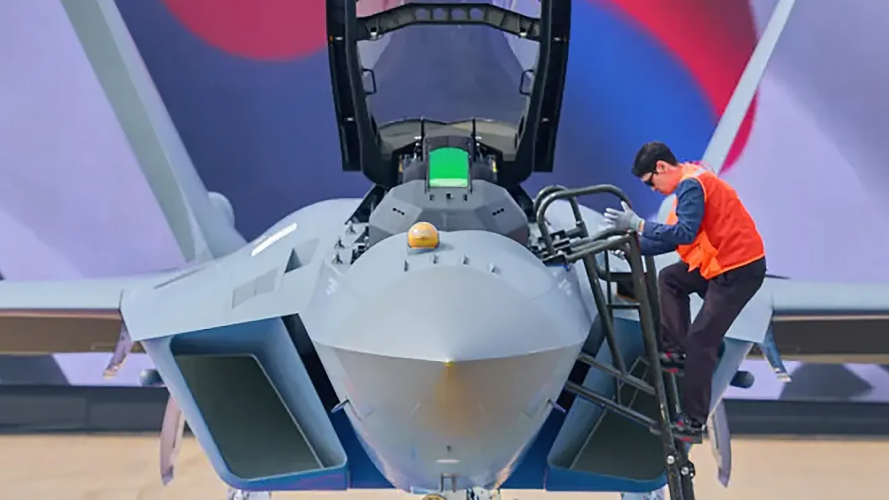

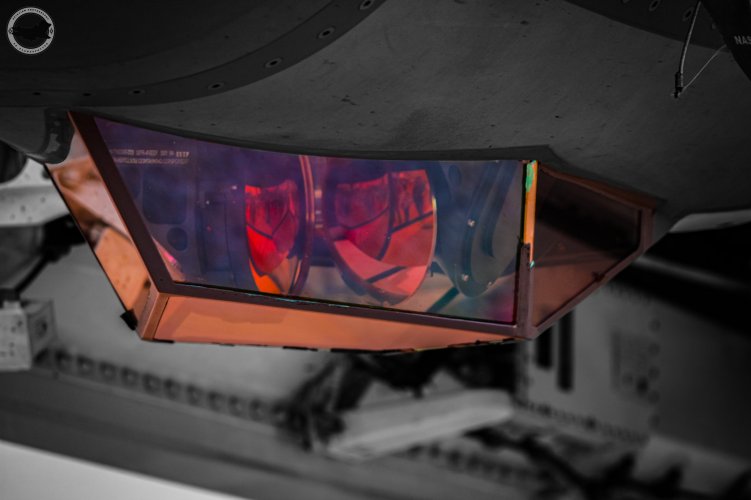
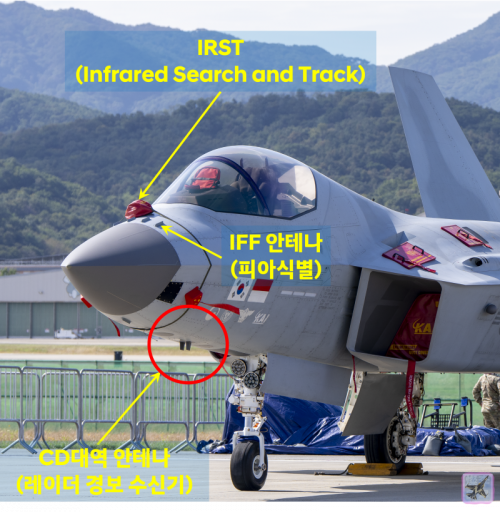
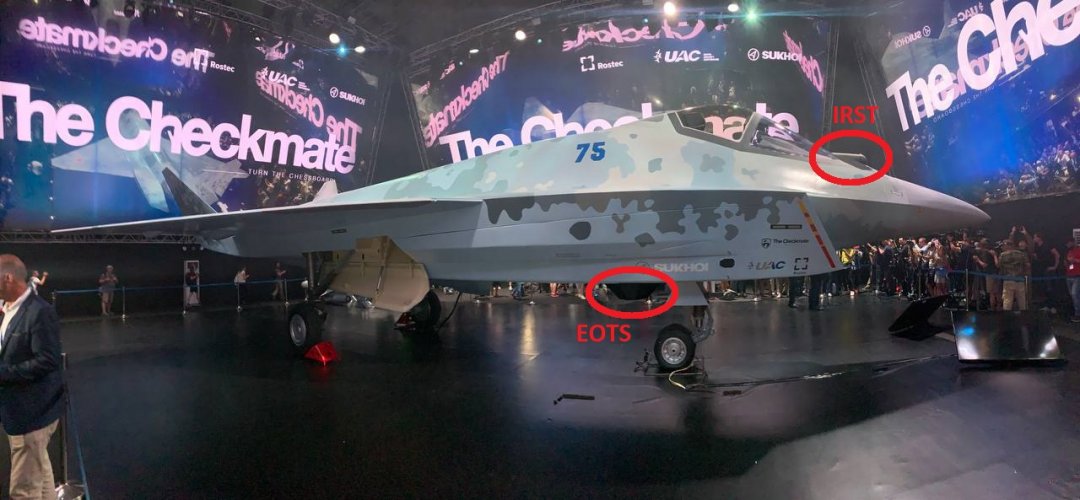
One question that came up is whether a configuration like the Su-75, with a dome-shaped IRST window and a faceted EOTS window, would be a reasonable compromise, or whether the IRST should also be changed to a faceted window, as seen on the F-35, J-20, J-35, and KAAN.
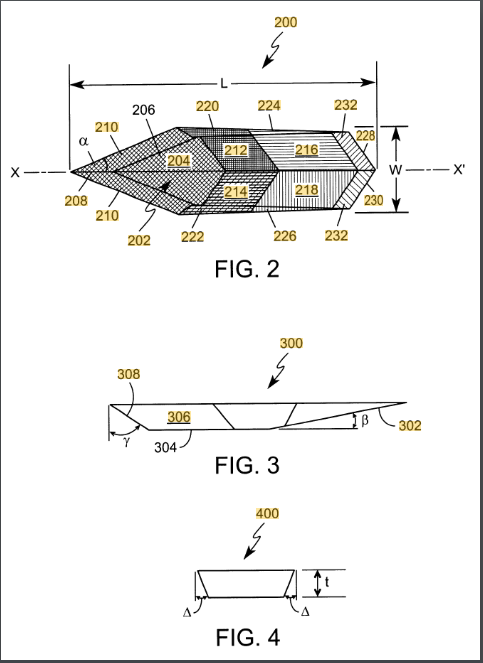
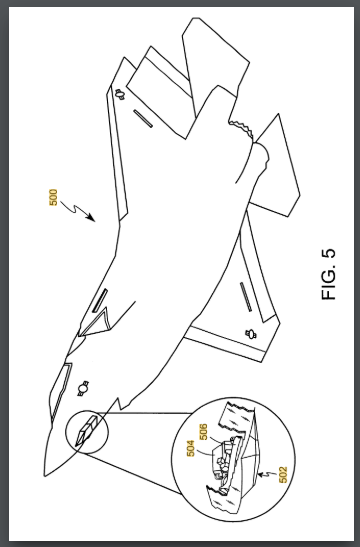
While looking into this, I became curious about the radar-signature aspect of the window. I have found quite a few papers and patents discussing low-RCS, conformal, segmented, or faceted optical windows, but surprisingly little that gives a clear quantitative comparison.
Some older work discusses multi-segment optical windows and reduced RCS, while later designs also mention conductive coatings and other methods of managing the radar signature. However, I have not had much luck finding data that shows how much difference the shape of the window itself actually makes.
A speculative RCS estimate for the KF-21 Block III
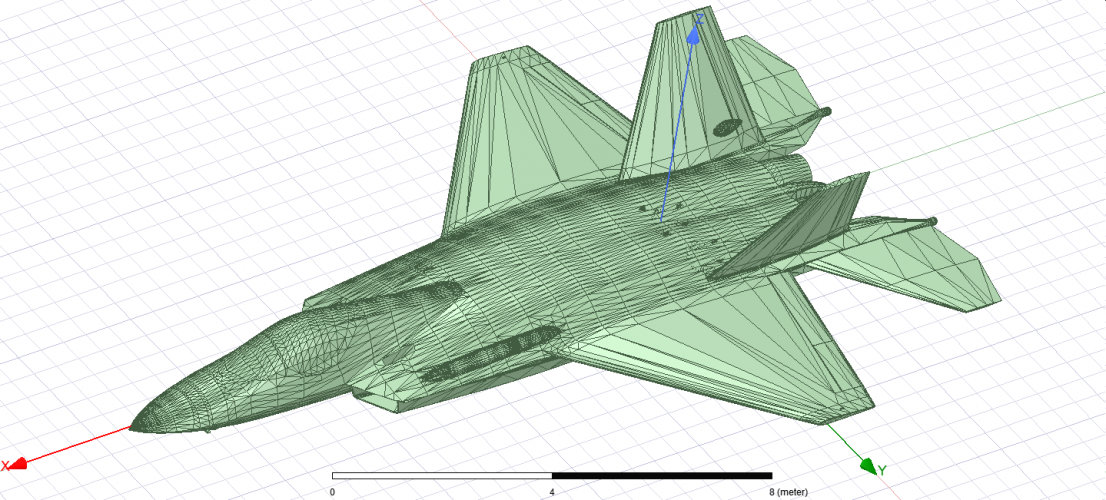
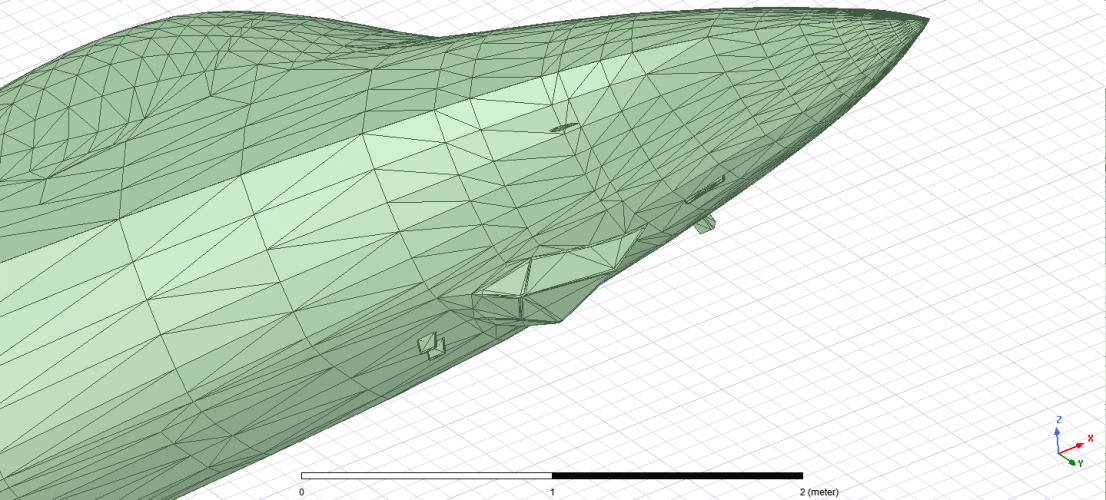
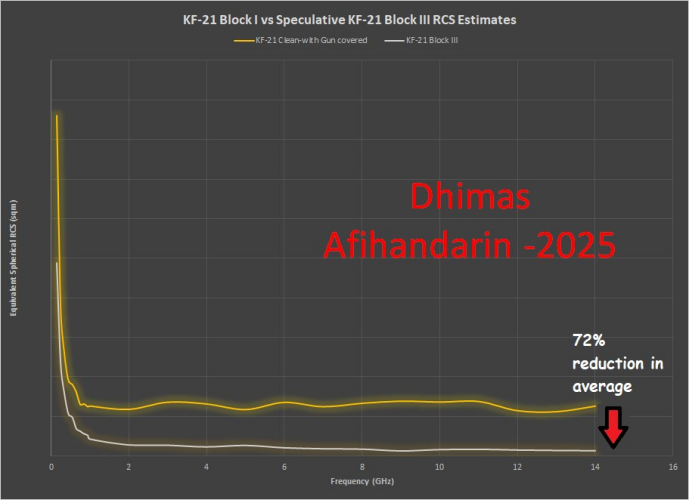
One example I came across is this speculative RCS estimate by Dhimas for a hypothetical KF-21 Block III.
The model included several changes compared with the baseline aircraft:
- reduced grilles and apertures;
- a flat bottom, assuming an internal weapon bay replaces the semi-conformal weapon mounting arrangement;
- a “K-EOTS”, essentially a Korean version of the JSF EOTS, replacing the spherical IRST;
- more extensive RAM treatment, while assuming that most of the tooling and manufacturing techniques from Block I would be retained, so the fuselage would remain metallic but receive additional RAM treatment.
The result is interesting, but it also illustrates the problem I have been running into.
Several major variables are being changed at the same time, so the reduction cannot be attributed to any single feature. The effects of the faceted “K-EOTS,” reduced apertures, the internal weapon bay/flat-bottom configuration, and the additional RAM treatment are all combined in the same model.
The estimate therefore does not tell us how much of the reduction comes specifically from changing the spherical IRST window to a faceted design.
Dhimas also notes that the limitations of the available material data are significant, so this should be treated as a speculative estimate rather than a prediction of the actual Block III RCS.
That is essentially why I started looking for more data on the subject. I would be particularly interested in any studies, simulations, or other technical material related to F-35 EOTS, IRST/FLIR windows, or faceted optical windows in general.
What I am mainly trying to understand is the practical trade-off between keeping a dome-shaped IRST for optical performance and field of regard and using a faceted design for lower radar signature.
In particular, I would be very interested to know whether there are any studies that quantify the RCS difference between different optical-window geometries.
Attachments
Last edited:

