So you are just giving a quick glance and at first you just see a tall tube with engines? Must be a copy then. You aren't making a great case yourself.Sounds like what you're saying is to see the differences you have to give it a lot of thought. You ain't exactly making the case you think you are.

You are using an out of date browser. It may not display this or other websites correctly.
You should upgrade or use an alternative browser.
You should upgrade or use an alternative browser.
Chinese high-speed rotorcraft projects
- Thread starter Deino
- Start date

- Joined
- 3 June 2011
- Messages
- 20,991
- Reaction score
- 19,255
You know I'm right, which is why you're so upset.So you are just giving a quick glance and at first you just see a tall tube with engines? Must be a copy then. You aren't making a great case yourself.
You know I'm right, which is why you're so upset.
As said in past years, in a world where B737 and A320 both exist as unique designs in their own right, we should be taking pride in differences of details rather than dumbing things down.

SUPER=BUG
ACCESS: Top Secret
- Joined
- 25 September 2024
- Messages
- 884
- Reaction score
- 2,426
This might not be the right place to discuss this topic. Maybe a thread about what innovation is could be started in the bar section, but here, it should probably be reserved for the Chinese tiltrotor project.
SUPER=BUG
ACCESS: Top Secret
- Joined
- 25 September 2024
- Messages
- 884
- Reaction score
- 2,426
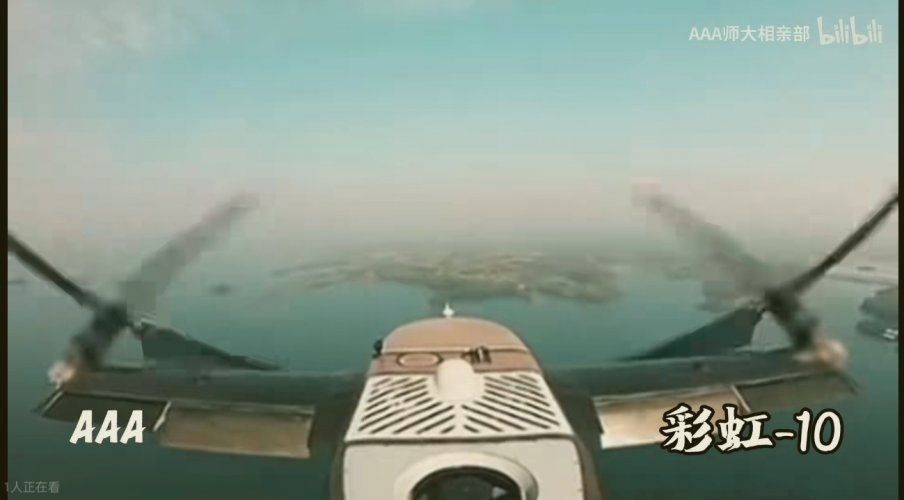
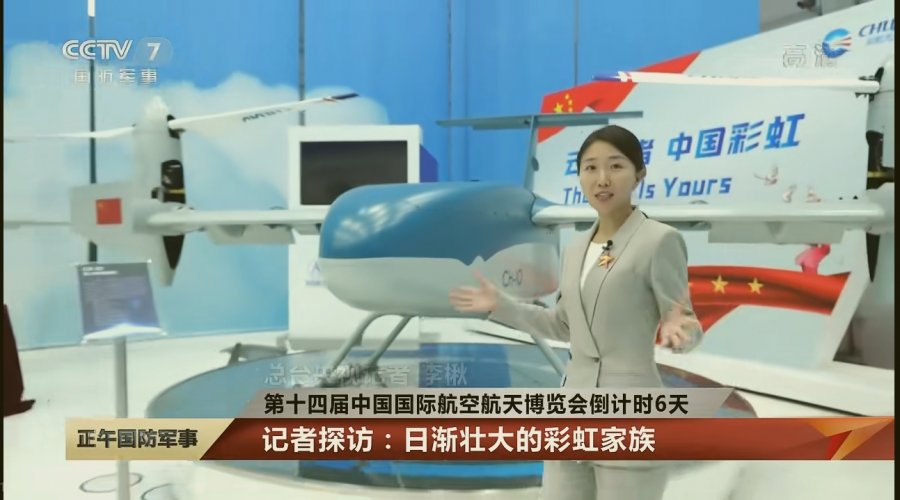
I was looking into issues with Chinese drones and came across a model exhibited in 2018, the CH-10.
It showed footage of it flying at the 2022 airshow.
It's said that the third tiltrotor I posted is actually an improved version of the CH-10, the CH-10A. I'm not sure about this... but...
It showed footage of it flying at the 2022 airshow.
It's said that the third tiltrotor I posted is actually an improved version of the CH-10, the CH-10A. I'm not sure about this... but...
Attachments


Last edited by a moderator:
SUPER=BUG
ACCESS: Top Secret
- Joined
- 25 September 2024
- Messages
- 884
- Reaction score
- 2,426

- Joined
- 11 March 2006
- Messages
- 8,538
- Reaction score
- 5,022
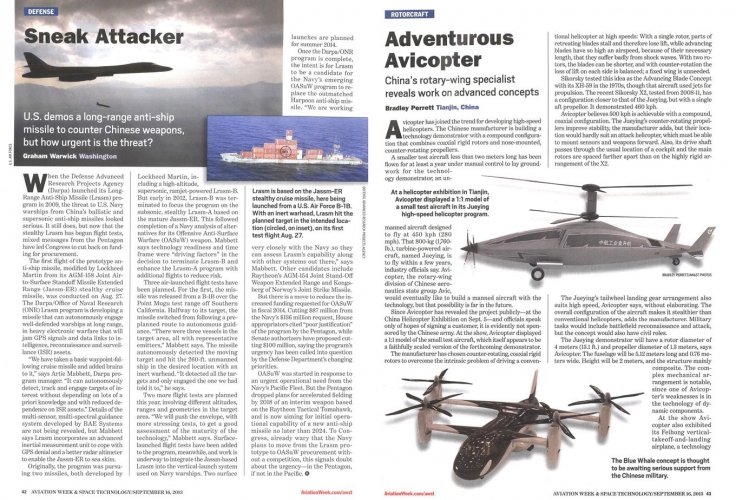
Without having read the mentioned patents, the only obvious difference I can see, is the use of a tail rotor, except maybe that the proportions of the rotor to the fixed wing/canard seems to be inverse here, compared to the X-50A.….something that's covered in the patents I have; can you spot it?

stever_sl
ACCESS: Secret
- Joined
- 31 August 2010
- Messages
- 221
- Reaction score
- 1,451
That's it! The tail rotor seems like a minor thing, but it's the critical clue. The X-50A and all the other CRWs that came out of Boeing had tip-driven rotors so they didn't need an antitorque system. Advantage: Save the weight of a tail rotor or NOTAR. Disadvantages: Where do I begin? Getting the engine exhaust diverted through the fuselage, up the rotor mast, and out through the spinning driveshaft into the blades to start with. The blades had to be thick enough to mount pipes running all the way to the exhaust nozzles at the rotor tips, which meant that they were significantly draggy when stopped for forward flight. But they were also very heavy because that hot gas had to be carried through the airframe and rotor blades by high-temperature alloys, and the rotor blade structures not only had to carry that extra weight but they also had to deal with the heat radiated out of the surfaces of the pipes. By the time all of this got factored into an airframe, the propulsion system losses were crazy high, I mean really shocking, so we needed much bigger engines using much more fuel to lift the same payload and carry it the same distance as we would have if we'd just ditched the reaction-drive rotor and put in a conventional shaft-driven one. We did the comparisons, the savings would have been real, but the program management was strongly tied to the existing concept and so the program came to an abrupt halt without any change being made.Without having read the mentioned patents, the only obvious difference I can see, is the use of a tail rotor, except maybe that the proportions of the rotor to the fixed wing/canard seems to be inverse here, compared to the X-50A.
The Chinese either realized this themselves or just didn't want to be bothered with the engineering to make a reaction-drive rotor work. They have an antitorque rotor and a thin rotor with no tip jets. If only we'd gone down that path ourselves!

- Joined
- 26 May 2006
- Messages
- 38,282
- Reaction score
- 20,422
Attachments
Similar threads
-

-

-

-
-
 British High-Speed Anti-Submarine Aircraft Project of 1958
- Started by hesham
- Replies: 2