https://www.telegraph.co.uk/travel/travel-truths/oldest-passenger-planes-still-service/
Even still, it’s rare to maintain and operate an aircraft as venerable as Nolinor’s 737. According to Airfleets.net, which carries records for 43 models, the only older jets still active are in the hands of cargo firms and air forces. Caspian Airlines, for example, has a 52-year-old 747 (registration: EP-CQB) that once belonged to TWA – but it is used for transporting goods, not people.

Tehran-based Mahan Air has an A300 from 1984, for example, and has the oldest 747s still being used for passenger services (EP-MNB, born in 1989), while Zagros Airlines, also based in Iran, has a McDonnell Douglas MD-80 made in 1985. Little Eastern Airlines (formerly Dynamic Airways), based in Miami, has a 38-year-old 767, registration N605KW.
 
Last edited:
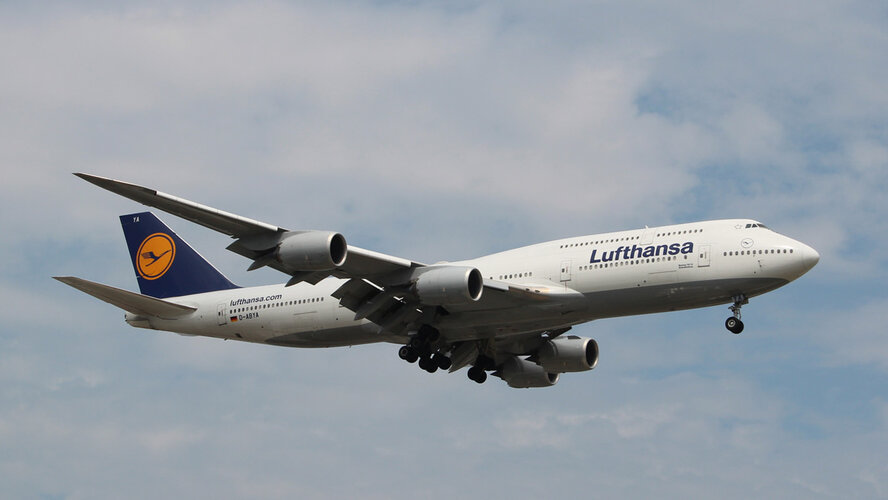
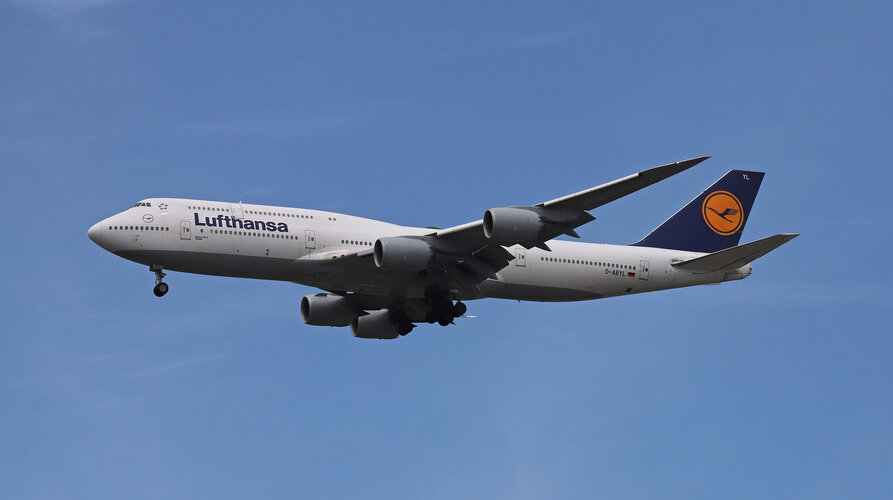
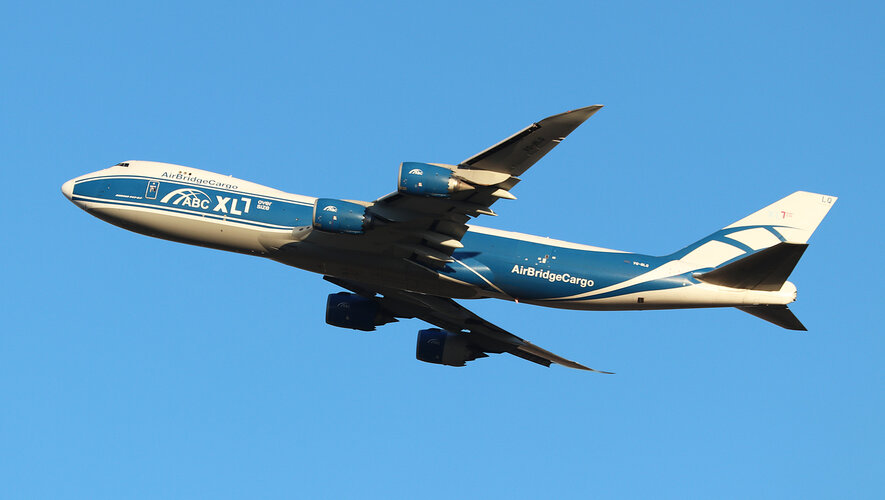
Some -8s - Lufthansa coming into O'Hare in Chicago and the -8F departing DFW. My favorite version of the 747 lineage - the nacelles and wingtips along with the longer fuselage for a fine balance to the eye (well, mine anyway...), especially the -8F.

Enjoy the Day! Mark
 

Attachments

  • zzMG_2418.jpg
    zzMG_2418.jpg
    158.2 KB · Views: 38
  • zMG_4734.jpg
    zMG_4734.jpg
    301 KB · Views: 35
  • MG_111.jpg
    MG_111.jpg
    355.2 KB · Views: 35
One thing he left out that was in the news this week is that the new 777X freighters carry more by weight than the old 747 freighters and have twin engine economics. Since oversized is a small niche it isn’t that much of a pressing problem near term.
 
Last edited by a moderator:
That article…and the book FREE FLIGHT on the demise of the VLJ/air taxi model should be required reading.

Musk, Branson and Bezos are just the polish on the modern aerospace’s guilded age rot.

It is why I support government led efforts in case those three go the way of Howard Hughes. Bezos might get religion, Musk go insane, and Branson? Eesh…
 
After 16 flights and 30 flight hours, a Saudi royal's 747 BBJ sat on the tarmac for ten years. Now it is being scrapped.
https://edition.cnn.com/travel/article/boeing-747-vip-jet-scrapped/index.html
This particular one was intended for the Saudi Arabian government, and specifically for the Crown Prince Sultan bin Abdulaziz Al-Saud, but he died in 2011, just months before the scheduled delivery. The plane, which was assigned a mandatory registration code – N458BJ – first flew in May 2012 for testing, and was officially delivered in June 2012.
...
In 2017, orphaned from its original purpose, the plane went up for sale for $95 million – down from an original list price of around $350 million, according to Diver. It was still empty and advertised as “ready for conversion” in a brochure that can still be found online. But it never sold.

“No one apart from a Saudi head of state is going to want a private, four-engine business jet,” says Richard Aboulafia, an aviation analyst at AeroDynamic Advisory. “You can’t convert just one aircraft to cargo, and nobody wants a passenger version. As a consequence, the parts and especially the engines, are worth far more than the airplane.”
 
Last edited:
Last edited:
I remember at BAE Systems-Mojave I worked on a program called Airborne Vertical Launch (ABVL). We worked with some BAE folks back East. My job was the upper/lower missile bay doors actuation and water ballast subsystems (if required) design and development. Interesting program which unfortunately did not go anywhere. Lots of internal, vertical missile carriage configurations. We also purchased an old 747 aft fuselage section to put a missile launch tube in it for post-missile launch air blast testing at China Lake to make sure the missile would clear the vertical tail after launch, but never got to that point either, another UFO (Un-funded Opportunity). :(
 

Podcast: The Sun Is Setting On The Boeing 747​

https://aviationweek.com/podcasts/check-6/podcast-sun-setting-boeing-747

Aviation Week's resident 747 experts Guy Norris and Jens Flottau discuss why Boeing’s “jumbo jet” still matters and has outlasted predictions made decades ago.

AI-Generated Summary


This episode looks back at the Boeing 747’s legacy, from its “bet the company” origins to its long afterlife as a cargo workhorse. It also includes Jens Flottau discussing his recent jump-seat flight on a Lufthansa 747 to Tokyo, sharing a firsthand account of the aircraft’s cockpit, long-range capability, four-engine redundancy, and continued appeal to pilots. The discussion explains why the jet still has a place in airline fleets, what made the 747-8 different, and why its future is increasingly tied to freight rather than passengers.

The 747’s four-engine configuration, long range, payload, redundancy, and performance on demanding routes are examined alongside the economic importance of carrying cargo below the passenger cabin. The 747-8 receives particular attention through its revised wing, updated engines, aerodynamic improvements, and efforts to preserve the basic qualities of earlier versions. The conversation compares the 747-8 with the Airbus A380, focusing on their size, engine choices, wing designs, passenger capacity, and cargo potential.

The episode also considers military and government versions and the declining number of passenger 747s still in service. Its final section examines the future of very large aircraft as airlines increasingly use smaller, long-range twin-engine jets.

The discussion considers whether another aircraft in the 747 or A380 class is likely to appear, or whether changing route economics, technology, and airline preferences mark the end of the very large widebody era.

Key Topics:

  • The 747’s origins and development
  • The aircraft’s upstairs cockpit
  • Four engines, range, and redundancy
  • Passenger operations and route economics
  • The 747-8’s wing and engines
  • The 747 compared with the A380
  • Freighter and military variants
  • The future of very large widebody aircraft
 

Similar threads

Back
Top Bottom