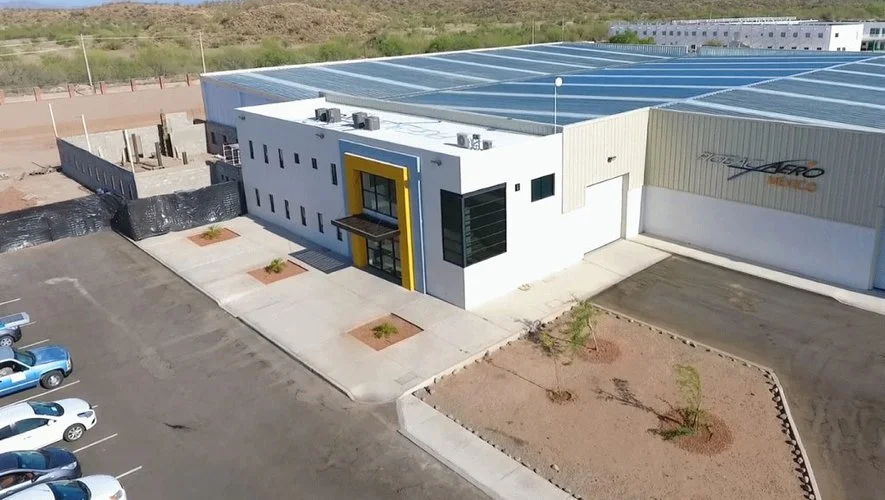
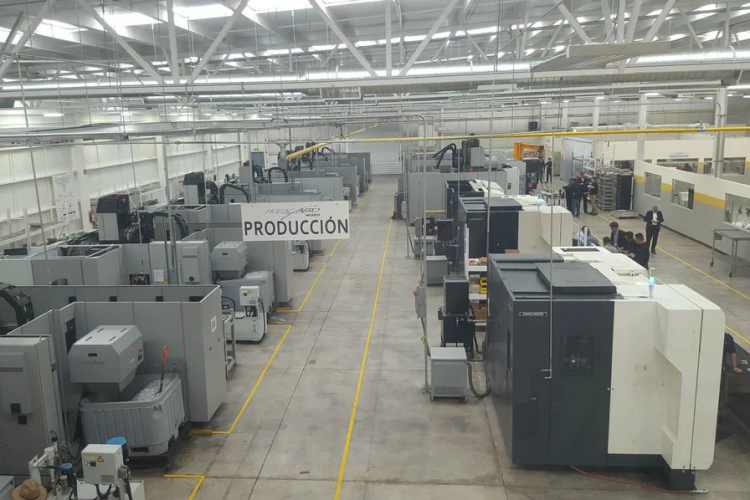
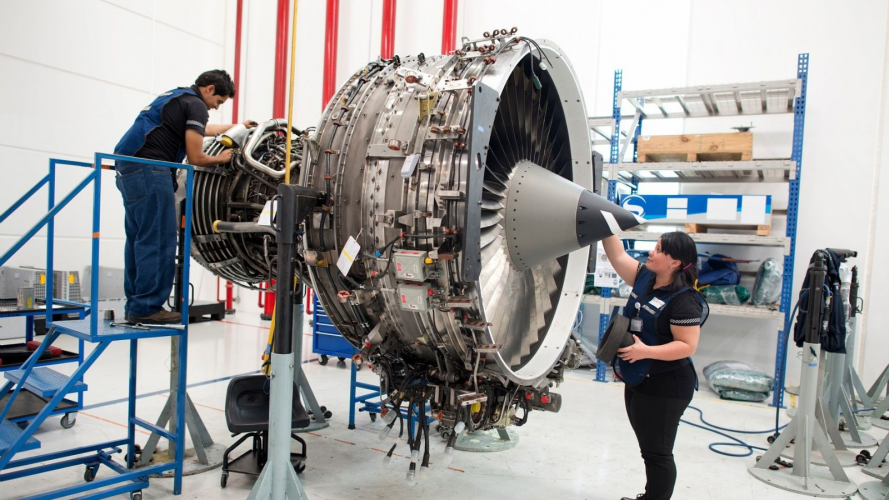
Latécoère (Paris:LAT) (the “Company” or the “Group”), an international "Tier 1" partner of the world's major aircraft manufacturers, announces that it has entered into an agreement with Figeac Aero to acquire its Hermosillo industrial site in Mexico and Boeing 787-related inventory on site at closing.
The acquisition would strengthen the competitiveness of Latécoère's Mexican operations, in order to better serve the North and South American aerostructures market. This acquisition is conditional to finalizing other related additional agreements and closing would be anticipated to occur in the 4th quarter 2022, provided IMMEX* clearance is obtained.
UTC, Rockwell Collins combine aerospace operations, including four Mexican facilities
United Technologies Corp. (UTC) and Rockwell Collins, Inc. announced that they have reached a definitive agreement under which United Technologies will acquire Rockwell Collins for US$ 140.00 per share, in cash and UTC stock. The purchase price implies a total equity value of US$ 23 billion and a total transaction value of US$ 30 billion, including Rockwell Collins’ net debt.
The result of this fusion will be an aerospace giant supplier capable of providing components for jetliners and military planes from tip to tail, according to analysts.
Upon completion of the transaction, Rockwell Collins and UTC Aerospace Systems will be integrated to create a new business unit named Collins Aerospace Systems. Kelly Ortberg, current Rockwell Collins CEO, will assume the role of Chief Executive Officer with Dave Gitlin serving as President and Chief Operating Officer.
Rockwell Collins is a leader in aviation and high-integrity solutions for commercial and military customers and is globally recognized for its leading-edge avionics, flight controls, aircraft interior and data connectivity solutions. On a 2017 pro forma basis, its estimated sales are greater than US$ 8 billion.
The company owns a state-of-the-art facility in Mexicali, Baja California, where it manufactures communications and entertainment systems for commercial airliners and business and regional jets. With more than 100,000 square feet of production and warehouse space, this facility applies Lean principles to cellular production design for optimized workflow, improvement of quality and reduction of inventory.
UTC Aerospace Systems is already one of the world's largest suppliers of technologically advanced aerospace and defense products. The company designs, manufactures and serves systems and components and provide integrated solutions for commercial, regional, business and military aircraft, helicopters and other platforms.
UTC owns two manufacturing sites in Mexico. A production site also in Mexicali, Baja California, which builds different kinds of aero structures, including thrust reversers for the Boeing 787 Dreamliner nacelle system. Reversers for both the Rolls-Royce and General Electric engine variants of the Dreamliner are assembled there.
Also, the company operates in Guaymas, Sonora, a facility of its Engine & Environmental Control Systems division, where it produces blades and vanes for jet turbines.
In addition to these manufacturing sites the company operates a distribution center for commercial aircraft’s wheels and brakes in Mexico City, just outside the International Airport.
GE Aerospace Querétaro: How Mexico Leads Engine Design for Boeing and Airbus
AEROSPACE
Israel Molina.
July 4, 2025
Andrés Soler, CEO of GE Aerospace Querétaro.
The aerospace industry in Mexico continues to consolidate itself as a key sector in the national economy, with Querétaro standing out as a strategic center for innovation and development. GE Aerospace, a company with a presence in the region, operates an Engineering Center that has been a pioneer in the design and development of propulsion and avionics systems for nearly 26 years.
Andrés Soler, CEO of GE Aerospace Querétaro, explained the scope of the company's operations in the region. "In Querétaro, we do engineering for the entire engine lifecycle, from technological development to field support and manufacturing. We don't do manufacturing at this center; only engineering."
Advanced Engineering for Commercial Aviation
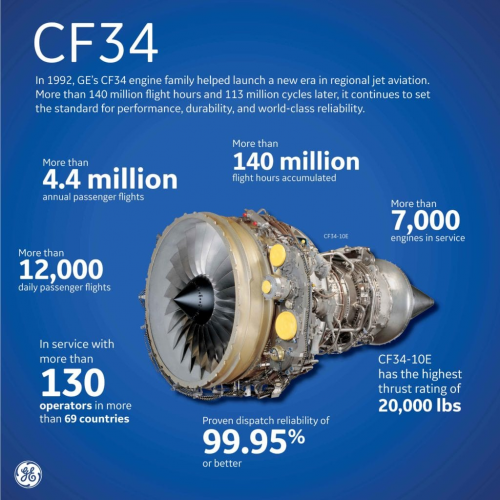
GE Aerospace's focus includes commercial propulsion systems that encompass disciplines such as mechanical engineering, software, controls, and aeronautics. Its solutions have been integrated into a wide variety of commercial aircraft, such as the Embraer 170 and 190, equipped with CF34-8 and CF34-10 engines, as well as the Boeing 737 and Airbus 320, which use other of its engines. These products meet the needs of aircraft with capacities ranging from 80 to 400 passengers.
Mexico as a Pillar in the Global Supply Chain
Soler highlighted Mexico's importance in the manufacturing of components for these engines and the growth potential that still exists. "Mexico already produces parts for these engines in many cities and different companies. The automotive industry has demonstrated how to develop local supply chains at all levels, something we must replicate in the aerospace industry."
Despite the presence of numerous OEMs (Original Equipment Manufacturers) in the country, Soler identified opportunities to strengthen levels 2 and 3 of the supply chain. He noted that Mexico can capitalize on its competitive advantages, such as its strategic location and specialized talent, to expand local production and improve its integration into the global value chain.
Querétaro has become a major generator of employment in the aerospace industry, with more than 10,000 active workers in the sector. GE Aerospace, for its part, employs more than 1,000 people at its Engineering Center in the region. According to Soler, the company plans to increase its workforce and make new investments in Querétaro, strengthening its commitment to the development of the industry in Mexico.
“We are leveraging our competitive advantages, such as talent and location, just as we did in the automotive industry. There is still much that can be produced,” he emphasized, highlighting the prospects for technological and economic growth in the sector. https://mexicoindustry.com/noticia/...ngenieria-de-motores-para-aviones-comerciales
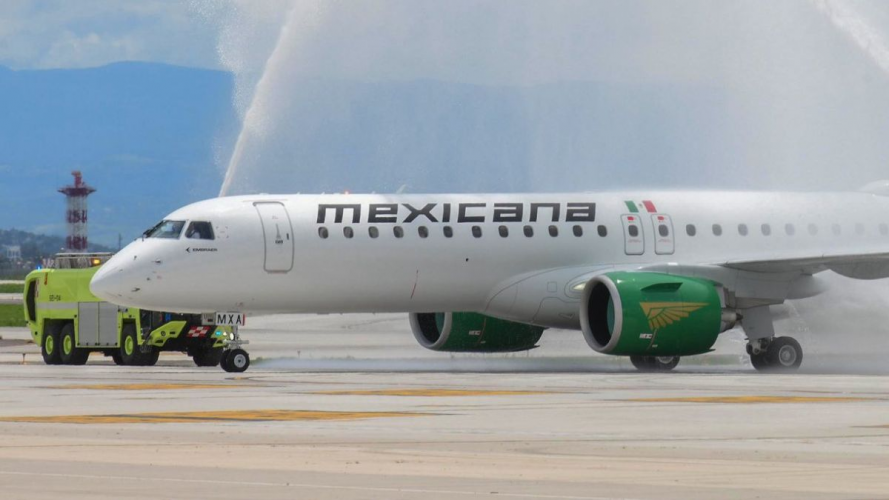
The first of 20 Embraer aircraft that will form part of the fleet of the state-owned airline Mexicana arrived at Felipe Ángeles International Airport (AIFA).
The Embraer E195 E2 aircraft, registration XA MXA, was greeted with the traditional “water arch” and transferred to the FBO - passenger terminal - at AIFA, where it was awaited by President Claudia Sheinbaum Pardo and her entourage.
The President of the Republic described the arrival of the new aircraft as the rebirth of Mexicana de Aviación.
She mentioned that Mexicana de Aviación is not just an airline, but a story of struggle, identity, dreams, and work; it is a company that was born with the intention of connecting Mexico with the world and, more importantly, connecting Mexicans with each other.
The president pointed out that for many years, flying in Mexico has been a privilege, as commercial routes are focused on the most profitable destinations: tourist centers, industrial capitals, and high-demand corridors.
In this context, she stressed that while Mexicana de Aviación must operate profitably and efficiently, its purpose is also to ensure that all Mexicans, regardless of where they live, have the right to fly, as part of the National Project.
For his part, General Leobardo Ávila Bojórquez, CEO of Mexicana, explained that the aircraft has an average speed of 963 kilometers per hour, with a range of 4,615 kilometers, meaning it can cover part of North America, part of Central America, and South America, taking off from AIFA.
He explained that the aircraft has a total length of 41.6 meters, from front to rear, and a height of 10.9 meters, measured from the landing gear to the top of the fuselage.
"It is equipped with two state-of-the-art Pratt & Whitney engines and has an optimized aerodynamic design. In addition, its structure is composed of lightweight and composite materials, which significantly reduces operating and maintenance costs," explained General Ávila Bojórquez.
He also reported that, as part of the process, certification flights will be carried out in coordination with the Federal Civil Aviation Agency (AFAC), with the aim of complying with all established national and international regulations and thus guaranteeing operational safety, which is considered fundamental in the air transport industry. https://mexico-now.com/mexicana-receives-its-first-embraer-aircraft/
LAUAK Mexico, a company specializing in the manufacture of aeronautical engine parts, celebrated its 50th anniversary by highlighting its consolidation in the global market and its growth in Querétaro, where it has multiplied its workforce from 35 to nearly 200 employees since its arrival almost six years ago.
Strategic Expansion Boosts LAUAK's Competitiveness
During the ceremony, Mikel Charriton, CEO of LAUAK, emphasized that the company, founded in France as a family project, currently has an annual turnover of €200 million, with an international presence and a team of 1,900 employees. This performance, he explained, is based on the company's ability to offer high-quality solutions to clients in the aerospace sector, reinforcing its position as a leading supplier.
Marc Andre Plouffe, Vice President of North America, stated that the growth of the Querétaro plant reflects LAUAK's corporate vision of strengthening its presence in key markets, leveraging the competitiveness of local talent and the state's industrial infrastructure to maintain a steady pace of expansion.
Local talent, key to operational excellence
Carlos Torres, LAUAK's Director of Operations, noted that the team in Querétaro plays an essential role in maintaining the quality standards that distinguish the company in the aeronautical industry. The plant in Mexico has become a strategic asset for the corporation, providing innovation, efficiency, and reliability, factors that allow LAUAK to meet the growing demand of global customers and explore new markets.
The executive emphasized that the company's goal is to continue increasing its production capacity and expand its participation in the international aerospace sector, positioning the Querétaro plant as a key hub for the advanced manufacturing of aeronautical components.
About LAUAK
LAUAK is a family-owned industrial group founded in 1975 in France, specializing in the manufacture of complex metal subassemblies for the aerospace industry. It offers comprehensive solutions that include design, metal part manufacturing, surface treatments, and component assembly for original equipment manufacturers (OEMs) and Tier 1s. With an international presence, the group operates plants in France, Portugal, Mexico, and India, establishing itself as a strategic partner that combines experience, innovation, and flexibility to respond to the challenges of the global aeronautical sector.
Sergio Pérez Torreslara was appointed president of the Baja California Space and Aeronautical Cluster (CEA), a recently created organization that seeks to coordinate efforts between companies, academia, and government to strengthen the sector in that state. The Mexican Federation of the Aerospace Industry (FEMIA) recognized the appointment as a strategic step to consolidate the capabilities of the aerospace ecosystem in the northwest of the country
The new cluster aims to enhance regional collaboration in advanced manufacturing, space technologies, and innovation, leveraging the installed base of companies and institutions in the state. With this designation, Baja California joins other states in the country that already have specialized clusters, such as Querétaro, Nuevo León, and Sonora, and positions itself as a strategic player in the Mexican aerospace industry.
Strategic Outlook for Baja California
Sergio Pérez Torreslara's leadership is emerging as a catalyst for investment projects, technological innovation, and academic outreach. His role at the helm of the CEA will be key to promoting new training programs, fostering productive linkages with small and medium-sized businesses, and strengthening the state's exports.
FEMIA has reiterated that coordinated work across sectors is essential for Mexico to maintain its global competitiveness and take advantage of the opportunities arising from nearshoring and the relocation of supply chains in North America. In this context, Baja California is positioned as a strategic hub for the coming years.
Accelerated growth of the aerospace sector
In 2024, the aerospace industry in Mexico reached historic levels, with exports exceeding $10.6 billion for the first time, representing an increase of almost 10% compared to the previous year. The country remains one of the main destinations for foreign direct investment in the sector, consolidating its position among the top five worldwide. Since 2006, the sector has received more than $3.7 billion in FDI, highlighting a strong presence of global firms such as Airbus, Bombardier, GE, Honeywell, and Safran.
Furthermore, Mexico is home to 386 aerospace companies spread across 19 states, including 370 specialized plants that generate approximately 50,000 direct jobs and more than 190,000 indirect jobs. The main manufacturing centers are concentrated in Baja California, Querétaro, Chihuahua, Sonora, and Nuevo León, which together account for up to 90% of the sector's industrial activity. The value of the Mexican aerospace market is projected to grow from $11.2 billion in 2025 to $22.7 billion by 2029, with a sustained annual growth rate of over 15%.
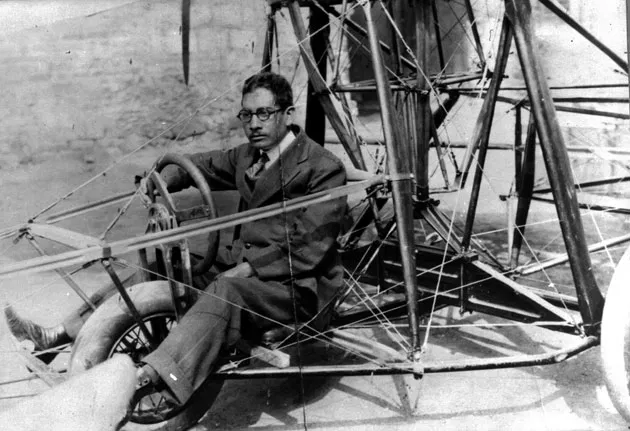
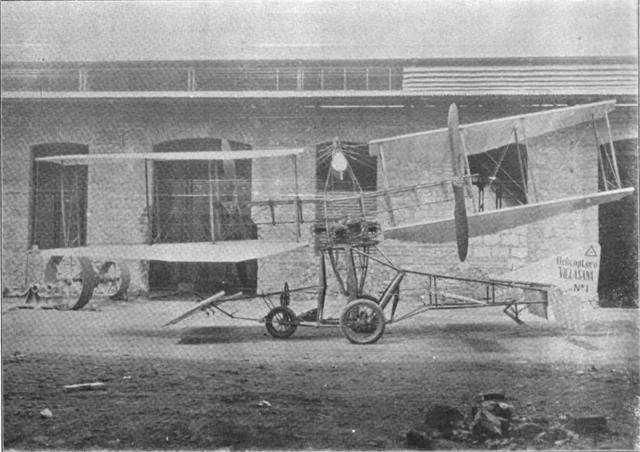
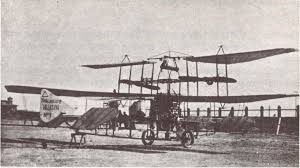
https://mexicoindustry.com/noticia/...nuevo-cluster-aeroespacial-de-baja-californiahere is the Mexican 1924 villasana helicopter
This was one of the first helicopters built in the world, however it is not known if ever flew but some think it crashed and was lost
here is the 1924 villasana helicopter
This was one of the first helicopters built in the world, however it is not known if ever flew but some think it crashed and was lost
Luis Lizcano, CEO of the Mexican Federation of the Aerospace Industry (FEMIA), noted that the country already ranks tenth in the aerospace industry worldwide, and that talent development has been key to the sector's growth over the past two decades.
In an interview with A21, the executive shared details after his participation in the Mexican delegation that attended the Paris Air Show in June, where, he said, they met with companies "globally and that see Mexico as an ideal place to invest."
"Analyzing the sector, we estimate we are in tenth place; there are nine countries larger than us in terms of the aerospace industry," Lizcano stated.
Much of the credit for Mexico's current position, which the executive director of FEMIA claims today, is due to talent development, although there is still much to be done in this regard.
"What are we missing?" First, we need to consolidate our talent development in the sector. Ultimately, costs aren't what defines it, although they aren't a negligible factor. Competitive costs are sought, and they are important for decisions. But the most important factor is the availability of talent," he said.
"The availability of talent is what has driven growth over the last 20 years (...) what higher education institutions are doing to adequately meet demand is very important," he emphasized.
Currently, aeronautical education coverage in Mexico is concentrated in 30 institutions in 14 states across the country, offering 29 programs and five levels (bachelor's, specialized technical, higher university technical, engineering, and postgraduate), according to data from the Mexican Council of Aerospace Education (COMEA).
"We are working with COMEA to obtain more precise data on this matter and we conducted the national aerospace registry to determine its size," Lizcano said.
In an interview with A21, the executive recalled that in 2004, Mexico recorded exports of $1.3 billion. Currently, the Mexican delegation estimated the value of aerospace industry exports to be between $11.7 billion and $11.9 billion, although it emphasized that this figure is still preliminary, as consolidated data for the 2024 fiscal year is not available.
Mexico Attracts Investors
FEMIA was part of the organizers of the Mexican Pavilion at the Paris Air Show, which also included government and industry representatives from states such as Baja California, Chihuahua, Querétaro, Yucatán, Aguascalientes, and Oaxaca.
During the aerospace fair held in mid-June, the Mexican delegation—and the country in general—received a warm reception from the various global industry players present at the event.
“Mexico is increasingly demonstrating its participation in the sector; we are sought out more, and there is more movement and interest in Mexico,” revealed Luis Lizcano, CEO of FEMIA.
“The Paris Air Show is the showcase for Mexico.” "The Mexican government is the most important industry in the world, and the fact that Mexico has a significant representation enables us to develop more business and attract more investment in the country," he said.
Due to confidentiality issues, the executive could not reveal which companies or sectors in particular the talks were held with, but he made it clear that topics such as the sector's competitiveness, talent availability, and collaboration between different government units to establish industrial programs were addressed.
https://a21.com.mx/destacado-princi...-top-10-de-la-industria-aeroespacial-mundial/ Mexican develops propellerless drone and wins international award
In 2016, Edgar Herrera, a young man from Guadalajara, submitted his invention to Red Dot, a company that awards devices with innovative or eye-catching designs. Shortly after, his invention received the award for best conceptual design: the device is a propellerless drone, which could change the market for these vehicles. This vehicle, called "Bladeless […]
By Cristina Mora on March 1, 2018
In 2016, Edgar Herrera, a young man from Guadalajara, submitted his invention to Red Dot, a company that awards devices with innovative or eye-catching designs. Shortly after, his invention received the award for best conceptual design: this device is a propellerless drone, which could change the market for these vehicles.
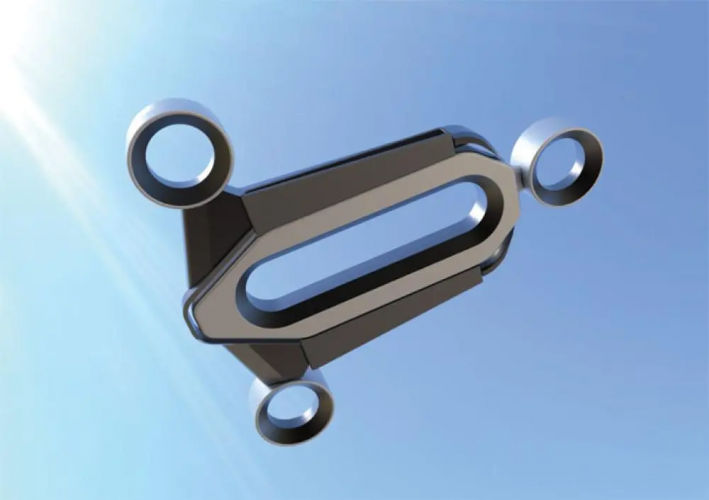
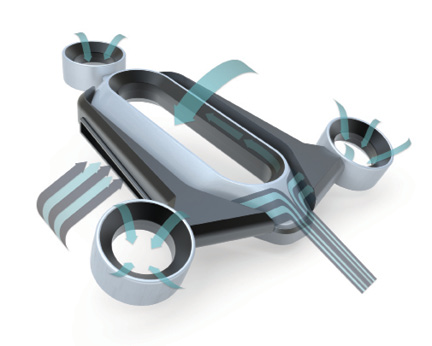
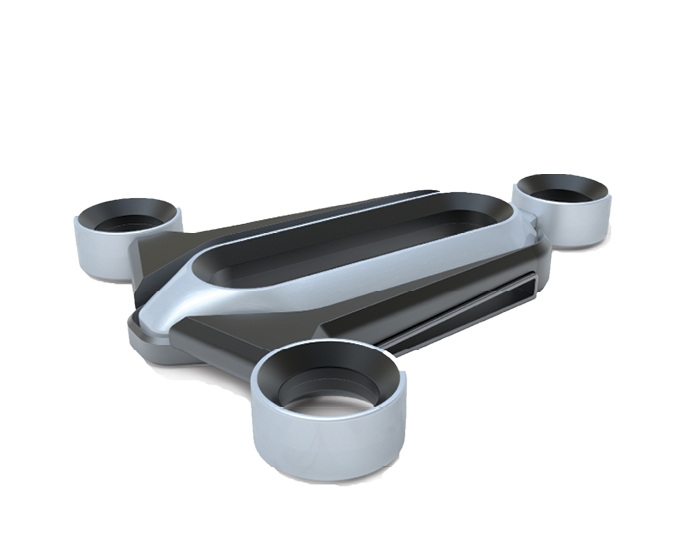
This vehicle, called "Bladeless Drone," seeks to solve the three problems that plague today's drones: noise caused by the air, propellers exposed to the environment, and the effect that air can have on the drone. By not having propellers, this drone benefits from headwinds and forces them through internal ducts, generating a flow that allows it to move.
Edgar Herrera/ Bladeless Drone
Unlike common drone designs, the Bladeless Drone is designed to benefit from aerodynamic concepts, which are applied to traditional aircraft: in addition to being innovative in terms of functionality, it manages to be eye-catching and, potentially, the future of drones.
Although this award was granted at the end of last year, it is important to highlight the innovation that this invention seeks to bring to the technological world: by bringing this drone to the public eye, the possibility of it becoming a reality available to the public increases, benefiting the market and drone enthusiasts.
At the moment, Edgar Herrera is perfecting the design to ensure that it can become a reality in the near future.
To be honest I do not know, in the national Mexican Media they say he even received an international prize for his invention in 2016, some claim it was a world`s first.
I have not heard more about it, so to be honest I do know, but as far as it has been reported he owned the whole IP rights.
Winner of a 2016 Red Dot Design Concept award, the Bladeless Drone from Mexico's Edgar Herrera takes on the two biggest problems with traditional drones: blades and the noise they create. By using a series of air ducts and vents, it achieves flight without the dangers posed by exposed blades. The main central propeller supports take-off and landing, while the two forward propellers and rear propeller control direction by rotating 20 degrees front-to-back and clockwise or counter-clockwise, respectively, changing their orientation based on the amount on headwind received. No development plans have yet been announced, but based on the advantages it offers, we wouldn't be surprised to see a real-life example built shortly. https://uncrate.com/herrera-bladeless-drone/
well, let me tell you, it is possible he sold his design, but there is no information available online, plus in part he admitted, his invention was based upon fan technology,
So probably other people did the same, they saw it was possible and they modified too their technology
When Texas A&M University-Corpus Christi graduate student Daniel Valdenegro started thinking about his senior design capstone project last year, he knew he wanted to focus on making drones safer to fly. His idea? Creating a propulsion system inspired by Dyson’s bladeless fan design.
Valdenegro went to work on the project with the help of Assistant Professor of Electrical Engineering Luis Rodolfo Garcia Carrillo. From the start, the main goal was to reduce the hazards associated with the exposed propellers found on many unmanned aircraft systems (UAS), he said.
Developing a bladeless drone comes with a variety of challenges, Garcia Carrillo said, and while they’ve made progress over the last year or so, they still have a long way to go.
“In a sense, this is like a quadcopter but with a completely different propulsion system,” Garcia Carrillo said. “The blades are all internal. That makes it much more challenging to develop than a conventional quadcopter, but it also makes it much safer, which is the ultimate goal.”
Design and Initial Tests
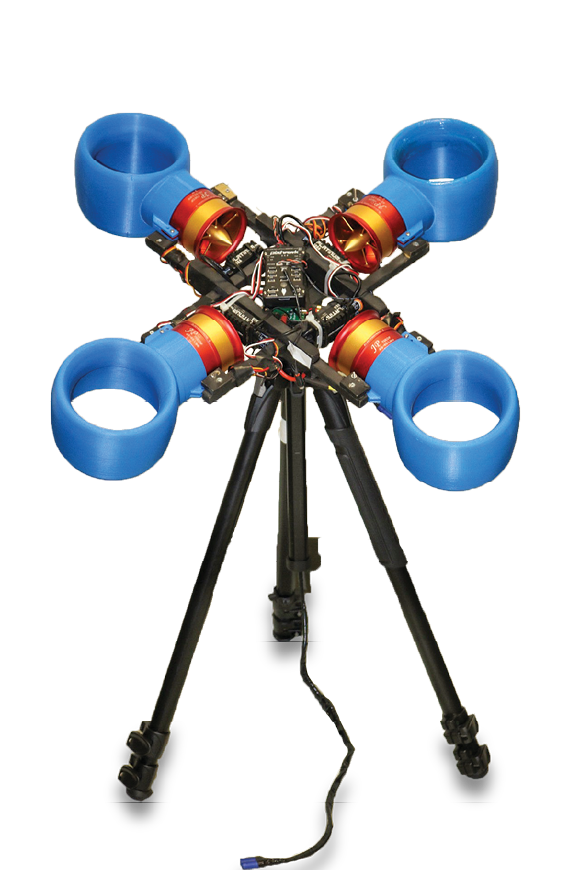
The system works much like a Dyson bladeless fan, but is designed to create more thrust, Valdenegro said. Bladeless fan cross-section geometry, airflow properties, impellers, motors, ducted fans and conventional quadcopter dynamic modeling were all used in the propulsion system’s design. Based on their research into bladeless fan design, the team of four developed a nozzle that attaches to an Electric Ducted Fan (EDF) to create a bladeless thruster prototype.
The nozzle is a circular ring with the cross section of an airfoil that’s designed to induce an airflow from its surroundings through the ring. The prototype’s four bladeless thrusters all push the forces created by the motor to control the system. The thrusters were 3-D printed and tested with the EDF.
The team has completed two tests so far: one consisting of two thrusters to determine the stability of the propulsion system in one degree of freedom, testing pitch or roll angles of a multi-rotor, and a second that included four thrusters to test stability in three degrees of freedom, which tests for pitch, roll and yaw.
“We wanted to test to see if it could be controlled in four degrees of freedom, which is how a drone moves in aerospace,” Valdenegro said. “We found out it could be controlled and we did that by creating thrusters and a platform that looks like a UAV. We put it on a tripod because we could move the tripod in all directions, like how a drone moves. We wanted to test how all those movements combined would affect the drone and if it could be controlled. We had a good result and are getting closer to it flying.”
Bladeless Drone Prototype Photo courtesy Texas A&M-Corpus Christi
Challenges
While the bladeless design does help boost safety, there are a variety of challenges that must be overcome before it can become widely used, Valdenegro said. The main challenge is the fact the rotors are all internal rather than outside the system. Instead of spinning in a vertical plane like a typical quadcopter, the thrusters all spin horizontally, creating a different dynamic.
While there’s enough power to control the vehicle and move it in different directions, the team hasn’t been able to generate enough thrust to achieve lift, Valdenegro said.
“This design is completely new,” Garcia Carrillo said. “The thrusters are installed in a different configuration so there’s no dynamic model for this vehicle as of now. One possibility is to attack the problem mathematically with differential equations to develop a dynamic model or we can make use of the data driven approach. Coming up with the proper dynamic model for controlling our system is a work in progress. It will take some time before we get a solution for this problem.”
Mexican designer Edgar Herrera’s bladeless drone concept won a Red Dot Award in 2016 image courtesy of Red Dot
Benefits
One of the main benefits of a bladeless drone of course is safety, Garcia Carrillo said. He’s been researching UAS for almost 10 years and knows if students aren’t careful, they can easily cut themselves on the sharp, exposed motors. Bladeless drones would eliminate that risk to operators as well as to the environment around them.
“This system is very easy to manipulate, even by non-expert users,” he said. “The goal is to make drones safer for everyone. Hopefully, we’ll be able to commercialize this platform.”
Garcia Carrillo also sees using the drone to actually push objects. If you tried that with a drone equipped with traditional propellers, you’d end up damaging the object or the drone, but that’s not the case with this system.
“If you want to push an object with a drone you have to add a manipulator and structure for doing the pushing, and this affects the dynamic of the system because you’re adding something external,” he said. “A bladeless propulsion system can push with its own body. This is very interesting.”
But before these benefits can be realized Valdenegro, Garcia Carrillo and the rest of the team have to get the prototype flying. While they’re always finding new challenges to overcome, they hope to make that happen by the end of the year. They’re also in the process of submitting a patent and forming an LLC.
“We’ve figured out how to control the drone at four degrees of freedom,” Valdenegro said. “Now we’re trying to maximize thrust so it can fly, and we can see how it will behave in aerospace.” https://insideunmannedsystems.com/going-bladeless/
Dyson version was a change of the original concept made by Toshiba back in 1981.
Dyson submitted their application in 2009, with some changes – the Coanda surface.
The Coanda surface was highlighted as a key design feature of the Air Multiplier. This is the airfoil ramp over which the air is forced out of the ring of the fan. Because of the angle of the Coanda surface, the air draws the ambient air into the air stream, creating a steady and powerful blast of air.
It is highly speculative because one is a fan and the other a drone, which in theory might use a similar concept, but they are not the same, one is a fan that does not generate thrust, and the other generates enough thrust to fly. so they are not the same technology.
Did they sue him?
There are not news at least to my knowledge, is he exploiting his invention? It seems he does not have any company doing it, are there bladeless drones commercially? yes there are, , who knows what did happen? but he was awarded a prize and it has not been revoked, thus remains a speculation without way to prove it or deny it.
Space industry seeks to participate in development hub in Nezahualcóyotl
17 July, 2025
At least 32 companies from the space and aerospace industries have expressed their intention to participate in the Economic Development Pole for Well-being (Podecobi) that will be set up in Ciudad Nezahualcóyotl as part of Plan Mexico and the comprehensive strategy to rescue the eastern part of the State of Mexico promoted by President Claudia Sheinbaum.
Esteban Carrera García, president of the Mexico Space Cluster and the Metropolitan Aerospace Cluster, said that academics and businesspeople from this sector, grouped together in both organizations, will ask the federal and state governments to allocate 10 hectares within the new hub.
"We were waiting for this project to be formalized so that we could make our request with solid grounds. Now that the site and strategic focus have been defined, we are ready to present our proposals and contribute with projects of high technological and social value," he said. He explained that the business organizations he presides over currently have 32 affiliated companies and more than 10 in the process of joining, several of which are from Nezahualcóyotl.
The companies interested in joining the development hub specialize in the manufacture of aerospace components, batteries, drones, smart textiles, and electronic system design. Their goal is to install a nanosatellite factory, an artificial intelligence and cybersecurity laboratory, a prototype Fablab, a Martian habitat, and a space capsule for research and recreation purposes on those 10 hectares.
Gabriela Solís Espinoza and José Alberto Manzo Prado, coordinator and vice president of the Nezahualcóyotl Business Sector, respectively, highlighted that this is a historic opportunity to transition from an economic model focused on trade and services to an ecosystem of innovation and technological development with highly specialized jobs.
Jeannette Olivo, Velázquez, Director of the Mexico Space Cluster,
emphasized that these business organizations have international ties with NASA, the European Space Agency (ESA), Latin American agencies, universities, and investment funds in countries such as the United States, France, Japan, Brazil, and Hungary.
“Our contribution will not only be intellectual capital, we can also attract foreign investment and companies looking to set up in this region,” she explained.
Myrhge Spross Bárcenas, Director of the Metropolitan Aerospace Cluster, anticipated that the group of entrepreneurs is working on the design of a strategy that will allow the hub to generate more than 10,000 direct jobs within three years, establish at least 50 new companies, and become a national benchmark in science, technology, and innovation.
Finally, Esteban Carrera called on Mayor Adolfo Cerqueda Rebollo, Governor Delfina Gómez Álvarez, and President Claudia Sheinbaum Pardo to include the aerospace and space sector based in Nezahualcóyotl as a key player in the design and implementation of this strategic hub.
MONDAY, NOVEMBER 27, 2023
The first flying car in Latin America is developed in Chiapas
Diego Saúl Reyna presented the first flying car in Mexico and Latin America, which he developed in collaboration with engineers from Chiapas.
The entrepreneur anticipated that this vehicle will be available to the public in the near future, suggesting its usefulness as an air ambulance or as a means of transporting medicine and food, even in crisis situations such as natural disasters.
Emphasizing the social purpose of his invention, Reyna asserted that the flying car is not a whim exclusive to wealthy individuals, but a tool intended to improve communities and have a positive impact. He emphasized the ethics behind its manufacturing, using lithium and aluminum batteries from ethical mines.
"I know I'm not the first to build a flying car, but mine have the lowest prices, ethically sourced materials. Our lithium and aluminum batteries are extracted from ethical mines that don't poison rivers, displace, or affect local populations," the influencer added. Serial production is scheduled for next year, with an estimated price of around 400,000 Mexican pesos. Although Reyna currently resides in Canada, he expressed his desire to position Chiapas and Mexico as centers of innovation and creativity. The project reflects not only a technological achievement, but also a vision of contributing to sustainable and accessible development in the field of mobility.
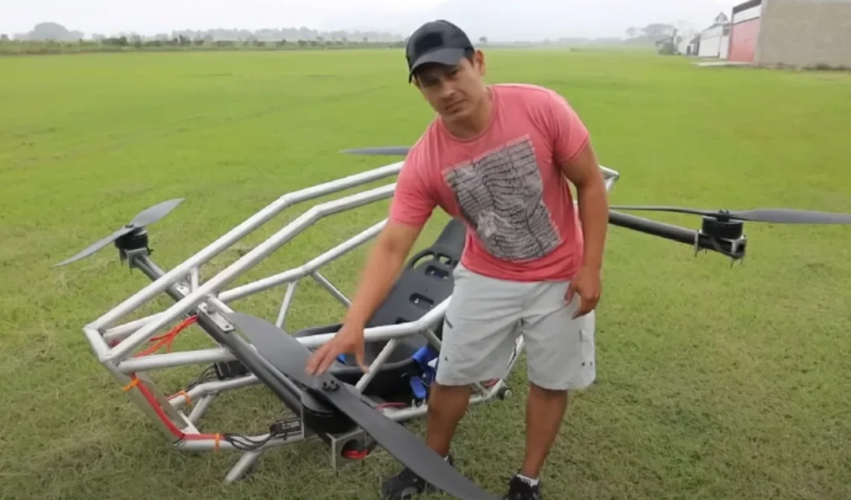
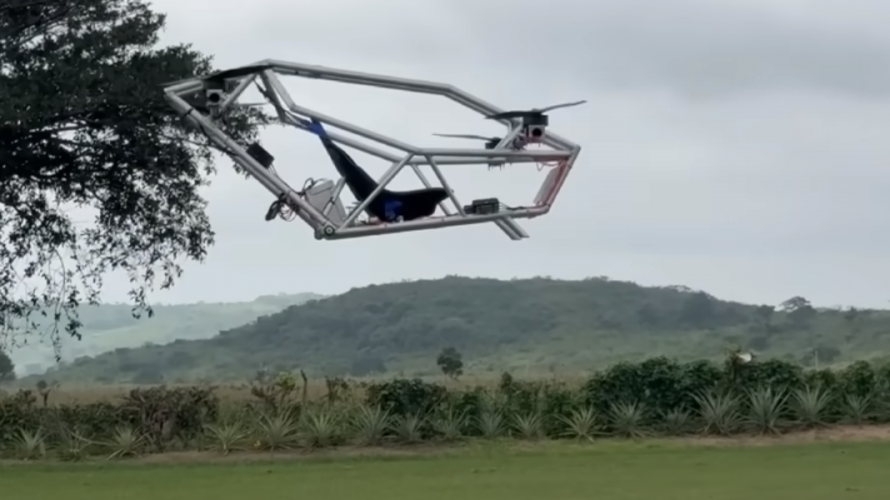
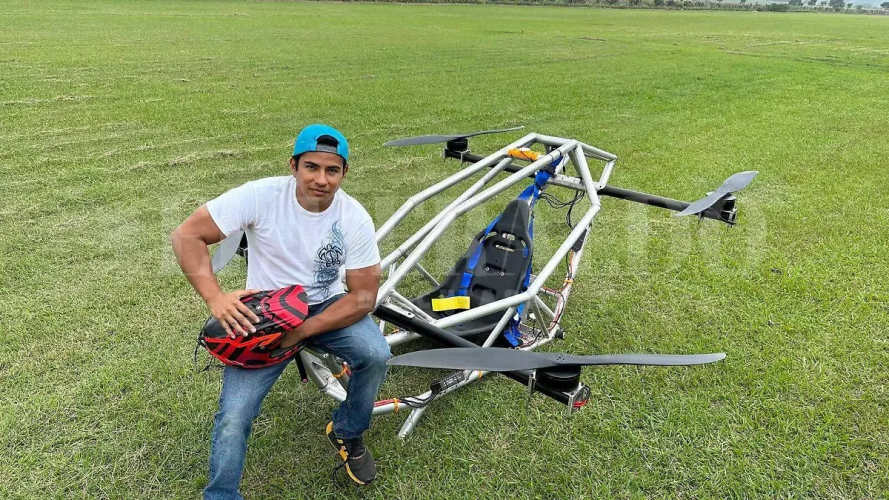
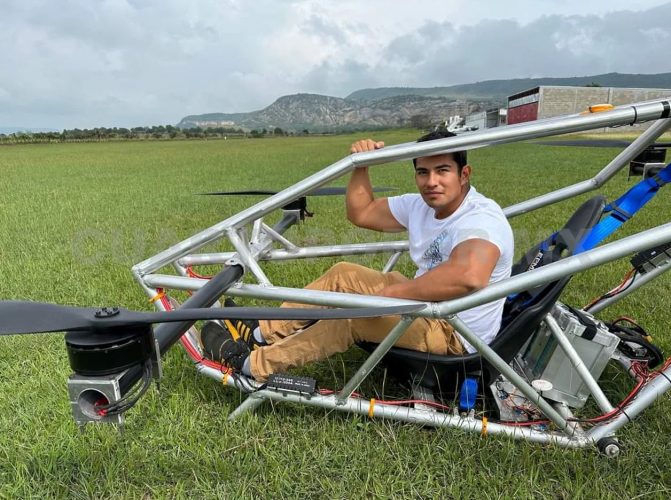
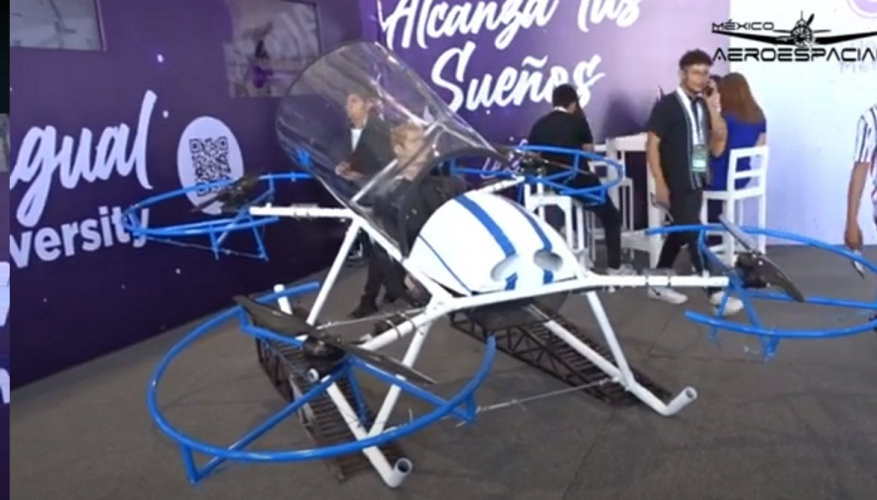
Aeronautical Engineering students at the Metropolitan Polytechnic University of Hidalgo developed a drone for passenger transport.One of the core competencies of the Aeronautical Engineering Educational Program is to design and build aircraft, as part of the course called "Aircraft Design and Construction." This approach utilizes analytical, numerical, and, above all, experimental approaches, putting their knowledge of aerodynamics, structures, propulsion, electronics, control, manufacturing, and materials to work.For this reason, 70 Aeronautical Engineering students from the fourteenth generation presented the project called "Hummingbird Drone," an aircraft similar to a manned (single-seat) aerial vehicle with automatic control and radio control options.The aircraft is a vertical takeoff and landing type designed to launch and hover, allowing it to be controlled like a scale drone. Its applications range from passenger transport to air taxis or simply for technological development.
The Aeronautical University of Querétaro (UNAQ) held a technical training event on paint removal and aircraft surface treatment on July 23 and 24, in collaboration with Henkel, Hisco, and GAL AeroStaff. This initiative brought together specialized personnel from the aeronautical sector to strengthen key maintenance skills.
Cutting-edge technologies applied to aircraft maintenance
During the training, Henkel specialists supervised the practical application of chemical products used for aircraft surface treatment. The activity was conducted under real-life conditions and promoted best practices aligned with international standards, reinforcing technical knowledge among attendees.
Industry-academic partnership promotes specialized training in Querétaro
The event was attended by representatives from companies in the sector, who shared experiences and market needs. This collaboration reinforces UNAQ's commitment to training specialized talent and creating strategic partnerships that drive the development of the aerospace ecosystem in the region. https://mexicoindustry.com/noticia/...-unaq-reune-a-lideres-del-sector-aeroespacial Horizontec is a 100% Mexican company that designs and manufactures LSA aircraft. Its product, the Halcón II, is already on sale, something unprecedented in Mexico, and it has orders in Mexico and the United States.
Horizotec is a Mexican company founded by Giovanni Angelucci, whose mission is to design, develop, and manufacture aircraft using advanced materials such as carbon fiber and resins. Since its inception, it has enjoyed the support of government agencies at all levels and outstanding personnel, which has helped to propel this aeronautical project forward.
https://www.avionrevue.com/america/aeronave-disenada-y-fabricada-en-mexico-sale-a-la-venta/
Mexico will participate in an Aerospace and Defense Trade Mission to Brazil, organized by the Mexico-Brazil Chamber of Commerce (Camebra) and the Mexican Federation of the Aerospace Industry (FEMIA). The objective is to strengthen industrial relations with the Brazilian cluster, expand bilateral trade, and trigger new investments in commercial aviation, defense, and high-tech manufacturing.
During this mission, which will take place from August 23 to 31, 2025, the Mexican delegation will visit strategic plants such as Embraer, Helibras, and GE Celma, as well as innovation centers such as the São José dos Campos Technological Innovation Park, considered the most important aerospace cluster in Latin America. This ecosystem accounts for more than 70% of the Brazilian aerospace industry and generates 95% of the sector's employment in that country.
Brazil, a strategic ally in defense and aviation
In addition to meetings with the Brazilian Association of Defense Industries (ABIMDE), the agenda includes meetings with the Brazilian Ministry of Defense and academic centers such as the Technological Institute of Aeronautics (ITA), which opens up opportunities for collaboration with Mexican institutions such as the Aeronautical University of Querétaro (UNAQ).
The mission has the support of the Ministry of Foreign Affairs (SRE), the Ministry of National Defense (SEDENA), the National Chamber of the Transformation Industry (CANACINTRA), as well as aeroclusters in Querétaro, Monterrey, and Chihuahua. B2B meetings, networking activities, and specialized consulting for foreign trade projects are also planned.
Mexico seeks to expand its presence in global chains
The main objectives are to boost Mexican exports, attract investment for Tier I and Tier II projects, and position Mexico as a provider of services, spare parts, and maintenance for Embraer fleets in operation. The recent acquisition of 20 aircraft by Mexicana de Aviación reinforces the prospect of greater productive integration between the two countries. https://mexicoindustry.com/noticia/...al-a-brasil-con-empresas-mexicanas-del-sector
Donald Trump's tariff policy is complicating the flight of the Mexican aerospace industry, which, although it continues to ship products, has seen a slowdown in exports.
In an interview with MILENIO, Luis Lizcano, CEO of the Mexican Aerospace Industry Federation (Femia), explained that from January to June 2025, the sector saw a 9 percent annual increase in total sales.
He also stated that this variation is much lower than in previous years, as after the pandemic, the industry had been growing at an average annual rate of 13 to 16 percent.
“Donald Trump's tariffs have created uncertainty and chaos, which is why we saw a slowdown in the first half of the year,” said the executive.
Since June, the US government has imposed a series of tariffs on aluminum and steel ranging from 25 to 50 percent on various countries, including Mexico, and has announced additional tariffs on other products starting August 1.
Luis Lizcano explained that of the country's 32 states, 20 have companies in this sector, but most are concentrated in Sonora, Chihuahua, Nuevo León, Baja California, and Querétaro.
The executive said that of the parts manufactured in Mexico for the aviation sector, 80 percent are destined for the United States, followed by Canada with 4.7 percent, France with 3.5 percent, and Germany with 3.2 percent.
According to the consulting firm Mordor Intelligence, the size of the aerospace industry in Mexico is estimated at US$11.2 billion in 2024 and is expected to reach US$22.7 billion in 2029.
In other words, it is estimated to grow at an average annual rate of 15.2 percent over the next five years.
“Like several industries in the Mexican economy, in 2020-2021, the aerospace industry was severely affected by the pandemic. Mexican exports fell by more than 20 percent, thus affecting overall market revenues,” the consulting firm said.
It highlighted that the country's aerospace industrial exports have increased over the last decade and a half at an annual rate of 14 percent.
“The favorable ecosystem for the manufacturing sector and low production costs in the country are attracting investments from aerospace manufacturing companies, thus driving market growth,” explained Mordor.
“According to Femia, Mexico's aerospace sector grew from 100 manufacturing companies and organizations in 2004 to around 370 in 2020,” she said.
Factors such as new initiatives to integrate smaller local suppliers into the Mexican aerospace industry, government support to help smaller companies, and opportunities generated by trade agreements between the United States, Canada, and Mexico (USMCA) are expected to improve the sector's contribution to the overall economy. https://mexico-now.com/mexican-aerospace-industry-loses-altitude-due-to-trump-tariffs/Mexico’s aerospace industry recorded a 9% year-over-year increase in total sales from January to June 2025, according to Luis Lizcano, director general, Mexican Federation of the Aerospace Industry (FEMIA). However, this growth lags behind the post-pandemic annual average of 13% to 16%.
“In the first half of the year, the result was a deceleration due to the uncertainty and disruption caused by President Donald Trump’s tariff measures,” Lizcano said in an interview with Milenio. Since June, the US government has imposed tariffs of 25% to 50% on steel and aluminum imports from several countries, including Mexico. Additional tariffs on other goods are set to take effect on Aug. 1.
Currently, 80% of aerospace components manufactured in Mexico are exported to the United States. Canada accounts for 4.7% of exports, followed by France (3.5%) and Germany (3.2%). Companies such as Airbus, Safran, and Latécoère have established manufacturing operations in Mexico, attracted by competitive costs, skilled labor, and the country’s geographic proximity to US aircraft assemblers.
Mexico ranks fifth globally in foreign direct investment in aerospace and is the 12th largest exporter of aerospace components. The industry supports more than 50,000 direct jobs and over 190,000 indirect jobs. Baja California leads national production with 14%, followed by Chihuahua (12%), Sonora (10%), Nuevo Leon (9%), Queretaro (8%), and Coahuila (3%). Each region has developed specialized capabilities—for example, engine parts in Sonora, complex components in Chihuahua, and advanced manufacturing in Nuevo Leon.
The sector experienced a 20% decline in exports during the COVID-19 pandemic but has averaged 14% annual growth over the last 15 years. According to market research firm Mordor Intelligence, the Mexican aerospace market was valued at US$11.2 billion in 2024 and is projected to reach US$22.7 billion by 2029, growing at an average annual rate of 15.2%.
Lizcano noted that if current US trade policies remain in place, the slowdown may continue through the second half of 2025, though a contraction in total output is not anticipated. “We will stay alert to developments and assess what can be done to protect our position,” he said. FEMIA also participates in Mexico’s advisory team for United States-Mexico-Canada Agreement (USMCA) negotiations.
A Mexican entrepreneur left everyone speechless after presenting his invention, an aircraft that can fly on gasoline and at a much lower cost than competitors from other countries. He also highlighted that the United States is pursuing his invention to secure the manufacturing rights.
He mentions he flew in the Horizontec Halcon 2, an hour for just USD $24 dollars spent in fuel.
He said its costs to operate per hour flight for a flight school is just USD $53 dollars including other expenses.
Engineer Giovanni Angelucchi has created the ALCON 2.1, a lightweight two-seater aircraft, entirely designed and manufactured in Mexico, capable of flying on automotive gasoline and at an operating cost up to 70% lower than its competitors.
The Higher Technological Institute of San Luis Potosí recognized Diego Velázquez, a graduate of the Industrial Engineering program, who is currently working at General Electrics Aerospace in Hermosillo, Sonora, as an intern in the Supply Chain area.
The State Government's Ministry of Education reaffirms its unwavering commitment to training professionals capable of responding to the challenges of a competitive and constantly evolving work environment, as instructed by Governor Ricardo Gallardo Cardona.
Diego Velázquez shared that the solid academic preparation he received at the Technological Institute was key to accessing this new challenge in the industrial sector, and his entry into this important company was made possible by his participation in Mabe's Summer Camp, a formative experience that strengthened his skills and opened new opportunities in his professional career.
Diego Velázquez, industrial engineer, joins General Electric Aerospace; SEGE highlights commitment to training competitive talent in San Luis Potosí.
Mexico has become a vital player in the North American aerospace supply chain, fueled by steady investment from original equipment manufacturers (OEMs) and Tier‑1 suppliers. Since Bombardier’s arrival in Queretaro in 2005, the industry has drawn a growing number of global manufacturers. The creation of the Mexican Federation of the Aerospace Industry (FEMIA) in 2007 further solidified Mexico’s role as a manufacturing center.
Today, major players including Safran, Airbus, Bombardier, Boeing, Honeywell, and GE Aviation operate across 370+ specialized facilities in 19 states. These plants manufacture engines, fuselages, landing gear, wiring harnesses, and interiors for global OEMs.
Driven by nearshoring momentum, OEMs are expanding their operations to capitalize on Mexico’s proximity to US markets, competitive labor costs, skilled workforce, and strong logistics. As companies develop next-gen platforms, they increasingly rely on Mexico’s vertically and horizontally integrated production ecosystems. Key regional strengths include:
Sonora: engine components
Chihuahua: complex mechanical systems
Nuevo Leon: advanced manufacturing
Queretaro: avionics and interiors
Growth, Opportunities, and Constraints
From January to June 2025, Mexico’s aerospace industry reported 9% year-on-year sales growth, according to FEMIA director Luis Lizcano. This lags behind the 13%–16% post-COVID average, due in part to supply chain disruptions and market uncertainty stemming from recent US tariff policies under President Donald Trump.
Despite the slowdown, projections remain strong. The industry, valued at US$11.2 billion in 2024, is expected to double to US$22.7 billion by 2029, with 15.2% annual growth, according to Mordor Intelligence. At FAMEX 2025, President Claudia Sheinbaum noted the presence of 386 aerospace firms and over 50,000 direct jobs. Mexico’s aerospace exports have grown at 14% annually for the past 15 years.
The country ranks fifth worldwide in aerospace FDI and 12th in component exports. About 80% of production is shipped to the United States, with smaller volumes going to Canada, France, and Germany.
Still, challenges remain:
2025 growth trails historical averages.
Production is concentrated in mid-tier manufacturing, requiring a shift toward higher-value tech.
Workforce training and technical capacity must keep pace with OEM demands.
Trade Risk and Industry Outlook
In June 2025, the United States imposed tariffs of 25% to 50% on steel and aluminum, pushing up costs and disrupting supply chains. Lizcano warned that these measures could slow growth further in 2H25, although a full-year contraction is not expected. FEMIA is working with USMCA partners to reduce long-term risks.
Industry groups in the United States, such as the Aerospace Industries Association and Airlines for America, have called on Washington to reconsider, warning of consequences for safety and supply reliability. OEMs like RTX and GE Aerospace have estimated combined losses of over US$1 billion.
Looking ahead, Mexico remains well-positioned to grow its aerospace exports—if it can navigate policy uncertainty and invest in capacity-building. Strengthening workforce development, ensuring regulatory stability, and protecting trade flows will be key to realizing the sector’s full potential.
https://mexicobusiness.news/aerospa...-nearshoring-faces-tariff-risks?tag=aerospace Israel presented a proposal to Mexico to sell it the Kfir C-2 supersonic multi-role combat aircraft. In accordance with the proposal submitted by the Israeli government, Mexican representatives went to Israel during the month of January 1980 to study the purchase and sale of twenty-four of these aircraft, with the possibility of carrying out their assembly in Mexican territory and becoming a production platform for possible sales in Latin America. A Boeing 727 of the Mexican Air Force traveled to Israel and two pilots, Group General Javier Velarde Quintero and Captain Alberto Esquinca Gurrusquieta, performed test flights in the aircraft.
Mexico is emerging as a key hub for the aerospace industry, fueled by growing foreign investment and the presence of major original equipment manufacturers (OEMs), according to Spencer Wills, Managing Director for Europe at Jergens, a US-based aerospace component manufacturer.
“It is increasingly clear that Mexico is consolidating its position as a central player in the aerospace market,” Wills said during a virtual seminar organized by the Mexican Aerospace Industry Federation (FEMIA).
He cited a conversation with a Toulouse-based consultant connected to Airbus, noting that Mexico represents a significant growth region. “All major OEMs already have production facilities in Mexico. This trend is continuing, and from my experience working with multinational companies, Mexico is becoming a very important region for aerospace,” he explained. Luis Lizcano, FEMIA’s CEO, highlighted that Mexico ranks tenth globally in aerospace and continues to attract foreign investment, reflecting both the country’s manufacturing capabilities and its reputation for high-quality production.
Despite this growth, the industry faces challenges such as US-imposed tariffs. Wills noted that while tariffs are less disruptive than the COVID-19 pandemic, they introduce uncertainty. “Tariffs do not reach the magnitude of COVID’s impact, but they do create some operational challenges,” he said, adding that Jergens regularly reviews supply processes to mitigate fluctuations. https://mexicobusiness.news/aerospa...spite-tariff-challenges-jergens?tag=aerospace
The National Autonomous University of Mexico (UNAM) develops suborbital rockets through the UNAM Propulsion Association, made up of engineering, science, and chemistry students, according to Monserrat Granados and Natalia Barragán, young members of this group.
In an interview with A21, the young students from Mexico's highest seat of learning explained that they make experimental rockets that do not reach outer space, but are a good introduction to aerospace for Mexico.
Barragán, the association's marketing leader, said that Propulsión UNAM is five years old and arose from the idea of a group of eight students who asked themselves.
“Why isn't Mexico entering the space sector? Why, if there are several ways of doing things, is no one taking action to build rockets and look up?,” Barragán said.
So, the founder, Omar Acosta Córdoba, invited his friends, and they began making cardboard rockets and learning the basics of experimental rocketry. Little by little, they began experimenting with other materials.
Monserrat Granados, head of outreach in the association's professional marketing division, said that it all began with interest and research based on information from other countries.
Meanwhile, Natalia Barragán explained that so far the group is made up of four divisions: Marketing, Aerostructures, Avionics, and Propulsion.
She explained that the Aerostructure division is responsible for the rocket body; Avionics, considered the “brain,” develops the flight computer and communication with the ground station; while Propulsion provides the “heart,” being responsible for the design and development of the engine.
Barragán indicated that they are currently working on the development of hybrid engines, as they previously only worked with solid engines, and the challenge is to make liquid engines.
"We are preparing for the next competitions, the Mexican Experimental Rocket Engineering Meeting (ENMICE) 2025, in November, with the new rocket called ‘Revolucionario’, a rocket that will fly to an altitude of 3 kilometers with solid propulsion. At the same time, we are working on the new development ‘Alba’, which is a new rocket with an altitude of 3 kilometers, but powered by a hybrid propulsion system," she said.
The young woman commented that this new rocket will be flying at the end of May 2026 in the United States.
Discussing Mexico's space history is a journey through time, a tale of dreams, ingenuity, and determination that has largely been forgotten. However, its first steps were as bold as they were inspiring, paving a path that deserves to be remembered and celebrated.
On December 28, 1957, just over a month after the launch of Sputnik 1, the Autonomous University of San Luis Potosí witnessed a historic event. A group of students and professors, led by physicist Candelario Pérez, launched the "Physics I" rocket. This event marked the beginning of space exploration in Mexico. The rocket, 1.70 meters long and reaching an altitude of two and a half kilometers, was a significant achievement for the university and the country. It was a symbol of Mexico's talent and ability to venture into the field of space science.
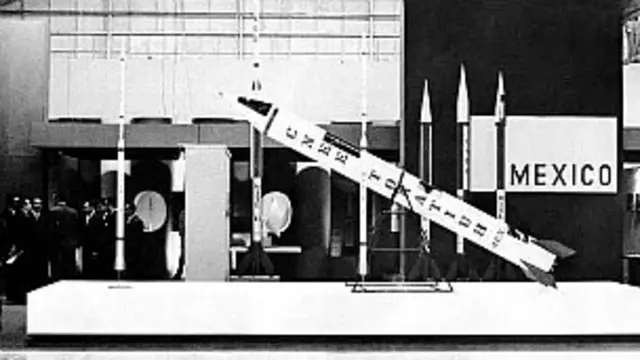
The enthusiasm didn't stop there. Between 1959 and 1961, the Ministry of Communications and Transportation, under the leadership of Engineer Walter Buchanan, built and launched the SCT-1 and SCT-2 rockets in record time. These rockets, replicas of German V-2 bombs and powered by liquid propellant, reached altitudes of 4 and 25 kilometers, respectively. The launches demonstrated that Mexico was ready to compete in the international arena. They were giant steps in the right direction, demonstrating that the country had the capacity to innovate and develop its own space technology.
In 1962, President Adolfo López Mateos created the National Commission on Outer Space (CONEE) with the goal of promoting research and the peaceful use of outer space. CONEE became a platform for Mexico to contribute significantly to the development of space technology. During its existence, the commission carried out several research programs, including the development of sounding rockets, the construction of launch sites, and the reception of meteorological satellite signals. It was a golden age for science and technology in Mexico.
However, in 1977, CONEE was dissolved by order of President José López Portillo. Many of the important projects that had been initiated remained unfinished. The dissolution of the commission was a significant blow to the country's space development. Despite these challenges, Mexico did not give up. In the 1970s, groups of experimental rocketeers from UNAM and IPN, including the University Society of Experimental Rockets (SUCE), which this author helped found, maintained their enthusiasm and launched solid-propellant rockets at different sites in the Valley of Mexico.
Later, in 1985, the SCT launched the Morelos 1 and 2 satellites, and, between 1993 and 1994, the Solidaridad system. These satellites contributed significantly to the advancement of telecommunications and space research. Subsequently, in 1996, UNAM successfully launched UNAMSAT-B through the efforts of the University Program for Space Research and Development (PUIDE).
In 2010, the Mexican Space Agency (AEM) was created, marking a new chapter in the country's space history. The AEM has worked hard to position Mexico on the international stage, collaborating with space agencies from other countries and promoting the training of new talent in the field of space science and technology.
The creation of the AEM was followed by other achievements, such as the launch of the MexSat system in 2011 and 2012. These satellites have significantly improved Mexico's communications infrastructure, once again demonstrating the country's ability to develop and operate advanced technology.
It is crucial to recount and remember this rich history of Mexico's space development, not only to honor those who have contributed with their work and dedication, but also to inspire new generations. Young space enthusiasts should be aware of these achievements and understand that Mexico has a place in the history of space exploration. By valuing and preserving these efforts, we can foster a future where space exploration continues to be a collective and global endeavor.
Knowing our history is essential. It not only helps us understand where we come from, but also inspires us to keep moving forward. Mexico's space history is a testament to its people's ability to dream and achieve the impossible. It is a story that should be told, celebrated, and remembered.
This is why we must continue to tell the story of Mexico's space development. We need to inspire new generations and motivate them to continue exploring and developing technologies that will allow us to go further. Space exploration is a global endeavor, and Mexico has an important role to play in this exciting journey into the Space Age.
https://a21.com.mx/opinion/2024/12/03/la-historia-no-contada-del-desarrollo-espacial-en-mexico/
Polytechnic Graduates Develop Sounding Rockets with Mexican Technology
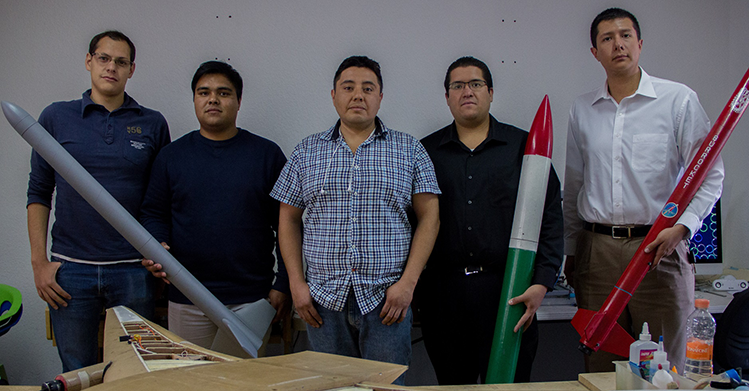
Graduates from the Ticomán Unit of the Higher School of Mechanical and Electrical Engineering (ESIME) of the National Polytechnic Institute (IPN) are designing and building sounding rockets using 100% Mexican technology to transport electronic payloads at altitudes of between five and ten kilometers, to validate engine, aerodynamic, navigation, and propulsion system tests.
Jonathan Rodríguez Castillo, Ramón Córdova Muñoz, David Gómez Herrera, and Rafael Sánchez Zamora founded the Mexican company Buró de Ingeniería y Diseño 360, which emerged from the Technology-Based Business Incubation Center (CIEBT). Its main focus is on developing and marketing equipment for aerodynamic testing, drones, and, primarily, the construction of launch vehicles (sounding rockets).
The polytechnicians explained that the first prototype of the rocket's fins was made on a 3D printer (using ABS plastic); the fuselage is made of cardboard or fiberglass; aluminum or titanium is used for the motors; they designed the parachute release systems for recovering the payload; the electronic system must be aerodynamic, since if the structure isn't sufficiently rigid, it can disintegrate.
The company has a Rocketmaster division responsible for this task, where they work on manufacturing rockets with less wind resistance so they fall faster and have a shorter launch distance.
First, the rockets go through a design engineering process based on CAD programs, using which they mold and build prototypes with 3D printers, where the fins are made, but with a cardboard fuselage.
Subsequently, they test the rocket's effectiveness by introducing it into the wind tunnels of the Ticomán Institute of Aerospace and Space (ESIME), with whom they have a collaboration agreement, as well as with the International Joint Unit (UMI) of the Center for Research and Advanced Studies (Cinvestav) for the development of technology in this field.
The polytechnic graduates indicated that their goal is to validate electronic tests above 11 kilometers in altitude (between 20 and 30 kilometers) and to build more robust and larger rockets using 100% Mexican technology and adequate safety measures.
Unfortunately, the country lacks safety regulations to govern this type of launch (they rely on American legislation on the subject), so they are working with the Mexican Space Agency (AEM) to ensure that this will be in place within a maximum of five years.
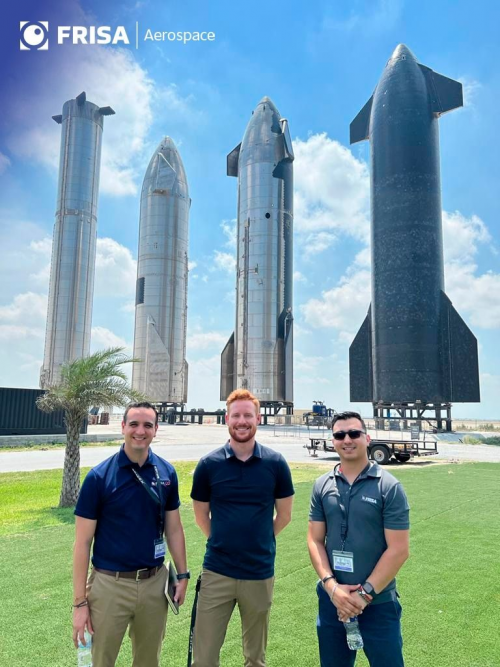
Finally, they stated that they offer courses to high schools and colleges to foster and encourage students' interest in the aeronautical sector, especially rocket technology. https://www.ipn.mx/imageninstitucional/comunicados/ver-comunicado.html?y=2018&n=99 NUEVO LEON - The Monterrey-based company Frisa will invest US$200 million to increase the capacity of its plants located in the municipalities of Garcia and Santa Catarina, said Eduardo Garza T Junco, president of the company.
He indicated that these resources will be used basically to develop special steel and aerospace products, so the capacity of the forging and aerospace plants will be increased.
"We are taking advantage of the growth we are seeing in the North American region, and we are going to increase production in the aeronautical sector and develop markets for special export steels," he said in an interview at Expo Pyme 2023.
Regarding the supply to Elon Musk's company Space X, Garza T emphasized that it was a relationship that started very technically in a process that took a year and a half, but today Frisa is the main supplier of products for engines that go under the launch rocket.
"Every time there is a Space X launch, there is a product made in Santa Catarina," emphasized the executive.
When questioned about Frisa's relationship with the automotive industry, he commented that they participate indirectly by supplying the tools used by the automotive manufacturing companies.
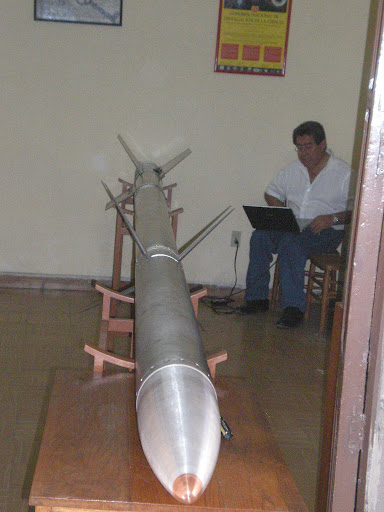
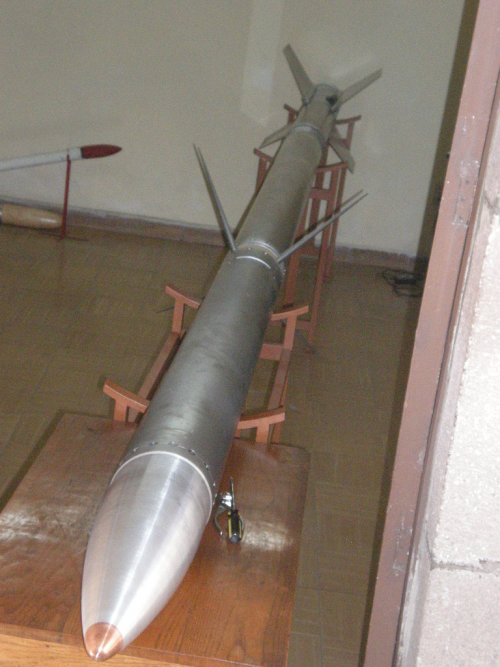
The legacy of Cabo Tuna continues today; INMEU, A.C. presents its newest developments in liquid-fueled sounding rockets. The first rocket in the new series, the smallest, considered a training rocket, is on display at the Museum of the History of Science in San Luis Potosí.
JFCR-2000
After 52 years, a liquid-fueled rocket has been built in Mexico. The rocket is named after one of the pioneers in space rocket experimentation in San Luis Potosí: Juan Fernando Cárdenas Rivero.
Below are images of it.
Liquid-fueled rocket JFCR-2000 with its creator, Phys. Gerardo Saucedo Zárate-INMEU, A.C., assembled at the Museum of the History of Science in San Luis Potosí.
S.Estrada http://galia.fc.uaslp.mx/museo/espacio/9.htm
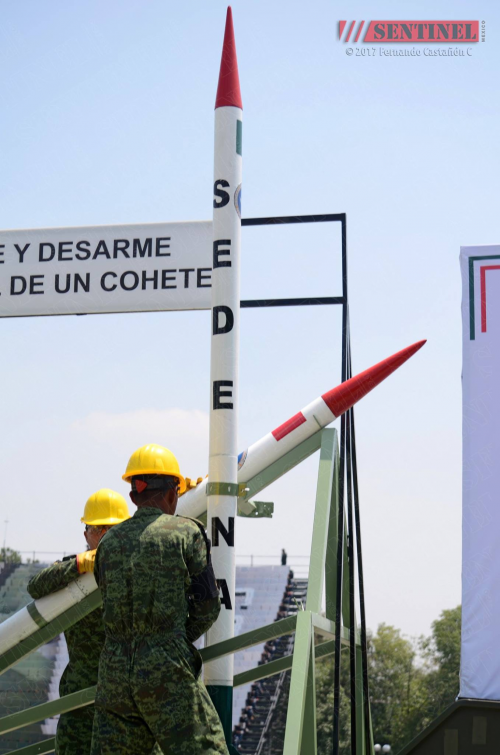
Probe-type rockets designed and developed by the General Directorate of Military Industry (DGIM).
Source
Sentinel Mexico, Facebook, 11 of March 2017
For the first time, satellites developed in Mexico by national engineers and promoted by private initiative were put into orbit.
The launch took place on August 18 from the Gobi Desert, marking a historic event for the Mexican aerospace industry.
According to Tomás Sibaja, President of the Baja California Aerospace Cluster, the devices were manufactured in Ensenada by Thumbsat, a Mexican-owned company with partners in the United Kingdom.
The firm began operations in Tijuana eight years ago and later moved its production center to Ensenada.
The construction of the satellites was completed two years ago, but the biggest challenge was complying with international regulations and securing a launch site. Initially, India was considered, but ultimately an agreement was reached with China.
The project reflects the technical and scientific capacity that has been consolidated in Baja California thanks to the joint work of universities, postgraduate programs, and technical institutions.
For the sector, this achievement is a firm step toward strengthening the space industry in the region.
Sibaja highlighted that this initiative is aligned with the national vision of having its own satellites and opens the door to future projects led by Mexican talent. The participation of the private sector marks a change in the way innovation is promoted in this field.
With this launch, Mexico joins the ranks of countries that develop space technology through private investment and local talent, placing the national industry at a new level of international competitiveness.
The aerospace industry in Querétaro is at a key moment to consolidate its growth. Jatziri Barrios, president of the Querétaro Aerocluster, shared that the sector maintains annual growth projections of between 10% and 15% for the next five years.
However, this progress will depend on addressing strategic challenges such as talent development, specialized infrastructure, and industrial sustainability.
Barrios emphasized that one of the greatest opportunities lies in strengthening human capital by adjusting curricula to the technical needs of the industry in order to shorten the time it takes for graduates to enter the workforce.
The Aerocluster works together with universities, government, and companies to create training and specialization programs that increase the competitiveness of the supply chain.
In terms of infrastructure, the sector identifies the need to expand industrial parks, guarantee energy capacity, and develop advanced manufacturing technologies. These actions will allow companies at different levels—from OEMs to Tier 4—to expand operations and meet growing global demand.
Another area of work is sustainability. The Aerocluster promotes collaborative projects with other state clusters to promote best environmental practices and mitigate impact at all stages of the supply chain.
This not only responds to international regulations but also increases Querétaro's attractiveness as a responsible investment destination.
The president pointed out that the state has unique competitive advantages. It also has a solid academic base with the Aeronautical University in Querétaro.
A diverse and consolidated industrial ecosystem, institutional support for investors, and a strategic location with first-class road and air connectivity.
These conditions, combined with the quality of life, position Querétaro as a strategic point for nearshoring in the aeronautical sector. https://mexico-now.com/category/aerospace/
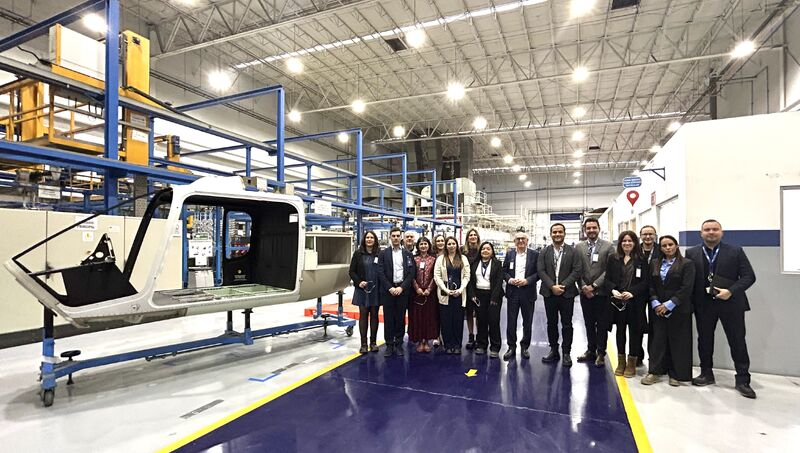
It was a pleasure to welcome the visit of the General Deputy of Alava to Aernnova Mexico.
Aernnova Mexico started operations in 2008, in Queretaro, opening two industrial facilities for the manufacturing of metallic components, both machining and sheet metal, and the assembly of large, complex aerostructures, with the aim of gaining access to the North American Aerospace market and improve cost competitiveness, within the US dollar area. Part of the world's top 10 aerostructures manufacturing companies, Aernnova is an aerospace industry leading company, specialized in the design and manufacturing of structures and components, such as wings, empennages and fuselage sections.
Sitio webhttp://www.aernnova.com/es/presencia-global/aernnova-mexico/
SectorAeronáutica y aviación
Tamaño de la empresaDe 201 a 500 empleados
SedeQueretaro, QRO
TipoDe financiación privada
EspecialidadesWings, Empennages, Fuselages, Helicopter Cabins and Tail-cones, Machined Parts, Sheet Metal Parts y Surface Treatment
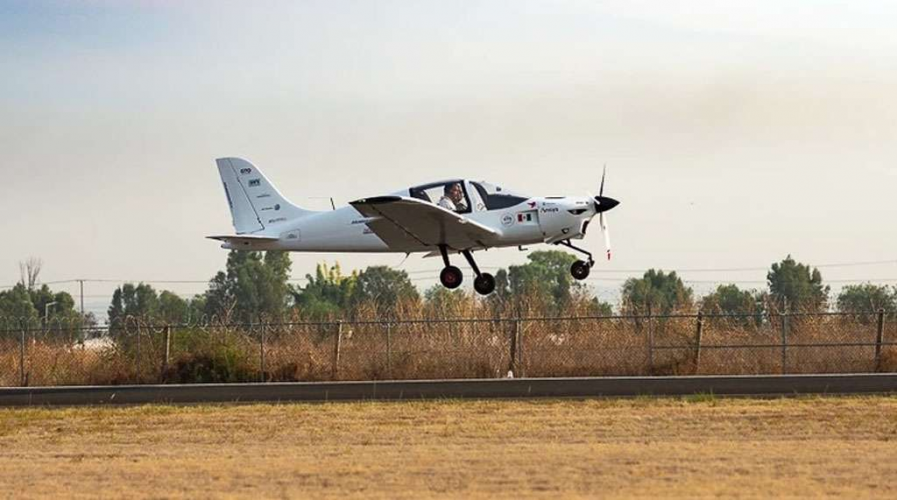
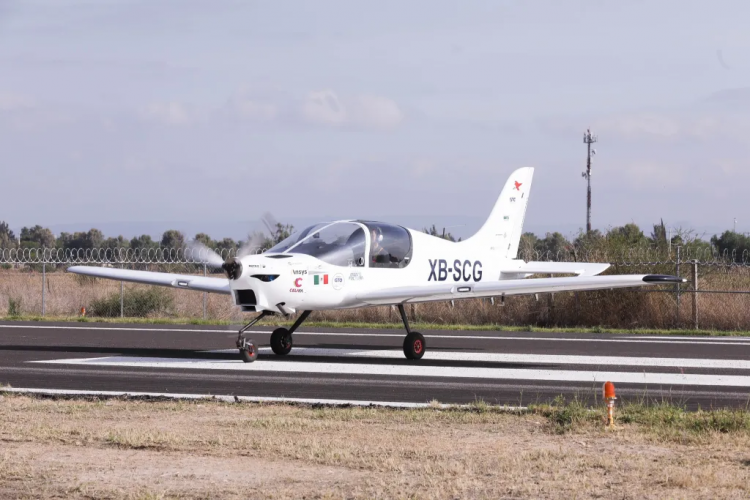
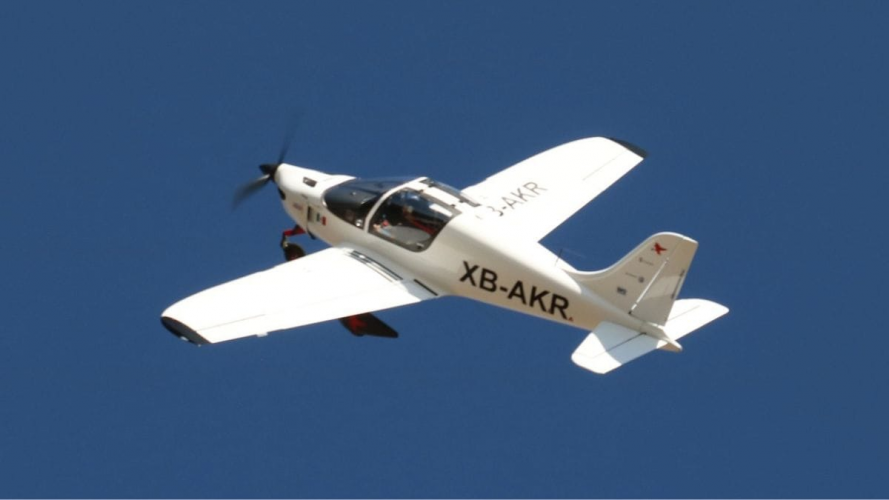
Halcón 2.1, the first sports aircraft made into series production in the 21st century Mexico, takes off. It costs 1/3 of an used Cessna and it can fly from Mexico city to the US-Mexico border (around 1500 km) on just 97 liters of regular gasoline used for cars
Sep 11, 2025
Horizontec's Halcón 2.1 obtained AFAC certification for serial production, marking Mexico's return to the global light aircraft market.
US Navy Contracts Gentex Mexico for 5,000 PURSUIT Helmet Systems:
Under the agreement, the PURSUIT Helmet System will be fielded across all US Navy fixed-wing aircrew platforms, including the E-2D Advanced Hawkeye, F/A-18 Super Hornet, EA-18G Growler, T-45 Goshawk, T-6 Texan II, and the future Undergraduate Jet Training System (UJTS). The helmet will replace the legacy HGU-68P helmet, also produced by Gentex. The F-35 is excluded from the program, as it uses a platform-specific helmet system.
PMA-202 selected the PURSUIT helmet after several years of development and qualification under the NGFWH program, which aims to deliver a lighter, more adaptable helmet addressing long-standing operational concerns among naval aviators. These include neck and spine strain, helmet imbalance caused by the integration of helmet-mounted displays (HMDs) and night-vision goggles (NVGs), and injury risks associated with ejection events.
According to the US Navy, the NGFWH must meet requirements for ballistic protection, ejection seat compatibility, integration with oxygen and communications systems, and interoperability with current and future HMD and NVG solutions. Gentex said the PURSUIT system meets these requirements through a modular architecture, lightweight construction and an optimized center of gravity, enabling certified protection up to 600 knots equivalent airspeed (KEAS).
This site uses cookies to help personalise content, tailor your experience and to keep you logged in if you register.
By continuing to use this site, you are consenting to our use of cookies.