Mexico City, April 25, 2025 – Leading representatives of the Mexican aeronautical industry announced the winners of the national competition to accelerate the development of Sustainable Aviation Fuels (SAF) at the FAMEX Aerospace Fair. For the 2025 edition, the three finalists were:
The team from the Yucatán Scientific Research Center in Mérida proposed producing SAF from nejayote (a residue from the corn nixtamalization process) and henequen waste using the Alcohol-to-Jet (ATJ) route. This experimental process includes the conversion of bioethanol into SAF.
The team from the National Polytechnic Institute in Mexico City proposed producing SAF from Agave angustifolia. This project demonstrated that Mexico has sufficient land available to sustain production.
The CIATEC team in Guanajuato proposed the development of an alternative technology for the production of SAFs called furans to jet (FTJ), based on the conversion of agricultural waste (corn stubble, wheat straw, sorghum bagasse, and sugarcane) into bioturbosine.
The initiative, launched in January 2024, included the participation of Aeroméxico, Airports and Auxiliary Services (ASA), the National Chamber of Air Transport (CANAERO), the Mexican Council for Aerospace Education (COMEA), the Mexican Federation of the Aerospace Industry (FEMIA), the Mexico Aerospace Fair (FAMEX), the International Air Transport Association (IATA), the International Coalition for Sustainable Aviation (ICSA), Viva, and Volaris.
In my life experience I have realized aviation is a business,
In Latin America there are several models of aviation industrial development.
The most successful is Brazil, followed by Mexico and Colombia and later Argentina and Chile.
Brazil combines local talent and industry with well developed international alliances.
Embraer exemplifies a local company that has connections to aircraft giants from other nations to lead aircraft programs.
In Mexico Frisa, MIMSA or AT engine are the most advanced companies because they have become suppliers to important aerospace programs from Space X to Safran and GE jet engines.
Colombia has an important light aviation industry, with more than 700 light aircraft built.
Argentina had many important programs but it has not been able to profit economically with a really advanced aviation industry.
Chile has a small aircraft industry.
The current Mexican model is become suppliers of important aircraft giants.
"We've been in the aerospace industry for approximately 8-9 years, during which time we've developed this niche and established business relationships with several major clients and large OEMs, supplying production parts," López highlights. Thanks to these efforts, MIMSA has been approved as a Tier 1 aerospace supplier for renowned companies such as Boeing Airplanes, Safran, GE Aerospace, and Honeywell.
https://www.metalmecanica.com/es/no...aves-de-un-tier1-en-la-industria-aeroespacial
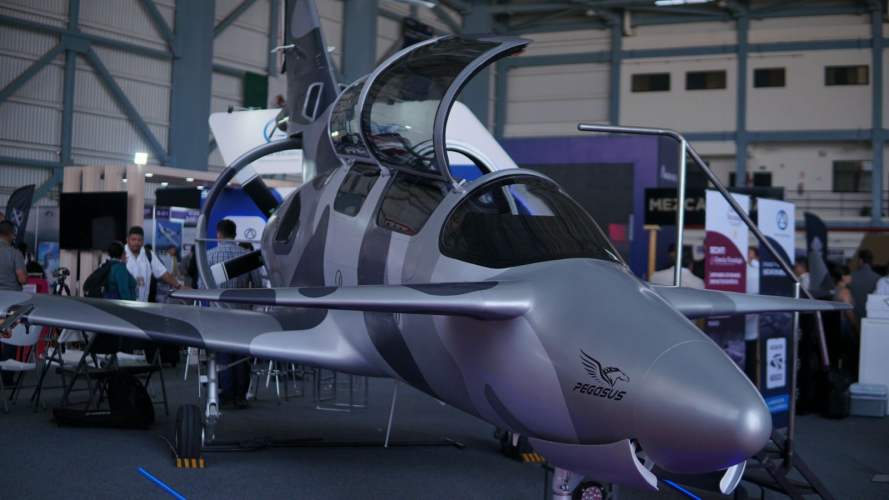
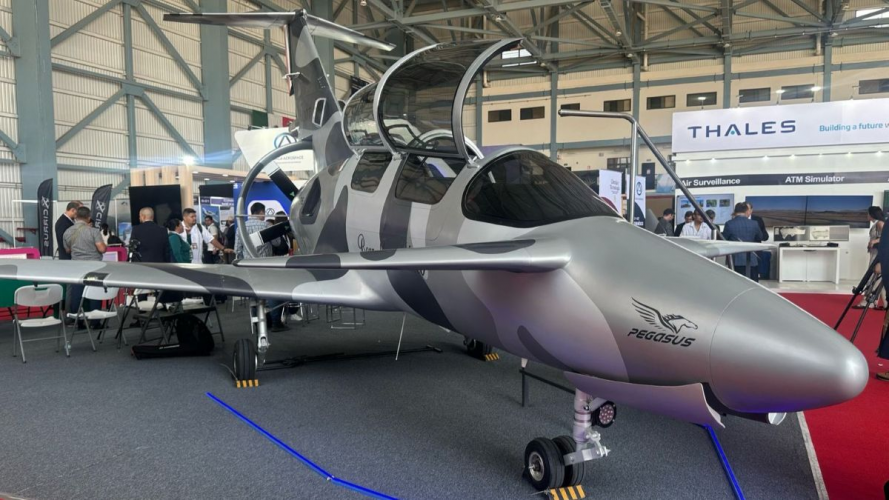
PE-210A Specifications:
Range: 1,600 km | Max. Speed: 210 knots | Endurance: 4–5 h | Payload: 350 kg | Cockpit: Tandem with 300° vertical and 240° horizontal vision | Materials: Aluminum and composites | Wing: Canard + swept main | Engine: 300 HP turbojet with ducted propeller | Avionics: Garmin G3X (customizable) Its modern and economical design makes it a strategic option for armed forces and civilian operators.
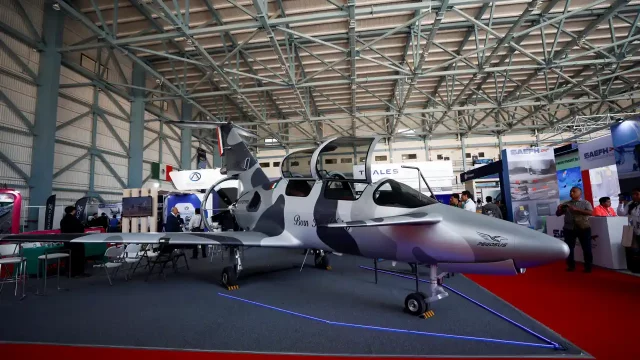
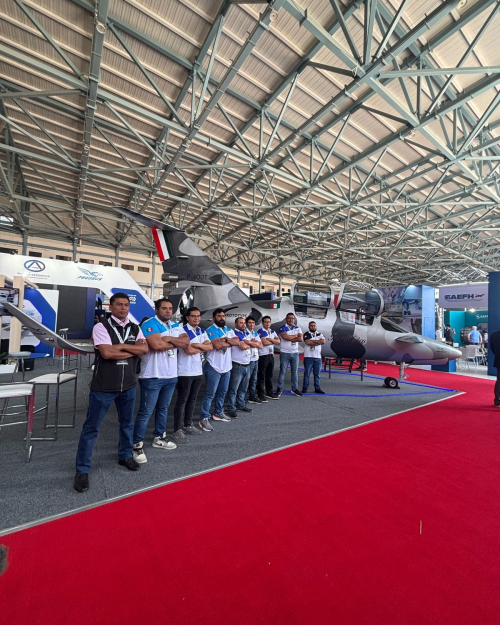
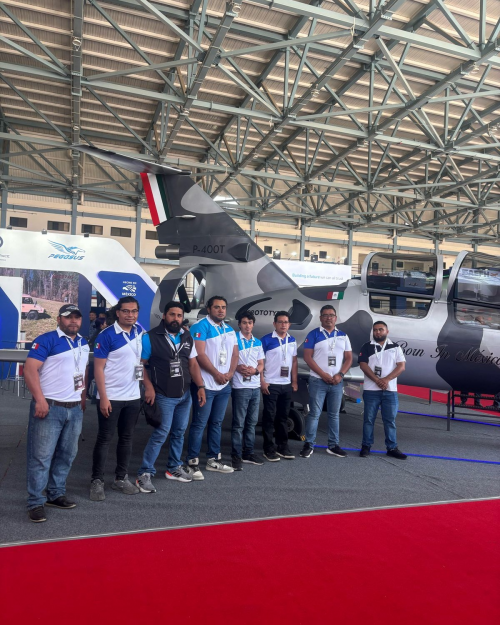
Pegasus P-400T: An advanced and versatile platform, still under development, it is designed for primary training and tactical missions such as reconnaissance, high-speed general aviation, and light attack.
P-400T Specifications: Range: 1,800 km | Max. Speed: 240 knots | Autonomy: 4–5 h- Resistance: up to 7G- Propulsion: Ducted propeller + auxiliary turbine- Structure: Tandem with panoramic vision- Reinforced retractable landing gear- Avionics: Garmin G1000 (customizable)
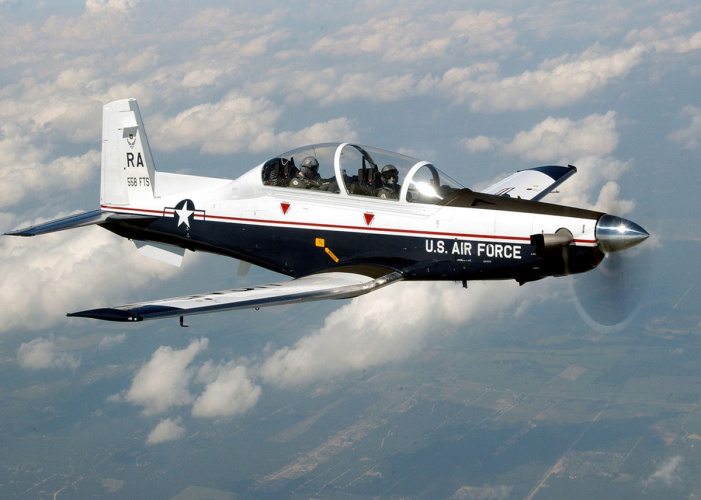
The Pegasus from Oaxaca aerospace repeats a model that could or could not work, because they designed an aircraft that costs USD $3 million dollars that competes with established aircraft like the Beechcraft Texan II that cost USD $10 million dollars but lacks the prestige and economic logistics developed to grow in the third world aircraft trainer market. The Halcon 2 from Horizontec is much cheaper to operate and purchase only USD $179,000 dollars per aircraft, but since it is targeted for aviation schools and private owners it is hard to see its future.
The Mexican company Horizontec received the "Made in Mexico" certification for assembling a 100 percent Mexican aircraft using advanced technology and its own development. Giovanni Angelucci, the company's CEO, received this certification at the 2025 Mexican Aerospace Fair (FAMEX).
Horizontec is a Mexican company located in Celaya, Guanajuato, dedicated to designing, developing, and manufacturing aircraft using cutting-edge technology and advanced composite materials. They are the creators of the first aircraft, the Halcón 2.
Since 2014, the company has developed this technological advancement in aviation with the Halcón 1. It was in February 2024 that Horizontec received the production certificate from the Federal Civil Aviation Agency (AFAC) to market the Halcón 2.
"I am going to present this certificate, which you have earned with great pride. Mexico has not developed its own aircraft for many years. This aircraft will be licensed very soon. You will see it on the market," commented Marcelo Ebrard, Mexico's Secretary of Economy.
Halcón 1
The flight for a dream began with the manufacture of the Halcón 1 (H1), a wooden aircraft with a maximum takeoff weight of 600 kilograms and a speed of 222 km/h. The Falcon I made its first flight on September 30, 2017.
Falcon 2
A two-seat light sport aircraft (LSA), constructed of composite materials and powered by a 141 HP Rotax 915is engine. A versatile, safe, and easy-to-fly aircraft, it is designed for flight schools (training future Mexican pilots), aerial surveillance, and recreational flights.
Horizontec products feature cutting-edge engineering, and are therefore committed to meeting the highest international design and quality standards, as well as ensuring state-of-the-art design and manufacturing, using ASTM standards.
However Mexico is well established in the area of suppliers building aircraft parts for big companies and landing investment in the country..
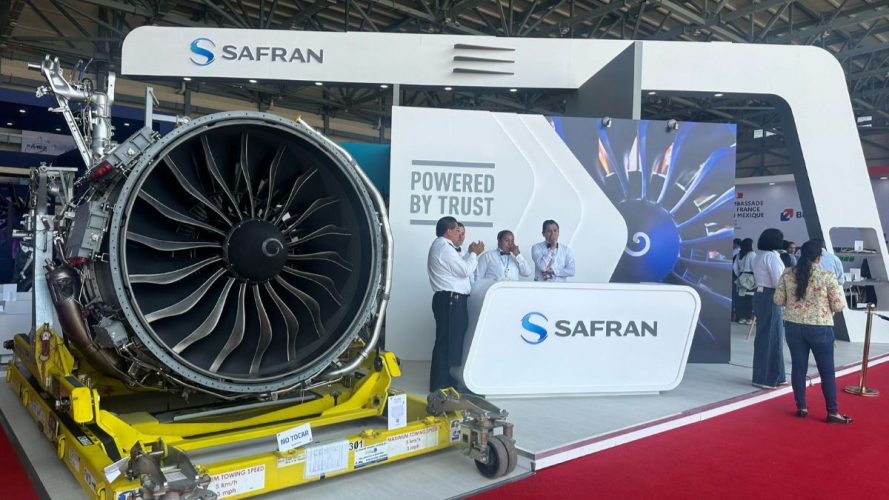
There is now a assembly and manufacture of parts of complete Leap engines by Safran in Queretaro
Safran’s recently announced $75 million investment in a new factory in Mexico is part of the French engine maker’s concerted response to meeting the exceptionally high levels of demand for the Leap engines it produces through its CFM International joint venture with GE Aviation. By the end of 2017, the new plant at Queretaro, 125 miles north of Mexico City, will start producing 3-D woven composite fan blades for the Leap turbofans. By 2021, the facility, which is being built in partnership with U.S. company Albany International, is expected to reach an annual output rate of more than 20,000 blades.
Mexico ranks fifth in terms of foreign direct investment (FDI) in the aerospace sector and the 12th largest exporter of components worldwide, according to the Mexican Federation of the Aerospace Industry (FEMIA).
With a market currently valued at $11.2 billion, it is expected to reach $22.7 billion by 2029, driven by annual growth of more than 15%. At the end of the first half of 2024, 386 aerospace companies operated in 19 states, with 370 specialized plants that generate more than 50,000 direct jobs and 190,000 indirect jobs, consolidating this industry as a pillar of Mexico's economic and technological development.
In this context, the Mexico Aerospace Fair (FAMEX) 2025 opened its doors from April 23 to 26 at Military Air Base No. 1 in Santa Lucía, State of Mexico. This event, considered the most important of its kind in Latin America, brought together 337 companies, representatives from 48 countries, and 73 aircraft on display, including iconic models such as the United States Air Force F-35 and the Spanish Air Force Airbus A400M. In addition, 20 partner air forces, 12 national and international universities, and diplomats from 40 nations participated.
A strategic platform for the aerospace sector
As part of Plan Mexico, FAMEX seeks to position the country as a global leader in manufacturing, technological innovation, and sustainability in the aerospace sector. The director of the Fair Committee, Disraeli Gómez Herrera, emphasized that this comprehensive effort not only promotes trade and foreign investment but also fosters the creation of highly skilled jobs. During the three-day event, conferences and business meetings will be held to strengthen international cooperation in areas such as artificial intelligence, sustainability in aviation, and autonomous systems, including drones.
Brazil, as the guest of honor, and Querétaro, a leading state in the Mexican aerospace industry, have a prominent presence at this edition. Additionally, the first official presentation of the Mexican Army's "Guerreros Águila" jump team will take place, complementing a program that blends technological innovation with cultural and commemorative events.
Mexico: Past, Present, and Future of Aviation
This year, the fair also celebrates the 110th anniversary of the Mexican Air Force and the 80th anniversary of the end of World War II, reinforcing Mexico's role as a relevant player in the history of global aviation. Beyond the commemorative events, the event reflects the exponential growth of a sector that has taken advantage of its proximity to the United States, the development of specialized clusters, and the promotion of public policies to attract foreign investment.
The impact of FAMEX transcends its mere trade fair nature, establishing itself as a platform for economic and technological opportunities. This year, it is expected to strengthen Mexico's competitiveness in the global market and reinforce its position as a key destination for aerospace manufacturing, thanks to its high standards of quality, innovation, and sustainability.
With record participation and a comprehensive program, FAMEX 2025 demonstrates that the future of the aerospace industry is closely linked to Mexico's strategic development, positioning it as an undisputed leader in aerospace manufacturing and technology worldwide. https://mexicoindustry.com/noticia/...s-con-mayor-inversion-extranjera-aeroespacial
The overall objective of the Thermal Air Surveillance System (SITVA) is to increase the physical security of crews and flight equipment. It was developed at the Air Force Research and Technological Development Center, in collaboration with the José Mario Molina Pasquel y Henríquez Technological Institute (Zapopan Campus)
In order to consolidate its leadership in the aerospace industry, the state of Baja California forged strategic alliances during the Mexican Aerospace Fair (FAMEX) 2025, through the Ministry of Economy and Innovation and the ProBaja platform, in collaboration with the recently created Baja California Space and Aeronautics Cluster (CEA-BC).
It is noteworthy that the state has 94 companies in the sector, accounting for 21% of the aerospace sector in the country. It generates more than 40,000 jobs, including engineers, technicians, and operators, and has a strong supplier base made up of more than 339 companies.
One of the key moments at the fair was the meeting with the French Ambassador to Mexico, Delphine Borione, strengthening the relationship between Baja California and the European country, a strategic player in the aeronautical sector. Meetings were also held with leaders of SAFRAN, the largest aerospace employer in Mexico, and with the Canadian company Meloche Group, which confirmed its upcoming visit to the state to evaluate investment opportunities.
Baja California also strengthened ties with Arizona through the Arizona Commerce Authority, with the goal of strengthening binational cooperation in aerospace. Additionally, the state held meetings with GE Aerospace, promoting the development of local suppliers through the ProBaja Capabilities Portfolio.
Its participation represents a strategic alliance between leading companies, suppliers, universities, and public entities, fostering an environment of collective growth, professionalization, and international visibility.
As part of Guanajuato Governor Libia Dennise García Muñoz Ledo's working tour in Houston, the Secretary of Economy, Claudia Cristina Villaseñor Aguilar, accompanied her to a meeting with María Elena Orantes, representative of the Mexican Consulate in Houston, and businessmen from different industries, to strengthen international ties and promote Guanajuato's competitive advantages.
This collaboration seeks to strengthen commercial ties and consolidate bilateral business in key sectors such as aerospace, energy, tourism and automotive.
Likewise, in a meeting with the Official Mexican Business Chamber (COME), the Governor invited businessmen and women to invest in Guanajuato, highlighting its economic strength, its training and education ecosystem, and the rule of law that provides certainty to companies that choose to establish themselves in the state.
As part of the agenda, the Secretary of Economy, Claudia Cristina Villaseñor Aguilar, visited, on behalf of Governor Libia Dennise, the Houston Spaceport, an aerospace innovation center located at Ellington Airport, which houses global leaders such as Axiom Space, Intuitive Machines and Collins Aerospace.
During the meeting, a collaboration proposal was presented focused on the development of specialized human capital, with the vision of training young people from Guanajuato in key skills to strengthen their employability in the aerospace industry.
In addition, it was agreed to explore collaboration mechanisms with companies located at the Spaceport to identify specialized supply opportunities, seeking to integrate Guanajuato companies into global supply chains.
Finally, companies in the aerospace sector will be able to learn first-hand about the industrial infrastructure, innovation centers, technology parks and human talent that position Guanajuato as a strategic destination for investment and global technological development.
With these actions, the Government of the People, through the Ministry of Economy, reaffirms its commitment to continue positioning the state as a benchmark in innovation, advanced manufacturing and foreign investment, generating quality jobs and expanding development opportunities for the people of Guanajuato.
https://mexico-now.com/guanajuato-strengthens-its-leadership-in-the-aerospace-industry/
The state of California, USA, if it were a country, would have the fourth largest economy in the world - according to recent data added to this article. Baja California has been part of the aerospace economic muscle of the West Coast of the United States since 1966. As natural allies in the aerospace industrial development of our entity, at FAMEX 2025, Military Air Base No. 1, Santa Lucía, Edomex, we signed an MOU with "Space Return, The California Space Cluster", a California Space Cluster, USA www.spacereturn.org with a radius of influence in Los Angeles and counties of Southern California, with the goal of leveraging our strengths in talent, industrial development, technological innovation, and supply for critical space missions. This ceremony was held at the stand of Eng. Manuel Langarica, CEO of Cableados y Plásticos (CYPSA), a leading Mexican SME supplier of cables and harnesses - a member of the Baja California Aerospace Cluster. We appreciate the presence of Dr. Theresa Padilla and Diego Padilla, President and CEO, respectively, for this significant ceremony marking a milestone in the binational collaboration of our members in the space race. We also thank Gabriele Pérez, CEO of Able Aerospace; Elfido Ramos, Supply Chain Manager SSNA, at Safran Group Mexico; Carlos Duarte, expert in Human Capital Development in the Space Field; and Christian Sánchez, President of the Commission for Women in the Aerospace Industry, who served as Witnesses of Honor at this significant meeting, along with members of the Baja Aerospace Delegation.
Visit us at www.bajaaerospace.org
Howard Hughes established the first aerospace company in the city, Hughes Aircraft, more than 40 years ago.
A solid location for aerospace investments. It seeks its experienced workforce, proximity to the supply chain, and first-class infrastructure.
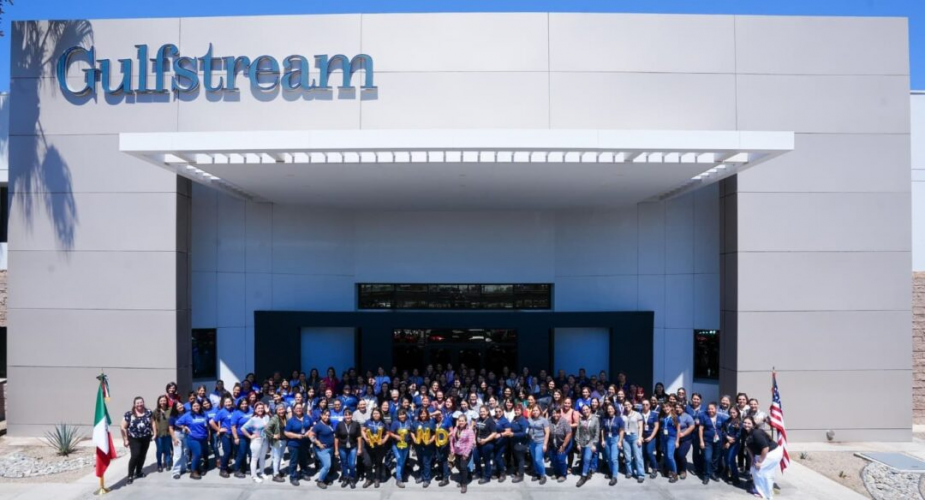
Gulfstream (Savannah, GA) assembles 70% of its exclusive jets in Mexicali.
Honeywell (Morristown, NJ) designs and tests electrical systems for next-generation aircraft.
United Technologies Aerospace Systems (Chula Vista, CA) manufactures nacelle system components for the Boeing 787 Dreamliner.
Growing Mexican market with European, American, and Canadian companies established throughout the country seeking qualified suppliers in the region. https://mexicaliedc.com/aeroespacial/?lang=es
Gulfstream Aerospace Corporation has announced a significant US $370 million investment to build a new 540,000-square-foot plant in Mexicali, Baja California, creating 1,500 specialized jobs. This new plant will boost Gulfstream's operations in the region, further solidifying Baja California's position as the heart of Mexico's aerospace industry. With this expansion, Gulfstream will have over 5,000 employees in the region, continuing to contribute to its robust aviation and aerospace sector. Visit www.MexicoNewsDaily.com for more.
Embraer and Zodiac to Operate Plant in Mexico
Embraer has reached an agreement with Zodiac Aerospace to create a partnership that will manufacture cabin components for the Embraer 170/190 family of jets, the Brazilian company announced
Globally, Embraer has 19,000 employees and one fifth of its engineers.
Gomes reported that there are more than 100 Embraer aircraft flying in Mexico. Of course, more than 50 executive aircraft, three belonging to the Mexican Air Force and the rest are commercial aircraft.
“Embraer has a portfolio of products that is tailored to develop more businesses and collaboration with Mexico,” said Gomes about participating in the Mexico-Brazil Business Forum in Mexico City on the second fair.
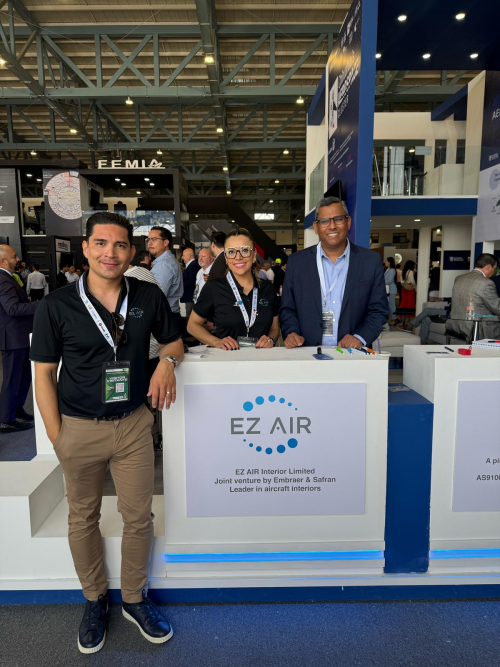
A subsidiary of this company, EZ Air Interior Limited, operates the Embraer factory in Chihuahua. It produces interior parts for its Commercial Aviation segment. The factory started production and shipping parts to Brazil in 2013. It reached its total production capacity in January 2015.
Embraer is positioned as the world's leading manufacturer of 150-seat aircraft. She finds one of her main opportunities in the direct substitution of her products. In particular, this is the case in regions where their aircraft are only visible, such as North America and Europe.
Also, specific markets, such as India, Brazil, Turkey and Saudi Arabia, present great potential. This is due to the increasing development of regional aviation.
On the other hand, the aircraft segment with less than 150 seats is experiencing global growth. Or reason? There is a need to adjust the size of the airlines' air carriers.
In 2023, the company will have a receipt of US$ 5.3 billion, two 93.5% denominated in US dollars.
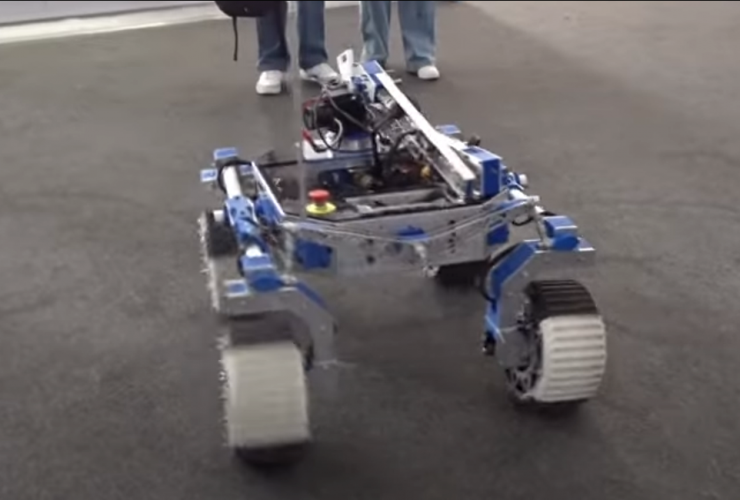
Quantum Robotics unveils its Mexican-made Mars rover at FAMEX 2025
The Quantum Robotics Team Presents Its Rover for Mars Exploration at FAMEX 2025Quantum Robotics is a Mexican team dedicated to building space rovers. They have participated in international competitions such as the University Rover Challenge, where the limits of engineering are tested. Artificial intelligence plays a key role in space robotics, including autonomous rovers for space exploration. Quantum Robotics is at the forefront of this technology, integrating AI into its designs.
On the third day of activities at the Mexico 2025 Aerospace Fair (FAMEX), Marcelo Ebrard, head of the Ministry of Economy (SE), presented the "Made in Mexico" certification to Horizontec, the developer of the Halcón 2 aircraft."It is very significant to be able to present the Made in Mexico certification for this aircraft today. This aircraft is 100 percent Mexican. I want to emphasize that," the secretary stated.
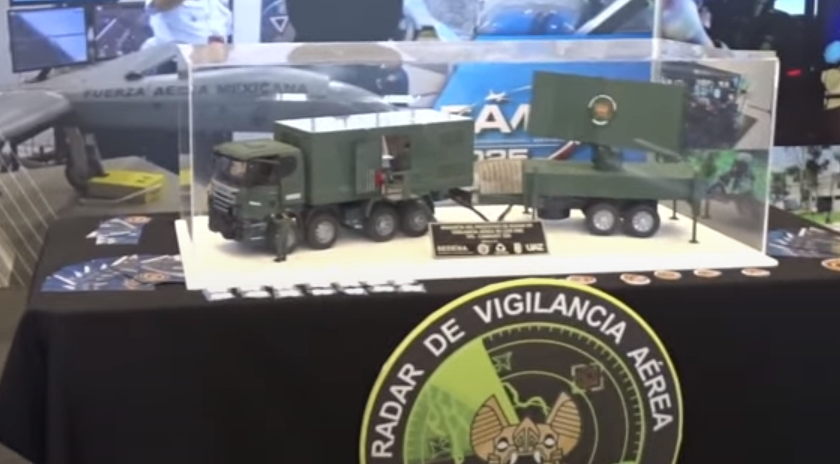
The Camazot 220 radar is a 3D air surveillance radar system under development in Mexico, with a range of 220 km. This project seeks to strengthen the Command and Control Center of the Mexican Armed Forces with domestically designed and built technology. Development is being led by the C.I.D.T.F.A. (Center for the Defense of the Caribbean), under the leadership of CIDEFAM. The initiative underscores the importance of technological autonomy in the field of defense
Zodiac Aerospace has worked in the aeronautics business for over 100 years but the group took until 2006 to establish operations in Mexico. In only 10 years, Zodiac’s operations in the state of Chihuahua have climbed from one to five plants and infrastructure now covers 55,000m2. In the same period, Zodiac has become embedded in the heart of Chihuahua’s aerospace manufacturing.
Chihuahua’s site began its operations producing different evacuation systems such as slides. Eventually, the facilities expanded and other group activities were incorporated. In 2015, the corporation Zodiac Aerospace Equipo de Mexico was created and as of today it runs nine different business units.
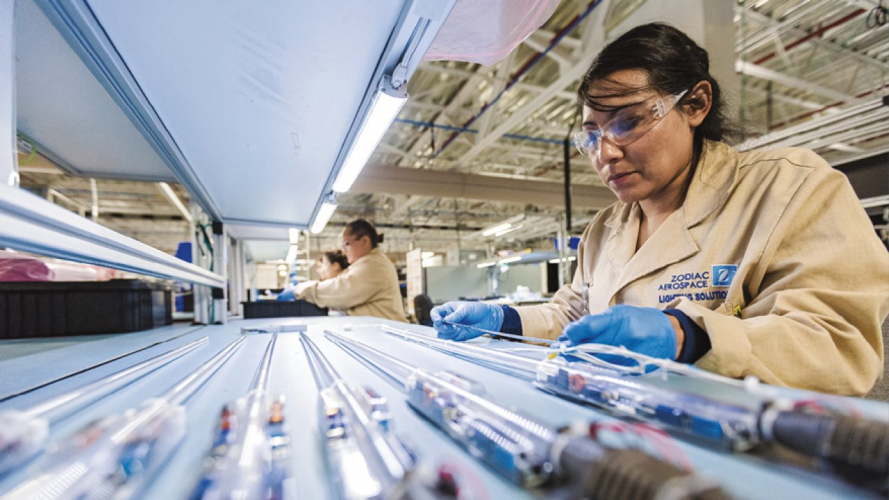
The Evacuation Systems’ unit comprises the production of several inflatable safety products such as evacuation slides, life rafts, life vests and flotation equipment for helicopters. Zodiac’s Interconnect business unit is in charge of designing and manufacturing components used for protecting and managing wires, either for static or dynamic applications.
Zodiac’s water & waste aero system also has operations in the state and is responsible for manufacturing cabin systems and equipment such as toilets, airstairs and vacuum waste integration systems. Its lighting solutions target the production of technologies for deck light plates and control panels, among other components. The aero electric unit manufactures flight deck equipment and power distribution systems. The seats, seat shells and actuation system divisions can also be found in the Chihuahua site. The inflight innovations business unit focuses on generating entertainment inflight solutions through the RAVE SDU touch-screen.
Zodiac’s operations in the state are not limited to manufacturing. The company has collaborated with local universities that develop courses to suit the engineering needs of the aerospace industry. The company also carries out R&D activities in Mexico, particularly for its seats unit.
Zodiac’s facilities in Chihuahua employ nearly 3,000 people in three of the company’s most profitable business areas. The latest 4,600m2 expansion opened in August 2016 and demonstrates that Chihuahua has become a cornerstone to the group’s industrial capacity.
The Institute for the Support of Technological Development (INADET) and Safran Aerosystems have launched a collaboration to bolster human capital development in Chihuahua’s aerospace sector. This partnership includes the inauguration of the Industrial School, a specialized facility designed to train operators in the manufacturing of evacuation slides, a key component in aerospace safety.
“Each time a new project comes up, we say yes because we know we have an ecosystem that supports us: the government, the industry, and academia,” says Ulises Fernández, Director, Ministry of Innovation and Economic Development (SIDE).
The Industrial School will serve as a training ground where workers will acquire the skills needed to meet the high safety and quality standards required in the aerospace industry. "Such initiatives solidify Chihuahua’s position as a leader in the aerospace industry," says Jorge Acosta, General Manager, Safran.
The training was conducted in collaboration with the High Technology Training Center (CENALTEC), which is part of the initiative to provide specialized instruction for high-demand roles in aerospace manufacturing.
Since its inception, INADET has trained over 270,000 individuals. Of this total, 78% have been trained in the last three years, underscoring the growing demand for specialized talent to meet the needs of the aerospace sector.
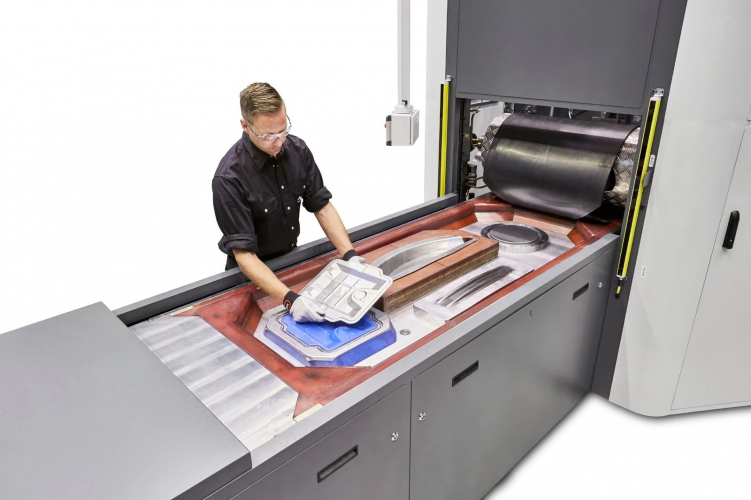
Quintus Technologies has been selected by Gulfstream Aerospace Corporation, business-jet manufacturer, to provide a modern high-pressure fluid cell press. The Flexform press is destined for Gulfstream’s Mexicali, Mexico, facility, which produces wiring harnesses, sheet metal components, subassemblies, and machined parts.
The Flexform process requires only one rigid tool half; the other tool half is a flexible rubber diaphragm under uniform hydrostatic pressure. This design approach generates significant tool cost savings and eliminates several forming operations, intermediate heat treatments, and operator dependencies.
“The efficiency and short cycle time of our state-of-the-art fluid cell presses make them a real asset in the aircraft manufacturing environment, where surging demand and an emphasis on just-in-time production are key considerations,” commented Jan Söderström, CEO of Quintus.
The 17,000t press-force Quintus fluid cell press applies a forming pressure of 11,600 psi (800 bar) over a sizeable forming area of 700 x 1800mm. Its installation will allow Gulfstream to redirect component production from an ABB press (the former brand name of Quintus).
Ed Williams, Quintus general manager–Americas, said: “Our modern, high-pressure presses can be expected to deliver outstanding technical performance. Quintus is committed to being a valuable partner providing high-level process.”
“We have a long and strong business relationship with Gulfstream and are pleased to see it continue with this installation,” Söderström added. “Gulfstream’s investment in an additional Quintus press tells us that our products and services are appreciated. We continuously work hard to improve our technology and our performance, in order to maximize value to our customers.” https://www.aero-mag.com/quintus-high-pressure-fluid-cell-press-selected-gulfstream-aerospace
PARIS – Within the framework of the Paris Air Show, the government of Baja California stood out as the entity with the largest number of aerospace manufacturing companies in Mexico, with the presence of brands such as Honeywell, Safran, Collins Aerospace, Gulfstream, Lockheed Martin, others
Currently, the aerospace industry in the state is made up of more than 110 companies. In 2017, the entity generated US$2 billion in exports and offered more than 35,000 direct jobs, according to Tomás Sibaja, president of the Aerospace Cluster in Baja California.
During a meeting between the ambassador of Mexico in France, Juan Manuel Gómez Robledo and the delegations of the states that attended the Parisian air show, Carlo Bonfante Olache, secretary of economic development of Baja California, stressed that the state has presence of design centers such as the Honeywell Research and Technology Center in Mexicali, the Triumph Acoustical Design Center, the Collins Aerospace and Safran Design Centers, as well as the Gulfstream Engineering Center.
"The universities and training centers have allowed us to maintain leadership in an industry that is part of the productive vocations of Baja California, so it is satisfying to contribute to that strength that the new government will surely reinforce" said Bonfante Olache.
He stressed as well that the entity offers a support network for aerospace investments, through services such as technical and professional talent training through school-company links.
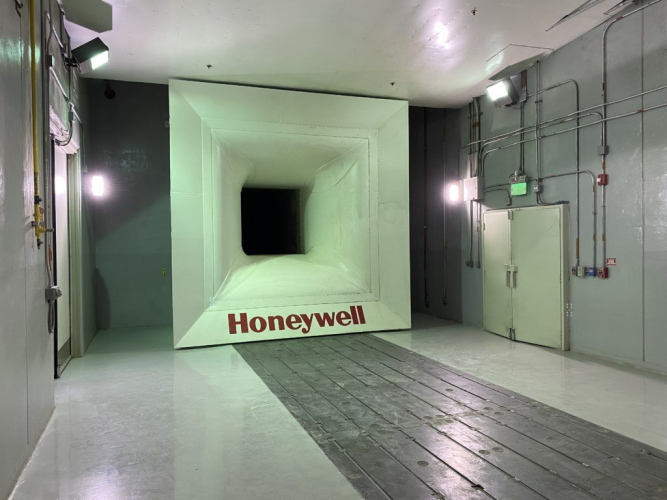
Aerolab was contracted to design and build the Honeywell Aerospace testing facilities in Mexicali, Baja California.
The facility includes an open jet wind tunnel to support the 777X platform by Boeing, enabling the development of the engineering capacities in Honeywell Mexicali over the next two years.
The tunnel uses a 3000HP centrifugal blower capable of producing speeds up to 230 miles per hour. This Honeywell wind tunnel is the largest wind tunnel in Latin America and the only one in Mexico dedicated to the aerospace industry. The company invested US$ 15 million toward the new site. https://www.aerolab.com/case-study/honeywell-case-study/
April 24, 2025
Share:
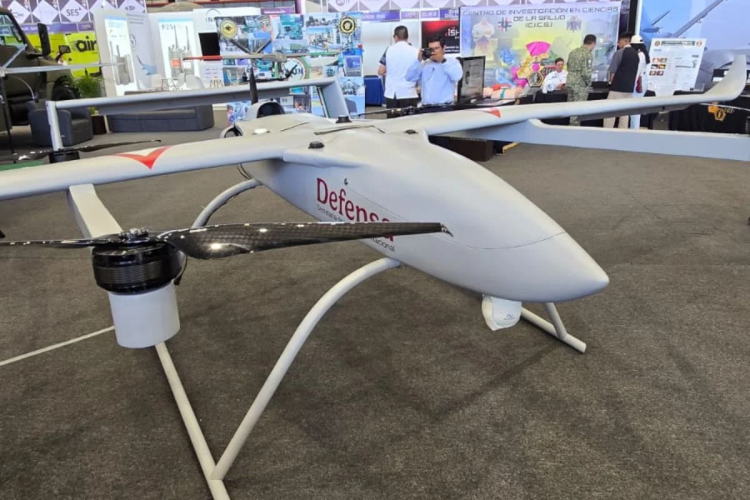
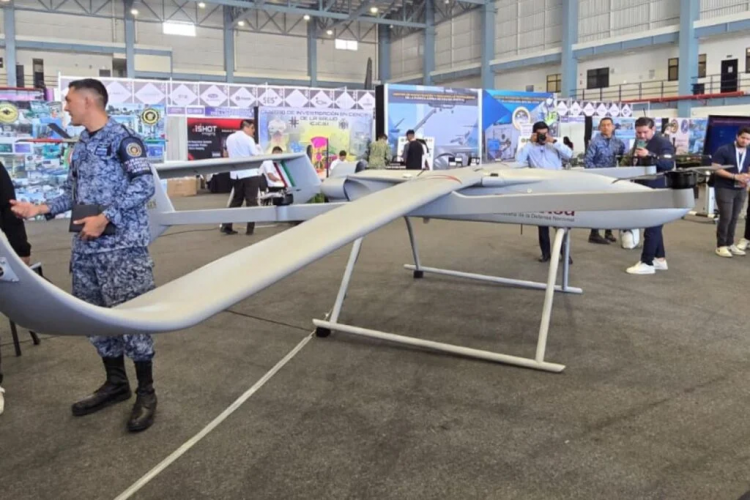
At the FAMEX 2025 event, Enrique Gerardo Sosa, rector of the Universidad Aeráutica in Querétaro (UNAQ), commented on the project, which highlighted technological innovation for national security.
"It's a drone with robust autonomy and communications capabilities, developed over two years in conjunction with Sedena (National Security Forces). It is already in its prototype phase, and we are about to begin flight testing,” explained the rector.
The model on display is designed to perform surveillance and defense tasks, with a command and control center capable of long-distance operations and a vertical or traditional takeoff and landing system, giving it broad operational versatility.
In addition to its focus on security, the project seeks to contribute to job creation, economic development, and the country's technological self-sufficiency. According to Sosa, “a drone of this type is very expensive on the international market, but manufactured with Mexican technology, it can cost only a fraction, allowing the government to acquire more units and thus strengthen security conditions.”
Nearly 20 students and 10 faculty members from UNAQ participated in the development, along with technical staff from Sedena (National Aeronautical Ministry) and CIDEFAM (National Aeronautical Commission for the Defense of the Nation).
The degree programs involved included engineering in aeronautical mechanical design, electronics, aircraft systems control, and aeronautical manufacturing.
“It's a project that requires many diverse capabilities due to its complex electronics, its display system, and the batteries that allow for high autonomy,” Sosa stated.
A long-term collaboration
The alliance between UNAQ and the Ministry of Aerospace and Space Administration (Sedena) is not new. The Querétaro university has worked with the Ministry for more than a decade, consolidating a relationship that has allowed it to evolve from simple projects to developments of greater technical complexity.
“Today we have more than one active project with the Ministry of Aerospace and Space Administration (Sedena) and also with the Ministry of the Navy. We can't discuss all of them due to confidentiality, but this particular drone is being exhibited at FAMEX because it represents a watershed in terms of technical and technological scope,” the rector stated.
With this presentation, UNAQ reaffirms its role as a strategic player in national aerospace development, supporting the development of talent, innovation, and technological sovereignty from Querétaro.
With information from Miguel Flores https://aldialogo.mx/mexico/2025/04...on-mexicano-desarrollado-por-la-unaq-y-sedena
At a global level, there are companies recognized for designing unmanned aircraft, but Mexico is not far behind on this issue. Today, there are some companies that are dedicated to developing and designing these artifacts for the national and international market.
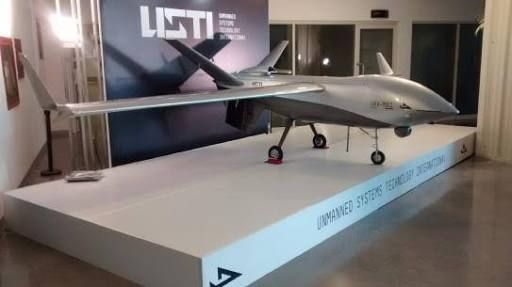
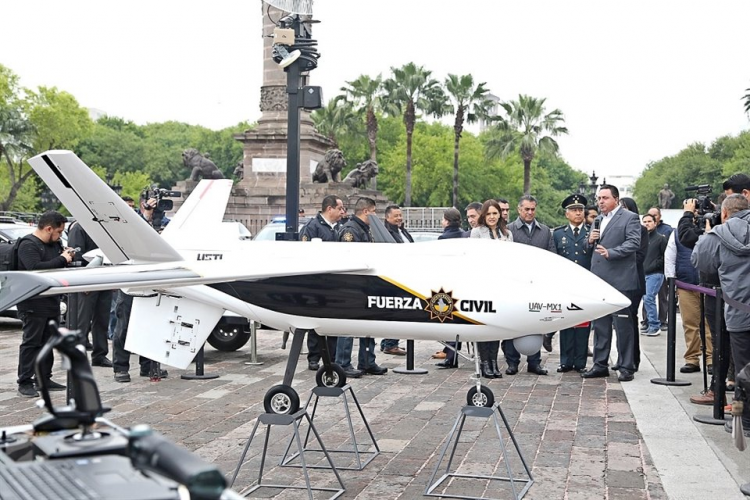
One of the two companies that has started to appear in the market is Unmanned Systems Technology International (USTI), which thanks to your initiative will be able to become the most representative organization in this field.
Located in the municipality of Apodaca, Nuevo León, the company is originally from Nuevo León and began its operation at the end of 2009.
Made up of a team of 10 engineers specialized in the matter, USTI develops the MX1 model, which has a wingspan of six meters from wing to wing and a length of three meters, in addition to weighing only 85 kilos.
However, these qualities of the aircraft are thanks to development by USTI, because the regional company designs the entire fuselage and wings of the drones, as a result of which the team has spent several years of study to determine which engine is suitable, which materials are the best and which technology is required to compete against them best in the world.
USTI also highlights for having developed the aircraft's braking system, as well as developing special software for the operation of the apparatus.
“The data transmission system that the aircraft has a range of up to 100 or 120 kilometers, which allows the equipment to transmit live to a base that could be placed at 30, 40 or 50 kilometers, a place where it will be receiving the same information”, explained Mauricio Ramos, President of USTI.
It is worth noting that the regional company has plans to produce 10 pieces of equipment per year, which are manufactured using aerospace-grade carbon fiber, an input certified by the US Department of State.
"Every USTI aircraft is designed and manufactured with high quality parts and inputs, equal to those that require a commercial aircraft, only for a smaller scale equipment. the cables that make up our ship are the best in the aerospace sector. Our MX1 is of great durability, very resistant, made with super hard and very durable materials light, which offers a life of more than 10 years for the equipment. In addition, the cable that uses USTI has a military certificate.
It is worth adding that USTI stands out for offering a comprehensive service, which ranges from the creation of the aircraft and the relationship that it can have with another provider depending on the use it is given to the drone. Furthermore, the company trains unmanned pilots to operate the device correctly.
For the President of the Aerospace Cluster in Nuevo León, María Teresa Galindo, having in the state a drone manufacturer like the USTI is a great pride, especially because it is made up of entrepreneurs who have visualized and understood where the aerospace market is heading.
“These are people who have decided to invest in this type of segment and in which great success is envisioned”, says Galindo.
Despite being a niche in the popularized world, drone manufacturing is shaped by innovation and creativity of engineers.
“It is a niche that has infinite applications, on the ground for the commercial area, as well as for the military area”, added the President of the Aerocluster in Nuevo León.
For Galindo, the manufacture of drones could be very relevant in the short and medium term, because it is the future of applications that will seek out private companies on the ground, as well as government dependencies.
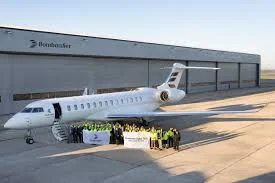
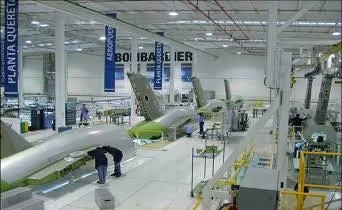
Trust has become the key element for Bombardier's Querétaro plants to increasingly play a role in the Canadian company's global value chain. Carlos Robles, Vice President of Operations for Bombardier Mexico, stated that during 2019, Querétaro manufacturing and development took center stage in the production of the Global 7500, considered by the Canadian company "the best business jet in the industry," a third of which is produced in Querétaro. “We have consistently demonstrated that many of the assemblies produced in Mexico are done more efficiently, and I'm not just referring to cost issues, but also to the time each of these assemblies takes in terms of quality.
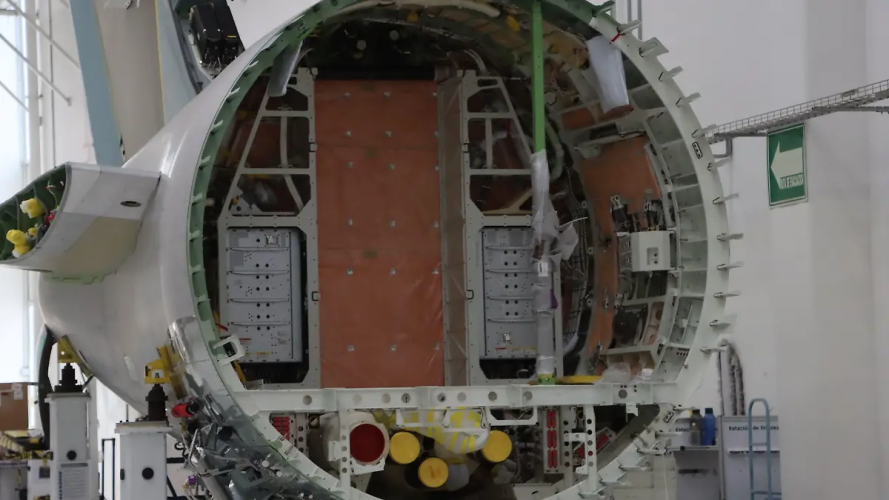
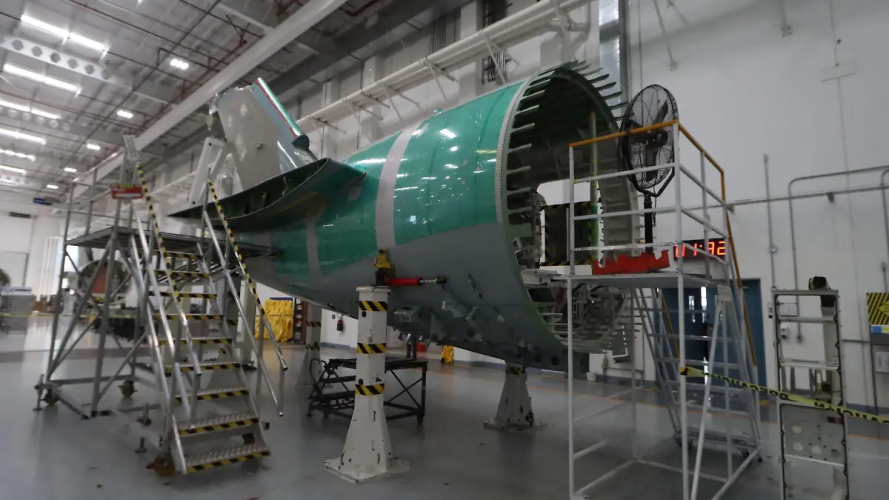
We are one of the best plants in the group; we are adding value to the product, making it more efficiently, correcting some quality issues that historically existed and that we have now gradually eliminated. “All of this has nothing to do with the talent of the people, but with the focus and passion they put into their work, which is what has made us a key player within the group,” Carlos Robles emphasized in an interview. Bombardier has two locations in Querétaro, one near the Intercontinental Airport and another in the municipality of El Marqués. From these plants, the company generates parts and structures that travel to the final assembly lines at its headquarters in Canada (Toronto and Montreal) and the U.S., as well as in Ireland and Morocco. “Virtually all the harnesses for all of the group's aircraft are made in Querétaro. It's obvious that Mexican manufacturing has a very important impact on every aircraft sold and released to market.” Additionally, this facility produces parts that go directly to Canadian clients such as Pratt & Whitney and Rolls-Royce Motor Cars. GLOBAL 7500 “Today, our main focus, both on harnesses and structural and rear fuselage components, is entirely on continuing to minimize our learning curve [of the Global 7500], that is, we want to reduce the amount of time it takes us to make each of the components, making them faster and more efficiently. This is achieved through expertise, through repetitive and continuous action,” added the Mexican executive. Bombardier, in Querétaro, manufactures the rear third of the Global 7500, "the part where the depressurization zone ends, where the passengers and the entire rear section sit. It has all the integrated systems, and where we do participate is in making all the aircraft's harnesses," the interviewee explained. This aircraft represented a challenge in several ways for the Mexican developers, as these are components that the group is manufacturing for the first time. "We didn't bring them from elsewhere; all the development was done to be made here in Mexico. Subsequently, everything we've had to do in terms of launching the growth program, ramping, growth curve, learning, and so on, has been our own merit." In Querétaro, the aeronautical company had already experimented with the fuselage for previous versions of the Global family: the 5500 and 6500. The good results in terms of time and quality, the vice president boasted, generated the confidence to take the next step. “For years, we have demonstrated efficiency and solid performance, so much so that we have earned the confidence to develop the Global 7500.” QUERÉTARO Bombardier began operations in Querétaro in 2006. Since then, the company has invested $500 million to build its manufacturing and design plants there. Fuselages, electrical harnesses, flight controls, wings, aircraft doors, horizontal and vertical stabilizers, and rudders, among other parts, are produced here. Currently, 2,200 employees work in Querétaro, most of whom have trained at the Aeronautical University in Querétaro; however, they continue their training at Bombardier University, a program that incentivizes workers to continue their education.
EATURED The Global 7500 aircraft is the largest and longest-range commercial aircraft in the world. Within its luxurious interior are four true living spaces, a full-size galley, and a dedicated crew suite. Elevate your flight experience and discover the uninhibited freedom and tailored luxury of the Global 7500 airplane, a new class of business jet. SPEED (MACH) • Maximum Speed: 0.925 • High Speed Cruise: 0.90 • Typical Cruise Speed: 0.85 AIRFIELD PERFORMANCE • Takeoff Distance (SL, ISA, MTOW): 1,768 m • Landing Distance (SL, ISA, Typical): 768 m OPERATING ALTITUDE • Maximum Operating Altitude: 15,545 m • Initial Cruise Altitude (MTOW): 13,106 m ENGINES • GE Passport • Thrust: 18,650 lbf (83kN) • Floor classified at ISA + 20º C +INFO Start of operations: 2006 Capital: Canadian Sector: Aeronautical Products: Fuselages, electrical harnesses, flight controls, wings and aircraft doors Location: El Marqués and Colón, Qro. https://oem.com.mx/diariodequeretaro/finanzas/abre-bombardier-puertas-a-7-mil-visitantes-13083294https://mexicoindustry.com/noticia/bombardier-lleva-la-manufactura-queretana-a-los-cielos---https://a21.com.mx/aeronautica/2022/12/01/fabrica-bombardier-queretaro-partes-de-jets-de-lujo
THE NEW FACILITIES COVER AN AREA OF 19,510 SQUARE METERS AND INCLUDE AREAS FROM ASSEMBLY AREAS TO A TRAINING CENTER
Safran
Velvet González
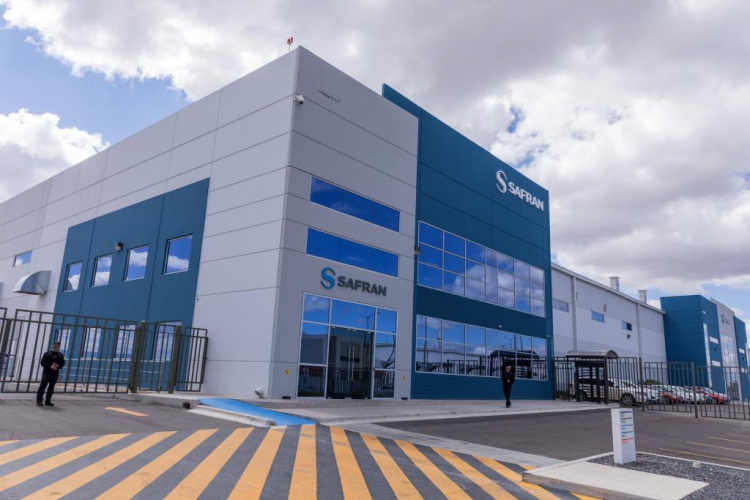
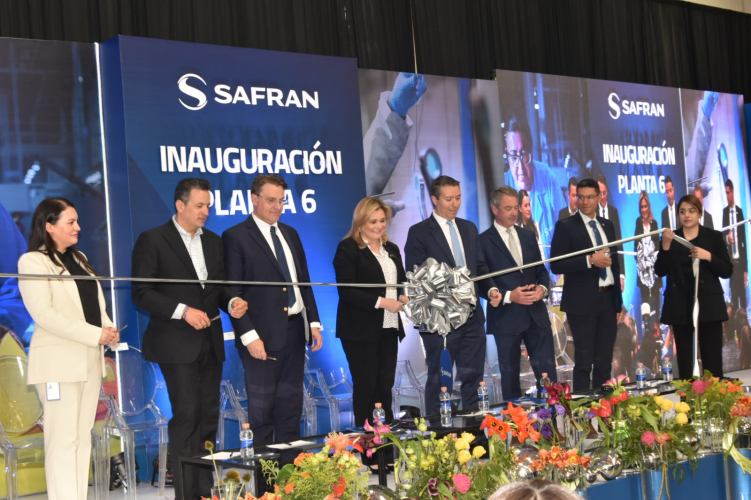
Chihuahua, Chihuahua.- With a direct investment of $7 million, the Safran Group inaugurated its sixth plant this Thursday in the Supra Industrial Park in Chihuahua, which is part of the Safran Aerosystems campus.
This complex is intended to house operations for various entities such as Evacuation Systems and Seats, related to safety systems and aircraft interiors. With this opening, Safran now has 12 industrial warehouses in the Chihuahua capital, consolidating its position as one of the main employers and a pillar of the state's aerospace cluster.
The inauguration event was attended by María Eugenia Campos, Governor of the State; Jorge Acosta, general manager of the Safran Aerosystems campus in Chihuahua; Sebastien Weber, CEO of Safran Aerosystems; Alejandro Cardona, president of Safran Mexico; and Marco Bonilla, mayor of Chihuahua.
“We thank Governor Maru Campos and the state government for their continued support in fostering economic development and attracting investment. This type of collaboration, along with the commitment and quality of our teams, has been key to strengthening Safran's credibility in the region,” Acosta emphasized during the ceremony.
For his part, Weber emphasized the strategic importance of this new plant, which will expand Safran's evacuation systems production capacity and provide much-needed industrial space for other Safran companies to continue growing their operations.
According to executives, the new facilities will create up to 229 new direct jobs in the next 18 months and 64 indirect jobs in services such as security, food service, and logistics.
During his speech, Alejandro Cardona stated that "the group is pleased to consolidate the alliance between Safran and Mexico, but we are also aware of the challenges involved in meeting the milestones we have set for 2028, both in terms of job creation and production capacity."
The executive also thanked the various agencies, particularly the Ministry of Economy, and emphasized that they hope they will continue to facilitate conditions that guarantee operational security and sustained growth in the group's exports, as this is the only way to maintain the upward trajectory that the aerospace sector has achieved in Mexico.
For her part, the governor noted that Chihuahua is a reliable ally for investment in the industry, as evidenced by the fact that it has the largest Safran workforce nationwide, with 8,500 people, representing approximately 60% of the group's workforce across its various plants in the country.
He emphasized that the entity is an important link in the supply chain for the North American aerospace industry, which is essential for providing certainty in the current crisis in international trade.
Bonilla mentioned that a system of collaboration between government, businesses, and academia has been strengthened in Chihuahua, and in this sense, the capital has well-trained and committed people, which is the most valuable asset a city can have—not just labor, but also qualified minds.
After the opening ceremony and ribbon-cutting, attendees toured the facilities, which are part of the industrial continuity projects defined by Safran in Mexico and are part of its strategy to maintain sustainable operations in the country. The plant covers 19,510 square meters and includes assembly areas, a distribution center, corporate offices, conference rooms, and a training center. This includes the company's own Oxygen Systems operations, as well as those of other corporate businesses such as Safran Seats, Safran Electrical & Power, and Safran Cabin. Regarding the investment, it was explained that it is part of ongoing plans to strengthen the group's industrial presence, while the necessary conditions to sustain its long-term development continue to be evaluated.
Photo: Pablo Rodríguez
https://a21.com.mx/index.php/aerona...exta-planta-en-chihuahua-y-refuerza-liderazgoTHE FAILED MEXICO TO SPAIN FLIGHT PROJECT
1934
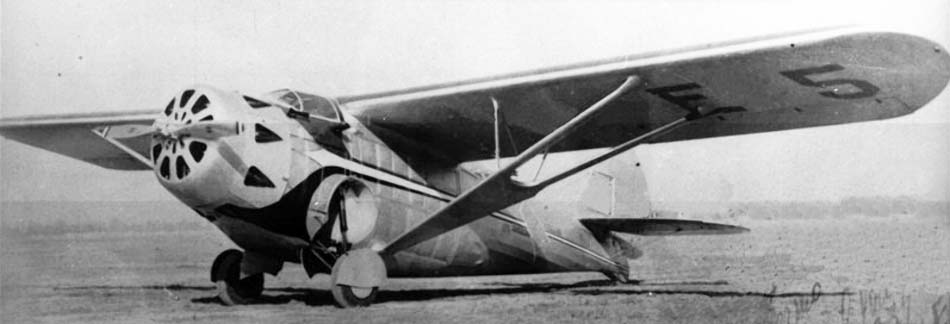
TNCA MTW-1 BARBERAN AND COLLAR AIRCRAFT
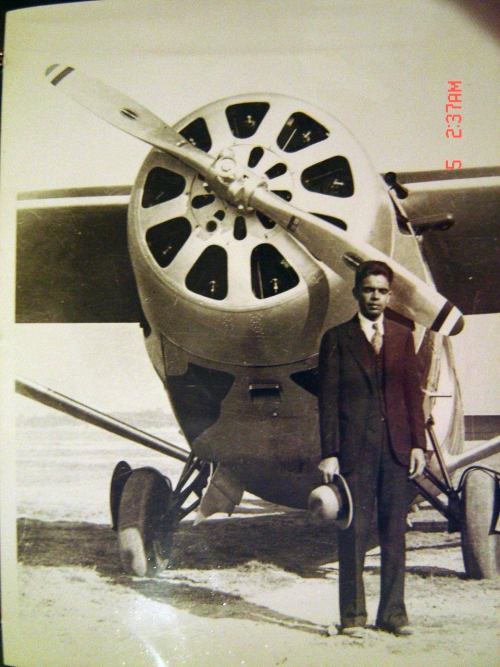
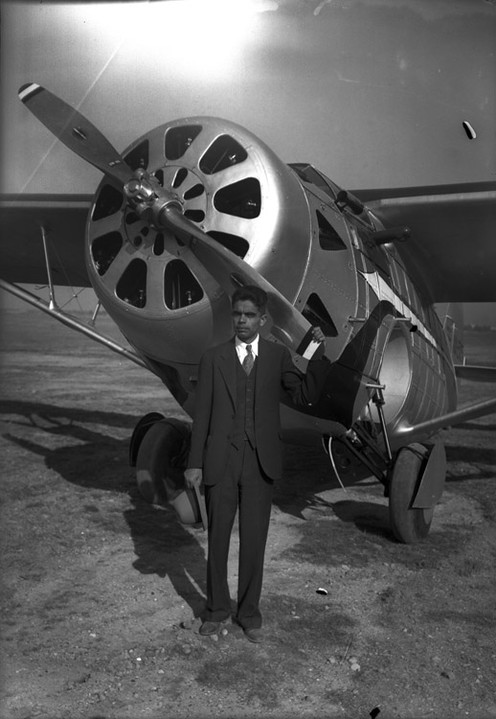
PILOT P.A. FRANCISCO SARABIA TINOCO
Dr. MICHAEL T. WATTER
Santiago A. Flores
MMAH 2016
Following the tragic end of the Spanish pilots Captain Mariano Barberan and Lieutenant Joaquín Collar, who never arrived at Balbuena Airfield on June 20, 1933, after having departed Havana, Cuba, at 5:55 a.m. that day, in the CASA Breguet XIX Super Bidon “Cuatro Vientos” aircraft. The following year, 1934, a Mexican civilian pilot, already renowned for his expertise and experience, Francisco Sarabia Tinoco (1900-1939), who had already established an air communications network in the southeast of Mexico, including the states of Chiapas, Tabasco, Quintana Roo, and Yucatán, wanted to conduct long-distance international flights from Mexico to any point in the world. Despite the tragedy not only of the Spanish pilots but also the tragic attempt at a long-distance flight from Cerro Loco, Oaxaca, Mexico, to Buenos Aires, Argentina, by Colonel P.A. Pablo L. Sidar and Lieutenant P.A. Carlos Rovirosa on May 11, 1930, the triumph of the flight of Colonel P.A. Roberto Fierro Villalobos (1897-1985) and Captain Mecánico, resounded. Arnulfo Cortes flew from New York City to Mexico City in the Lockheed Sirius Model 8 "Anahuac" on June 24 of that same year. After this flight, Fierro, as he recounted in his memoirs what happened after his arrival at Balbuena Airfield:
The President of the Republic, as excited as I was, hugged me tightly and said, "No more nonstop flights. You won't be able to go south as planned, because we want to keep you alive, even if we don't erect statues to you." Upon receiving this order, I told the President that I had made a commitment to the people of Mexico to make a flight to Spain and that I would be sorry if I didn't keep my promise. He replied, "Don't worry, I'll explain to our nation why I ordered the suspension of such flights."
Colonel Fierro and Captain Cortez, the mechanic, had planned a long-distance international flight, the next stage of which would have been to Natal, Brazil, and from there to fly across the Atlantic to Dakar, Africa, and from there to Madrid, Spain. However, President Pascual Ortiz Rubio (1877-1963) put a stop to this plan. Two years later, Ortiz Rubio resigned from the presidency due to political problems, and Brigadier General Abelardo L. Rodríguez Luján (1889-1967) took over as interim president. He held the presidency from 1932 to 1934. He already had a history of aviation in Mexico, especially with his involvement in the aircraft factory in the border city of Tijuana, Baja California, and the purchase of the first Douglas O2C aircraft for the air force. Sarabia would be the next Mexican civilian pilot to attempt long-distance flight. The first was civilian pilot Joaquín González Pacheco (1901-1984), with German pilot Fritz Bieler Doebelle (1895-1957), a World War I veteran and former flight instructor at the military aviation school. They flew from Canada to Mexico on June 23-24, 1928, in a Stinson Detroiter SM-1A, traveling over 30 hours and 3,100 kilometers. Then, on March 2-3, 1929, Pacheco and American pilot Clifford E. McMillan flew the Stinson Detroiter "Capitán Carranza" on a goodwill flight from Mexico City to Washington, D.C., but with stops due to adverse weather conditions. Now another Mexican civilian pilot wanted to take up the challenge for Mexico's greatness. Francisco Sarabia Tinoco was born in Cuidad Lerdo Durango in 1900. He learned not only to fly in the United States but also to become an aviation mechanic, returning to Mexico in 1928 as part of an aerial circus. In 1932 he settled in Tuxtla Gutiérrez Chiapas with his two brothers where he established the company Transportes Aéreos de Chiapas where his airline established a series of routes where they airlifted products from those regions of the country. Transportes Aéreo de Chiapas expanded its operations to the states of Quintana Roo, Tabasco, Campeche, Yucatán and Chiapas. With the support of the federal government, it covered routes between Mexico City, Oaxaca, Ixtepec, Tuxtla Gutiérrez, and Tapachula. His company managed to have around 39 aircraft with only Mexican personnel, where he established its own aviation school and maintenance workshops. In 1933, after the search in which Sarabia's airline participated and the loss of the Spanish pilots, Sarabia wanted to return the gesture of Barberan and Collar's attempt to make a long-distance flight from Mexico to Spain, with an airplane manufactured in Mexico with the support of the Mexican people and government. By 1934, Sarabia, with the support of several politicians from his region (the governors of Chiapas and Durango), and with the new president of
The Republic, Major General Lázaro Cárdenas del Río (1895-1970) (Sarabia supported Cárdenas' candidacy) beginning his presidential term (other sources cite that Sarabia had presented his plan to the previous president, General Abelardo L. Rodriguez, before finishing his term). According to his initiative, it came through the Presidential General Staff under the command of Brigadier General Aeronautical Engineer Juan F. Azcarate Pino (1896-1987). A Pro-Mexico to Spain Flight Committee was formed, where the action plan was established to build a Mexican aircraft capable of performing the flight in aviation workshops and raise the money to build it through donations and subscriptions. The civilian pilot Francisco Sarabia Tinoco was appointed with the approval of the president, who perhaps did not sit well with some of the military pilots, since the air force pilots had made these types of flights on behalf of the nation. After a selection of aeronautical personnel, Sarabia selected naval military pilot Lieutenant P.A. Alberto Cortes y Cortes as navigator. Cortes had graduated in 1929 from the Veracruz Naval School and later from aviation school.
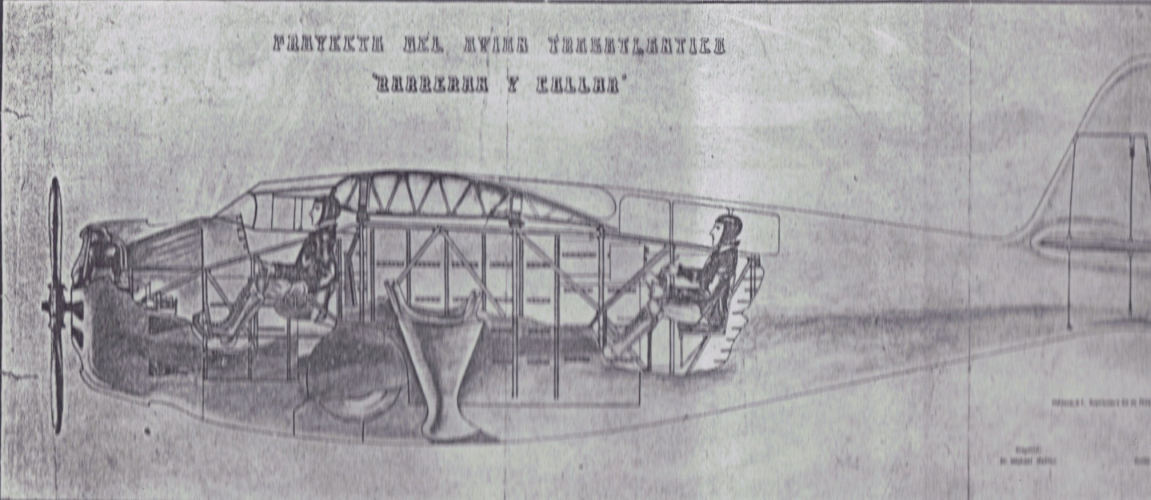
After the Mérida-Seville flight committee was formed, a team of the best Mexican aeronautical engineers was assembled to design and build the ideal aircraft for the project. According to some historians, this team encountered difficulties in designing the aircraft, which could not be built and ready by the date indicated by the construction subcommittee, as the personnel only had limited experience in aircraft construction. This is where the Mexicans used a foreign design by Dr. Michael Watter, who was working in the aeronautical workshops at the invitation of General Azcarate. During his time in Mexico, Azcarate designed and experimented with a new type of cowling for airplanes to improve flight performance. This was accomplished with the help of Azcarate and two Azcarate Corsairs. Dr. Michael Watter (Mikhail Vatter) (1899-1976) was born in Riga, Latvia, on August 3, 1899, when his country was part of the former Russian Empire. He studied engineering at the following schools:
Imperial Technical College in Moscow, Russia, 1916-1920
kyiv Polytechnic Institute, Russia, 1916-1920
After leaving Russia, he continued his studies in Italy at the Royal Polytechnic Institute of Turin, Italy, from 1920 to 1921. He received his degree in Aeronautical Engineering in 1921 after completing his postgraduate studies. In 1921, he left for the United States, where he found employment with the Curtiss Aeroplane and Motor Corporation. In 1923, he transferred to the Chance Vought Corporation, Long Island, New York, where he was chief designer in the technical and design department. In 1931, he left Chance Vought to work as an independent consultant. Around 1934, he went to Mexico to consult at Talleres de Aviación, where he worked on cowling and the Mérida-Seville project.
According to his biography, he earned his pilot's license in 1934 and later served in the U.S. Navy Reserve, rising to the rank of Lt. Commander. After his time in Mexico, he returned to the United States and joined the Budd Company in 1939 as director of aircraft research. By 1964, he was working at the Institute for Defense Analysis in Washington, D.C. He died in 1976.
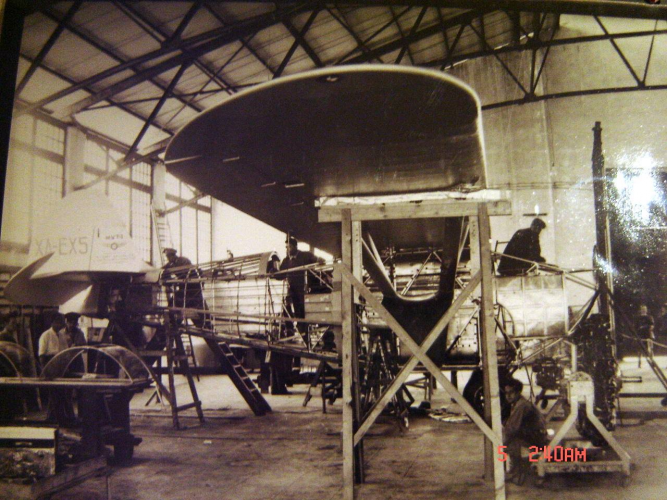
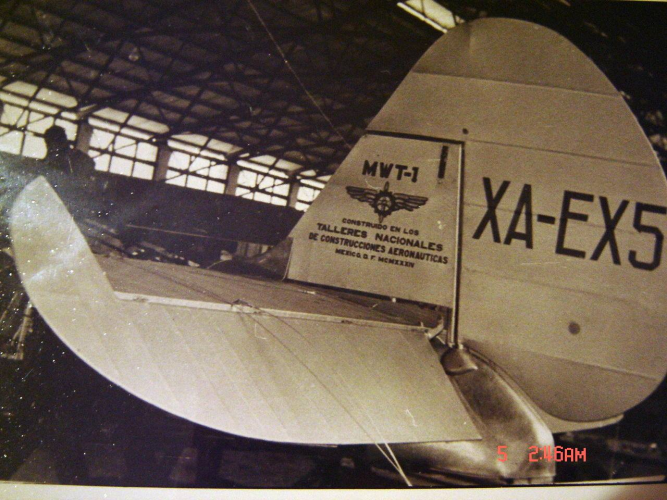
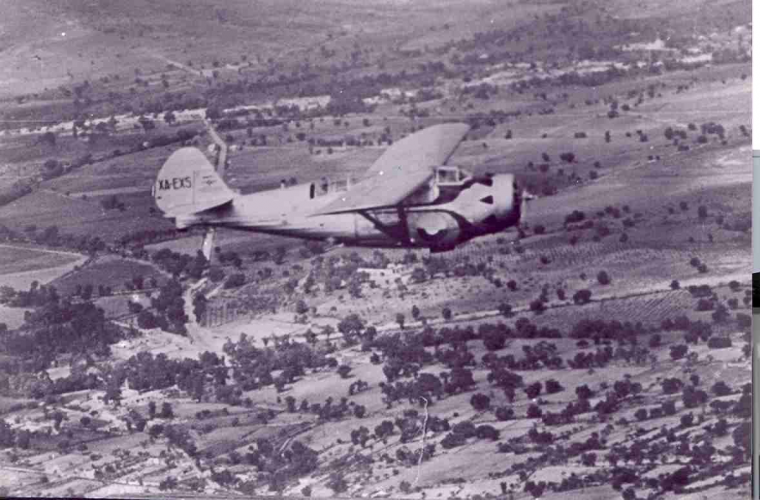
It is reported that the letters MTW-1 are the initials of Dr. Watter (Michael T. Watter) from the "Barberan y Collar" aircraft, to give credit to Dr. Watter, and it received the Mexican registration XA-EX5.
The MTW-1 Aircraft
Dr. Watter's design was a high-wing, single-engine aircraft with two separate cockpits. It was basically a flying fuel tanker, capable of carrying the required amount of gasoline and oil (it could carry 5,000 liters of gasoline and 284 liters of oil) to enable a nonstop flight from Mérida, Yucatán, Mexico, to Seville, Spain, covering a distance of 8,055 kilometers.
Engine: Pratt & Whitney Wasp Radial, 550 hp, with the cowling designed by Dr. Watter and a Hamilton Standard constant-speed metal propeller.
With the following characteristics:
Span 16.68 m
Chord 2.30 m
Incidence angle 3 deg
Length 9.85 m
Height 2.80 m
Maximum weight 5,597 kg
Unladen weight 1,620 kg
Useful load
Gasoline (5,000 liters) 3,380 kg
Oil (284 liters) 255 kg
Crew (2) 190 kg
Miscellaneous 190 kg
Performance
Maximum speed 270 km/h
Cruising speed 200 km/h
Landing speed: 130 km/h
Maximum altitude: 20,000 m
Distance (70 hours): 11,600 km
The flight plan for the TNCA MTW-1 "Barberan and Collar" was to take off from near the city of Progreso, Yucatán, pass north of Havana, Cuba, then Miami, Florida, Bermuda, the Azores, St. Vincent, and finally Seville, Spain.
year and if it was possible to reach Barcelona to break a world record for nonstop flights. October 1933 The aircraft began construction at the National Aeronautical Construction Workshops (TNCA).
April 1934 The MTW-1 "Barberan y Collar" aircraft was almost finished, only the propeller from the United States and the covering were missing.
June 1934 By this time, the head of the Mérida-Seville flight project was Colonel P.A. Agustín González Castrejón (1894-1936), who was the deputy head of the Military Aeronautics Department.
June 14, 1934 Engine ground tests at the TNCA.
June 15, 1934 Landing gear damaged during taxiing to the runway. Sarabia and Lieutenant Alberto Cortes Cortes (Mexican Navy) were unharmed.
June 28, 1934 10-minute test flight by Sarabia at 4,000 feet over the Valley of Mexico.
June 30, 1934: 45-minute test flight by Sarabia at 3,000 feet above the Valley of Mexico.
July 5, 1934: Test flight with Sarabia and Dr. Watter at Mexico City's central airport. The MTW-1 was damaged by its landing gear upon landing.
July 1935: Planned flight from Mexico to Spain was canceled until next year. Problems were reported between Sarabia and Dr. Watter, as well as problems with the MTW-1's design. Some elements within the Air Force were unhappy that a civilian pilot had been assigned to fly this flight. The Army wanted to take over the project, remodel the plane, and first fly between Mexico and Washington, D.C., or New York.
According to the author of the Biography of Francisco Sarabia, he complained about the following defects of the MTW-1:
It was difficult to keep stable.
It had a tendency to dive.
The left wing dipped too much upon landing.
According to Dr. Watter, he complained about pilot Sarabia's experience and technique.
In October 1935, President Cárdenas's government took possession of the plane because the federal government contributed 60,000 pesos to the project. It is reported that the plane's engine was used for an Azcarate Corsario biplane. The rest of the plane remained in the workshops, eventually (unconfirmed) dismantling.
It is reported that a committee was planned to study the causes of the project's failure, but according to the author's information, it was never carried out.
SOURCES OF INFORMATION
TNCA MTW-1 Barberan and Collar: The Triumph That Failed by Héctor Dávila Cornejo, América Vuela Magazine, June-July 2003
Flight Test of a New Cowling-Type Engine Cowl by Dr. Michael Watter, Aero Digest, January 1934
A Brief History of Aviation in Mexico by José Villela Gómez, Mexico City, 1971
Reports from the U.S. Embassy in Mexico, from the Military Attaché (National Archives, Washington, DC)
January 22, 1934
April 3, 1934
February 16, 1934
June 12, 1934
July 10, 1934
October 29, 1935 www.aircrash.org, biographical information on Dr. Michael Watter.
The Conqueror of the Sky by Jorge Soria Murillo. Published in October 2003, Chilpancingo, Mexico.
Mexican Air Force Photo Archive.
Sr. Richard S. Allen Archive, Lewiston, ID, USA
General Archive of the Nation, Mexico City
Eng. Enrique Velasco Padilla Archive, Mexico City
Barberan and Collar: Air Pictorial, June 1959.
Written by Santiago A. Flores
7/9/2016 https://elmirador.sct.gob.mx/despegue/intrepidos-pioneros-de-la-aviacion https://elpoderdelasgalaxias.wordpress.com/2024/12/26/tnca-mtw-1-es-de-bien-nacidos/
Target Markets: Emerging Economies Across the Globe
Oaxaca Aerospace sees significant commercial opportunities in emerging markets across Latin America, Africa, and Asia. Used or outdated aircraft dominate many regions, and access to new, reliable, and affordable aircraft is limited. By offering a modern solution that combines cutting-edge technology with low maintenance and operational costs, the PE-210A and future P-400T models could fill a critical gap.
The company estimates it could capture 1% of the global light aircraft market, which translates to approximately 50 aircraft per year, aligning well with its projected manufacturing capabilities. Manuel Pérez Cárdenas, executive advisor to the president of the Business Coordinating Council (CCE), supported this projection, believing the company is well-positioned to meet this goal.
Competitive Advantage: Affordability and Efficiency
One of Oaxaca Aerospace’s most significant advantages is its pricing model. The PE-210A is expected to retail for around $3 million, just 30% of the cost of competing models like the Texan II, which is priced at approximately $10 million. This drastic cost reduction could make the aircraft appealing to developing nations or institutions with limited defense and training budgets.
According to Raúl Fernández, this price point positions the PE-210A as a compelling alternative in a market where affordability and operational simplicity are often key decision-making factors. With low acquisition and maintenance costs, the aircraft can potentially disrupt segments of the light aircraft market traditionally dominated by high-cost options from North America and Europe. https://www.grupossc.com/blog/?p=877Kukulcán Aerodesign Partnership
June 27, 2023
Kukulcán Aerodesign is a student team focused on aircraft design. It participates in university competitions involving the design, construction, and flight of unmanned aerial vehicles (UAVs) to overcome various challenges and tests organized by SAE International.
Kukulcán Aerodesign is a student team focused on aircraft design
Kukulcán Aerodesign Team SAE Brazil 2019
Kukulcán Aerodesign Team
The Kukulcán Aerodesign team is made up of students passionate about aeronautical engineering and works in collaboration with the National Polytechnic Institute and various consulting companies, such as Grupo SSC, to develop and optimize the performance of their aircraft designs. Kukulcán Aerodesign's main objective is to promote practical learning, innovation, and creativity in the field of aeronautics, giving students the opportunity to apply their theoretical knowledge to a tangible and challenging project.
During my studies in Aeronautical Engineering, I had the opportunity to participate in the Kukulcán Aerodesign team as a member specializing in Structural Design, receiving advice from former members and professors of the institution, as well as from various companies such as Grupo SSC.
Our objective in the Structural area was to design a safe, functional, and aesthetically attractive aircraft that could efficiently fulfill the flight mission proposed by the Judging Committee of each competition. We began by analyzing the project's needs and requirements, which included the maximum allowable dimensions, maximum takeoff load, engine power, construction materials, and scoring maximization; all in accordance with applicable official regulations. From this, concepts are proposed and evaluated both qualitatively and quantitatively through different approaches. Finally, the concept that best meets the requirements is chosen.
Ansys in Aircraft Development for University Competitions
Using ANSYS Workbench and its various modules, including ANSYS Mechanical, ANSYS Fluent, ANSYS Meshing, ANSYS Space Claim, ANSYS Eigenvalue Blocking, and subcomponents such as System Coupling, ACP, and Mechanical APDL, we performed a detailed structural analysis to determine the applied loads and stresses occurring in each component of the proposed aircraft. Through several iterations, we considered various structural systems and materials, such as carbon fiber and lightweight wood, primarily evaluating their strength, manufacturing time, and cost. Once the structural design was complete, we generated the detailed drawings, technical specifications, and calculations necessary for the aircraft's construction.
Illustration of the Equivalent Stress Simulation of a Wing Structure
Equivalent Stress of a Wing Structure
During my participation in SAE competitions, I had the opportunity to learn how to use ANSYS software through the professional guidance of the SSC Group team and its Mescalea platform. This experience was very enriching and allowed me to apply my theoretical knowledge in a practical setting. Initially, I faced the challenge of familiarizing myself with the ANSYS interface and tools. I followed tutorials to understand how to enter and manipulate input data, as well as how to interpret the results obtained.
As I ran simulations, I carefully analyzed the results obtained in ANSYS. This included reviewing deformation, stress, and displacement graphs to assess the safety and performance of the structure under different scenarios.
During the learning process, I also faced technical challenges, such as properly calibrating the models and interpreting the results. However, through experimentation and the support of SSC Group, I was able to overcome these obstacles and obtain more accurate results.
Ground Vibration Test, conducted by the Kukulcán Aerodesign team
Ground Vibration Test
In short, learning to use ANSYS for structural design was a valuable experience that provided me with technical skills and practical knowledge to address complex problems in the field of structural engineering.
Furthermore, Kukulcán Aerodesign has allowed me to comprehensively shape my professional education through the sponsorship provided by Grupo SSC and the advice of current and former members, as well as the guidance of the institution's professors. Furthermore, the student team has been the best representative of the National Polytechnic Institute in recent years, achieving the following achievements:
Óscar Wenceslao Mora Velázquez, director of the company EN-TI, said that Mexico will capture double the investment in the aerospace industry in the next 3 to 5 years, due to the relocation of value chains and the experience of the companies in the manufacture of aircraft parts.
“With the numbers we are seeing, investment will double very quickly,” he said during the conference Nearshoring Aerospace: Mexico's Opportunity in the New Industrial Geopolitics Institution held as part of the Aerospace Fair Mexico (Famex) 2025.
In 2024, the aerospace industry received investments for US$11.4 billion dollars, but the arrival of capital for more than US$22 million dollars is projected, said the Mexican businessman.
“Mexico has a lot of knowledge, we manufacture a lot of maquilas and telecommunications, fiber optics and lasers could follow,” said the member of the Mexican Federation of the Aerospace Industry (FEMIA).
“There are interesting movements in a world market in which Mexico is in the Top 10 of the aerospace industry”, commented the founder and member of the Organizing Committee of Famex for the last 10 years.
He added that there are interesting conversations to have a maintenance hub in the south of Mexico for the European company Airbus and Lufthansa.
Mexico's Oaxaca Aerospace has aircraft for primary military maneuvers, which have an autonomy of 5 to 10 hours of flight time.
“For the aerospace industry this is a great opportunity that is happening, despite the crisis,” he said.
He said that Mexico is a worldwide reference in the aerospace industry, since it has very strong aerospace clusters such as in Monterrey, Querétaro, Chihuahua, Baja California, and there is a strong participation in Oaxaca and Yucatán. https://mexico-now.com/investment-in-aerospace-industry-expected-to-double-in-five-years/
AGSA Technologies
Welcome to the World of Technological Efficiency
We provide cutting-edge products and services for quality control and assurance, enabling our clients to produce in less time and with greater efficiency. We also offer innovative solutions tailored to each specific need.
Our clients turn to us when they are looking for a comprehensive, customized engineering solution. From the initial idea to final implementation, we work closely and collaboratively with our clients to achieve the best results for each project
Results that speak for themselves
We have overcome quality challenges for clients in industries such as Automotive, Aerospace, Energy, and Heavy Industry. https://agsatech.com/nosotros/3D Scanning The Falcon 2: Horizontec and AGSA TECH
View: https://www.youtube.com/watch?v=y8iinHhzTcg
Made in GTO: Success Story of SIA Automation and ATG Additive Manufacturing.
Chapter 4: SIA Automation and ATG Additive, Aerospace Sector Companies.
León, Guanajuato, December 21, 2021. The Foreign Trade Promotion Coordinator (COFOCE), together with TV4, broadcast the fourth episode of the documentary series Made in GTO on the two organizations' social media channels and live on Guanajuato's Channel 4.1 at 9:30 p.m., where they showcased the story of the exporting companies SIA Automation and ATG Additive Manufacturing, which are part of our state's aerospace sector.
ATG Additive Manufacturing is a venture that arose from the curiosity of a young mechanical engineer who approached the right people to present his business idea and convince them to invest in additive manufacturing, an innovative and developing industry. Thanks to the creation of this company, we in Guanajuato have unique machinery with highly advanced technology.
"We are dedicated to the design, development, simulation, and manufacturing of complex parts for different sectors in terms of additive metal manufacturing, known as Power Bed Fusion by Laser, or colloquially known as 3D metal printing," commented Carlos Alastair, CEO of ATG Additive.
ATG Additive Manufacturing was founded by entrepreneurs Carlos Alastair, Nahieli Garcia, and Ernesto Sandoval, and Óscar Rodríguez has recently joined. All of them are directors of companies dedicated to the aerospace sector in our state.
In this chapter and the previous one, we learned about the history of some of the companies involved in the Aerospace 4.0 industry in Guanajuato and that are part of the group participating in the construction of the Halcón 2 aircraft. As mentioned, this is a project entirely developed in Guanajuato and will be used for security and tourism purposes. Thanks to the cutting-edge technology they manage, the aeronautical industry has made great strides in the state.
SIA Automation, a company located in León, Guanajuato, is an expert in the manufacturing, assembly, and automation of any industrial process or machinery, designing and building pneumatic, hydraulic, and specialty machinery for each industry. Their clients include major globally recognized brands, including Honda, Toyota, Nissan, Mazda, ARBOMEX, ASMO, Jatco, SIMSA, among others.
“We started in the automotive industry, supplying international brands, and we began by making assembly parts and automated machines. When I met Giovanni Angelucci, founder of Horizontec, he invited us to participate with him in two ways: as a partner and as a supplier, so we could contribute to the Halcón 2 project,” said Jaime Benítez Portillo, General Director of SIA Automation.
These are the first steps in an industry that is taking off in our region and, therefore, a window to greater possibilities and job opportunities for everyone. These companies have evolved to renew themselves and develop the talents available in Guanajuato.
At Grupo SSC, we are experts in engineering simulation in the fields of structural, thermal, fluid, electromagnetic, optical, additive manufacturing, and 3D design. As representatives of Ansys Inc. for over 32 years in Mexico, we are the leading, pioneering, and largest company offering our clients the best software tools, consulting, training, mentoring, and technical support.
https://www.grupossc.com/The San Miguel Institute and SSC Group support Horizontec, a company dedicated to the design and development of aircraft
Manta Ray Project: From the Classroom to a "Made in Mexico" Certification
Ulises Gutiérrez / Wednesday, May 14, 2025 - 01:00
THE AIRCRAFT CREATED BY UNIVERSITY STUDENTS COST 350,000 PESOS, CAN FLY UP TO 200 METERS, AND ITS PURPOSE IS TO ASSIST IN RESCUE MISSIONS.
FAMEX
Professor Víctor Leyva and the six students from the Centro Universitario Latino Veracruz (CEULVER) who brought the Manta Ray Project, an electronically manned aircraft, to life, never expected their end-of-semester project to flood social media, make national news, and even receive a "Made in Mexico" certificate from Marcelo Ebrard, Secretary of Economy, at the recent Mexican Aerospace Fair (FAMEX).
While the virality of their aircraft earned them applause and an invitation to FAMEX, the recognition they received on April 25th came just a few days earlier, all thanks to the fact that their neighbors at the exhibition were part of the certification committee, which also received other projects such as the Halcón 2, a Mexican aircraft developed in the Celaya area.
"We didn't even know (about the recognition), but they told us the Secretary wanted to see the aircraft. The people from 'Hecho en México' were next to our stand, and they encouraged us to quickly submit the paperwork and wanted the Secretary to present it to us," Leyva revealed in an interview with A21.
In addition to giving the recognition, Ebrard boarded the aircraft, posed for photographs, and even signed the fuselage, but he wasn't the only one to do so; President Claudia Sheinbaum herself also learned about the project.
“On April 22, there was a public launch at FAMEX. President Claudia Sheinbuam came by and did us the favor of signing it. She extended her support; we are very happy that something in a classroom has become this,” Leyva added.
The Manta Ray Project cost 350,000 pesos, not including labor. This money was provided by the University. The students involved are third- and fourth-year students studying automotive mechanics and mechatronics.
It has a payload capacity of 140 kilograms, can fly up to 200 meters high for 20 minutes, and has a radio range of 3 kilometers. However, the tests conducted so far have been limited to flying the aircraft on private land and at no more than 5 meters, although it has already been manned.
“We've been working on the project for four months. People have been very supportive; it went viral on social media. We didn't expect this; it was a classroom project for the end of the semester, but it's attracted a lot of attention,” the professor said.
Leyva acknowledged that the aircraft needs improvements in safety, design, and materials, but that requires a larger investment.
“We can't compare ourselves to a company, where there's financing, engineering, and computer equipment to process the designs. We did it in a classroom; perhaps that's our merit,” he said, although there have already been approaches from private companies following the drone boom.
Regarding its uses, the Manta Ray Project can assist in emergency situations such as fires, earthquakes, or for urgent transportation of people.
For now, both the teacher and the students are enjoying what they've achieved, but if they've already fulfilled their dream of being at FAMEX, receiving certificates and congratulations from both Ebrard and Sheinbaum, and making national news, those involved aren't ruling out seeing an improved and authorized version of their aircraft in action.
Anniversary marks Bombardier’s long-term commitment and contribution to the development of a leading aerospace industry in Mexico
Completion of the 100thGlobal 7500 aircraft rear fuselage by Querétaro’s dedicated and skilled employees marks another significant milestone in the flagship program’s learning curve acceleration
Bombardier is proud to announce the 15-year anniversary of its world-class manufacturing operations in Querétaro, Mexico. The achievement is further highlighted by the site’s recent completion of the 100th rear fuselage for the industry flagship Global 7500 business jet, underscoring the talent and skill of its dedicated employees.
One of the reasons why we decided to establish operations in Mexico was the existence of highly trained human resources, as well as the network of technical training institutions that already existed in Querétaro. In addition, in conjunction with federal and state authorities, as well as other companies in the industry, we collaborated in the development of the Aeronautical University in Querétaro (UNAQ), which since its founding in 2009 has been responsible for training most of our employees.
We are very happy with Bombardier's workforce in Mexico, because we have been able to perform quality work that has made it possible to have high-end aircraft, such as the Global 7500 aircraft, which is the aircraft that flies the farthest, fastest and highest in the entire category. https://spotlightmontreal.ca/bombardier-17-years-in-queretaro-mexico/ Tuesday 16 February 2021, Latecoere announced that the company has completed its acquisition of Bombardier’s Electrical Wiring and Interconnection Systems (EWIS) business in Querétaro, Mexico.
The two companies have also entered into a long-term supply agreement under which Latecoere will continue to provide Bombardier with EWIS systems from this site for all Bombardier platforms including its Global and Challenger aircraft. This acquisition enables Latecoere to expand its customer portfolio by serving beyond Bombardier other customers such as Airbus Canada, MHIRJ and Avcorp. https://www.latecoere.aero/en/latec...ombardiers-ewis-business-in-queretaro-mexico/
CHIHUAHUA - Next year, the GKN Aerospace plant in Chihuahua will start producing the so-called giant drones, said Mauricio Herrera, director of the company.
The executive said that in the last edition of the Paris Aerospace Fair, it was announced that the production of the first 15 giant drones will be in its innovation center in Holland, but the current production will be in Chihuahua.
"We are going to venture in this 2024-2025 in the Advance Air Mobility market, which is of great relevance for the city and for the country, since they are the first products that are going to be produced in Mexico with everything related to these giant drones," he said.
In a videoconference organized by the Mexican Federation of the Aerospace Industry (FEMIA) entitled "Aerostructure Manufacturing in Mexico", Herrera commented that more than 500,000 units would be produced annually, volumes that, he explained, they are not used to producing.
The director of GKN Aerospace commented that this company has a presence in 12 countries around the world with 39 sites, four of which are technology centers; in Mexico it has a presence in Chihuahua.
Herrera said that nearshoring should be taken advantage of, because customers in the United States demand to have their products closer, which is why now is the time for the country and Chihuahua to invest in capacities to attract this type of business.
The company currently manufactures parts for the Airbus 320, the Honda HA420 and the Gulfstream, and will seek to manufacture the fuselage of the HA420 in the future, with the exception of the wings.
Yes, Hydra Technologies was recognized by the Mexican Ministry of Economy as part of the "Made in Mexico" campaign. This recognition highlights the importance of Mexican companies that develop cutting-edge technology, such as Unmanned Aerial Systems (UAS), and promotes national pride in the national industry. This recognition highlights the importance of Mexican companies that develop cutting-edge technology, such as Unmanned Aerial Systems (UAS), and promotes national pride in the national industry.
Diehl Aviation (Überlingen, Germany) announces the establishment of Diehl Aviation de Mexico S. de R.L. de C.V. in an industrial park near Querétaro. The site will initially have 8,000 square meters of production/office space and employ around 30 people, growing to 500 staff in the medium term. Start of production, planned for the middle of 2025, will begin with particularly spacious overhead bins for the Airbus A220 assembled in Mirabel, Québec, Canada, and Mobile, Alabama.
Located roughly three hours northwest from Mexico City, the city of Querétaro has become a center of excellence for plastics, composites and aerospace manufacturing and maintenance, including:
For example, Diehl is supplying the cabin interior for the Lilium Jet, including sidewalls, ceiling panels, partitions, the luggage compartment and cabin floor. This interior also includes Diehl’s air conditioning ducts which use lightweight composites and materials such as foam granulates for air outlets.
“So, you even try to become lighter and lighter and lighter,” says Dr. Jörg Schuler, CEO of Diehl Aviation. This trajectory can be seen in the company’s Eco Efficiency products which include the 3D printed Eco Bracket made with 9T Labs’ composites technology, the thermoplastic composite Eco Bin and Eco Therompostic Ducting, as well as the Eco sidewall featuring basalt fiber and bio-based furane resin.
Diehl Aviation’s new location in Mexico is meant to further strengthen cooperation with important customers like Airbus, Boeing, Bombardier, Embraer and large local air carriers. The U.S. is an important growth market for Diehl. Being closer to its customers enables shorter travel and transport routes and more effective collaboration.
This increased responsiveness and local presence will improve Diehl Aviation’s competitiveness in the market. In addition to economic potential, the location in Mexico provides and enables more cost-efficient production, but also reduces product costs and creates a local supply chain. Moreover, Diehl gains access to more qualified employees.
Querétaro boasts a central location, excellent infrastructure, and proximity to Querétaro International Airport. Querétaro is also an important industrial location focusing on the aerospace industry and represents well-known companies such as Bombardier, Airbus, Safran and Delta Airlines.
The alliance signed by the Mexican Federation of the Aerospace Industry (FEMIA) and the Brazilian Association of the Defense and Security Materials Industry (Abimde) has the opportunity to detonate the sector in Latin America to the extent of reaching markets outside the region.
It was during the Mexican Aerospace Fair (FAMEX) held last April that both organizations signed a memorandum of understanding through which they seek joint cooperation and development.
"We are surely the two strongest economies in Latin America, we can add forces, join them, and this sum will not remain one plus one equals two, it will equal three or four. With this exchange we can multiply and not only add forces," said Antonio José Ribeiro, director of Abimde during his participation in a webinar sponsored by FEMIA.
“We seek to complement each other, a competition is not interesting, but with the methodology of complementing each other the two economies are going to grow, become a single body to offer our colleagues in Latin America or other parts of the world solutions together,” he added.
Brazil was the international guest of honor at FAMEX and through Abimde 12 companies from that country were able to present their services and products to the Mexican market, although the association has more than 200 members.
“I am sure that it is an intention of both of us to move forward and that this does not remain on a signed sheet of paper,” commented Ribeiro, who during the webinar presented an x-ray of his organization, some of its members, services and products.
During the webinar, the Brazilian executive suggested a methodology for advancing the exchange that includes a study of the areas and sectors of interest on each side and then a presentation to the companies of the partner country.
Among the examples of cooperation between FEMIA and Abimde suggested by Ribeiro are joint development, production capacity of each item already developed, search for production or representative in each country for the product already developed and offer or search for suppliers of inputs or components.
At the end of his presentation, Ribeiro extended an invitation to Luis Lizcano, CEO of FEMIA, to attend an Abimde webinar to present his organization as he did this week.
Regarding whether there is already a defined work plan or schedule to be met, Ribeiro commented that it is best to start as soon as possible, but setting deadlines to be met may not be the most feasible, because “if we set dates we will surely make a schedule that cannot be met”.
Bombardier Aerospace on October 28 announced that it has inaugurated its new Learjet 85 aircraft component manufacturing facility at its site in the Queretaro Aerospace Park in Queretaro, Mexico.
According to a release, Felipe Calderon Hinojosa, President of Mexico, and Jose Calzada Rovirosa, Governor of the State of Queretaro, joined Pierre Beaudoin, president and CEO, Bombardier Inc., and Guy C. Hachey, president and chief operating officer, Bombardier Aerospace, to mark the occasion.
The construction of the 185,000-square-foot (17,187-square-meter) Learjet 85 aircraft component manufacturing center was completed in July 2010. The fabrication of development parts soon followed, and the fabrication of parts for the first aircraft is now underway. In addition, more than 36,300 square feet (3,370 square meters) of existing space at the Queretaro site has been allocated to the Learjet 85 aircraft program. This brings the total Learjet 85 aircraft footprint at the Queretaro manufacturing site to approximately 221,300 square feet (20,560 square meters) in order to support composite fuselage manufacturing and wing assembly.
"We are honored to inaugurate our new Learjet 85 aircraft component manufacturing facility in the company of President Calderon and Governor Calzada," said Beaudoin. "Bombardier's operations in Mexico are an important part of the company's global strategy. The professionalism and commitment that our employees in Mexico have shown have driven many of the achievements that we have accomplished since the opening of our first Mexican facility in 2006. The increasing complexity of the work being undertaken in Queretaro also affirms Bombardier's confidence in its Mexican operations."
The company noted that the Queretaro facility is responsible for the fabrication of the Learjet 85 aircraft's major composite structures. During the past three months, more than 150 tools, including many lay-up tools, have been fabricated and shipped to the new Learjet 85 aircraft component manufacturing site. Equipment installation has progressed well with the completion of the clean room for lay-up activity, freezer installation to house the composite material, and installation of three ovens.
"We are on target with all of our program objectives, and production of the first composite parts for the Learjet 85 aircraft at our Mexico facility is underway," said Ralph Acs, vice president, Learjet 85, Bombardier Business Aircraft.
Source | Safran Aircraft Engines
In late November 2024, Safran Aircraft Engines (Paris, France) inaugurated a new assembly line as part of the extension of Safran’s Mexico plant in Querétaro. These new capacities will be dedicated to engines’ fan and turbine final assembly to support the CFM LEAP production ramp-up. It is in line with the investments Safran is making to build up its LEAP engine MRO network.
Celaya boosts aerospace industry with the manufacture of the Halcón 2
23 May, 2025
The municipal president, Juan Miguel Ramírez, visited the facilities of Horizontec, a company located at the Celaya aerodrome where the Halcón 2 is being built, the first aircraft to be considered 100 percent Mexican-made.
During the tour, Giovanni Angelucci, director of Horizontec, showed the mayor the complete process of design, modeling, prefabrication and assembly of the aircraft, as well as some of the flight tests performed as part of the quality control.
This visit was derived from the invitation made after the Mexican Aerospace Fair (FAMEX) 2025, in which Celaya stood out as a state leader in exports in the aerospace sector, with investment projections of up to 20 million dollars in the coming years.
During the meeting, Angelucci shared Horizontec's expansion plans, focused on meeting current orders, increasing production capacity and strengthening its workforce with specialized professionals and technicians.
Celaya thus consolidates its position as a national reference in aerospace innovation, generating opportunities for technological development and high-value employment. https://mexico-now.com/celaya-boosts-aerospace-industry-with-the-manufacture-of-the-halcon-2/The Falcon 2's structure is made entirely of composite materials such as carbon fiber, fiberglass, and resins.
Safran Invests US$7 Million in 6th Chihuahua Plant
By Óscar Goytia | Journalist & Industry Analyst - Mon, 05/12/2025 - 16:12
Safran Aerosystems, part of France’s Safran Group, has inaugurated its sixth manufacturing plant in Chihuahua, Mexico, following a US$7 million investment to expand the production of aircraft evacuation systems, electrical components, and business class seating. The 19,510m2 facility, located in the Supra Industrial Park, is expected to increase Safran’s output of emergency systems by 40% to meet growing demand from long-haul aircraft manufacturers Airbus and Boeing.
“We are expanding due to the increased demand, particularly for long-range aircraft. This new facility will allow us to respond effectively,” said Alejandro Cardona, President, Safran Mexico.
The plant will produce emergency slides used in Airbus A350 aircraft and other safety equipment installed across a range of commercial planes. It will also support the production of premium seating components for airlines such as Japan’s ANA, Emirates, and Malaysia Airlines. Additional output will include oxygen systems designed for deployment during cabin depressurization.
This new facility is part of a broader strategy to strengthen Safran’s industrial presence in Mexico. The company now operates 12 buildings in Chihuahua, which accounts for 60% of its production in the country. Safran’s workforce in the state stands at approximately 8,500 employees.
“The collaboration with the government and the quality of our workforce have been key to building trust in Safran's operations in the region,” said Jorge Acosta, Director General, Safran Aerosystems, Chihuahua.
Safran executives stated that the new plant will generate 229 direct jobs and 64 indirect jobs over the next 18 months in areas such as security, catering, and logistics.
“This plant will not only expand our production capacity for evacuation systems but also provide industrial space needed by other Safran divisions to continue their growth,” said Sebastien Weber, CEO, Safran Aerosystems.
Cardona emphasized that the expansion aligns with the company’s roadmap through 2028, which includes ambitious targets for job creation and increased production. He also acknowledged the support of Mexico’s Ministry of Economy in facilitating regulatory and operational frameworks. “We are aware of the challenges tied to meeting our 2028 targets. Ensuring export growth and operational security is essential to maintaining the upward trajectory of Mexico’s aerospace sector,” he said.
This development in Chihuahua follows Safran’s US$50 million investment in November 2023 to expand operations in Queretaro, where the company is preparing for final engine assembly for Airbus A320 aircraft. https://mexicobusiness.news/aerospace/news/safran-invests-us7-million-6th-chihuahua-plantFRISA Aerospace in Santa Catarina, Nuevo León, Mexico, has over 50 years of experience in metalworking. Their precise and high-end parts are found all over the world in industries like aerospace, construction and industrial machinery.They achieve their repeatability, reliability and performance with a fleet of DN Solutions machines, including the DHF 8000 and DVF 8000 5-axis machining centers. With their expertise, and with ALTTEK and DN Solutions by their side, the future of FRISA is bright.
EFAFLEX strengthens efficiency and safety in the Mexican aerospace industry
The Mexican aerospace industry continues to consolidate its position as a key player in the national manufacturing sector, with more than 300 companies and exports exceeding $9 billion in 2023. In this highly demanding environment, EFAFLEX, a German firm specializing in high-performance industrial doors, is positioning itself as a strategic ally to improve the efficiency, safety, and sustainability of operations.
Rafael Sánchez, General Manager of EFAFLEX Mexico, highlighted that the growing demand for specialized infrastructure has opened up opportunities for advanced solutions that optimize logistics flows, protect high-value equipment, and reduce operational risks.
The company's high-speed doors allow for up to 400,000 annual operating cycles, opening speeds of 3.7 m/s, and superior levels of thermal insulation, providing competitive advantages to sectors such as aircraft maintenance, component production, and airport services.
Furthermore, with wind-resistant models up to RC 5, EFAFLEX solutions offer superior performance even in outdoor environments subject to extreme weather conditions.
The company not only responds to current needs but also anticipates future ones. The company recently launched its "Next Generation" of doors, a redesign that combines the best of its portfolio to standardize components, optimize manufacturing, and improve the supply chain.
Active presence in Mexico and upcoming events
Although its presence in Mexico is relatively new, EFAFLEX already has showrooms in Mexico City and Puebla, where potential customers can see its systems in operation. It also offers free on-site surveys for companies interested in integrating smart door technology into their operations.
The company will participate in Intertraffic Mexico, from June 17 to 19, 2025, where it will showcase its most innovative solutions for logistics, mobility, and industry.
Mexico's military history dates back hundreds of years to even before the Spanish arrived in 1521. The Mexican Army and Air Force Museum in Puebla documents it all. Come along and check it out!
Mexico’s aerospace industry projects doubling its value
5 June, 2025
The Mexican aerospace industry is advancing steadily, consolidating its global position with projected annual growth of 15%.
FAMEX 2025 highlighted national innovations, international cooperation, and sustainability, reaffirming Mexico as a leader in aviation.
Mexico has established itself as one of the top destinations for foreign investment in the aerospace industry, ranking fifth worldwide. According to data from the Mexican Aerospace Industry Federation (FEMIA), the Mexican aerospace market is valued at US$11.2 billion and is projected to reach US$22.7 billion by 2029, driven by annual growth of more than 15%.
At the end of the first half of 2024, 386 aerospace companies were operating in the country in 19 states, with 370 specialized plants generating more than 50,000 direct jobs and 190,000 indirect jobs. This progress has positioned Mexico as the world's twelfth largest exporter of aerospace components.
In this context, the 2025 Mexico Aerospace Fair (FAMEX), held from April 23 to 26 at the No. 1 Military Air Base in Santa Lucía, reaffirmed the country's strategic position in the sector. It brought together 337 companies, representatives from 48 countries, and 73 aircraft, including models such as the F-35 and the Airbus A400M. Twenty air forces, 12 universities, and diplomats from 40 nations also participated. https://mexico-now.com/mexicos-aerospace-industry-projects-doubling-its-value/
The B-01, designed by David Bárcenas Beutelspacher, was a Mexican crop duster aircraft whose design incorporated notable innovations, especially in the wings, known as the "Bárcenas wing - or profile", which allowed for improved climbs and control of the aircraft, as well as reduced drag.
As part of a working tour of Canada, the head of Querétaro's Secretariat of Sustainable Development, Marco Antonio Del Prete Tercero, held a strategic meeting with Bombardier executives at its headquarters in Montreal. The meeting aimed to strengthen the company's presence in the state and expand joint projects in manufacturing and talent development. Del Prete was received by David Murray, Executive Vice President of Manufacturing, Information Technology, and Operational Excellence System, with whom he reviewed the progress of Bombardier's operations in Querétaro, considered key within its global production network.
Technical Education and Supply Chain
Also participating in the meeting were Paul Simard, Vice President of Operations, and Pierre Pyun, Vice President of Government Affairs and Industry. The agenda included the evaluation of new specialized educational programs in the aerospace sector, as well as the consolidation of technical training centers that foster local talent.
One of the central points was the strengthening of local suppliers, a strategy that seeks to integrate more Querétaro companies into Bombardier's international supply chain, which would have a direct impact on the state's manufacturing and technology industries.
Strategic alliances beyond the aerospace sector
During this visit, Marco Del Prete was accompanied by the Secretary of Culture, Ana Paola López Birlain, with whom he also held meetings in sectors related to the creative industries. Of particular note was the meeting with Cirque du Soleil, where potential collaborations in training, production, and recruitment were discussed.
With these actions, Querétaro seeks to consolidate its position as a leading aerospace hub in Mexico, while simultaneously creating conditions for a more diverse and integrated economy with strategic markets such as Canada.
Designed by Oaxaca Aerospace, the Pegasus PE-210A is much more than an aircraft: it reflects the talent, innovation, and potential of the Mexican aerospace industry. From its futuristic airframe to its collaborations with national and international universities, this project marks a turning point in the history of aviation in Mexico.
View: https://www.youtube.com/watch?v=fxsrkvIV34A
CHAC AIRCRAFT
The Chac was built through an agreement between Airports and Auxiliary Services (ASA) and the National Polytechnic Institute (IPN) based on the Bárcenas B-01 model. Aeronautical Engineering students from the IPN participated in this project, assembling and making some modifications to the aircraft, which they named CHAC. This new model was inaugurated in Puerto Vallarta in 1982, unfortunately without recognition of David Bárcenas Beutelspacher.
TONATIUH AIRCRAFT
The B-01's wing profile design was used by the National Polytechnic Institute to produce the Tonatiuh, an aircraft designed to train pilots at the Mexican Navy's Naval Aviation School. Although this aircraft outperformed other models of the time, only eight were built.
TONATIUH MX-1 Aircraft - Mexico
The Tonatiuh MX-1 was built by the Mexican Navy (SEMAR) in collaboration with the National Polytechnic Institute (IPN) through the School of Mechanical and Electrical Engineering (ESIME). Design work on the Tonatiuh began in February 1978, and construction of the first prototype was completed in 1980, with an investment of nearly two million pesos. The prototype's first flight took place on May 18, 1980, and its first official flight took place on June 1 of the same year.
The Tonatiuh was a light, single-engine, two-crew aircraft with a high wing and tubular structure. It reached speeds of up to 195 km/h and could be used as a primary pilot trainer, as a utility aircraft, or as a liaison aircraft. The Tonatiuh was a robust and simple aircraft, costing 35% less than its foreign equivalent.
The wing profile was based on that of another Mexican aircraft, designed and manufactured by Mexican technicians, the Bárcenas B-01, designed by engineer David Bárcenas Beutelspacher. The wing beams were built by Coprum de México in Monterrey. However, the wing section was designed specifically for the Tonatiuh, and although ribs, beams, and tensioners from the Bárcenas B-01 were used, the rib modulation in this case was different.
A total of eight aircraft were built, six of which were acquired in 1982 by the Mexican Navy. These aircraft were used for training, surveillance, and liaison duties until the mid-1990s.
A four-seat version with a 235 hp engine and a gross weight of 1,250 kg was derived from the Tonatiuh.
Bogotá, D.C., January 27, 2025. Lights, brake pads, cables, lubricants, software, upholstery, batteries, among others, are some of the products from 22 Bogotá companies that will participate in a trade mission in Querétaro, Mexico, organized by the Bogotá District Secretariat of Economic Development and Analdex, from January 28 to 31.
This initiative seeks to connect Bogotá's automotive sector with business opportunities and supply chains, in addition to exchanging experiences with key players in the aerospace ecosystem of this Mexican region.
"The Colombian auto parts and aerospace industry has taken important steps in recent years, committed to innovation and being at the forefront of technology in order to attract new international clients. These types of missions are essential to understand what the market needs and replicate successful experiences in Mexico," said Javier Díaz Molina, CEO of Analdex.
For her part, María del Pilar López Uribe, District Secretary of Economic Development, highlighted that these initiatives have been key to positioning automotive sector companies in global value chains.
“Precisely, one of the most notable milestones is this business mission to Querétaro, where 22 Bogotá companies, in addition to establishing commercial ties, will be able to learn about the aerospace cluster model and visit the Aeronautical University of Querétaro. This event will not only allow them to identify strategic opportunities in international markets, but also to establish direct connections with potential business partners, consolidating significant business expectations and strengthening their preparation to compete globally,” she explained.
The mission will have two components: first, an agenda with companies, whose objective is to connect Bogotá automotive sector companies with business opportunities and access to automotive and aerospace industry supply chains through an immersive visit and a strategic agenda with key players in the ecosystem in Querétaro, Mexico.
Likewise, there will be an agenda with authorities to develop valuable connections with key players in Querétaro's aerospace ecosystem. This will allow them to exchange ideas, best practices, and experiences regarding the productive and urban development opportunities generated by the establishment of the aerospace cluster as a city commitment.
Sector Export Figures
According to figures from the National Institute of Industrial Development (DIAN), with analysis by Analdex, auto parts exports totaled US$305 million between January and November 2024, a figure similar to that achieved during the same period in 2023.
The most traded products internationally were lead-acid batteries, tires, and spark plug wire sets. The United States, Mexico, Ecuador, Venezuela, and Peru were the main buyers of these types of products. It is worth noting that Mexico grew 142.4% and registered US$37.4 million, compared to US$15.4 million in 2023.
Among the main exporting companies are Clarios Andina, Goodyear de Colombia, and Baterías Willard. The departments that sold the most of these goods abroad were Valle del Cauca, Bogotá, Atlántico, Cundinamarca, Antioquia, Bolívar, Santander, and Caldas.
This aircraft is a glider designed based on a German motor glider called the Stemme S10. The engine is mounted in the center of the aircraft and features an unusual folding propeller that is stored inside the aircraft's nose cone when the engine is not in use.
Engineers from a Mexican company called Seguritech, whose CEO is businessman Ariel Picker, modified and adapted this aircraft to convert it into a multipurpose aircraft, thereby significantly reducing its cost compared to similar aircraft and reducing the risks of overpricing, debt, corruption, and wasteful spending at the public and private levels.
Currently, the fleet is estimated to consist of more than 10 operational aircraft, flying over Mexican skies in response to natural disasters, port, maritime, and border surveillance, supporting police efforts, earthquakes, search and rescue, and more.
The Mexican aircraft is extremely "stealthy"—hence its name—because it transforms into a glider at 30,000 feet. It can remain in flight for up to 10 hours and helps detect fuel theft, illegal car salvage yards, and general illicit activity. It has also been called the "anti-fuel theft plane" because it has helped reduce fuel theft in Mexico.
It is built with carbon fibers, making it lighter; it has solar panels that power the radios; and it can fold its wings (which measure 23 meters from wing to wing) for storage in a hangar.
With an investment of US$350 million, FRISA launched its new hot rolling mill in the municipality of García, Nuevo Leon, consolidating its position as one of the leading advanced manufacturing companies in Mexico.
The new facility already generates more than 450 jobs and strengthens the company's production capacity in key sectors such as aerospace, semiconductors, wind energy, and power generation.
During a tour of the facilities, the Governor of Nuevo León, Samuel García, highlighted the importance of this expansion for the state's economy.
“FRISA is undergoing a very important expansion to continue exporting; they are forging, they are rolling. We are very happy to see what they have done here at their plant in García, Nuevo León,” he said.
The company, based in the same municipality, is one of the most representative in the metalworking sector in Mexico. Its focus on the production of steel and superalloys has enabled it to supply global markets in strategic industries such as oil and gas, construction, mining, and cutting-edge technology.
"FRISA is a 100 percent Nuevo León company, with more than 3,000 employees and seven facilities here in Nuevo León. We are pleased to see that not only is foreign investment coming in, but local companies are also continuing to grow and generate good jobs," added the governor.
The company has committed to technological innovation in all its processes and maintains a prominent presence in international markets. With this new plant, FRISA reinforces its commitment to the industrial development of Nuevo León and expands its export capacity from Mexico.
The visit was also attended by state officials and FRISA executives, including Marcelo Garza T Junco, CEO; Vincenzo Nuzzolo, Director of the FRISA Steel Business Division; Antonio Álvarez, Commercial Director; and Israel Arellano, Head of Operations. Emmanuel Loo, head of the State Ministry of Economy, was also present.
The Paris Air Show 2025, held from June 16 to 22 in Le Bourget, France, marks a milestone for Mexico in its consolidation strategy within the global aerospace industry. The Mexican mission began with a reception organized by the Mexican Federation of the Aerospace Industry (FEMIA) at the Mexican Embassy in France, attended by key figures such as Blanca Jiménez Cisneros, Mexican Ambassador to France; Altagracia Gómez Sierra, head of the Business Advisory Council of the Presidency of the Government of Mexico; Farid Hannan, Director General of Economic Coordination of the Ministry of Foreign Affairs; and Luis Lizcano, CEO of FEMIA.
The Importance of the Aerospace Sector for Mexico
The aerospace industry is one of the strategic sectors of the Mexican economy, experiencing sustained growth in recent decades. Mexico has established itself as the sixth largest supplier of aerospace manufacturing worldwide, standing out for its technological capability, specialized talent, and strict quality standards. Participation in international events such as the Paris Air Show allows the country to strengthen strategic alliances, attract foreign investment, and expand its presence in key markets.
Mexico has more than 300 aerospace companies, distributed across key regions such as Aguascalientes, Chihuahua, Yucatán, Querétaro, Baja California, and Oaxaca, which are also represented at the fair. These delegations seek to position their capabilities in advanced manufacturing, technological innovation, and talent development, crucial elements for global competitiveness.
Objectives of the Mexican delegation at the Paris Air Show
During the fair, the Mexican delegation's priority is to strengthen international cooperation and promote national talent in an environment of constant innovation. Furthermore, Mexico seeks to consolidate its participation in strategic segments such as electromobility, unmanned aircraft, artificial intelligence applied to aviation, and high-precision component manufacturing.
Mexico's presence at Le Bourget not only reaffirms its commitment to aerospace development but also opens up new opportunities for the industry's expansion, positioning the country as a key player in the aviation of the future. https://mexicoindustry.com/noticia/...lento-aeroespacial-en-la-escena-internacional
In 1928-1929, the Mexican company Talleres Nacionales de Construcciones Aeronauticas (TNCA) built several prototypes of the design by the commander of the Mexican Air Force Juan Francisco Azcárate.
One of them was the two-seat sesquiplane with an open two-seat cockpit O-E-1, this prototype of a light bomber/reconnaissance aircraft had a liquid-cooled BMW engine with a capacity of 185 hp (138 kW). A total of four O-E-1s were built.
In September 1928, the O-E-1 with the crew - pilot Gustavo Leon and mechanic Ricardo González - flew around Mexico, covering 10,986 kilometers.
US TRANSPORTATION SECRETARY PROPOSES EXCLUDING CIVIL AVIATION FROM TARIFF DISPUTES
During the Paris Air Show, he urged restoring the free trade regime for the airline sector, while the administration maintains its intention to maintain tariffs.
A21 Editorial Staff A21 Editorial Staff June 18, 2025
US Transportation Secretary Sean Duffy stated during his speech at the Paris Air Show that he wants civil aviation to return to a 1979 tariff-free trade agreement, but that this is part of broader discussions, Reuters reported.
The politician added that he is aware that the United States is a net exporter in the aerospace sector, but that it faces a complicated tariff situation.
Recently, airlines, aircraft manufacturers, and US trading partners have pressured Trump to reinstate the tariff-free regime of the 1979 Civil Aviation Agreement, which has generated an annual trade surplus of $75 billion for the US industry.
“Look at what free trade has done for aviation. It's been remarkable for them. It's a large area of net exporters, and that's why the White House understands it, but if you go there and see the moving parts of what they're dealing with, it's pretty intense and it's a lot. I think we should take aviation off the negotiating table by going back to 1979. That only helps us, and taking away some tools from our trading partners would be beneficial to us,” Duffy said.
Donald Trump imposed 10% tariffs on nearly all aircraft and parts imports, and in early May, the Commerce Department launched a national security investigation called "Section 232" into imports of commercial aircraft, jet engines, and parts that could form the basis for even higher tariffs on such imports.
This investigation prompted many industry players to express their discontent and urge the US president to reconsider the idea.
According to Aviation International News, Duffy added in his remarks that the United States remains committed to rebalancing trade by imposing tariffs and removing other barriers to US exports.
"If you drive through a European city, how many American cars do you see? Not many. If you drive through the United States, you see a lot of European cars," he noted.
“There was a time when we needed to help other countries and allow them to sell freely in the U.S. while letting them put up barriers to protect their industries, but we're past the post-World War II era. These are different economies. This fight is fair. It's the right fight to have,” he said.
The Government of Baja California and representatives from the academic, business, and industrial sectors will participate in the 2025 Paris Air Show, considered the most important aeronautical event in the world. The fair will take place from June 16 to 22 in Le Bourget, France.
Participation will be led by the ProBaja alliance, made up of state authorities and economic promotion agencies from municipalities such as Tijuana, Mexicali, Ensenada, and Tecate. The delegation will be present at the Mexico Pavilion, coordinated by the Mexican Federation of the Aerospace Industry (FEMIA), and has an agenda that includes meetings with companies in the sector, educational institutions, and international development agencies.
Among the companies with which meetings are planned are Collins/RTX, Siemens, Honeywell, Safran, Gulfstream, GKN, and Thales. Interaction with delegations and trade agencies from Quebec, Arizona, and California is also planned.
In addition to participating in the event, the delegation will tour Switzerland and Germany. Among the scheduled activities are a business seminar with Switzerland Global Enterprise, a visit to Swissnex—a Swiss organization dedicated to innovation and education—and a meeting at the University of St. Gallen.
Baja California is home to 21% of the country's aerospace companies, with 94 companies and a workforce of more than 40,000 people, making it one of the leading regions in this industry in Mexico.
The international mission seeks to attract investment, promote technological development, and strengthen ties with innovation centers, universities, and companies in the aerospace sector.
https://mexico-now.com/baja-califor...nternational-ties-at-the-2025-paris-air-show/ The Autonomous Metropolitan University (UAM) Iztapalapa, in partnership with the Universidad de Guanajuato, has developed an innovative process to produce Sustainable Aviation Fuel (SAF) from agricultural waste. Known as Furanos-to-Jet (FTJ), the method leverages furans—compounds formed during biomass degradation—as precursors for jet fuel.
Dr. Gabriel Contreras Zarazúa, a chemical engineering expert and lead researcher, highlighted the FTJ process's advantages over existing SAF production methods like Hydroprocessed Esters and Fatty Acids (HEFA) and Alcohol-to-Jet (ATJ). He explained that furans offer properties essential for SAF, such as suitable freezing points and densities, which alcohol-based intermediates lack.
Developed entirely in Mexico, the FTJ process earned third place in the 2025 Airbus SAF Award, presented during the 2025 Aerospace Fair (FAMEX). This recognition underscores the project’s importance in advancing sustainable aviation in the country.
Dr. Contreras Zarazúa estimates that SAF production in Mexico could begin within two to three years but identifies a key obstacle: insufficient collaboration between academia and industry. “There are many excellent ideas in academia with scaling potential, but no connection with industry,” he told A21.
He also stressed the need to engage with farmers who produce the biomass necessary for SAF. “The missing piece is the entire biomass supply chain. Once that is in place, building the technology will be the easiest part,” he added.
Regarding infrastructure, Dr. Contreras Zarazúa suggested repurposing existing facilities from Petróleos Mexicanos (PEMEX) but advocated for dedicated biorefineries near biomass sources to reduce costs and emissions. For instance, sugarcane residues could be processed in coastal areas, while agave waste would require specialized facilities in Jalisco, tailored to local agricultural byproducts.
The project has attracted interest from private companies like Airbus and Aeroméxico, reflecting growing support for sustainable aviation in Mexico. Dr. Contreras Zarazúa called for a collaborative effort among government, industry, and academia to overcome barriers and accelerate SAF development.
This breakthrough positions Mexico as a potential leader in SAF production in Latin America, aligning with global goals to achieve net-zero aviation emissions by 2050.
Here is the BC-2 or Baja California 2, this aircraft was used to fly from Mexicalli to mexico City by Roberto Fierro in 1928 in 15 hours and a non stop flight of 2,330Km .
Later on Roberto Fierro flew it from Mexico ciy to Habana, Cuba and Central America in 1928.
The aircraft was highly influenced by Lindbergh`s Ryan aircraft the Spirit of St. Louis
he BC-2 had several innovative technologies it was not built of wood but of chromium-molybdenum-steel frame tubing and had an air cooled radial engine Wright J-5C Whirlwind. The aircraft was highly influenced by Lindbergh's Spirit of St. Louis and was far more advanced than the TNCA`s Quetzatcoatl which was a bomber built and designed in Mexico too but built of wood and with a water cooled engine, this allowed it to fly farther and carry twice the payload of the Quetzatcoalt.
The BC-1, BC-2 and BC-3 were built and designed in Mexico by 'Compañía Aérea de Construcciones y Transportes' or otherwise known as Compañía Aeronáutica de Baja California in Tijuana, the BC-1 had a BMW engine
. Here we have the BC-3 it was a design used by the FAM as a VIP transport it was the first aircraft built in Mexico as a dedicated transport aircraft it could carry up to 4 passengers
Mexico took a significant step in advancing its aerospace development strategy at the 2025 Paris Air Show, held from Jun. 16 to 22 at Le Bourget.
The Mexican delegation, led by the Mexican Federation of the Aerospace Industry (FEMIA), hosted an opening reception at the Mexican Embassy in France. Key attendees included Blanca Jiménez Cisneros, Mexico’s ambassador to France; Altagracia Gómez Sierra, head of the Presidential Business Advisory Council; Farid Hannan, director general of economic coordination at the Foreign Ministry (SRE); and Luis Lizcano, CEO, FEMIA.
Ranked as the world’s sixth-largest aerospace manufacturing supplier, Mexico boasts over 300 aerospace companies operating in strategic states such as Aguascalientes, Chihuahua, Yucatan, Queretaro, Baja California, and Oaxaca. These firms specialize in advanced manufacturing, technological innovation, and the development of specialized talent.
“The participation of regional clusters highlights the strength and depth of Mexico’s aerospace capabilities,” Lizcano remarked during the opening event.
The delegation's goals at the Paris Air Show include fostering international cooperation and showcasing Mexico’s skilled workforce and production capacity. Key focus areas include electric mobility, unmanned aerial systems, AI applications in aviation, and high-precision component manufacturing.
Lizcano emphasized that the event offers a unique platform to “attract investment, reinforce strategic alliances, and expand Mexico’s presence in global aerospace markets.”
The show positions Mexico to deepen its integration into global supply chains, with stakeholders aiming to secure new commercial agreements and technology-sharing initiatives. FEMIA and the SRE have confirmed follow-up meetings with OEMs and Tier 1 suppliers are scheduled throughout the week. https://mexicobusiness.news/aerospa...ospace-ties-paris-air-show-2025?tag=aerospace
It is a TNCA Balbuena 20 de noviembre designed by Ángel Calvo y Juan Brelibet in 1940.
Only one example built
The State of Chihuahua engaged in over 50 business meetings with aerospace industry leaders at the 2025 Paris Air Show, advancing its strategy to attract high-tech investment and bolster advanced manufacturing. The delegation focused on companies specializing in avionics, composite materials, advanced technologies, and training centers, seeking to forge new partnerships and grow existing operations in the region.
Ulises Fernández, Secretary of Innovation and Economic Development (SIDE), revealed plans for a 2026 trade mission to Poland, aiming to strengthen ties with Europe’s third-largest aerospace cluster. “Chihuahua is committed to becoming a strategic hub for the global aerospace supply chain,” Fernández remarked.
During the GACP Summit 2025, hosted at the Mexican Embassy in Paris, global aerospace leaders acknowledged Chihuahua’s robust industrial ecosystem. The state boasts five OEMs, more than 40 certified aerospace suppliers, and employs one-third of Mexico’s aerospace workforce, according to SIDE.
The delegation included representatives from Chihuahua Global, Intermex, American Industries, the Municipality of Chihuahua, and the Autonomous University of Chihuahua, as well as HT-MX, Metal Finishing Company, and other regional organizations.
Mexico’s national pavilion, coordinated by Chihuahua’s Aerospace Cluster with support from FEMIA and INDEX Chihuahua, highlighted the state’s capabilities alongside other participating regions, including Baja California, Queretaro, Yucatan, Aguascalientes, and Oaxaca.
Oaxaca unveils its new Industrial Innovation Center at the Paris Air Show
With a development vision that combines technological innovation, strategic infrastructure, and a strong regional identity, Oaxaca seeks to position itself as a new attraction for industrial investment in Mexico. This was expressed by Raúl Ruiz Robles, the state's Secretary of Economic Development, during his participation in the Paris Air Show 2025, one of the most important showcases for the global aerospace industry.
“The message we bring to this fair is clear: Oaxaca is preparing to compete globally, but without losing its human face,” stated Ruiz. The state presented its new Industrial Innovation and Development Center to international companies. This space will be certified by Dassault Systèmes and will seek to foster local talent with automation, advanced manufacturing, and industrial design solutions.
This center is part of a broader strategy aligned with the Isthmus of Tehuantepec Interoceanic Corridor, a federal project that connects the Atlantic and Pacific Oceans through 308 kilometers of railroads, six development hubs in Oaxaca, and four more in Veracruz. The Isthmus region has already attracted high-profile investments, such as a Danish plant for the production of green hydrogen and an aluminum smelting industrial complex for export to the United States.
Infrastructure and Connectivity: Foundations of the New Oaxaca
Ruiz emphasized that the state is undergoing an accelerated transformation in terms of land connectivity. Two key superhighways were recently inaugurated: the Barranca Larga–Ventanilla highway, which reduces the journey to the Oaxacan coast to two and a half hours, and the Mitla–Tehuantepec highway, which improves connections to the Isthmus. These projects are in addition to the expansion of Oaxaca's international airport, with an investment of 2.2 billion pesos by Grupo Aeroportuario del Sureste.
Internationally, Oaxaca has expanded its air connections with daily flights to Houston and Dallas, as well as new routes to Guatemala and Panama, strengthening its integration with the global and regional markets.
Investment with a community focus
The secretary was emphatic in pointing out that Oaxaca is not seeking industrial development at any cost. "We want productive projects to be embraced by the communities. There are 570 municipalities in Oaxaca, and respect for their autonomy is fundamental. Shared prosperity must move from rhetoric to reality," he stated.
In this regard, the Ministry of Economic Development is working within the framework of Plan Mexico, promoted by Governor Salomón Jara, with a focus on strengthening the domestic market, attracting value-added investments, and developing strategic sectors such as mezcal, agro-industrial products, petrochemicals, and now also advanced manufacturing.
Oaxaca on the nearshoring map
With renewable energy available—Oaxaca is a national leader in wind power generation—a strategic location, renovated infrastructure, and highly trained human capital, the state is preparing to take advantage of the nearshoring phenomenon. "We want Oaxacan talent to stay in Oaxaca, for our youth to have opportunities in their homeland," Ruiz noted.
The future projection that the state of Oaxaca is building today focuses on creating conditions for industrial development with a human face, modern infrastructure, and social commitment.
Certification for ITP Engineering and Manufacturing (ITP I&F), Industria de Tuberías Aeronáuticas Mexico (ITAM) and Turborreactores (ITR)
The ITP Group Querétaro Centre receives ISO 14001 certificates for the Environmental Management systems
Jan. 14, 2013
In December the ITP Group Querétaro Centre (Mexico) was awarded the AENOR certification in accordance with international standard ISO 14001 for the Environmental Management systems of its three companies: ITP Engineering and Manufacturing (ITP I&F), Industria de Tuberías Aeronáuticas Mexico (ITAM) and Turborreactores (ITR). These three latest certificates, added to those already awarded to ITP (Ajalvir, Albacete, San Fernando and Zamudio), PCB, all of them located in Spain, and ITP Engines UK, mean that the majority of ITP Group production centres now have externally certified environmental management systems.
The certification process was long and complex following the recent reorganisation of the former ITR into the three new companies. This new situation demanded the adaptation, in less than a year, of the entire environmental management system along with all of the permits, licences and administrative procedures, including major changes in relationships with the Querétaro Federal Authorities and the Mexican State Administration.
Environmental management systems allow us to constantly control and reduce the impact that our activities, products and services have on the environment. These latest certificates serve to reaffirm ITP’s commitment as a company that has a commitment to Ethics & Social Responsibility at the heart of its values and its Environmental Policy.
In 2012, these new certificates for Querétaro followed on from the ISO 14001 certificate awarded to ITP Albacete and the renewal of those already held by our remaining centres: ISO 14001 at ITP Zamudio, Ajalvir and San Fernando, ITPUK and PCB, and EMAS European Registration at Ajalvir, San Fernando, Zamudio and PCB. https://www.aviationpros.com/home/p...onauticas-mexico-itam-and-turborreactores-itr
At a networking event organized by the Mexico-Brazil Chamber of Commerce (CAMEBRA), the Secretariat of Sustainable Economic Development (SEDESU) of Querétaro, and the Querétaro Aerocluster, the aerospace company Embraer presented the key requirements for Mexican companies to become suppliers within its global supply chain. The event aimed to spark new business opportunities for local companies in the aerospace sector.
Miguel Ruiz, president of CAMEBRA, highlighted the importance of the trade relationship between Mexico and Brazil and the Chamber's work to increase trade and ties between companies from both countries.
Arturo Guerrero, Director of Business Development at SEDESU, expressed his gratitude for the trust placed in Querétaro and emphasized the importance of opening international markets, such as Brazil, to attract more opportunities for Querétaro companies.
For her part, Nancy Casares, director of the Querétaro Aerocluster, highlighted the association's role in giving visibility to local companies and promoting their connections with global players in the sector. She emphasized that Querétaro has a robust industrial base in the areas of advanced manufacturing, MRO, design, and engineering, as well as high-level educational infrastructure such as the Aeronautical University.
Requirements for Embraer Aerospace Suppliers
Based in Brazil, Embraer is the third-largest commercial aircraft manufacturer in the world, with more than 8,000 aircraft delivered and 18,000 employees. The firm seeks to expand its supplier network and strengthen industrial collaboration with Mexico, particularly in highly specialized regions such as Querétaro.
During the meeting, Luis Ortiz, from the Purchasing Department, and Alfredo González, Director of Business Development at Embraer, explained that interested companies must comply with a strict evaluation process, beginning with registration on the official supplier portal: embraersuppliers.com.
Once the company is registered, Embraer evaluates its technical capacity, quality, regulatory compliance, and compatibility with its internal needs. The process continues with the submission of additional information, B2B meetings, and the signing of confidentiality agreements (NDAs). Before moving toward a formal bidding process (RFP), an on-site audit is conducted to verify production capabilities.
What does Embraer look for in its suppliers?
• Active collaboration: Open communication is expected to report any technical or quality issues.
• Safety and quality culture: Embraer's internal policy is "safety first, quality always."
• Transparency and legal compliance: Integrity and adherence to international standards are non-negotiable conditions.
• Certifications: International standards such as ISO and AS/EN 9100 are required, in addition to compliance with its own quality requirements (EPRS).
What products does Embraer purchase?
Embraer purchases key products and services for its commercial, executive, defense, and service support divisions. Among them are:
• Structures (fuselages, wings, composite shields)
• Cabin interiors
• Electronic systems and avionics
• Engines and standard materials
• Specialized services (tooling, logistics, maintenance)
Upcoming trade mission to Brazil
CAMEBRA President Miguel Ruiz also announced the holding of an Aerospace and Defense Trade Mission to Brazil from August 23-30, 2025, in coordination with FEMIA, FAMEX, the Querétaro and Chihuahua aeroclusters, and the Brazilian Association of Defense Industries (Abimde). This trip will seek to bring Mexican companies even closer to leading Brazilian manufacturers, including Embraer.
Mexican companies interested in scaling up to the global supply chain of the aerospace industry and Embraer are planning to begin the registration process, prepare their technical capabilities, and commit to high standards of quality, collaboration, and compliance.
By 2025, the Mexican aerospace industry has established itself as one of the top ten manufacturers worldwide, ranking 12th in aerospace component exports. This sector's annual growth rate has been approximately 14%, reflecting its dynamism and capacity for expansion.
In 2023, exports reached a record $9.4 billion, and are estimated to exceed $10.7 billion by 2024, thanks to growing international demand. According to the Mexican Aerospace Industry Federation (FEMIA), the domestic market is valued at $11.2 billion in 2025, with an expected annual growth of over 15% to reach $22.7 billion by 2029.
Mexico has also positioned itself among the top five recipients of foreign direct investment in this sector globally, standing out above many established powers.
Foreign Investment Drives Sector Growth
Since 2006, Mexico has received more than $3.745 billion in foreign direct investment in the aerospace sector. In the first quarter of 2024 alone, $119.4 million in new projects were recorded. In 2025, the country remains one of the largest recipients of FDI in this industry.
The states that concentrate the majority of investments are Baja California (24.4%), Chihuahua (19.2%), Coahuila (13.3%), Nuevo León (7.9%), and Querétaro (7.8%), consolidating themselves as strategic hubs with assembly, maintenance, repair, and operation (MRO) plants, as well as engineering centers. Currently, 386 aerospace companies operate across 19 states, 370 of which are specialized plants that generate more than 50,000 direct jobs and 190,000 indirect jobs.
Clusters and hubs strengthen Mexico's aerospace industry
Regions such as Querétaro, Baja California, and Chihuahua are pillars of the Mexican aerospace industry. Querétaro is home to a robust cluster with companies such as Airbus and Bombardier, as well as an airport that serves as a cargo and MRO hub. Baja California and Sonora stand out for the manufacturing of critical parts, while Chihuahua leads the way in the assembly of complex engine and fuselage parts. Nuevo León, meanwhile, is home to companies such as Frisa Aerospace and PCC Aerostructures, specializing in advanced components. These regions have taken advantage of the nearshoring phenomenon and the benefits of the USMCA, fully integrating into the North American aerospace supply chain.
Technological development has been key to the sector's success. Mexican companies such as Frisa Aerospace and Kuo Aerospace produce certified components for giants like Rolls-Royce and Bombardier. Nearly 13% of aerospace companies in Mexico allocate resources to research and development, with innovative projects in sensors, advanced electronics, and specialized structures. Hydra Technologies, a pioneer in the design of unmanned aerial vehicles (UAVs), strengthens the country's capacity in surveillance and monitoring technology. Furthermore, international collaboration in dual training and specialized certifications has allowed Mexico to compete with global standards.
The availability of qualified talent is a differentiating factor for the Mexican aerospace industry. Each year, more than 25,000 professionals graduate in areas such as mechanical, electrical, aeronautical, and mechatronics engineering, ensuring a well-prepared workforce. This effort is complemented by technical training programs and partnerships between companies and universities. Institutions such as the Mexican Space Agency (AEM) have played a crucial role in promoting research and training projects in advanced technologies, paving the way for the sector's sustainable development.
The Mexican Aerospace Fair (FAMEX) was recently held in April 2025, bringing together 337 companies from 47 countries, consolidating its position as the most important event in the sector in Latin America. At this forum, important investment and collaboration agreements were signed, highlighting national projects such as Oaxaca Aerospace's Pegasus PE-210A aircraft. Furthermore, the fair highlighted Mexico's potential in emerging technologies and advanced air mobility, while strengthening international alliances in the areas of research and development.
The Mexican aerospace sector benefits from a growing infrastructure. Key airports such as Querétaro Airport and Felipe Ángeles International Airport (AIFA) have improved their connectivity and operational capacity. Programs such as IMMEX and the USMCA have encouraged tariff-free imports and assembly, strengthening the sector's competitiveness. However, challenges persist in logistics and regulatory compliance that require attention to ensure Sustained growth.
Projections for 2029 indicate that the Mexican aerospace market will double its current value, reaching $22.7 billion. Areas of opportunity include the development of sustainable fuels, autonomous systems, and satellites
Although the outlook is encouraging, the industry faces challenges such as technological dependence, the need for greater infrastructure in certain regions, and ongoing personnel training. Overcoming these challenges will be essential to consolidate Mexico as a global leader in the aerospace industry
The Baja California Aerospace Industry reported a 25.2% increase in foreign direct investment (FDI) in the first quarter of 2025 compared to the fourth quarter of 2024, according to the National Registry of Foreign Investments (RNIE) of the federal Ministry of Economy (SECON).
In absolute terms, the state's aerospace equipment manufacturing sector recorded US$17.4 million in FDI between January and March of this year, exceeding the US$13.9 million it attracted between October and December 2024.
On an annualized basis, investments in the aerospace sector in the first three months of 2025 exceeded the US$9.4 million in FDI received from January to March of the previous year.
Itis worth noting that the US$17.4 million that reached the state's aerospace industry as of March 31, 2025, is far from the $62 million that entered in the first quarter of 2019, its best level in a decade.
Nationwide, FDI in the aerospace industry reached $92 million during January and March of this year, representing 0.4% of total investments, with 33 companies currently operating in the sector.
By country of origin, the United States, Canada, and France are the largest contributors to aerospace FDI in Mexico, with 77%, 19%, and 2%, respectively, according to updated figures from the RNIE
This site uses cookies to help personalise content, tailor your experience and to keep you logged in if you register.
By continuing to use this site, you are consenting to our use of cookies.