I have now done some research on the proposal to reactivate Oriskany. The proposal predates the Reagan administration. My guess is early 1980. I'm not sure where it originated, but in summer 1980, Carter's Secretary of Defense wrote that he was going up to Capitol Hill to argue against reactivation of Oriskany and the battleship New Jersey.
Although Oriskany possibly could have been equipped with F/A-18s, that would have required more upgrades to the ship. Also, new aircraft. The Oriskany proposal was trying to increase the number of carriers in the Navy from 13, but without spending too much money. They didn't want to gold-plate the proposal, so the F/A-18 seems to have been a non-starter. Also, there are indications that by using the existing Marine A-4M wings, this would have kept costs down. They were not standing up and equipping new wings, just putting land-based Marine aircraft to sea.
Although the Carter administration was opposed to reactivating Oriskany, Reagan's new Secretary of the Navy John Lehman proposed it in March 1981. This is probably what prompted the GAO to produce its report, posted up-thread. The GAO said that Oriskany was going to be expensive--at ~$500 million, it would cost as much to reactivate Oriskany as it did to SLEP USS Saratoga, which was a much more capable ship. Also, the Oriskany would not have anti-submarine or self-defense capability, meaning it would be reliant upon other ships, possibly including other carriers.
The GAO report is pretty good at providing information on this. Worth reading. But nobody did an actual inspection of the Oriskany at the time. One aspect of the GAO report that is interesting is that an initial cost estimate for Oriskany was based upon bringing the ship back for only five years. They then did another cost estimate for bringing it back for 10-15 years. This was a lot more expensive. So it sounds like some people initially thought that it would not cost too much and then got sticker shock when they got a more realistic estimate. And of course that estimate was not even based upon a thorough inspection of the ship, which would have turned up more problems.
The Senate rejected the Oriskany reactivation in April 1981 and that was that. In his memoir, Lehman acknowledged that the ship was in poor condition and had not been properly prepared for long-term storage.
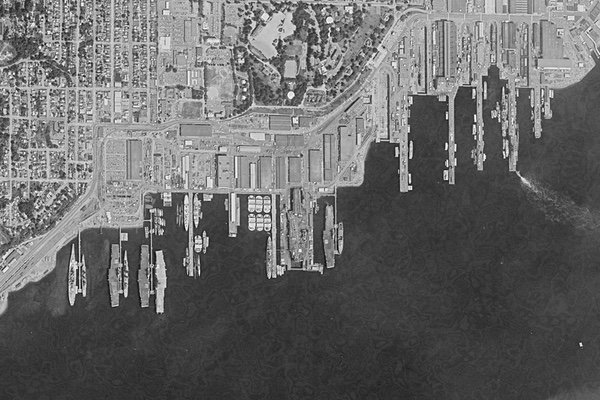
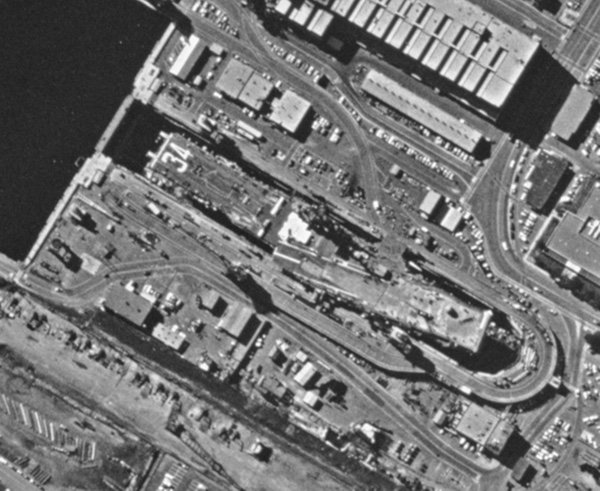
I'm working on a short article about this that will appear in coming weeks. It includes some never-before-seen photos of Oriskany. I wish I had some more photos of her in mothballs, but have not found any.