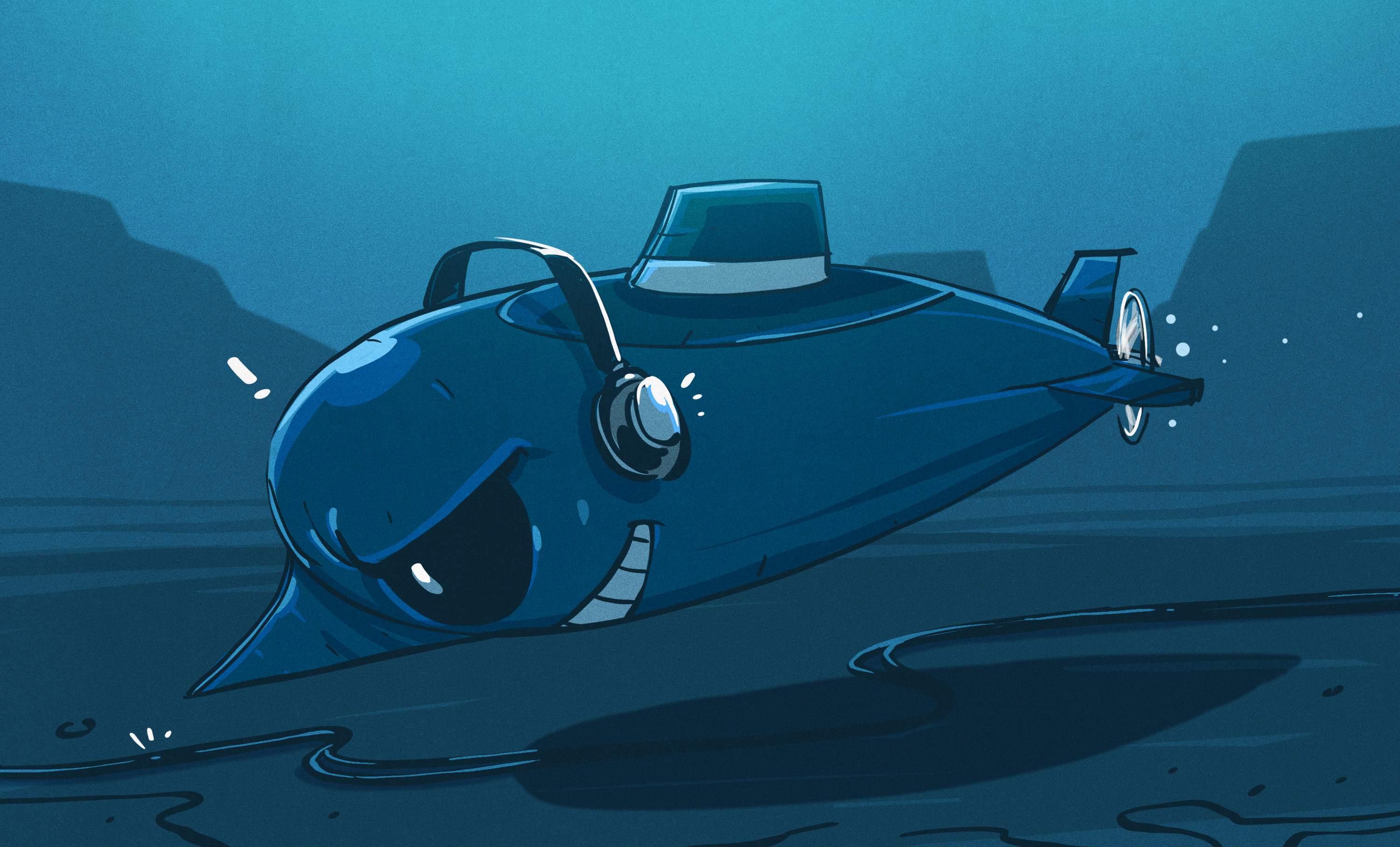
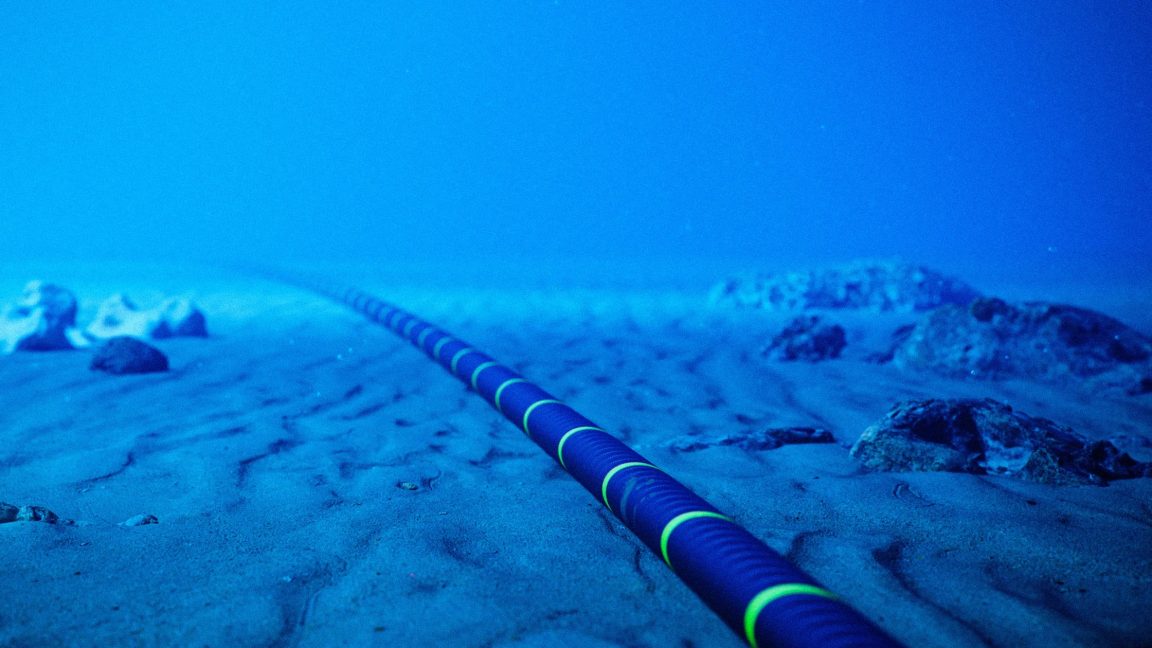
Don't have the anchor down near cables.
Or don't put cables near roadsteads. Unfortunately they have been. Look up a chart for a busy port: you're likely to find a 'no anchoring' area. Very often that's because of cables.
And no competent mariner is going to want to anchor in such an area either. Quite apart from the potential reputational damage, there's a significant risk of getting your anchor tangled in cables, moorings etc., and your own ship winding up stuck as a result.
Which, of course, is why dragging anchor is something that's undesirable, and which a ship at anchor is keeping watch for. But, because the marine environment is so variable, sometimes it happens anyway. And sometimes the crew isn't able to take preventative action in time to avoid a negative outcome. Which might be cut cables. It might also be fouled moorings, collision, or grounding.
First off, you tantalizingly end your top paragraph with "So you're left with" - pray tell exactly WHAT???
I belive the second paragraph was inserted later - you're left with procedural controls as described in the final paragraph.
Second, both anchor contact with the sea floor and presence or absence of the anchor in/from its housing can be reliably determined with dedicated in situ sensors
At least until the sensor, or the cable connecting it to the ship, is destroyed by the marine environment. Which would most likely occur the first time the anchor was deployed and recovered.
Not necessarily. The article identifies three possibilities. This one is interesting, because it's intermediate between 'cables attacked' and 'things get broken at sea':
"Several were cut, possibly by a ship attacked by the Houthis dragging its anchor, but the rebels denied being responsible."
What this is describing is that if a ship is damaged reasonably close to shore, one of the early responses is going to be to stop and anchor. And under those circumstances, the risk of damage to seabed infrastructure will be higher.
That's not the desired outcome of the attack (it may not be
undesired, but that's another matter), but the damage is still a consequence of it.





 ). It's not the 19th century anymore, you know...