Hi,
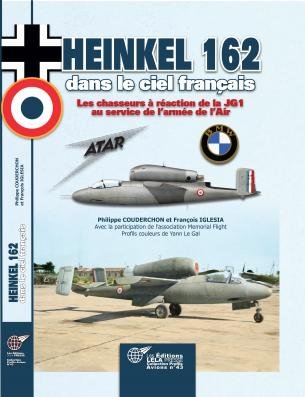
They were sent to the air base of the city where I was born many decades later: Mont de Marsan. In 1948 one of the He-162 crashed there, killing a French test pilot. General consensus was that the plane was a dog, and would have killed a number of ill-formed teenage nazi pilots...
I vaguely remember an old Flugzeug Classic article on the French testing activities, and I believe it showed take-off distances far in excess of the (already fairly long) German manual values, so when I read that article, I gained the impression that maybe, the engines might not have been up to full specified thrust.
Wolfgang Wollenweber's "Thunder over the Reich" describes the author's reaction on his first flight in the He 162: "I was filled with elation. I would never have believed that the He 162 could be flown so easily, and at speeds that no enemy fighter could possibly match. With this little beauty we need no longer worry about what sort of opposition we were up against: be they Mustang, Thunderbolts, Lightnings, Mosquitoes, Spitfires, Typhoons or Tempests, all they would see of us would be our backsides as we shot poast them. And if we did run unito trouble, we couild always use our superior speed to climb or dive away."
However, he also mentions the disadvantages: Over-sensitive rudder, a very short endurance, and supply, readiness and maintenance problems that stemmed from the war effectively lost by the time the Heinkel entered service. (He also points out that in his opinion, the He 162 never scored a victory in combat, since the single Tempest usually attributed to it was actually brought down by Flak.)
It'll certainly be interesting to read about the French perspective in depth!

Regards,
Henning (HoHun)