- Joined
- 29 November 2010
- Messages
- 2,275
- Reaction score
- 5,186
I guess they could do what they did with all those new warships they bought from Korea.. lots of export credits and financing, and a long payment schedule

They say increased internal fuel on the EX. I wonder how they'll achieve that while also fitting the internal weapons bay? Could conformal tanks be fitted to the sides (like the F-15), or the upper fuselage (like the F/A-18 & Rafale)? Enlarged spine (Mig-29SMT)? Fuselage stretch?More Sheldon graphics, this time with some additional details
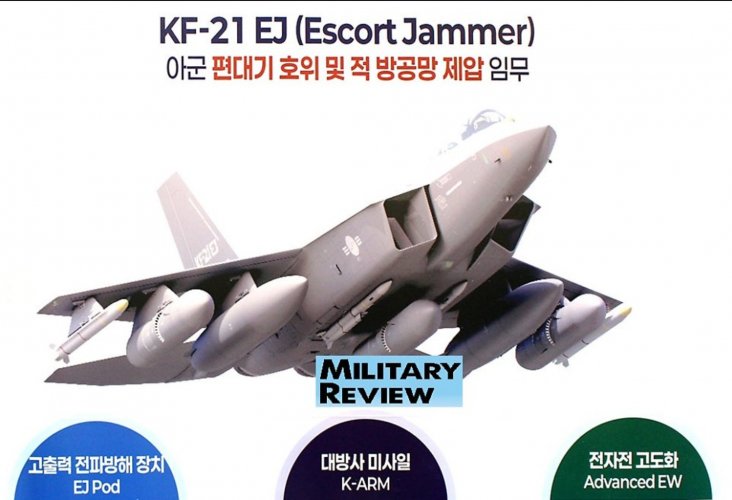
The official ROKAF project designation reads "Korean Low-Observable Fighter" programme, and it is focused on upgrading the pre-existing block 2 airframes, which ROKAF will be operating 120 of.They say increased internal fuel on the EX. I wonder how they'll achieve that while also fitting the internal weapons bay? Could conformal tanks be fitted to the sides (like the F-15), or the upper fuselage (like the F/A-18 & Rafale)? Enlarged spine (Mig-29SMT)? Fuselage stretch?
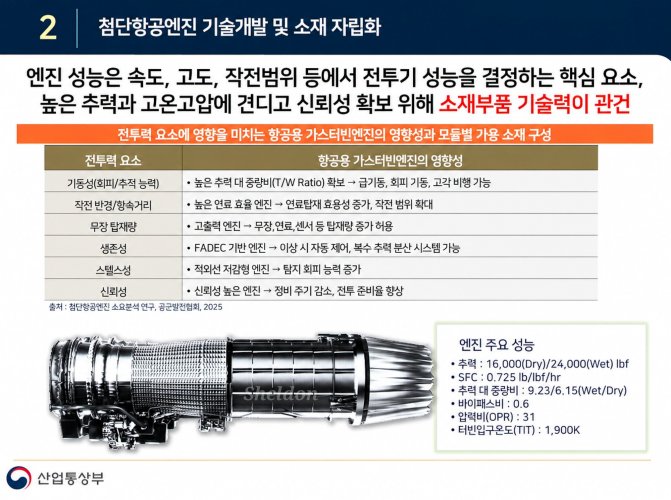
From what I know, the new F414 equivalent turbofan and Doosan/Hanwha Aerospace was not part of the discussion. Though, recently there has been a mandatory (since they are a publicly traded company, and the contract value exceeded their annual revenue-based threshold) single sales/supply agreements disclosure by Hanwha Aerospace concerning the engine development contract So things are proceeding behind the scenes.Thanks. Interestingly the graphic doesn’t say anything about the engine. Did the conference provide an update about the domestic engine?
Also are there any Korean source materials about the KF-21’s development cost or how much has been spent until now?
Yes, according to recent announcements on several different conferences.was it ever specifically mentioned that EXT goes for 2000lb?

|
|
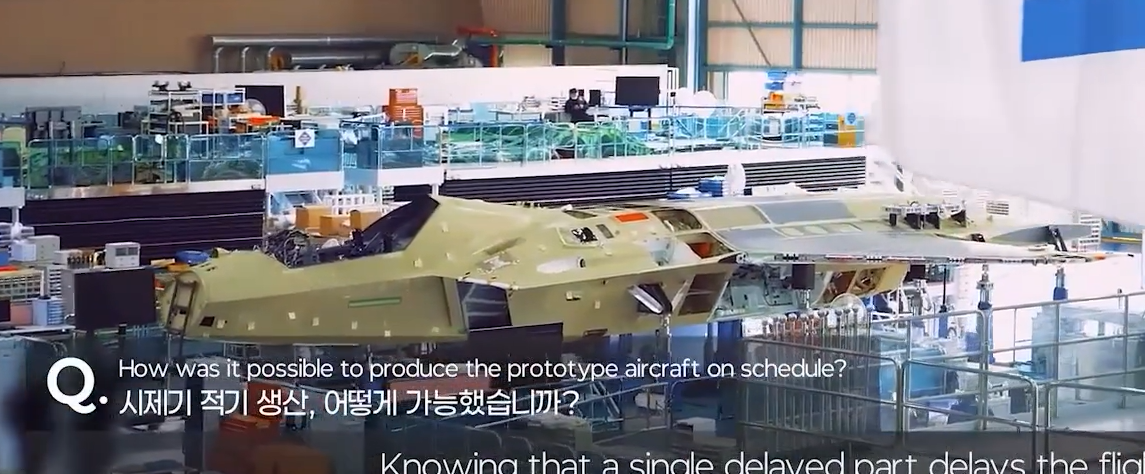
|

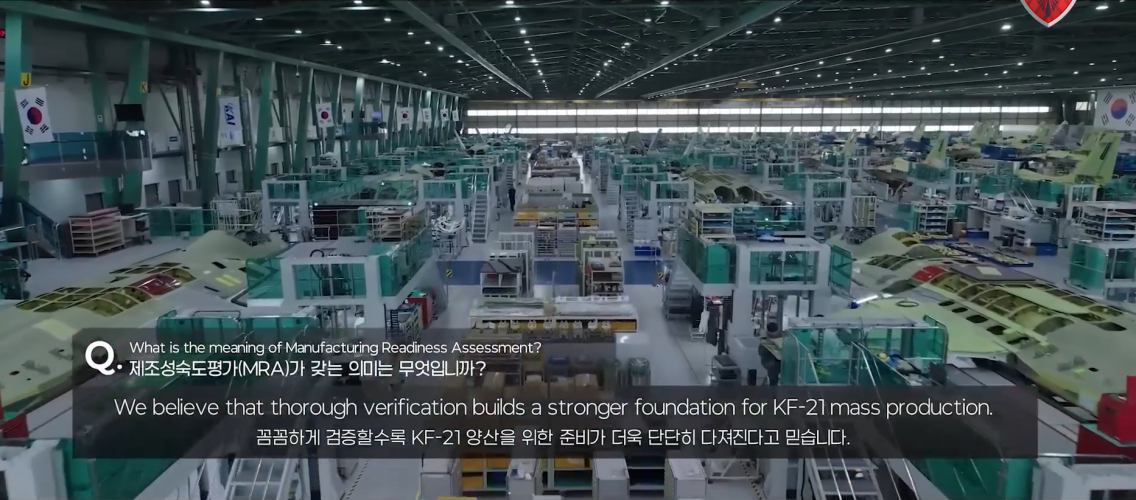
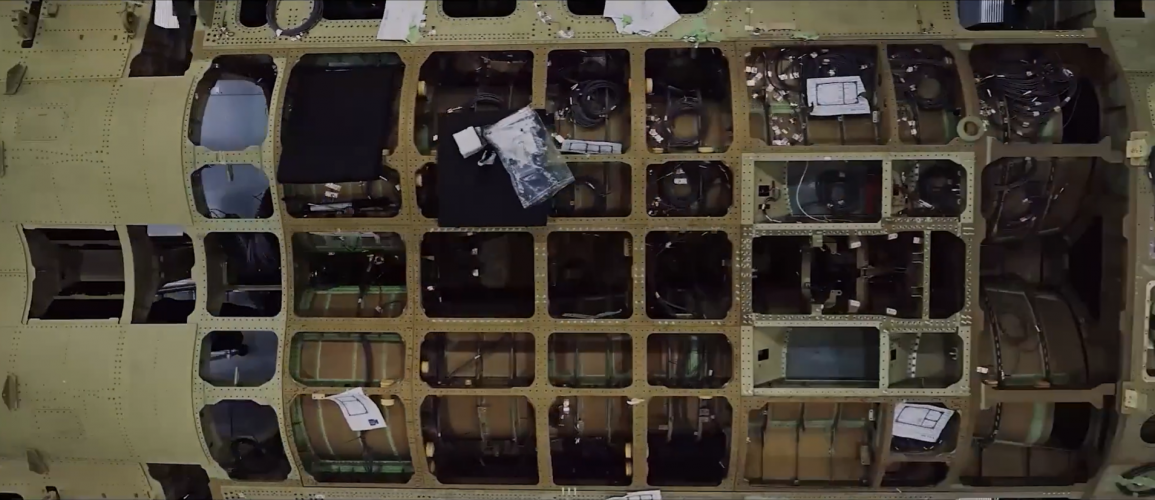
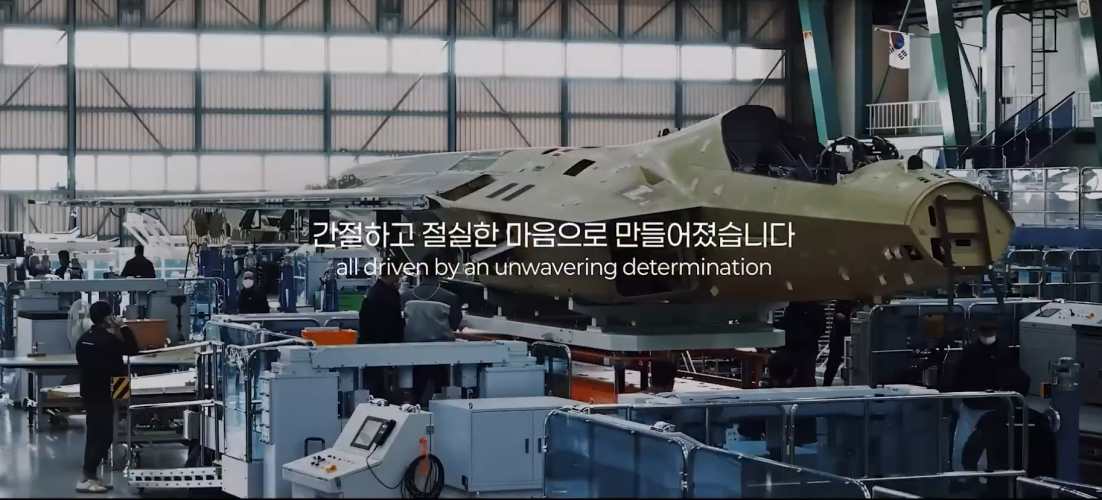
Looks like there are 12 KF-21s on the assembly line...
This video features the KF-21 test pilot himself explaining the behind-the-scenes story of the aircraft's development.
What I’ve recently learned are the subtle differences between the KF-21 prototype and the production models.
This is the tail boom of the first production model.
According to the test pilot's explanation, the production model features a thicker tailboom design to reduce airframe vibration.
In response to feedback that the aircraft was somewhat sensitive along the roll axis during flight, the control stick design was modified and the OFP was improved.
According to rumors circulating online, the first production model will be delivered to the Air Force on the 17th of next month.
The first Meteor launch from the KF-21 Block II prototype is scheduled for this month, August. The Block II prototype is equipped with not only the EO TGP but also a 480-gallon external fuel tank as standard. This test is intended to verify whether the Meteor can be launched safely with this configuration.