No pleasing some
https://techxplore.com/news/2026-06-electric-suv-boom-problem-climate.html
Electric SUVs may reduce tailpipe emissions compared with petrol and diesel SUVs, but they still need larger batteries, more raw materials, more energy and more road space than smaller electric cars. Their greater weight can also contribute to pollution from tire, brake and road wear, including fine particulate matter linked to respiratory and cardiovascular diseases.
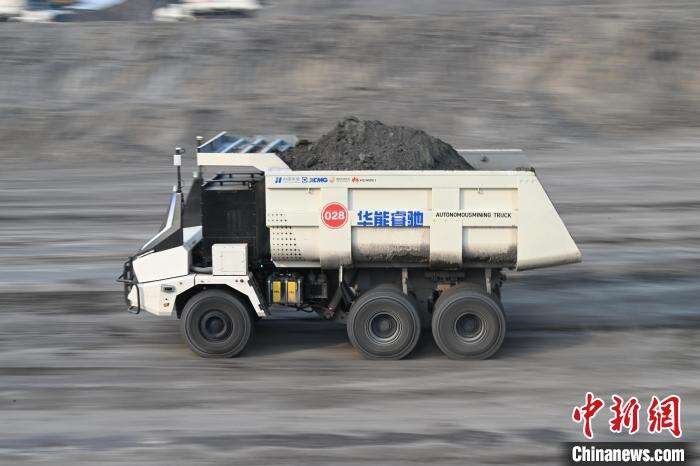
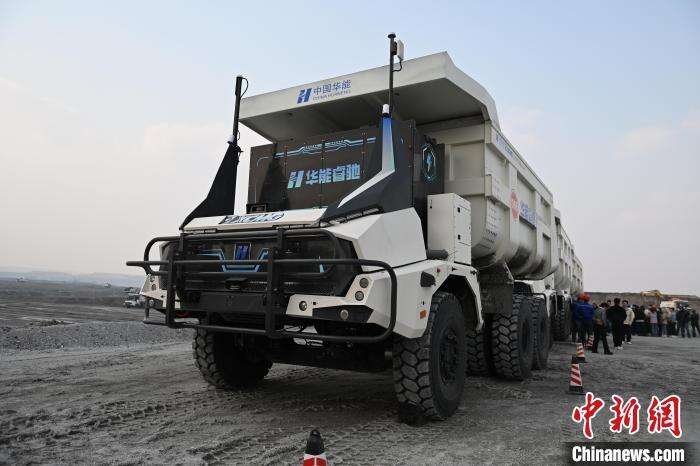
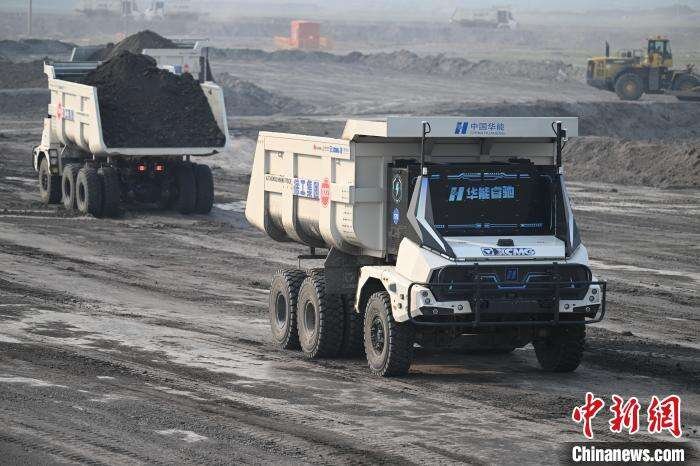
Crashes of self-drivers
https://techxplore.com/news/2026-06-driverless-cars.html
For the first time, new algorithms may be able to automatically explain why some self-driving cars crash—a question crucial to answer as more autonomous vehicles take to the roads. This new approach, developed by researchers at King's College London, reviews past events to explain why specific instances of failure happened, in the hope that this can be used to make improvements in the future.The research was presented at the 2026 IEEE International Conference of Robotics and Automation.
Good news!
https://techxplore.com/news/2026-06-100kw-fully-superconducting-aviation-motor.html
The prototype system, created by the Applied Superconductivity Laboratory (ASL) at the University of Strathclyde in Glasgow, represents one of the first attempts in the world to develop a fully superconducting axial-flux motor for aviation.
The motor uses high temperature superconducting (HTS) technology to carry very large electrical currents with almost no resistance when cooled to cryogenic temperatures: 20 Kelvin (K) or -253 °C.
This could allow aircraft motors to achieve much higher power density than conventional electrical machines—a key requirement for future hydrogen-electric and fully electric aircraft.
Magnets
https://techxplore.com/news/2026-06-ai-driven-roadmap-future-permanent.html
Hacks
https://hackaday.com/2026/06/01/on-the-wisdom-of-replacing-a-nimh-module-in-a-prius-battery-pack/
https://techxplore.com/news/2026-06-electric-suv-boom-problem-climate.html
Electric SUVs may reduce tailpipe emissions compared with petrol and diesel SUVs, but they still need larger batteries, more raw materials, more energy and more road space than smaller electric cars. Their greater weight can also contribute to pollution from tire, brake and road wear, including fine particulate matter linked to respiratory and cardiovascular diseases.
Crashes of self-drivers
https://techxplore.com/news/2026-06-driverless-cars.html
For the first time, new algorithms may be able to automatically explain why some self-driving cars crash—a question crucial to answer as more autonomous vehicles take to the roads. This new approach, developed by researchers at King's College London, reviews past events to explain why specific instances of failure happened, in the hope that this can be used to make improvements in the future.The research was presented at the 2026 IEEE International Conference of Robotics and Automation.
Good news!
https://techxplore.com/news/2026-06-100kw-fully-superconducting-aviation-motor.html
The prototype system, created by the Applied Superconductivity Laboratory (ASL) at the University of Strathclyde in Glasgow, represents one of the first attempts in the world to develop a fully superconducting axial-flux motor for aviation.
The motor uses high temperature superconducting (HTS) technology to carry very large electrical currents with almost no resistance when cooled to cryogenic temperatures: 20 Kelvin (K) or -253 °C.
This could allow aircraft motors to achieve much higher power density than conventional electrical machines—a key requirement for future hydrogen-electric and fully electric aircraft.
Magnets
https://techxplore.com/news/2026-06-ai-driven-roadmap-future-permanent.html
Hacks
https://hackaday.com/2026/06/01/on-the-wisdom-of-replacing-a-nimh-module-in-a-prius-battery-pack/
Last edited: