Around 500 rocket artillery systems – German Armed Forces prepare large order for MARS 3
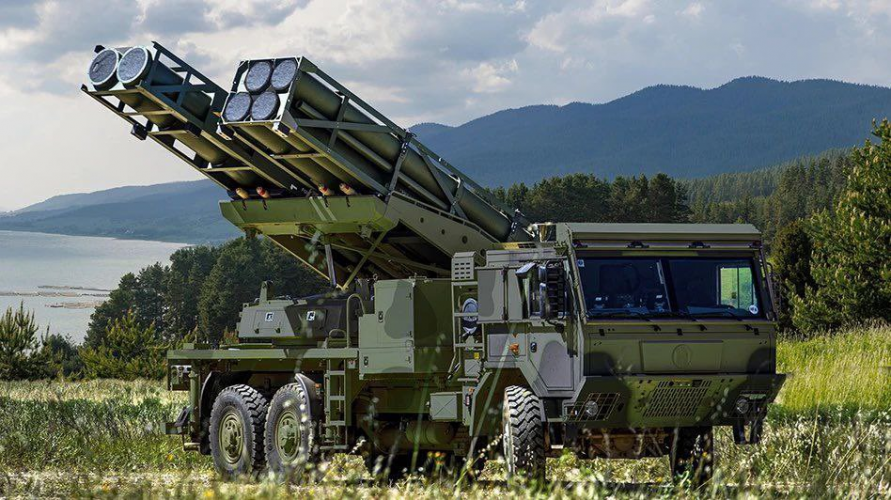
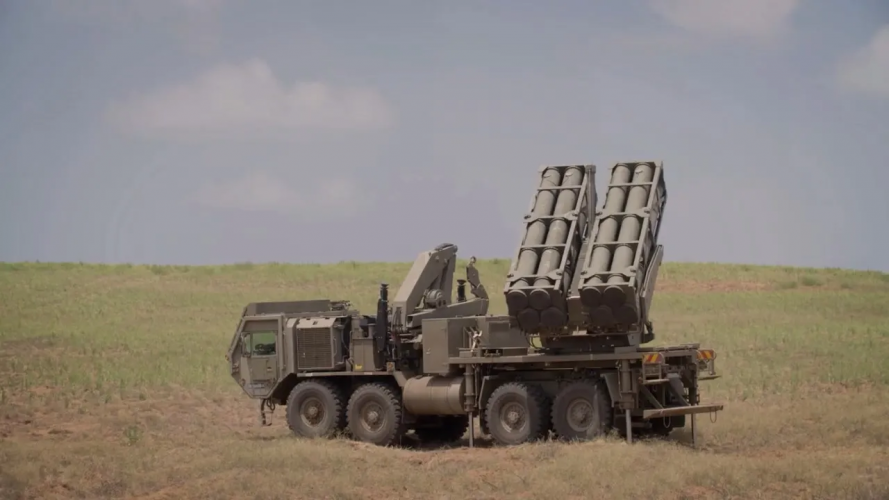
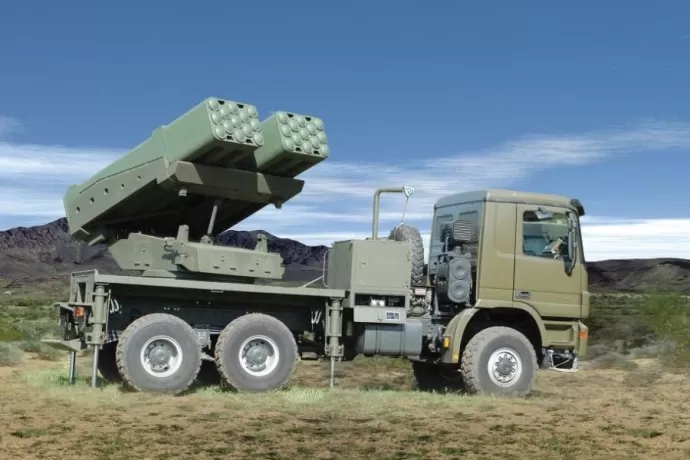
The German Armed Forces apparently intend to conclude a framework agreement for the procurement of around 500 MARS 3 rocket artillery systems – also known as EuroPULS. This information has been obtained by hartpunkt from several well-informed sources. According to reports, around half of the systems included in the framework agreement are intended for the German Armed Forces, while the other half would be available to interested allied nations, which could procure the systems under the same conditions as the German Armed Forces through the agreement. Sources familiar with the matter assume that the parliamentary debate on this procurement project will take place in the second half of 2026.
The Ministry of Defense also apparently wants to conclude larger framework agreements for ammunition. Observers assume that parliamentary deliberations could take place as early as the first half of the year. According to well-informed circles, artillery rockets with a range of 150 km are to be procured in a first tranche for several billion euros. According to reports, the troops are to receive a low five-digit number of these rockets by 2030. In the following years, further deliveries of several thousand rockets per year are apparently planned.
Observers also assume that the next step will be to procure longer-range rockets with a range of 300 km and loitering munition systems with comparable ranges. There also appears to be a need for anti-ship missiles with a range of over 100 km. According to reports, the procurement of other variants – such as a missile with seeker-guided ammunition (SMArt) – is also being considered. Corresponding requirements have been formulated in the past by Bundeswehr representatives in various forums.
In the medium to long term, the procurement of missiles or rockets with a range of 500 km would also be possible. However, little is known about this publicly. On the product side, this could be represented in different ways.
For example, MBDA Germany has been developing a joint fire support missile for some time now, which is to be fired from various platforms (land, air, and sea) and has a target range of around 500 km. However, Saab's RBS15, originally designed as a sea target missile, and Kongsberg's NSM are also repeatedly mentioned as possible missile candidates for arming the MARS 3.
The situation is similar in the field of conventional artillery rockets. In theory, a wide selection will be available in a few years. In addition to Lockheed Martin's Precision Strike Missile, both the South Korean defense contractor Hanwha and Elbit Systems are said to be developing rockets with a range of 500 km. This can be inferred, at least indirectly, from the Norwegian Armed Forces' recent rocket artillery procurement project. From the outset, the plan was to procure a 500 km rocket, which had to be offered by all participants. Both Hanwha and KNDS Germany (MARS 3) participated in the project, but Norway ultimately opted for the South Korean offer. It is currently unclear which path Germany will take with regard to a possible 500 km missile, or whether such a requirement will even arise. The advantage of the MARS 3 would at least be that, from a technical point of view, the system is suitable for firing all the missiles and rockets mentioned. Since the German Armed Forces are also procuring the rocket artillery system with a German fire control system, the integration of the weaponry would also be comparatively “easy” to implement.
Translated with DeepL.com (free version)