Brett Davidson
ACCESS: Top Secret
- Joined
- 26 September 2006
- Messages
- 4,041
- Reaction score
- 11,741
A solid state battery that can reach 80% charge in four and a half minutes and full in seven.

About dang time!A solid state battery that can reach 80% charge in four and a half minutes and full in seven.

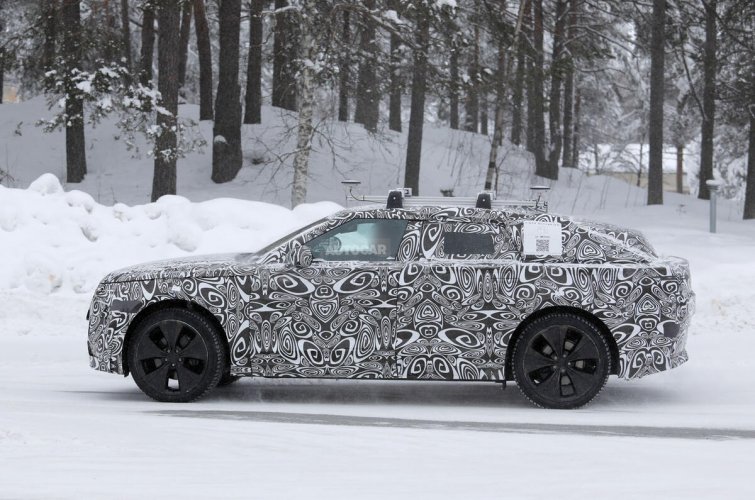
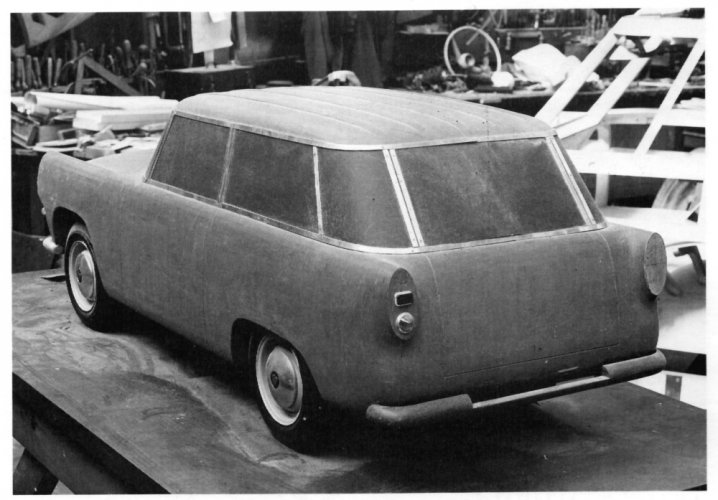
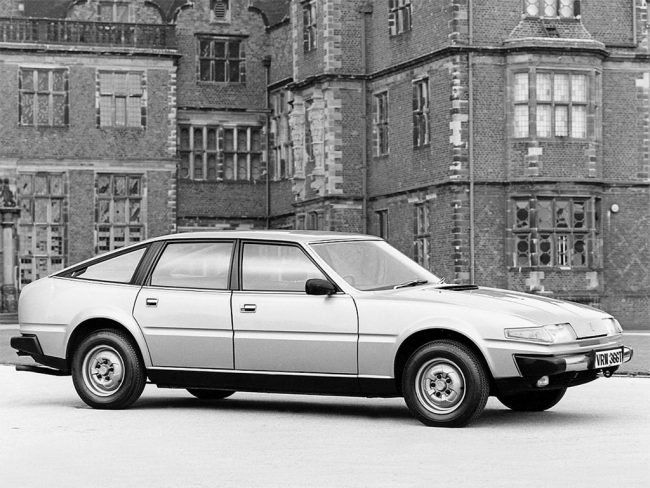
It is so weird seeing that super high beltline on something with a Rover badge.Range Rover's second generation Velar has shed more disguise, confirming that it's a fastback. This evolution is likely to further differentiate it from the Range Rover Sport. It looks a bit as if the cancelled Road Rover from the 50s and an SD1 had a child. In an alternate timeline one can imagine Rovers evolving into this.
A Range Rover saloon...? The new Velar is Solihull's sleekest yet | Autocar
Rakish, low-riding silhouette for Land Rover's fresh Porsche Macan Electric rival, due later this yearwww.autocar.co.uk

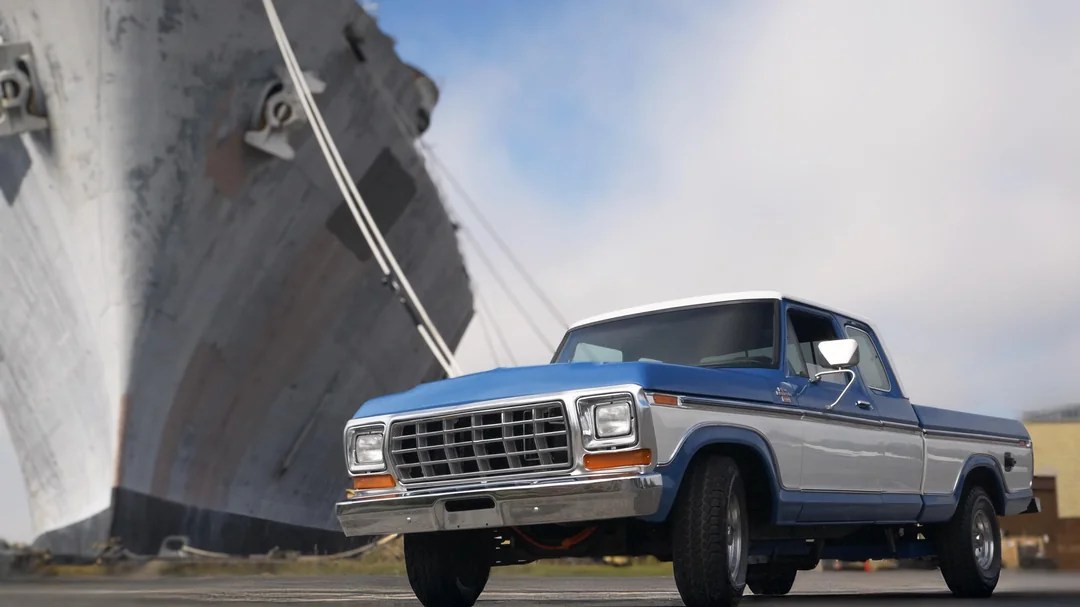
The practical purpose of the low belt line of the P38 was to accurately place the vehicle on a narrow off-road trail. Spotting and avoiding low obstructions like boulders and tree stumps. For the last two decades the Ford F-series has featured a low belt line cut out on the front doors for the same practical reason. The P38 was really the last capable and durable off-road Range Rover, and even then, most of them came with fragile and maintenance intensive air springs.It is so weird seeing that super high beltline on something with a Rover badge.
My first experience with a Rover was an old P38, and the beltline there was clear down at my waist. It honestly felt very uncomfortable, like I was sitting on top of the car rather than in it.
But the high beltline like in the Evoque is a step too far the other direction, IMO.


 interestingengineering.com

I'm not so sure about that.Given the soaring price of oil and geopolitical instability in the Mideast, EVs are in a not unfavorable position.


 insideevs.com
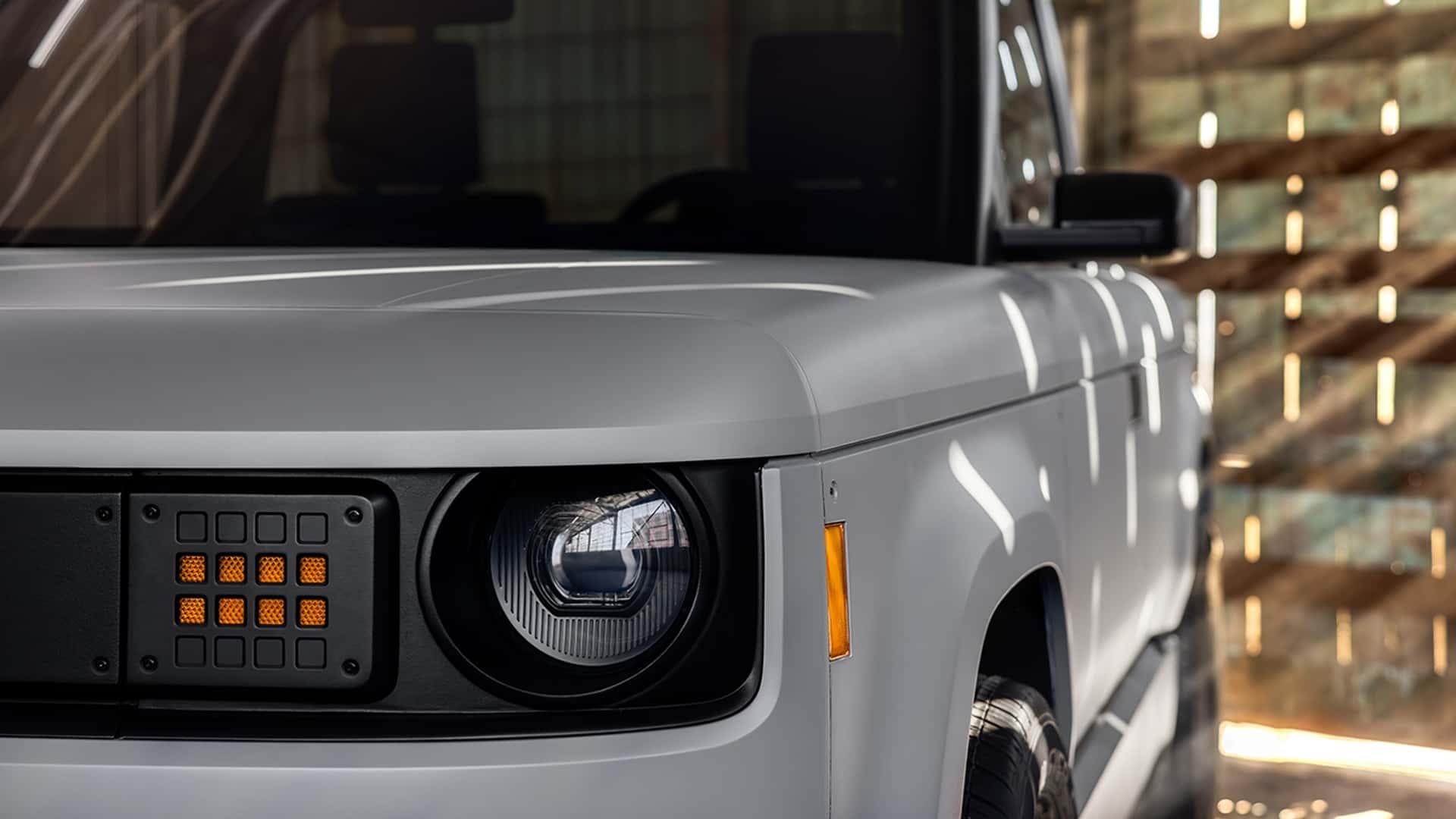
No power windows and no radio make it about the same market as the non-road-legal Kei Trucks you used to see in the US: Running around various bases or large facilities. It being road legal means you can send the apprentice on a run to the parts store (or coffe/sandwiches) in one.I've been following this project for a while and I have some doubts about it's overall viability. Aside from some questionable design choices, such as no power windows and no radio, it's price seems to be creeping up. If this truck is priced over $ 30,000 the market will evaporate.
To be honest something along the lines of the Toyota Hilux Champ is what the market needs but it is was pretty much designed for the developing world.
I Saw The Affordable Slate Truck In Person. Now I’m Worried
Slate Auto's $20,000-ish EV truck is getting a lot of attention. But is this really what Americans want?
 arstechnica.com
 arstechnica.com
 insideevs.com
The Hilux Champ is essentially a very small 2-wheel drive chassis cab. Oddly enough, all Toyota trucks were originally shipped to California as chassis cabs where a rust prone American made bed was added. However, that was due to a long closed loophole in the 25% “Chicken tax.”I've been following this project for a while and I have some doubts about it's overall viability. Aside from some questionable design choices, such as no power windows and no radio, it's price seems to be creeping up. If this truck is priced over $ 30,000 the market will evaporate.
To be honest something along the lines of the Toyota Hilux Champ is what the market needs but it is was pretty much designed for the developing world so it'll never make it to the U.S.
I Saw The Affordable Slate Truck In Person. Now I’m Worried
Slate Auto's $20,000-ish EV truck is getting a lot of attention. But is this really what Americans want?
The problem is that series hybrid/diesel electric drive is hideously inefficient on a scale smaller than a railway locomotive. The is exactly why a Honda Civic Hybrid has a direct drive clutch despite lacking a multi speed gearbox. And also why Nissan has taken so long to offer their inefficient series hybrids in North America. If diesel electric drive was even marginally efficient, every Class 8 truck would have been built that way for decades. And keep in mind that the heavy truck industry was always far more open to innovation than the mainstream automotive industry. From 2-stoke diesels to the strange low RPM diesels in Mack trucks that allowed for simpler gearboxes, it was all tried. Notably, GM subsidiaries once lead in both diesel-electric locomotives as well as heavy truck diesels and automatic gearboxes, as well as building heavy trucks themselves. Even GM didn’t attempt a diesel-electric truck despite having all the pieces of the puzzle at a time when efficiency and emissions weren’t regulated.No power windows and no radio make it about the same market as the non-road-legal Kei Trucks you used to see in the US: Running around various bases or large facilities. It being road legal means you can send the apprentice on a run to the parts store (or coffe/sandwiches) in one.
Now, if someone was making a series-hybrid aka diesel-electric pickup truck in the 3/4 or 1-ton size classes for work trucks, now there's a market. The US has shifted from "toolboxes for cab&chassis trucks" as work trucks to "toolbox as a trailer that you leave at the job site," and that means that truck buyers care a lot more about towing capacity than direct load capacity. And maximum towing capacity is usually achieved by diesel-electric drivelines.
They did IIRC, in the early 1990s or late 1980s. Vortec 4.3L v6 (on propane) driving the generator, electric motor driving the axles. Because late 80s early 90s there wasn't a good small diesel generator.The problem is that series hybrid/diesel electric drive is hideously inefficient on a scale smaller than a railway locomotive. The is exactly why a Honda Civic Hybrid has a direct drive clutch despite lacking a multi speed gearbox. And also why Nissan has taken so long to offer their inefficient series hybrids in North America. If diesel electric drive was even marginally efficient, every Class 8 truck would have been built that way for decades. And keep in mind that the heavy truck industry was always far more open to innovation than the mainstream automotive industry. From 2-stoke diesels to the strange low RPM diesels in Mack trucks that allowed for simpler gearboxes, it was all tried. Notably, GM subsidiaries once lead in both diesel-electric locomotives as well as heavy truck diesels and automatic gearboxes, as well as building heavy trucks themselves. Even GM didn’t attempt a diesel-electric truck despite having all the pieces of the puzzle at a time when efficiency and emissions weren’t regulated.
I previous dealt with the lack of credibility of “Edison Motors.” https://www.secretprojects.co.uk/threads/tesla-cybertruck.32688/post-807483They did IIRC, in the early 1990s or late 1980s. Vortec 4.3L v6 (on propane) driving the generator, electric motor driving the axles. Because late 80s early 90s there wasn't a good small diesel generator.
There was also the HEMTT A3 Pro-Pulse technology demonstrator, which was set up almost identically to a train using no batteries to store power. That happened sometime in the early 00s.
As I understand it, the issue then was the motor controllers needing to be massively big, heavy, and prone to catching on fire if improperly maintained. Which is now a solved problem because people have successfully scaled high power solid state motor controllers. Hence Edison trucks.

 www.carscoops.com
 cnevpost.com

Not bad but, when will it be relevant? As in appear in cars the majority of us can buy rather than a few elitist rich folk.A solid state battery that can reach 80% charge in four and a half minutes and full in seven.

Meanwhile, China’s electric car sales collapse, along with the sales of Chinese domestic brands, with VW and GM joint ventures returning to #1 and #2 in overall sales. https://www.autocarindia.com/car-ne...les-in-china-again-byd-drops-to-fourth-439230
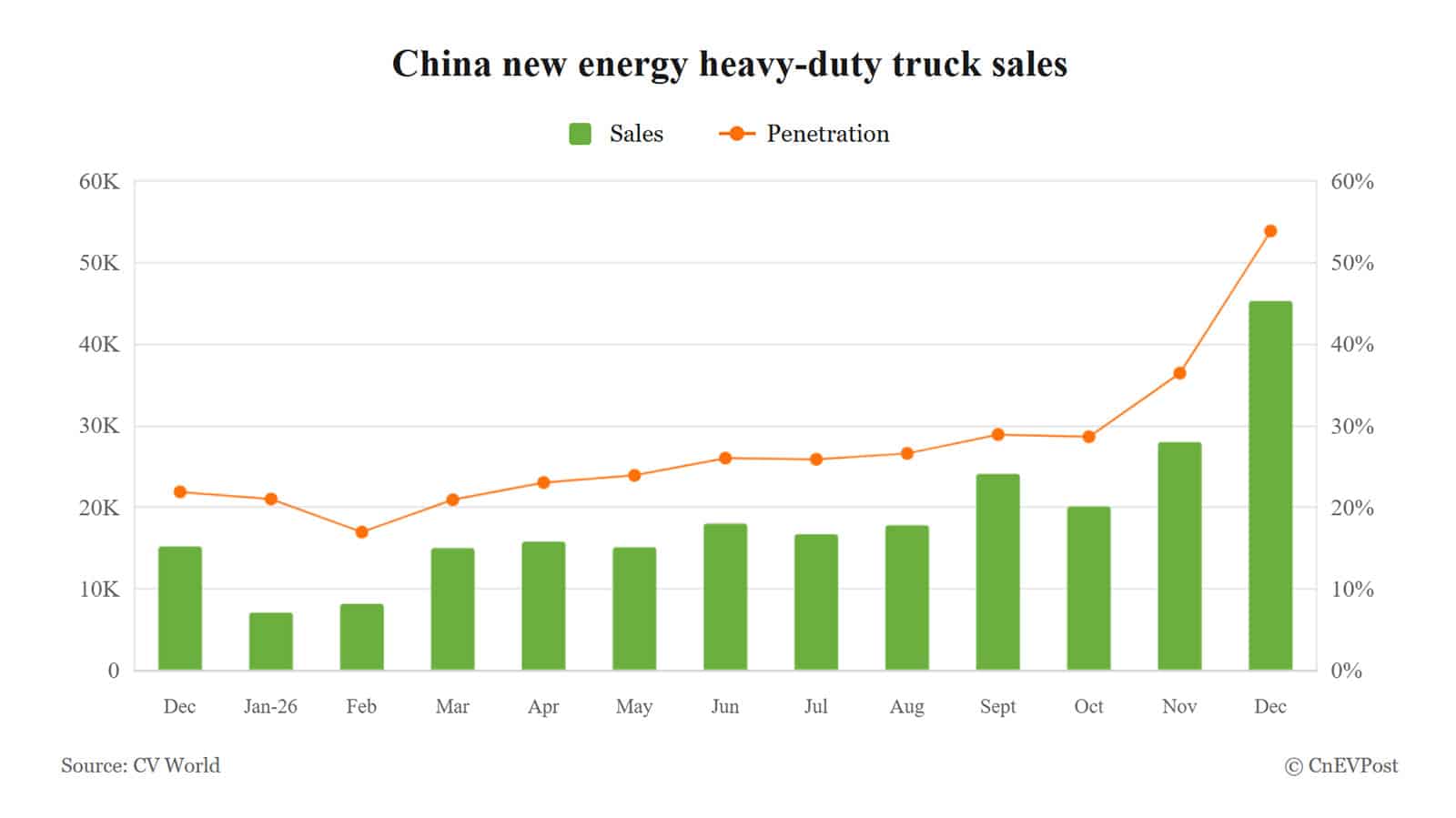
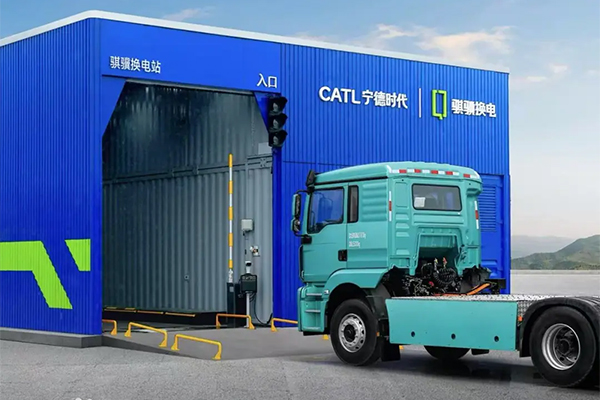
Demand frontloading propels China's new energy heavy-duty truck penetration past 50% for 1st time
In December, China sold a record 45,300 new energy heavy-duty trucks, accounting for 53.89% of total heavy-duty truck sales of 84,000 units.
Chinese electric heavy duty truck market penetration was 28 percent in 2025. China sold over 230,000 heavy-duty new energy trucks (hybrid, BEV, etc) in 2025, more heavy duty trucks than were sold in the entire USA.
December statistics are front-loaded but the trendlines are quite clear at this point. Electric heavy-duty semi-trucks are completely and totally viable, if you have the charging infrastructure. They are not a niche product or an embryonic product; they are mass-market.
I strongly suspect that most of those sales are for port trucks and maybe local-delivery trucks, not long haul OTR.
Demand frontloading propels China's new energy heavy-duty truck penetration past 50% for 1st time
In December, China sold a record 45,300 new energy heavy-duty trucks, accounting for 53.89% of total heavy-duty truck sales of 84,000 units.
Chinese electric heavy duty truck market penetration was 28 percent in 2025. China sold over 230,000 heavy-duty new energy trucks (hybrid, BEV, etc) in 2025, more heavy duty trucks than were sold in the entire USA.
December statistics are front-loaded but the trendlines are quite clear at this point. Electric heavy-duty semi-trucks are completely and totally viable, if you have the charging infrastructure. They are not a niche product or an embryonic product; they are mass-market.
With market share of NEVs falling from 50 to 42 percent despite a fairly large pullback in subsidies and reimposition of vehicle taxes, in a very soft vehicle market in general.Meanwhile, China’s electric car sales collapse, along with the sales of Chinese domestic brands, with VW and GM joint ventures returning to #1 and #2 in overall sales. https://www.autocarindia.com/car-ne...les-in-china-again-byd-drops-to-fourth-439230
 arstechnica.com

 arstechnica.com
Already overshadowed by reports of the products that were killed for the sake of this already failed rebranding. Jaguar’s old lineup was probably commercially dead anyway, but the act of killing off the ICE line and allowing a product hiatus, leaving dealers with nothing aside from 2 year old remaindered inventory was probably a worse PR move than the advertising campaign. The message was that the Jaguar brand was completely dead. It doesn’t help that these monochromatic YouTube thumbnails harken back to that fateful ad. Anyway, the chief designer is gone and we’re all just waiting for a massive write down. Perhaps following through with a disastrous product launch is just being done for tax reasons? Hopefully, as the curtain closes on Jaguar, spare parts will remain available. Nothing would please Jaguar enthusiast more than to see the parts business and moribund brand transferred to an organization equivalent to British Motor Heritage.FWIW, Jaguar has started a new ad campaign. No pink to be seen. Coming after they let journalists drive prototypes, it suggests that the unveiling of the new car will happen soon.
View: https://www.youtube.com/watch?v=fFaUfQTyT7Q
View: https://www.youtube.com/watch?v=qfQ2UsIctH0
View: https://www.youtube.com/watch?v=LCU7UJcFlEg
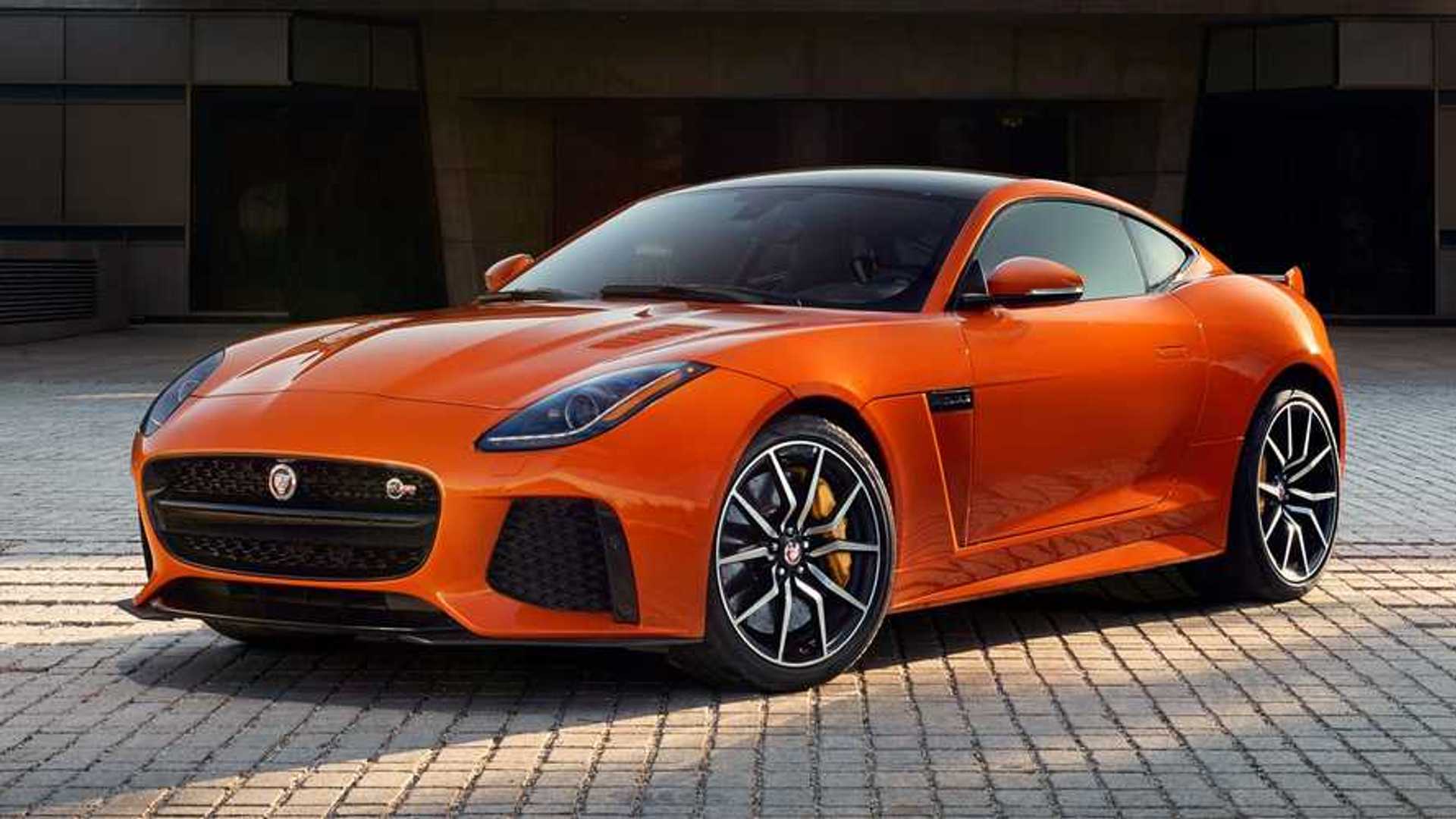
 www.motor1.com
Does BMH have enough free capital to acquire the old Jag bits?Hopefully, as the curtain closes on Jaguar, spare parts will remain available. Nothing would please Jaguar enthusiast more than to see the parts business and moribund brand transferred to an organization equivalent to British Motor Heritage.

 electrek.co

Wow. First Apple abandons development of an EV after spending a massive sum of money on it and now Sony and Honda follows suit. It's amazing that so far Xiaomi is the only tech company to successfully launch an EV and have massive success. The problem with this car, apart from it's utterly bland styling, was its hefty price tag. A Lucid EV would be a better deal. Is Honda just giving up on electric vehicles ?
Honda pulls the plug on its PlayStation EV on wheels with Sony
The Afeela EV, Honda and Sony’s PlayStation on wheels, has been discontinued as Honda struggles to turn things around. Honda...
Sony and Honda's EV Dream Is Dead as Development of the Afeela 1 Sedan Is Canceled
The Afeela 1 was supposed to go on sale this year, but Honda's decision to cancel its own EV plans is also killing the car from its joint venture with Sony.www.caranddriver.com
I’m using it as an example. BMW spun off BMH when they disposed of MG-Rover. Realistically, Jaguar is now in worse shape as a brand than MG-Rover was on its final days in 2005, let alone the day BMW disposed of it.Does BMH have enough free capital to acquire the old Jag bits?
Sure, I'm just thinking that "British Motor Heritage" really should also include Jaguar if at all possible.I’m using it as an example. BMW spun off BMH when they disposed of MG-Rover. Realistically, Jaguar is now in worse shape as a brand than MG-Rover was on its final days in 2005, let alone the day BMW disposed of it.

They really did well in some aspects.Recently, the new generation Xiaomi SU7 completed a crash test exceeding the China New Car Assessment Program (C-NCAP) under the supervision of an authoritative institution. The test involved a frontal 50% overlap moving progressive deformation barrier (MPDB) collision at a relative speed of 120 km/h, far surpassing the standard test conditions (standard relative speed is 100 km/h) and collision energy (about 1.44 times the standard test energy). The occupant cabin had zero failures, the battery had zero leaks and no fire, and the emergency systems were fully activated.
Facing collision energy 1.44 times that of the standard test, the new SU7 used ultra-high-strength materials like 2200 MPa steel and three force transmission paths to effectively divert impact forces, ensuring the integrity of the occupant cabin structure. At the same time, the driver airbag, passenger asymmetric airbag, and dual super-long side curtain airbags deployed in coordination. Combined with a triple-redundancy door handle design, this ensures comprehensive protection and escape/rescue options for occupants. The battery system also withstood the test under the CTB integrated technology and multiple layers of protection.

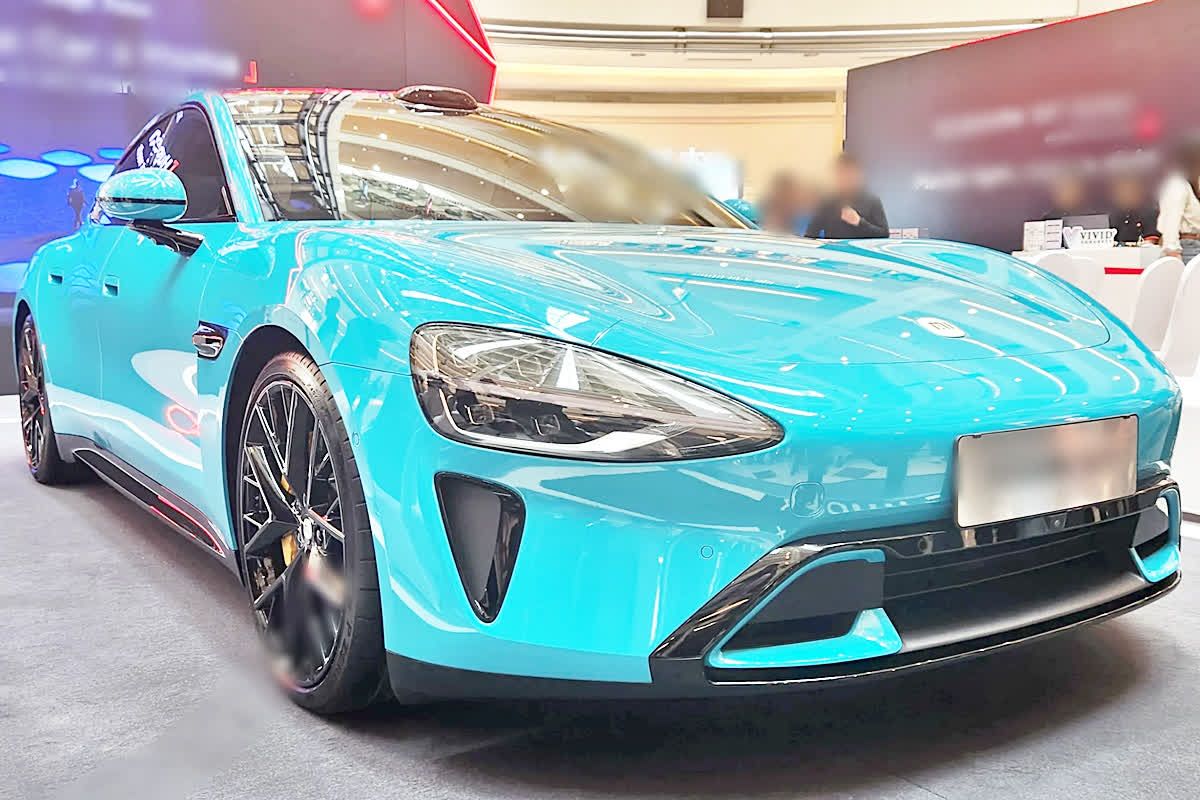
 autopostglobal.com
SU7 did indeed have problems in the past. Last year, there was actually a very serious traffic accident involving an old SU7. The door handles on the old SU7 were electronically controlled, not mechanical, which resulted in the doors being unable to open after a severe malfunction occurred. Electronic and hidden door handles might look cool, but they won’t be used anymore, as the relevant national authorities no longer allow automakers to make such door handles.As for the SU7, I don't think it is all great if we look at
Not even close but, considering the ten year post model replacement rule for spares, they may just have that gifted. A complete debacle.Does BMH have enough free capital to acquire the old Jag bits?