Europe's future light-attack/ISR capability

muttbutt

ACCESS: Secret
Joined
31 January 2010
Messages
417
Reaction score
594
Not quite sure why we're doing this but...

A new turboprop-powered light-attack and surveillance aircraft could be on the cards after the European Defence Fund outlined plans to invest €15 million ($17 million) in early-stage design work for such a platform.

 
Light attack is not helpful for offensive operations in a high end war against a peer, but defensively if that peer is lobing hundreds of cheap slow cruise missiles, maybe.
Also since Europe may have to have a larger more active foreign policy, it might be less expensive than a Eurofighter or Rafale.
 
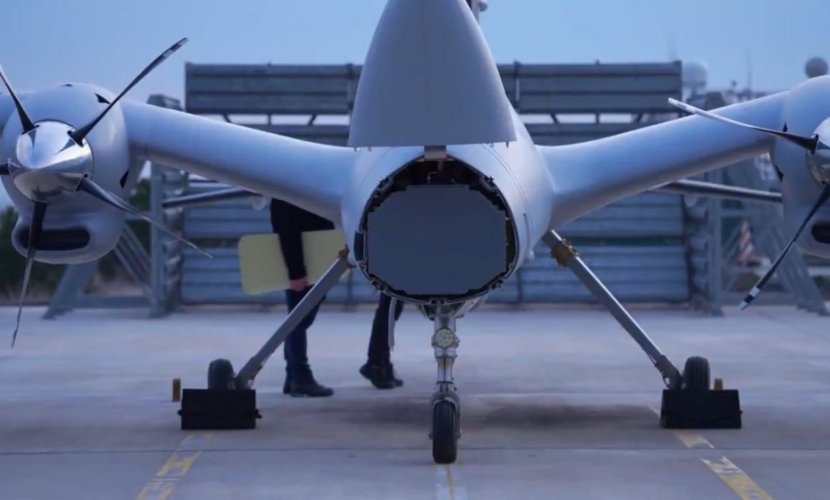
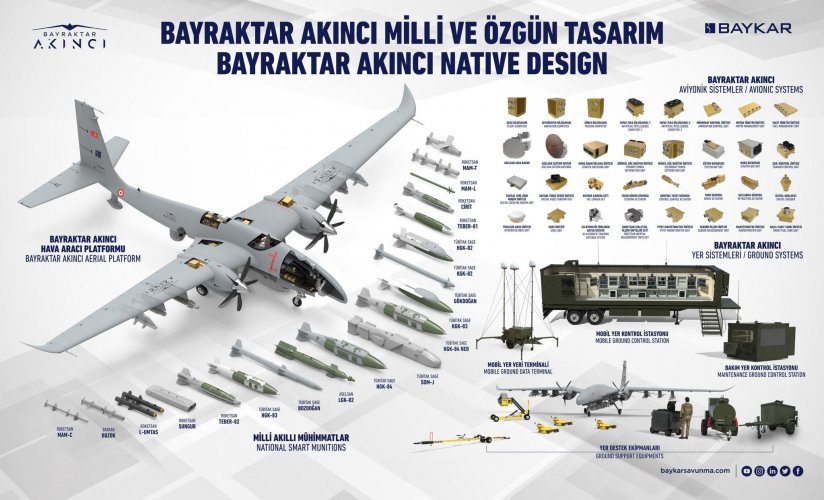
It's a shame that relations have cooled between the EU and Turkey, because a platform like the Bayraktar Akinci would be perfect for this role.
 
Light attack is not helpful for offensive operations in a high end war against a peer, but defensively if that peer is lobing hundreds of cheap slow cruise missiles, maybe.
Also since Europe may have to have a larger more active foreign policy, it might be less expensive than a Eurofighter or Rafale.
I think people underestimate the utility of long endurance armed overwatch type aircraft as Shahed hunters tbh.
 
The problem is that it also needs to be able to get down into the weeds to get into range of the Shaheds, not just orbit at 25k for radar search.
If you have a functional defense system and a data link (the NATO Link 16 for example) then you know where the drone is and bring the turboprop close enough to the target to be able to use your eyes, night vision goggles or a cheap FLIR.

The turboprops are quite multirole, you can use them from trainer to drone or helicopter interception, surveillance, light attack etc.
View: https://www.youtube.com/watch?v=STBGmAztZfs
 
It's a shame that relations have cooled between the EU and Turkey, because a platform like the Bayraktar Akinci would be perfect for this role.
I've got news for you :) Akinci (along with TB-3 and even the Kizilelma) will be assembled in Italy, under a Baykar-Leonardo JV, and with Italian subsystems...
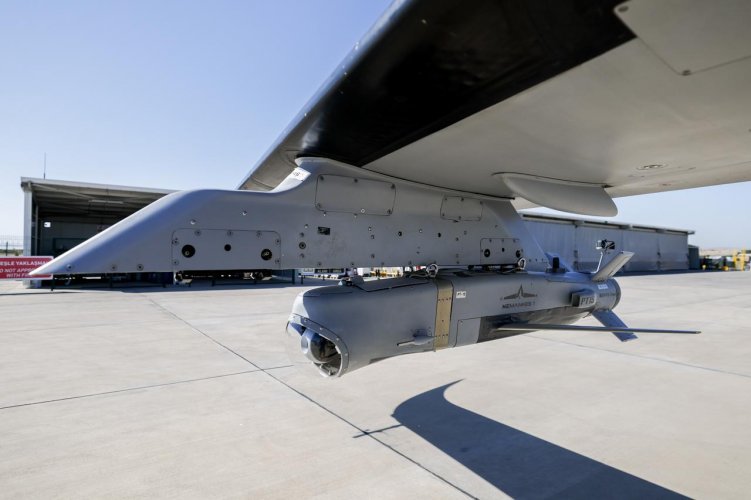
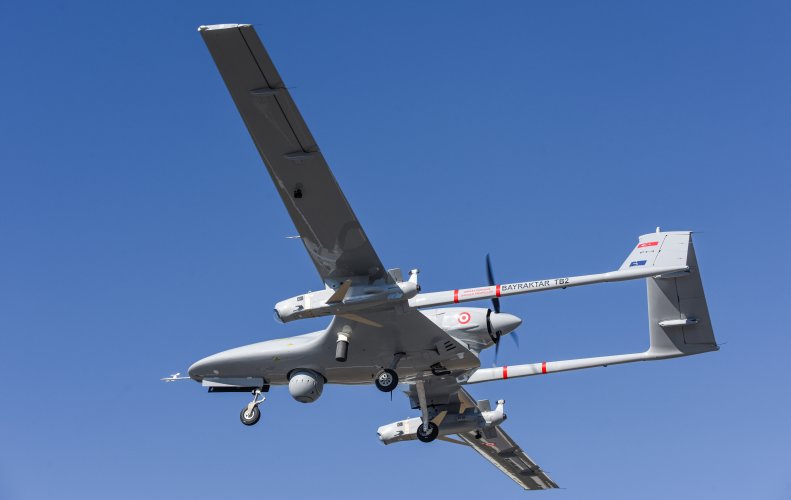
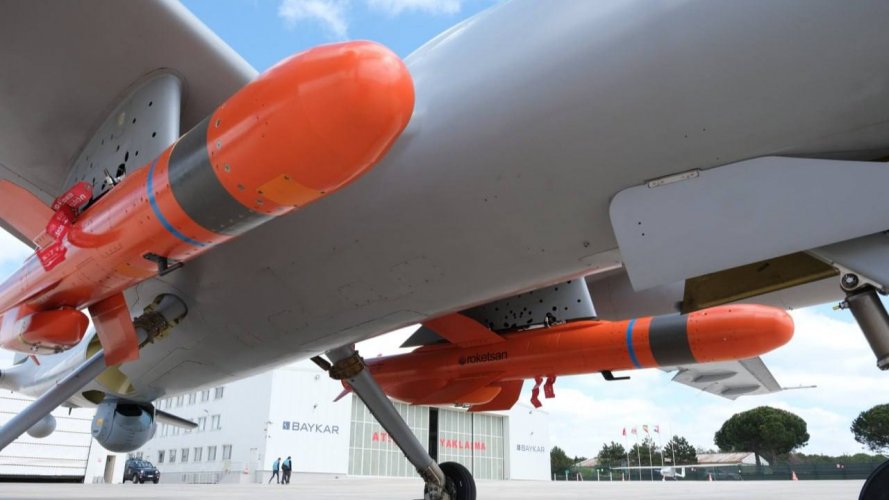
1000042982-jpg.774372

1762464957386-png.78123


Edit: Italian military personnel were also present for this:

Military delegations from Italy, the United Kingdom, Spain, Japan, and Brazil got to experience shipborne TB-3 operations live:

View: https://x.com/SavunmaSanayiST/status/1996578779657850891?s=20

 
Last edited:
Light attack is not helpful for offensive operations in a high end war
If you have 150km range cheap, mini- cruise missiles like this; then yes, it absolutely is:

1000075324.jpg

Even the TB-2 can haul two of these with ease...

1000075328.jpg


Even though it is based on a 275kg AshM, there's also this multi-purpose cruise missile:

1000075325.jpg


Akinci is even fitted with an F-16-grade GaN FCR, so that it can sling BVR/WVRAAMs at slow-moving enemy aircraft, or even take advantage of opportunities against actual fighter jets under certain circumstances...

1000075327.jpg

What I'm trying to show you is that, under fighter cover, drones like this bring you practically limitless mission flexibility...

1000075329.jpg
 
Last edited:
If you have 150km range cheap, mini- cruise missiles ...; then yes, it absolutely is:
hq720.jpg
Flying around at altitude may become very risky in the coming years. That said I agree that lobbing long range cruising missiles will be an important part of the mission. Having multiple means of attack and defense guards against your 'silver bullet' suddenly becoming useless.
Look at how the current European conflict has seen drastic changes in technology since the beginning of the conflict.
 
They don't need the range.
APKWS range is ~8km, maybe 10km from 35,000ft.

Which is about 8km vertically from the altitude the kamikaze drones would be flying at. Your light attack drone at 35kft would need to get within 6km of the targets to make the intercept geometry work.
 
Considering that Shahed drones fly usually with less than 200km/h it is easy to get in range.
 
European Union looks at stealth-focused light attack aircraft by 2035
The European Union is examining a stealth-focused light attack aircraft concept as part of its 2026 planning under the European Defence Fund, aiming to address an emerging capability gap in Europe’s light military aviation segment on the 2035–2040 horizon.

Listed as the “Future Multirole Light Aircraft” (FMLA), the initiative carries an indicative €15 million budget for studies and design work. Multiple projects may be funded. At this stage, the effort remains exploratory, aimed at aligning requirements and industrial options rather than launching a full development program.
 
Functional requirements

The proposed FMLA should meet the functional requirements described below:

- It should be a small turboprop aircraft designed, manufactured and tested so that it can be certified in accordance with EMAR 21, featuring:​

- Maximum take-off weight (MTOW) up to 7500 kg;​

- Short take-off and landing (STOL) capabilities;​

- cargo compartment (rear, side cargo door, ramp).​

- It should be designed using the most relevant applicable standards as set out below:​

- Development: ARP-4754A​

- Safety: ARP-4761​

- Environmental: MIL-STD-810H​

- Electromagnetic interference (EMI) and electromagnetic compatibility (EMC): MIL-STD-461G​

- Electric power: MIL-STD-704​

- Software: DO-178C​

- Complex hardware: DO-254​

- Cyber security: DO-326A and DO-356A​

Any deviation from these standards should be justified and an evaluation of the gaps between the suggested applicable standards and those used should be provided.

Annex 3 of EDF Work Programme 2026 (PDF)
 
APKWS range is ~8km, maybe 10km from 35,000ft.

Which is about 8km vertically from the altitude the kamikaze drones would be flying at. Your light attack drone at 35kft would need to get within 6km of the targets to make the intercept geometry work.
Fair enough. However, what we are seeing in the field right now is Ukrainians are already successfully shooting down Russian kamikaze drones using machine guns mounted on helicopters and even modified crop dusters while operating at low altitudes, where the drones currently actually fly. The real world evidence shows that low altitude, slower, cheaper aircraft can and do intercept drones. Which also means that slower, lesser maneuverable, shorter range 70mm guided rockets can also do that. I am not claiming that what Ukrainians are doing is ideal. I am also not claiming that using drones at low altitudes like what Russians are doing is ideal. However, it is the status quo on the battlefield right now. In the current meta, you don't need to fly high or have long ranges.
 
However, it is the status quo on the battlefield right now. In the current meta, you don't need to fly high or have long ranges.
The problem is we're in "europe's" thread. By the time committee will fully agree on what they're building, battlefield in Ukraine will change 3 times over.
 
Well "STOL capability, and a reconfigurable cargo compartment." certainly makes the expected options potentially less tenable.
 
Well "STOL capability, and a reconfigurable cargo compartment." certainly makes the expected options potentially less tenable.

Sounds like they are looking for some special kind of turd. That also needs to be stealth and hardened to electromagnetic interference.

Already sounds like they are attempting to make most expensive turboprop on the world market
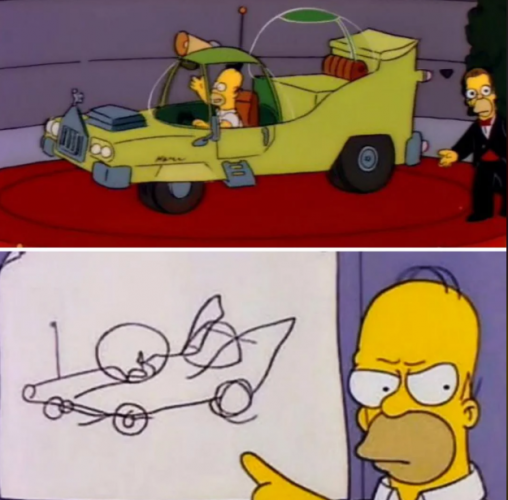
Note 15 million is just for concept research , so that sketch Homer is pointing at.
2026-01-05_23h24_09.png
 
Sounds like they are looking for some special kind of turd. That also needs to be stealth and hardened to electromagnetic interference.

Already sounds like they are attempting to make most expensive turboprop on the world market
Note 15 million is just for concept research , so that sketch Homer is pointing at.
View attachment 797607
Well Engineers need to eat too. Me, I'm a Homer guy. I can live on beer alone.
 

Similar threads

Back
Top Bottom