I found "Die deutschen Flugzeuge in russischen und sowjetischen Diensten 1914-1951 (band 1)" and "Under the Red Star", the latter has much more information (also on other german aircraft in soviet hands). From this book (pages 81-84):
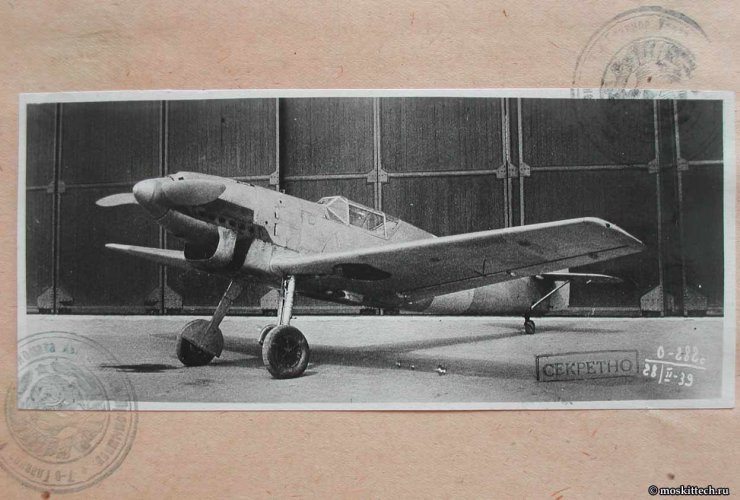
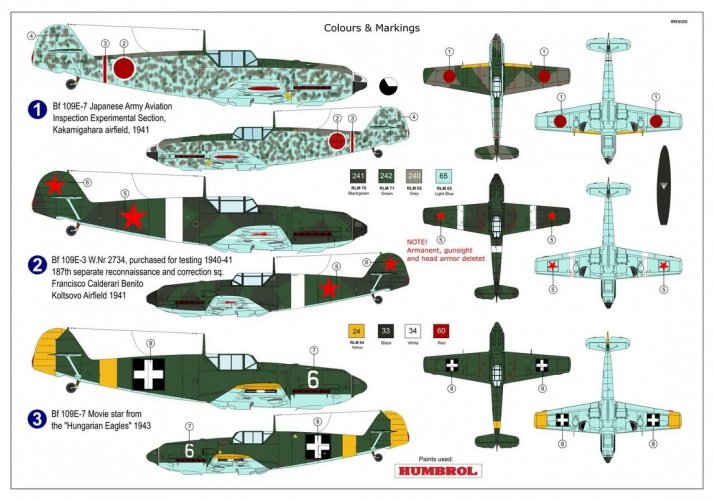
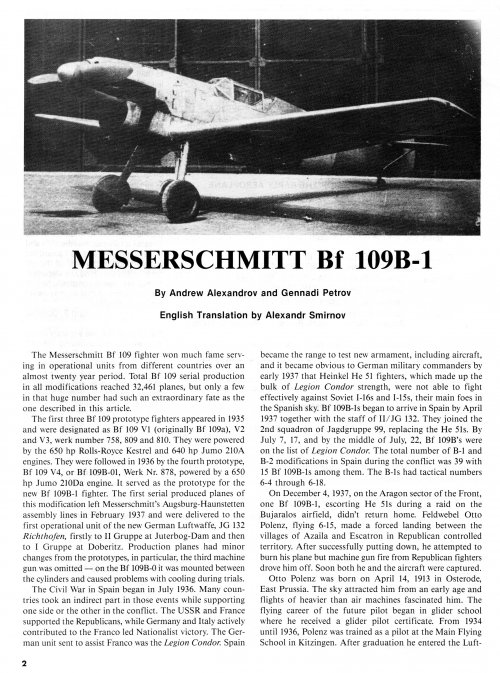
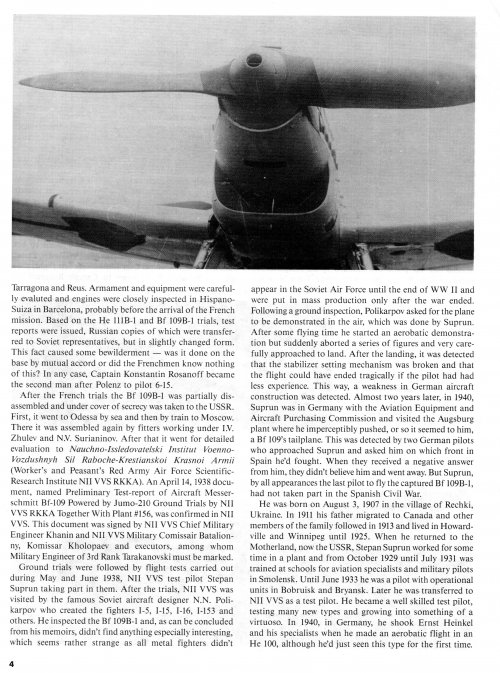
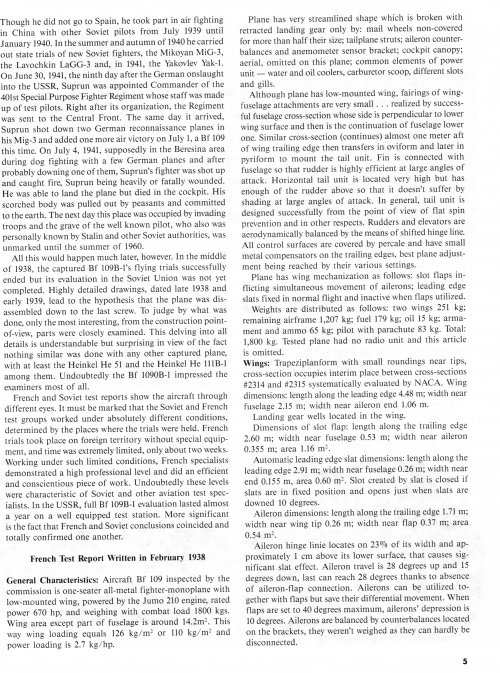
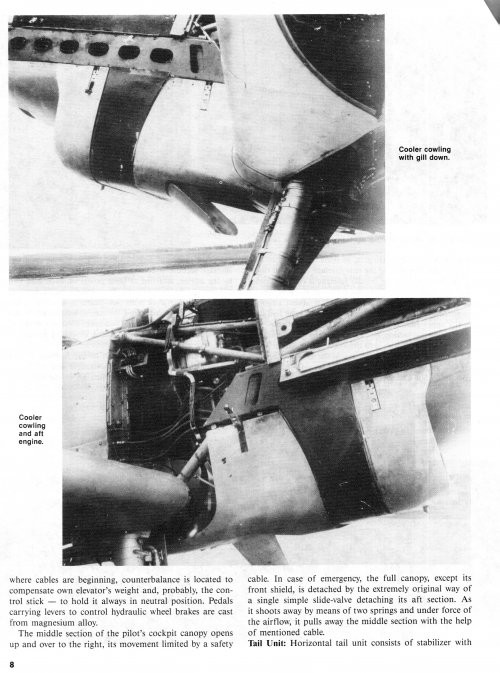
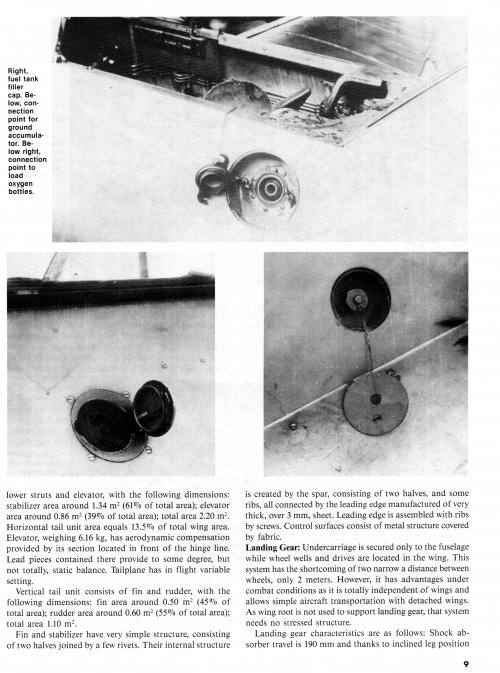
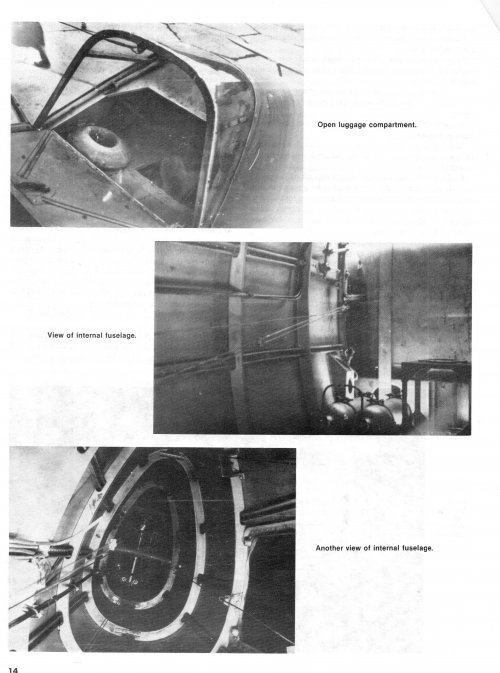
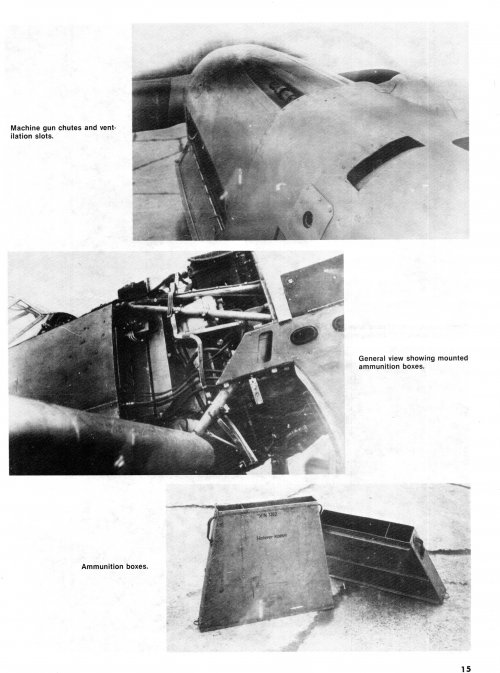
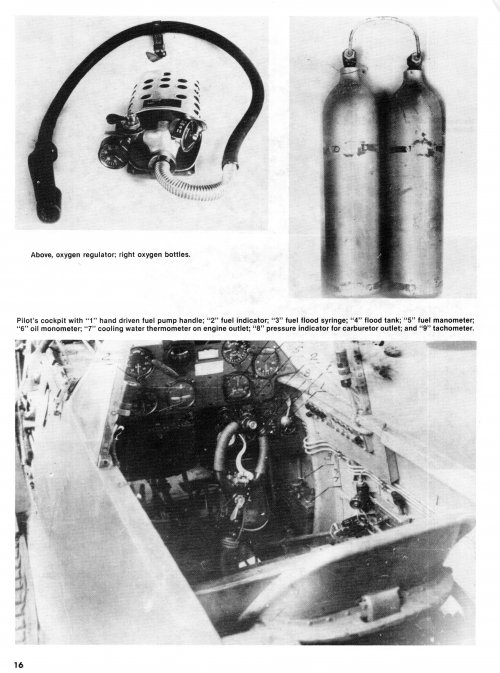
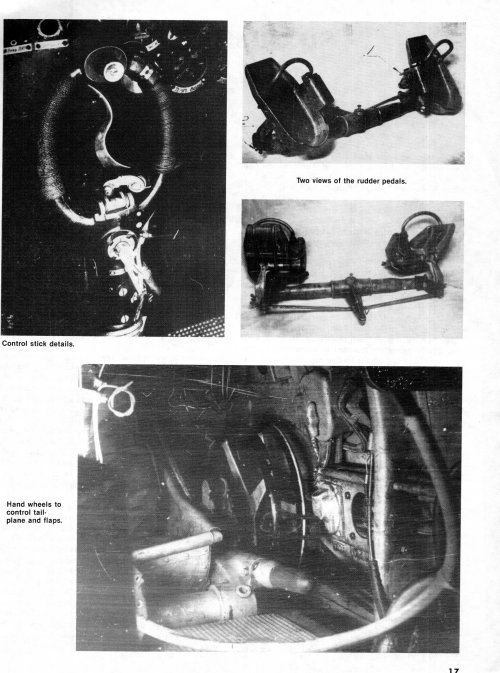
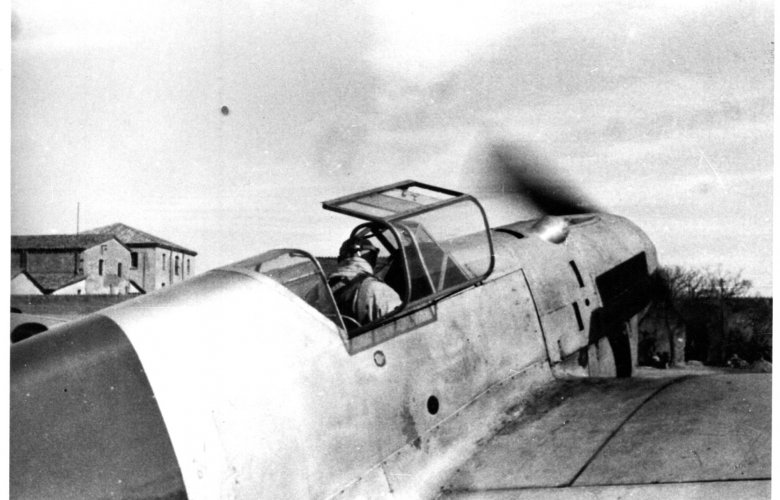
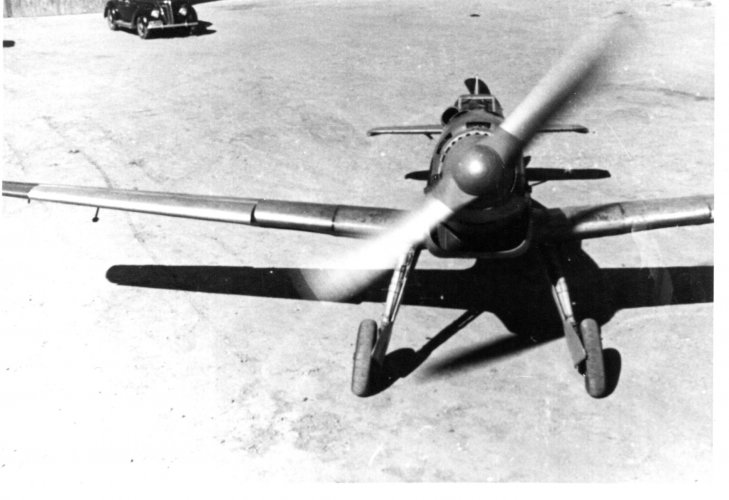
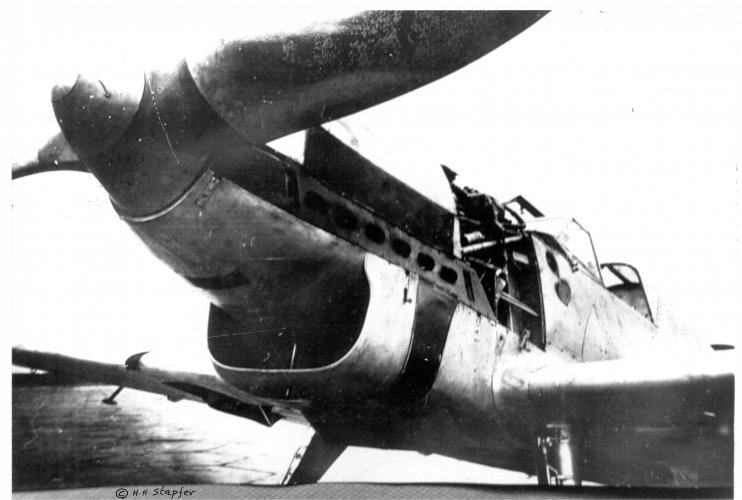
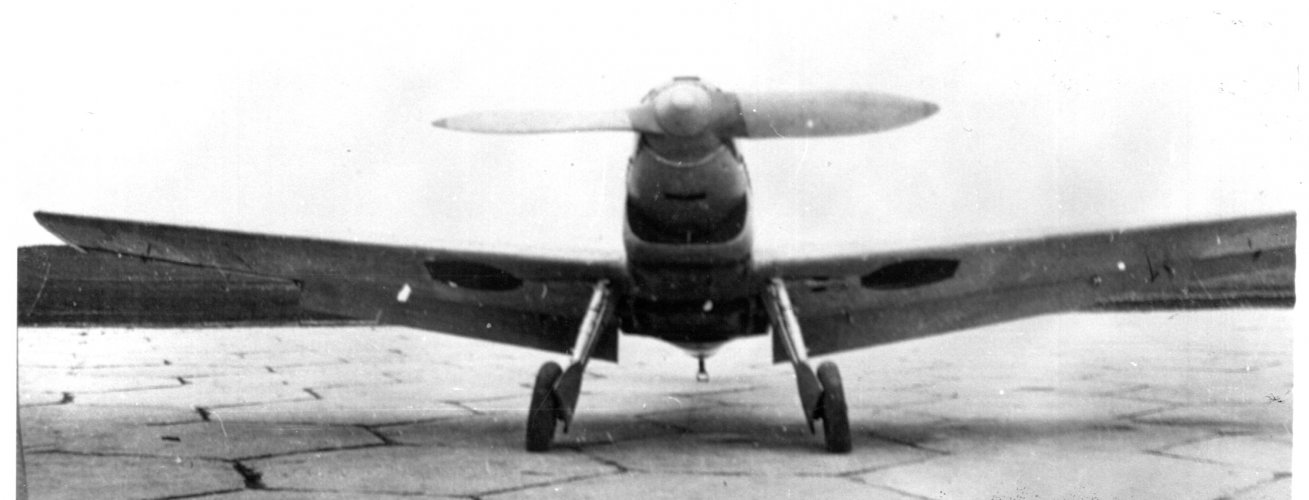
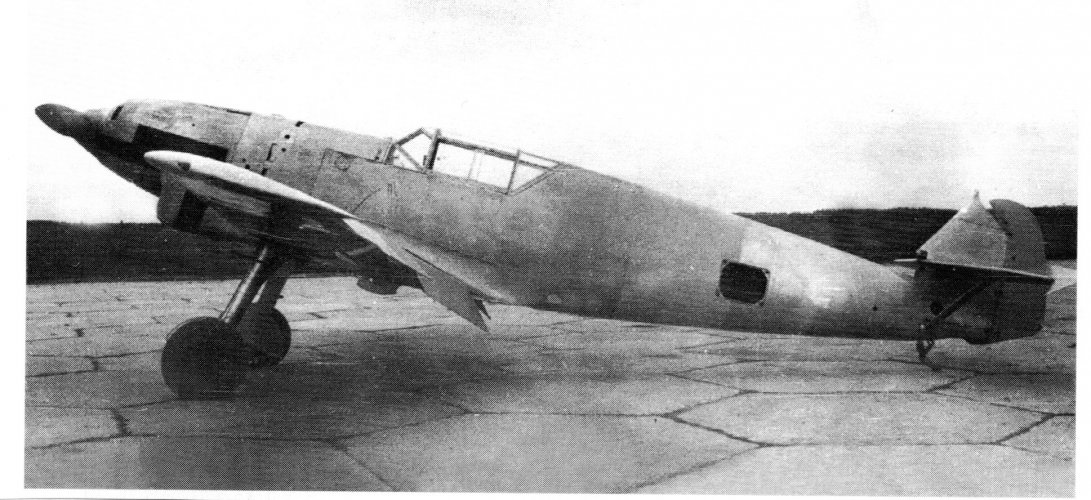
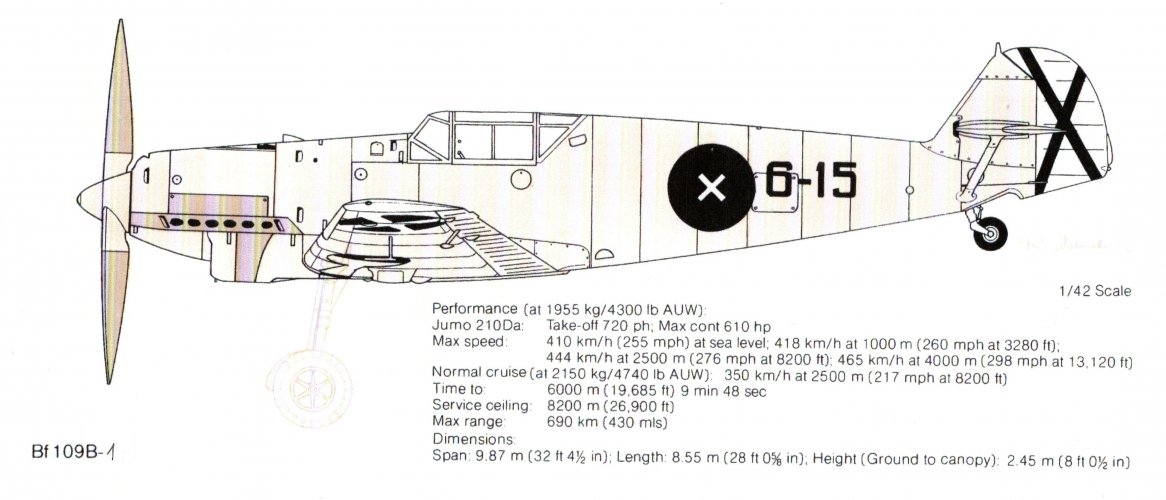
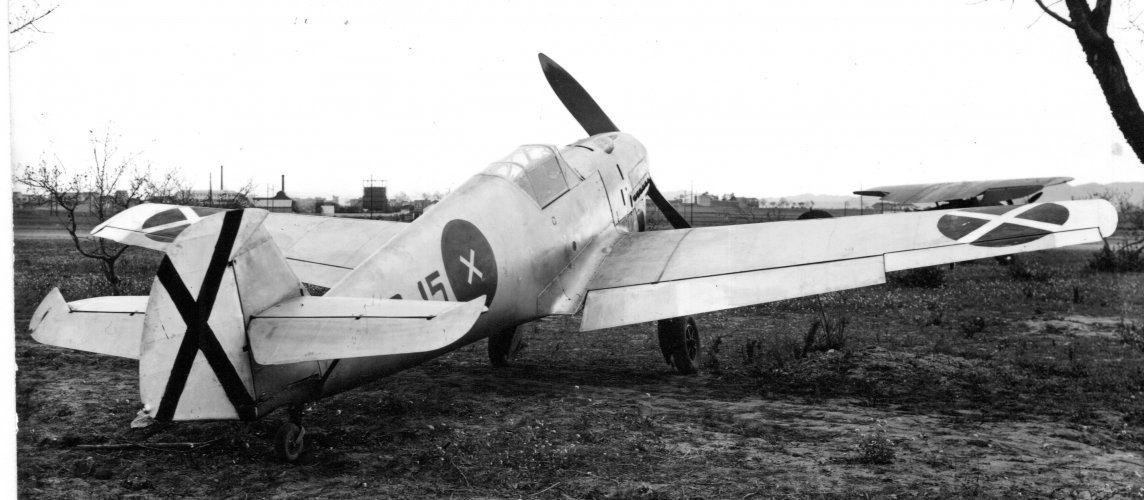
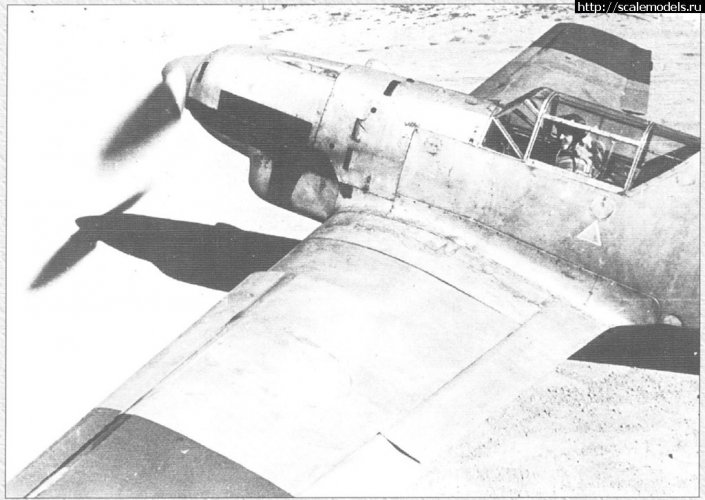
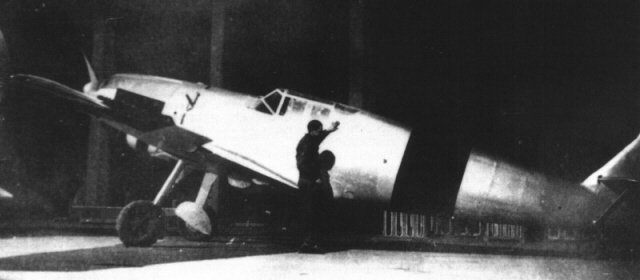
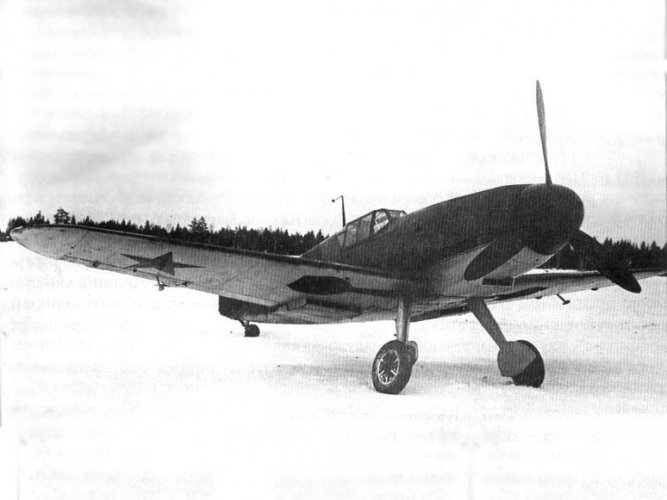
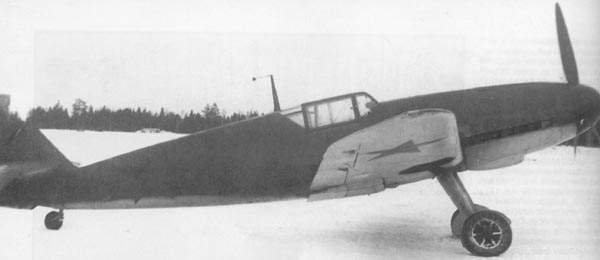
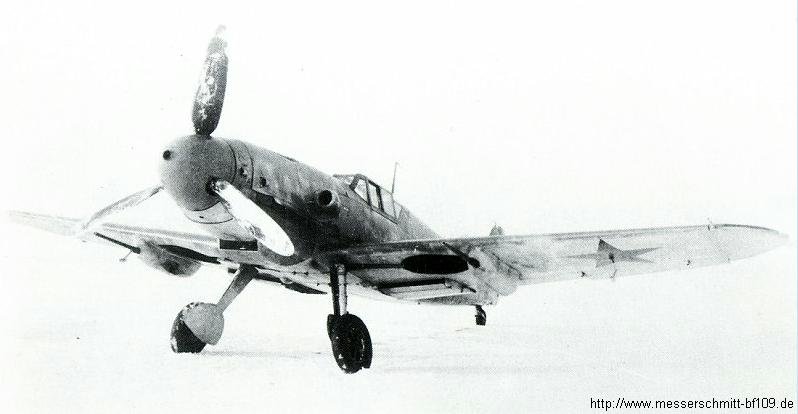
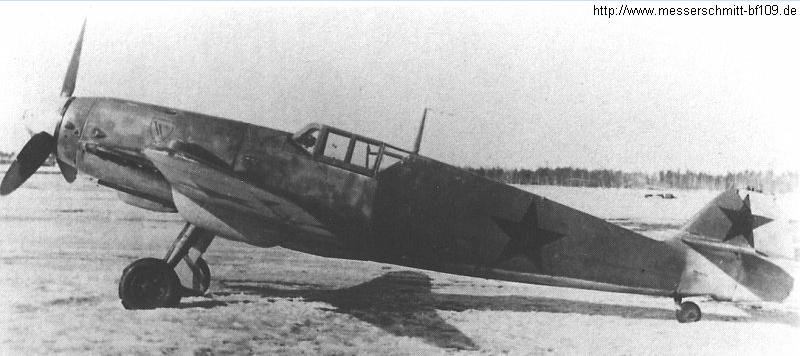
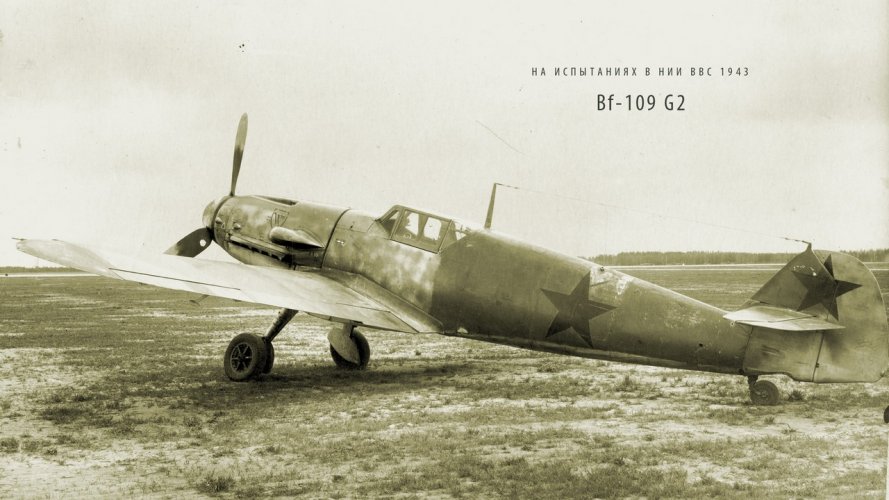
In May 1940 five Bf 109Es purchased in Germany were delivered in crates by train to Moscow (the WNr of one aircraft is known to
have been 2738). The young graduate of the Voyenno-vozdushnaya inzhenernaya akademiya imeni professora N. Ye. Zhukovskogo (Zhukovskiy Aviation Engineering Academy) Izrail G. Rabkin (who had worked for only one week at NII VVS) was ordered to assemble the German fighters at the Moscow Central Airport, assisted by the experienced engineer Ivan V. Zhulev ... [a lengthy discussion about the tests] .... After completing the flight-tests of the five Bf 109Es bought from Germany, at least one aircraft was dismantled for further study at NII VVS. During the evacuation of NII VVS to Sverdlovsk at the Ural area in autumn 1941, the testpilot T. Chigarev crashed fatally on 11 October 1941 in one of the Bf 109Es.
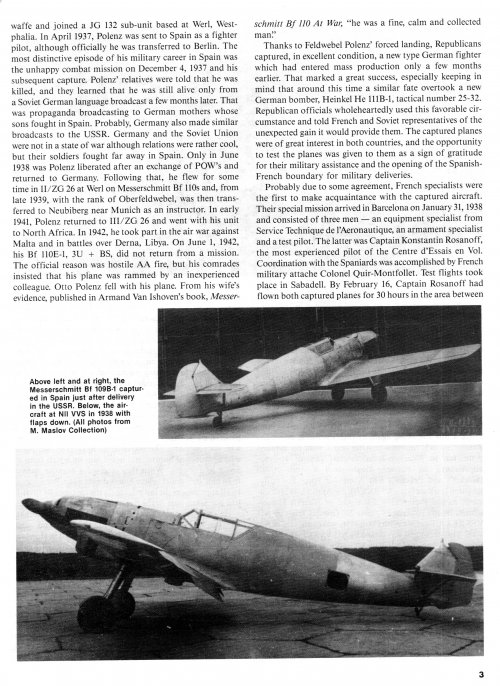
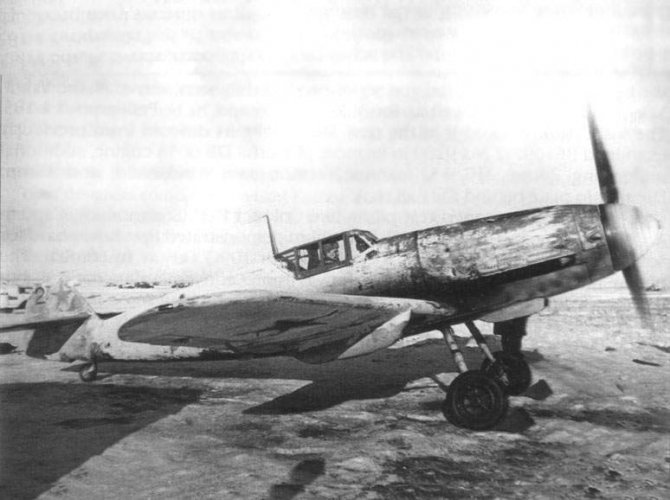
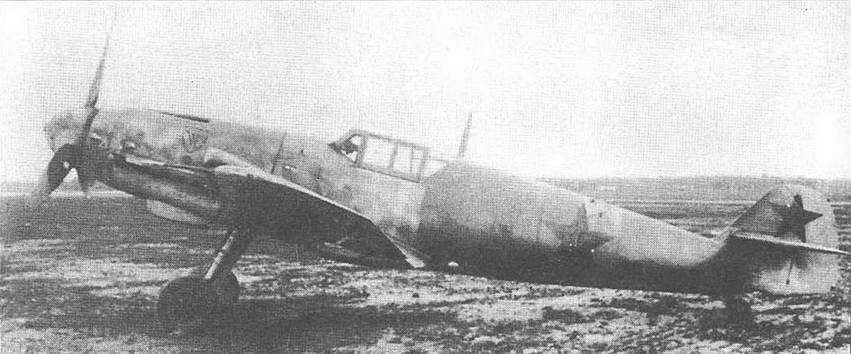
So these Bf 109Es were neve used as operational aircraft (other captured 109s were used during the war as recce aircraft).
It remains a mystery: what type of aircraft attempted to intercept the Lockheed over Batum on April 5, 1940? The pilot was sure it was a Bf 109 ("Below them was the unmistakable shape of a 109 climbing up towards them" from the article "The Allied plan to bomb Russia" in the 1985 Aeroplane Monthly December issue). Considering that the first flight of Soviet inline engine fighters were:
I-26 (Yak-1 prototype), January 13, 1940 (but with major cooling problems that were never resolved, resulting in 15 emergency landings during early testing. On April 27, 1940, the I-26-1 crashed, killing its test pilot);
I-301 (LaGG-3 prototype), March 30 (too late for an interception attempt six days later);
I-200 (MiG 1 prototype), April 5 (the same day as the Batum overflight).
Of course, the British pilot may have been mistaken, accustomed to considering every enemy fighter as a Bf 109: at that time, the fighters in service with the VVS were the Polikarpov I-15 (biplane, difficult to confuse with a monoplane) and I-16 (radial-engined and with a completely different design from the Bf 109).