Easter Island prints
You can now explore Rano Raraku, one of the major quarries on Easter Island, from the comfort of your home. A research team including faculty at Binghamton University, State University of New York has created the first-ever high-resolution 3D model of the quarry, providing people worldwide with a glimpse of the island, including almost 1,000 of its iconic moai statues.

3D model aids
Going back to the problem in the introduction, if Iteration3D doesn’t have what you need and you still have an STL you need to change the dimensions of, we can help you with that.
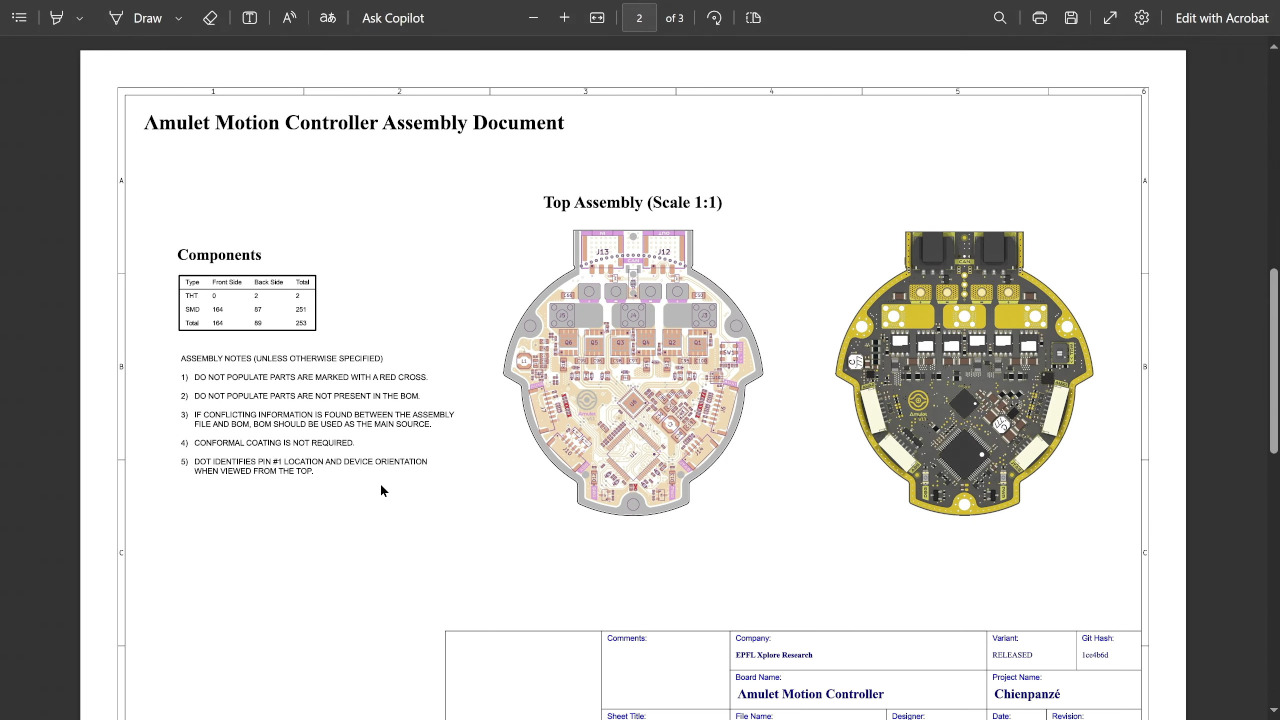
Ever think about all the moving parts involving a big KiCad project going into production? You need to provide manufacturer documentation, assembly instructions and renders for them to reference, every output file they could want, and all of it has to always stay up to date. [Vincent Nguyen] has a software pipeline to create all the files and documentation you could ever want upon release – with an extensive installation and usage guide, helping you turn your KiCad projects truly production-grade.
View: https://www.youtube.com/watch?v=63R6Wnx44uY
 
Last edited:
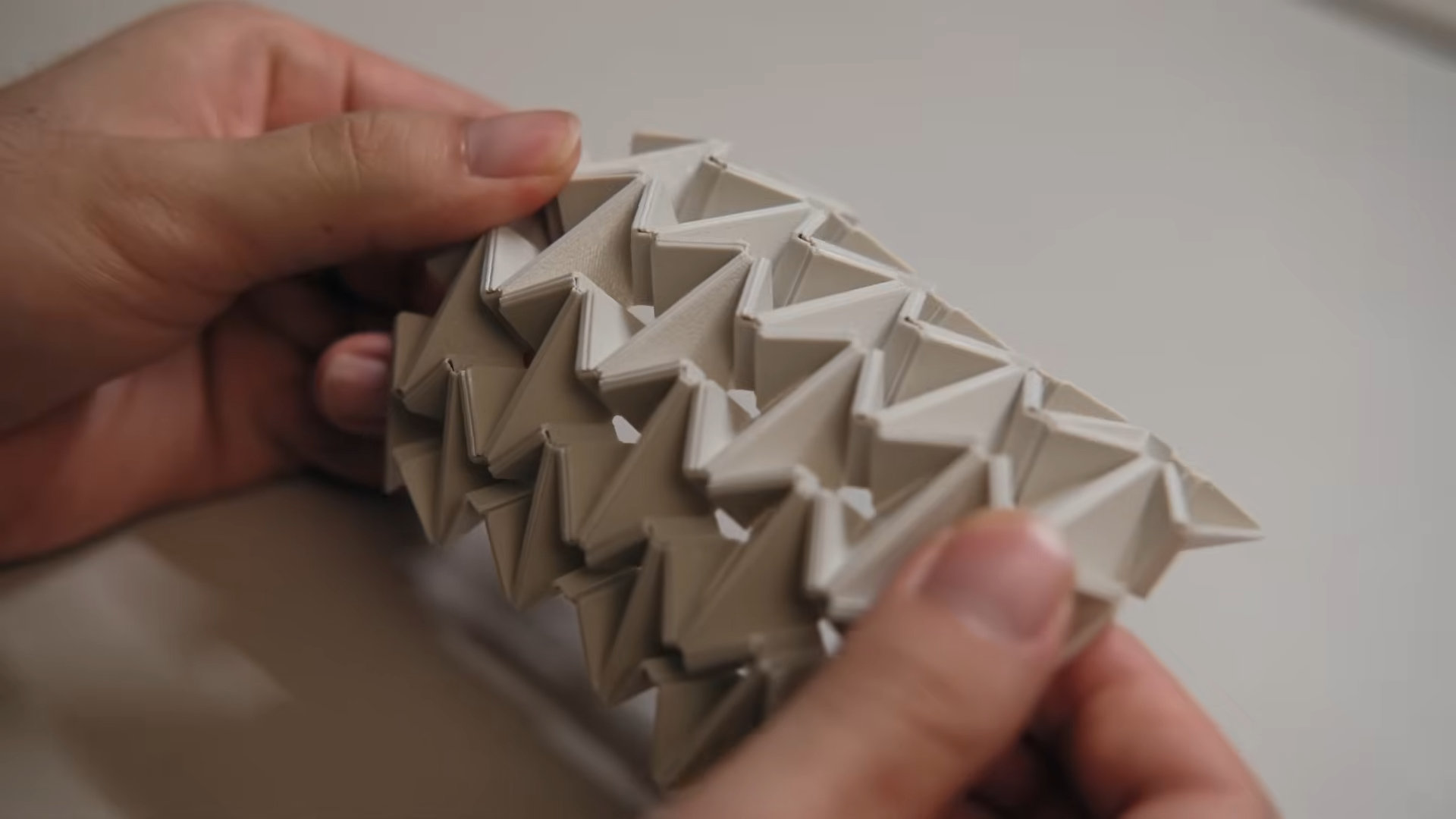
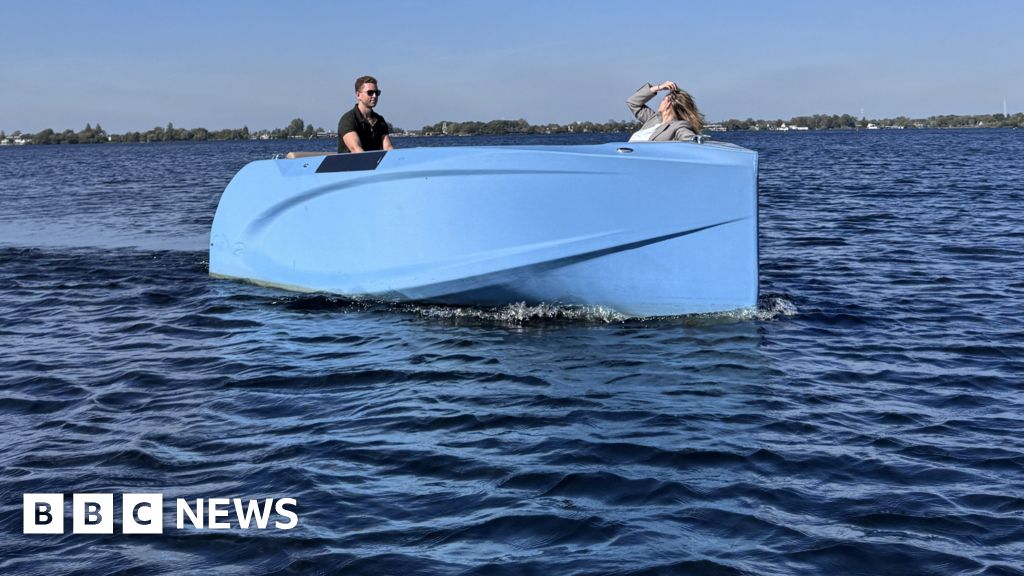
Only someone who never built a boat would even remotely consider a 3d printed hulls. Expensive and slow as fuck to make and heavy to boot . The most compeling case for 3d printing in boatbuilding is in making plugs and molds .

55h
View: https://www.youtube.com/watch?v=1PXze574q08


Rotomolder can likely make between 8-10 hulls in same time and for cost of 1 printed one.
Rotomolding itself only takes 90 minutes ,rest is cooling and demolding
View: https://www.youtube.com/watch?v=1ChhNb4s50Y


View: https://www.youtube.com/watch?v=e9FSV3IxP20
 
Last edited:
Last edited:
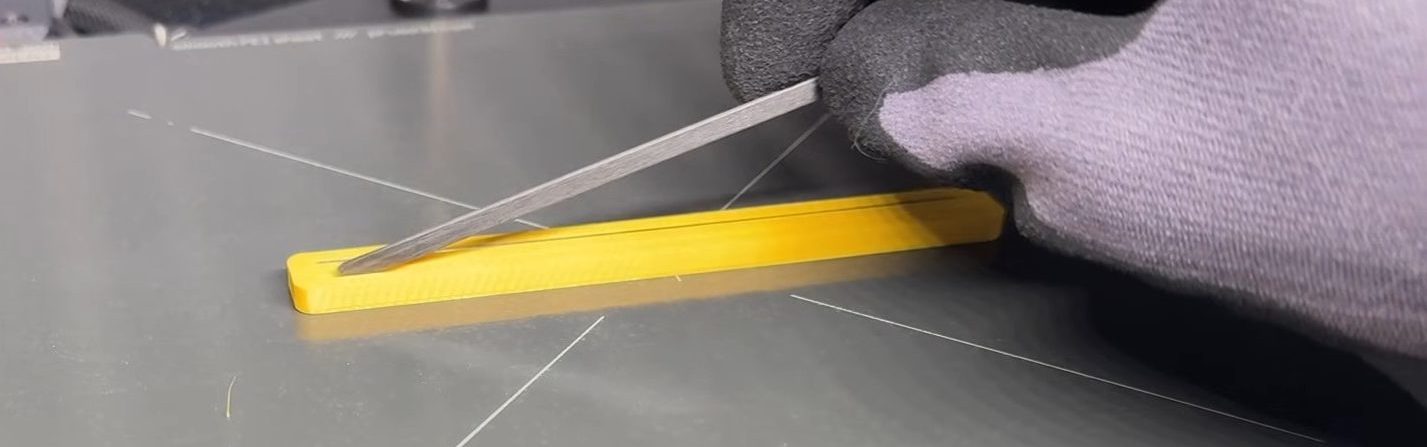
Aluminum prints

Even smaller prints available
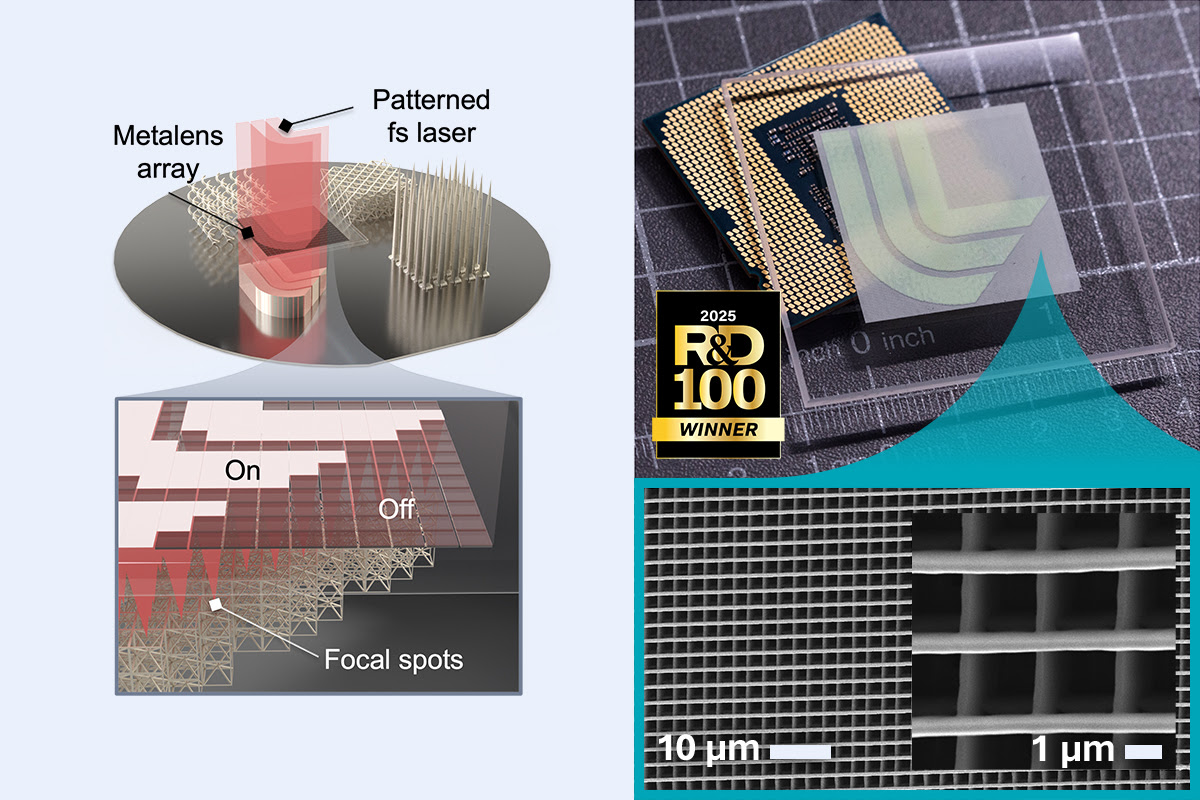
Researchers at Lawrence Livermore National Laboratory and Stanford University say they have built a two-photon lithography system that could push 3D nanofabrication toward manufacturing scale, boosting throughput by more than 1,000 times compared with commercial tools while maintaining minimum feature sizes of 113 nanometers.

MetaLitho3D
MetaLitho3D is a one-of-a-kind, high-precision additive manufacturing platform that addresses the limitations of conventional optical systems when scaling up the production rate of 3D nano-architectures to perform wafer-scale, two-photon lithography.

Bad 3D print causes crash

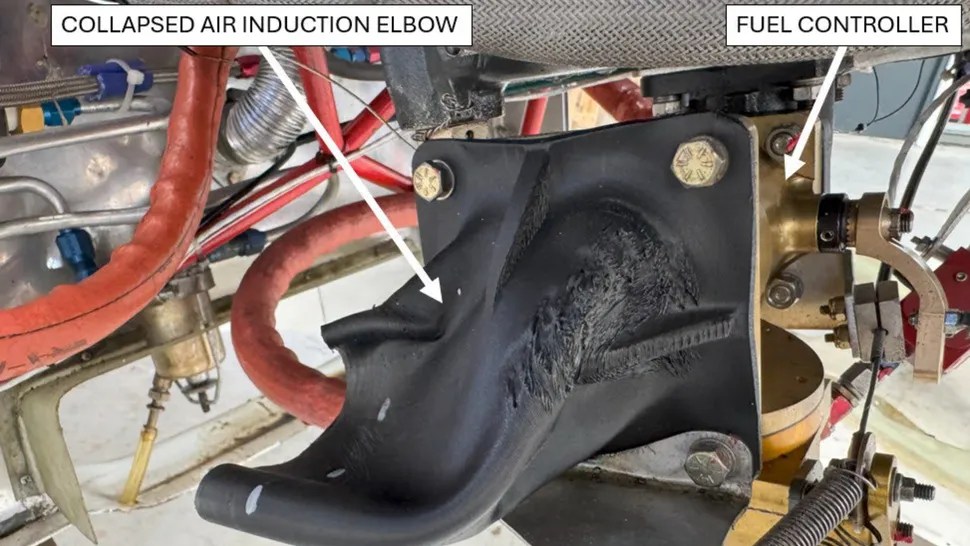
Back in March, a small aircraft in the UK lost engine power while coming in for a landing and crashed. The aircraft was a total loss, but thankfully, the pilot suffered only minor injuries. According to the recently released report by the Air Accidents Investigation Branch, we now know a failed 3D printed part is to blame.

The part in question is a plastic air induction elbow — a curved duct that forms part of the engine’s air intake system.


Tiny 3D print helixes

Printable electronics

Light driven deposits

Ice tree

Tech advances

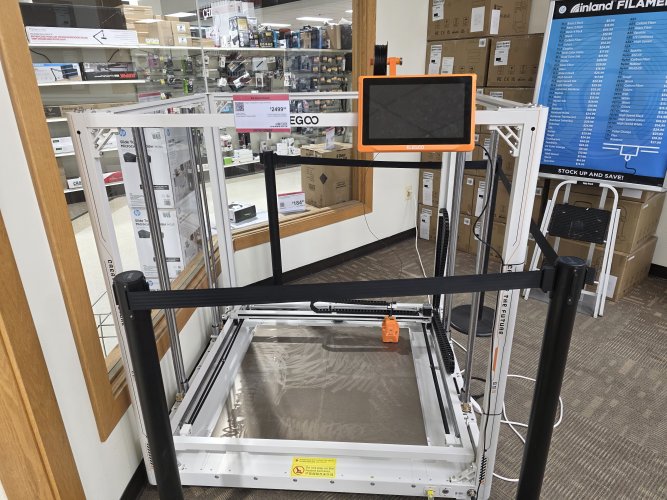
Massive printer

Other uses

Combinations

Freeze on


A lovely build

Non vacu-forms
This dear, charming man finds ways to combine 3d printing with vacu-forming. I wonder if that might me combined with wind tunnels with very high and low pressures:


Cutter

One project
 
Last edited:
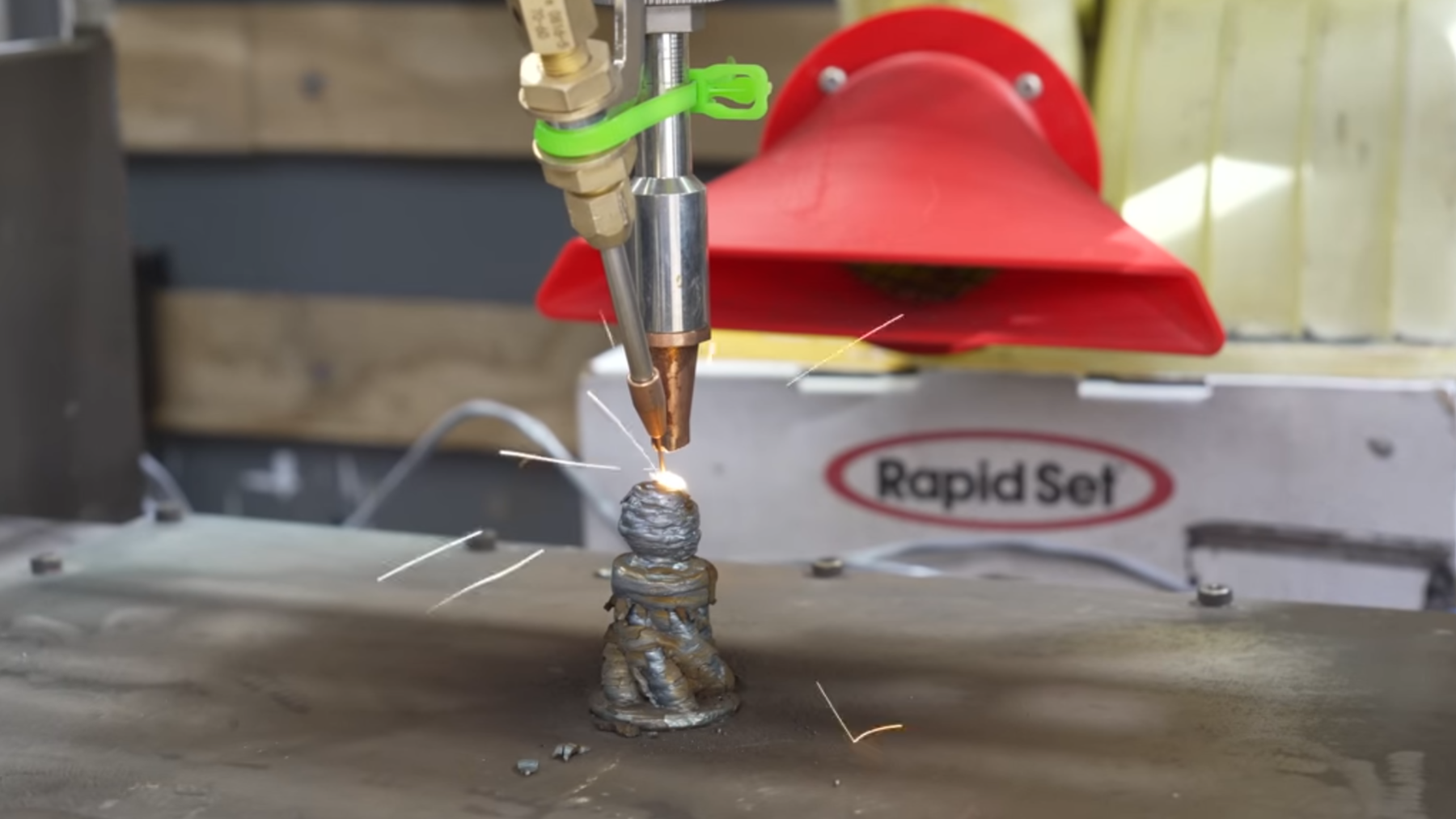
Metal prints

New use for printers

Nice little phaser bank

Big spaceship "mini"

Cute

Controversy

No rubber?

Printronics

Deploy

Control

Add strength

injector

Odd prints

Engines

Real or fake?

Might this new press allow for a flying mold?

Two sheets with a 3D print head between them...or just fill with UV hardening glue so a continuous curved product can come out--very like how glass burners are always kept hot.

Good in space?
 
Last edited:
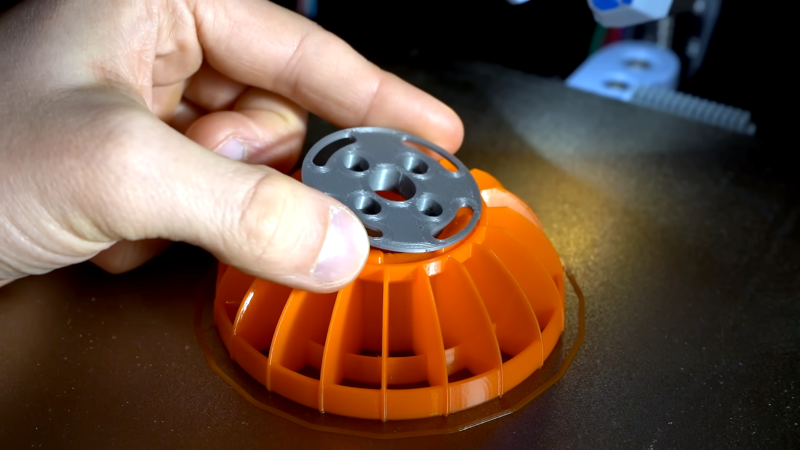
AML

Multimaterials

Everyday use

Resources
 
Last edited:
New findings

Extrusion

Laser use

3D print surface

Sculpting

Delete

Coating

Helps
 
Last edited:
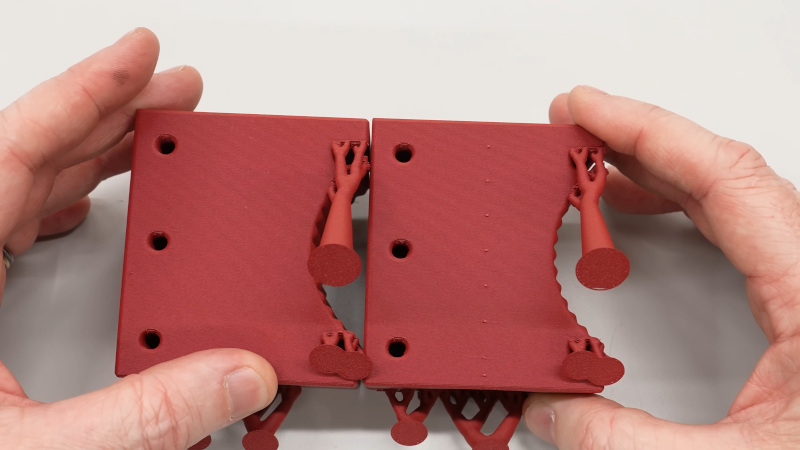
Ostensibly to stop 3D printed guns, legislation is being proposed to put spyware on every printer and even CNC machines to watch for the making of guns. Another path is to develop revenue streams from fees for making parts that resemble claimed intellectual property like hero figures and space ships.

View: https://youtu.be/x0x1mQSkvmk?si=CMnoxYfFqAZcSZ3o

View: https://youtu.be/s6Iwoq2faMk?si=a-_6YUq_S3RJxbWa


View: https://youtu.be/cFWO8xXlGcw?si=HeaevU7ZzbG8JF3K


View: https://youtu.be/KC8viXze52U?si=Sb1z_GCR7jeQkMvs
 
Last edited:
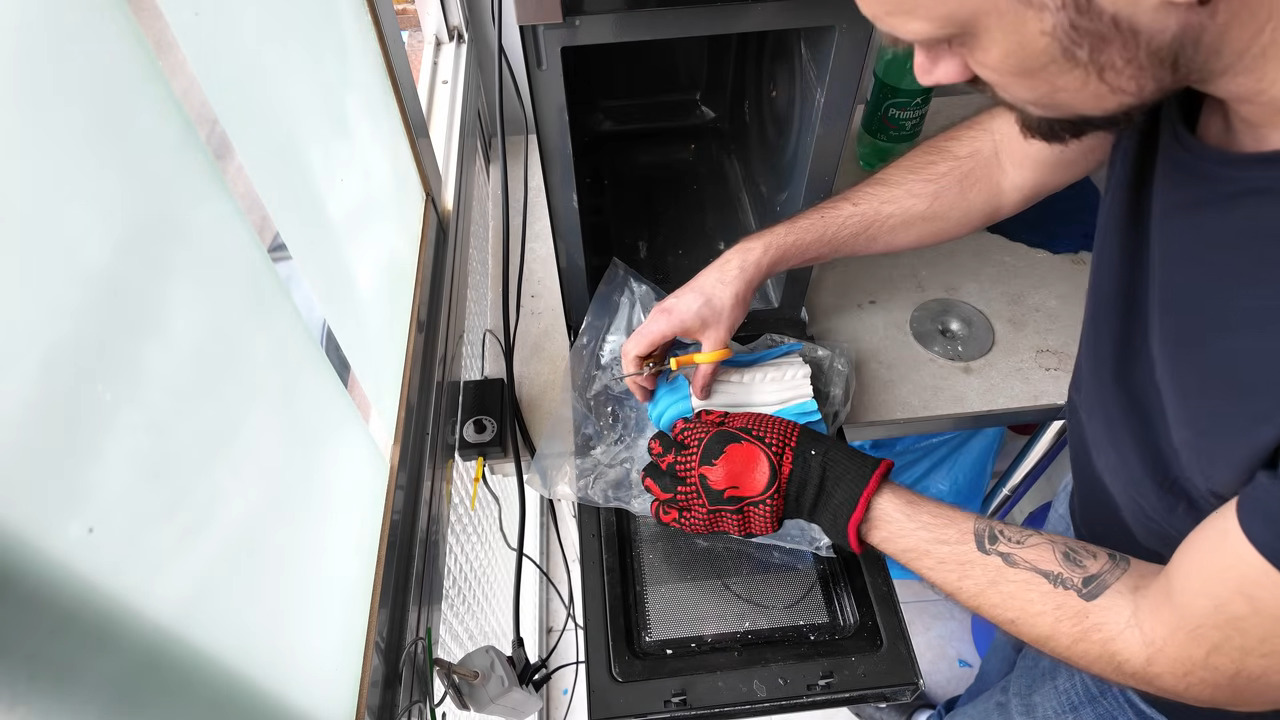
Like we don't have enough hobbies targeted by C&Ds as it is.

Layers

DIY

Curves
 
Last edited:
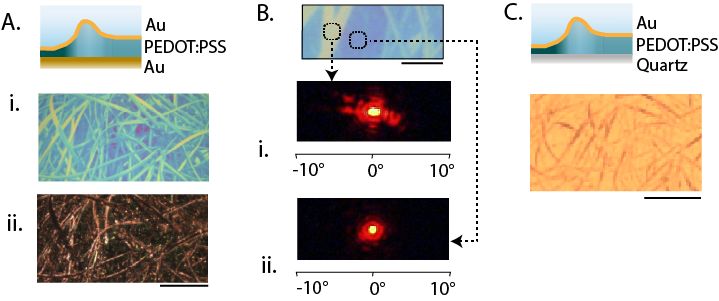
Fix on the fly

lignin prints

Weave prints

Soft prints

Brain print

Fluidic prints

Even smaller nozzles?

plastic

3D print of Tungsten carbide–cobalt (WC–Co)
The results demonstrated this method to be effective in maintaining the hardness and mechanical integrity of conventionally manufactured WC-Co cemented carbides, achieving a base material with hardness of over 1400 HV (a unit representing resistance to penetration), without introducing any defects or decomposition.

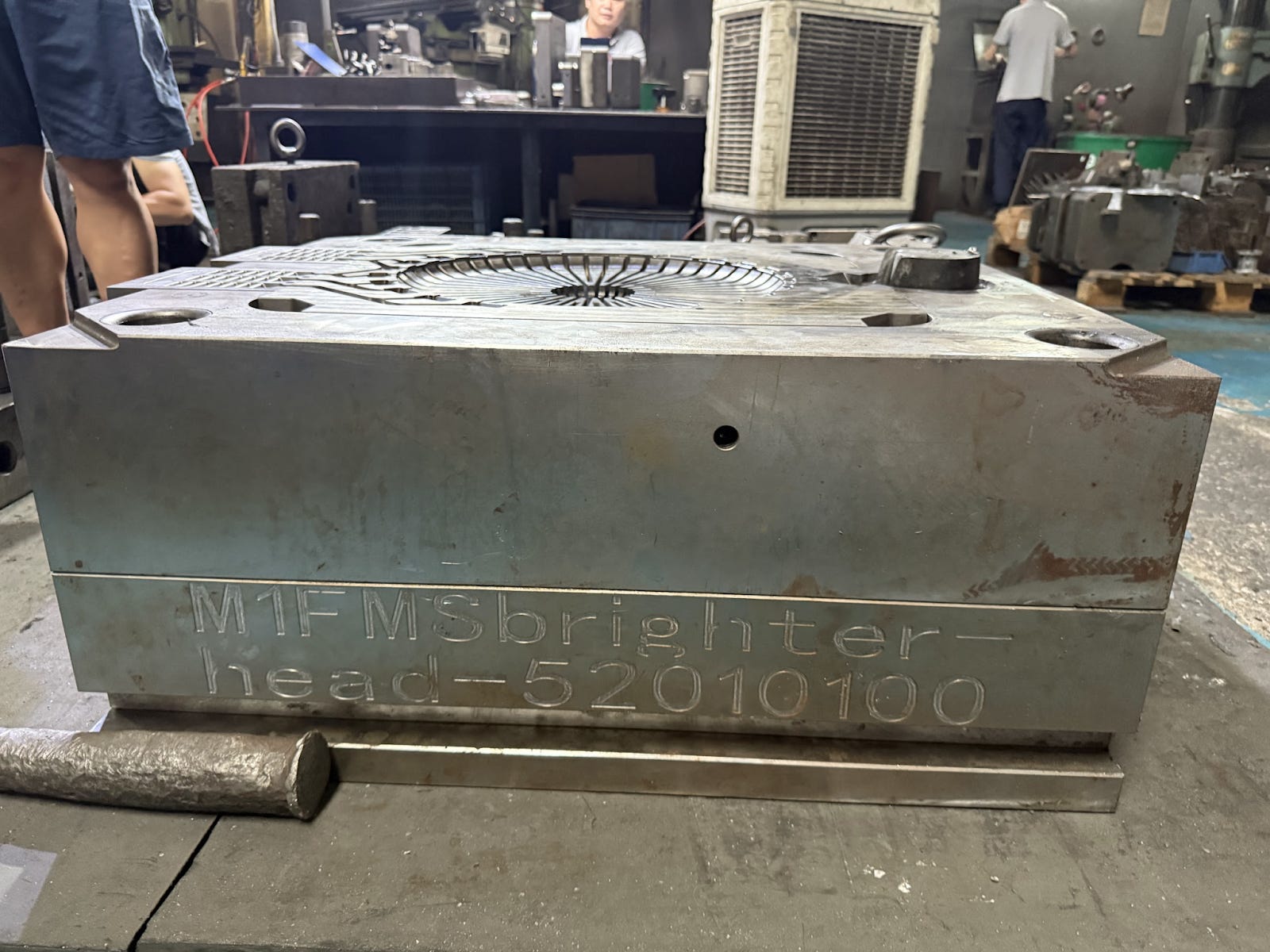
Materials at this hardness level rank among the toughest used in industry, just below superhard substances such as sapphire and diamond. Producing the cemented carbide molds without defects does appear possible, which is the main goal of this study, though some results vary
.

Dragon

They call me Bruce

Machining
 
Last edited:
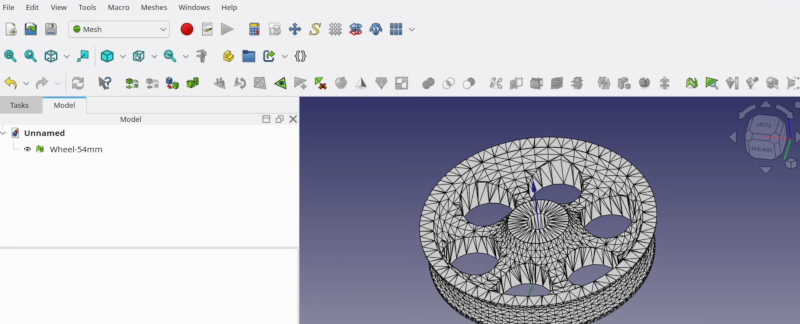
Sound-based 3D printing
Concordia researchers have developed a new 3D-printing technique that uses sound waves to directly print tiny structures onto soft polymers like silicone with far greater precision than before. The approach, called proximal sound printing, opens new possibilities for manufacturing microscale devices used in health care, environmental monitoring and advanced sensors. It is described in the journal Microsystems & Nanoengineering.

3D printing in space

What happens to soft matter when gravity disappears? To answer this, UvA physicists launched a fluid dynamics experiment on a sounding rocket. The suborbital rocket reached an altitude of 267 km before falling back to Earth, providing six minutes of weightlessness.
In these six minutes, the researchers 3D-printed large droplets of a soft material similar to the inks used for bioprinting—a developing technology that shows huge potential for regenerative and personalized medicine, tissue engineering and cosmetics. Bioprinting involves 3D-printing a mix of cells and bio-inks or bio-materials in a desired shape, often to construct living tissues.

The experiment was called COLORS (COmplex fluids in LOw gravity: directly observing Residual Stresses). Using a special optical set-up, the researchers could see where the printed material experienced internal stresses (forces) as the droplets spread and merged. Stressed regions stand out as bright colors in the experiment. Investigating how and where these stresses emerge is important because they can get frozen in a material as it solidifies, creating weak points where 3D-printed objects are most likely to break
.


3D print batteries

Thingiverse 2.0?

Print flexibility

Scanning and graphics

Thermoforming

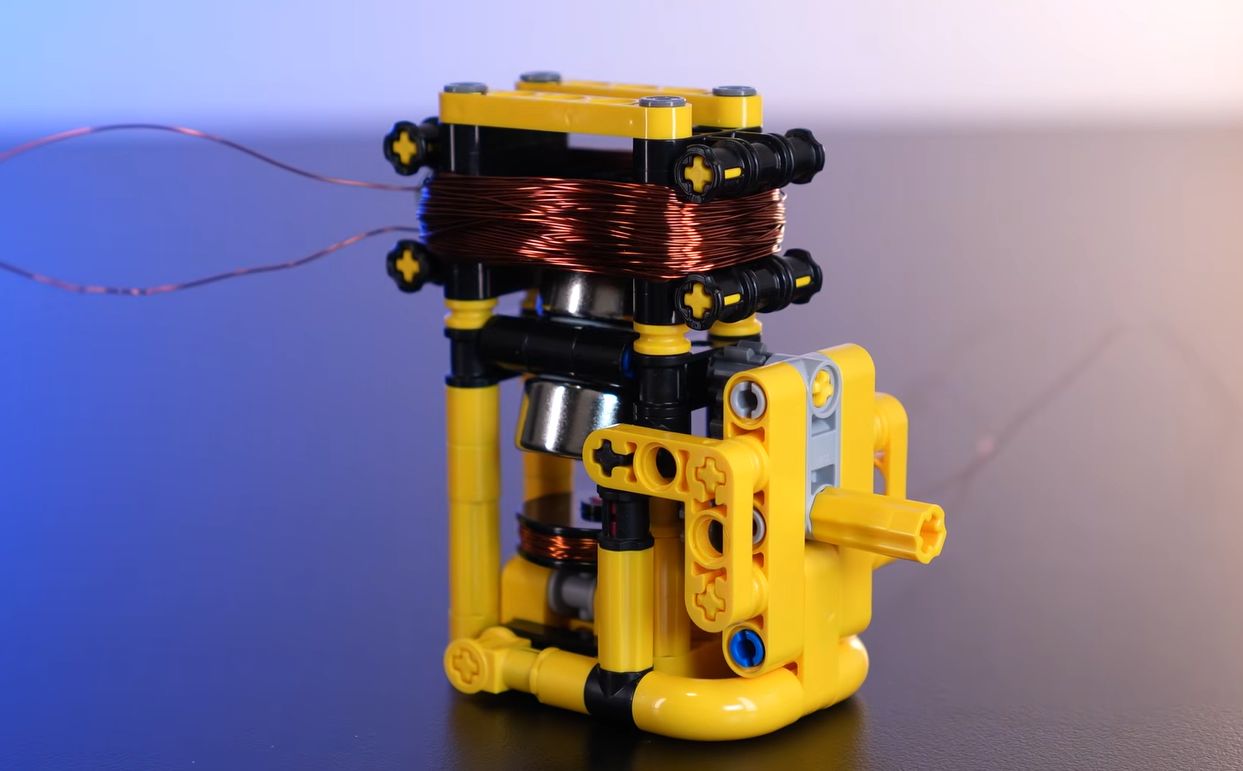
LEGO motor

Manufacturing
 
Last edited:
TRELLIS 2

Controversy

Sensors
To see if they could recreate this effect, the team 3D-printed artificial spines from plastic and ceramics. And when water flowed through them, they produced electricity.

In space
With a simple motion, a jack-in-the-box-like spring designed at NASA's Jet Propulsion Laboratory showed the potential of additive manufacturing, also known as 3D printing, to cut costs and complexity for futuristic space antennas. Called JPL Additive Compliant Canister (JACC), the spring deployed on the small commercial spacecraft Proteus Space's Mercury One on Feb. 3, 2026. An onboard camera captured a video of the spring popping out of its container as the spacecraft passed over the Pacific Ocean in low-Earth orbit.
 
Last edited:
Last edited:
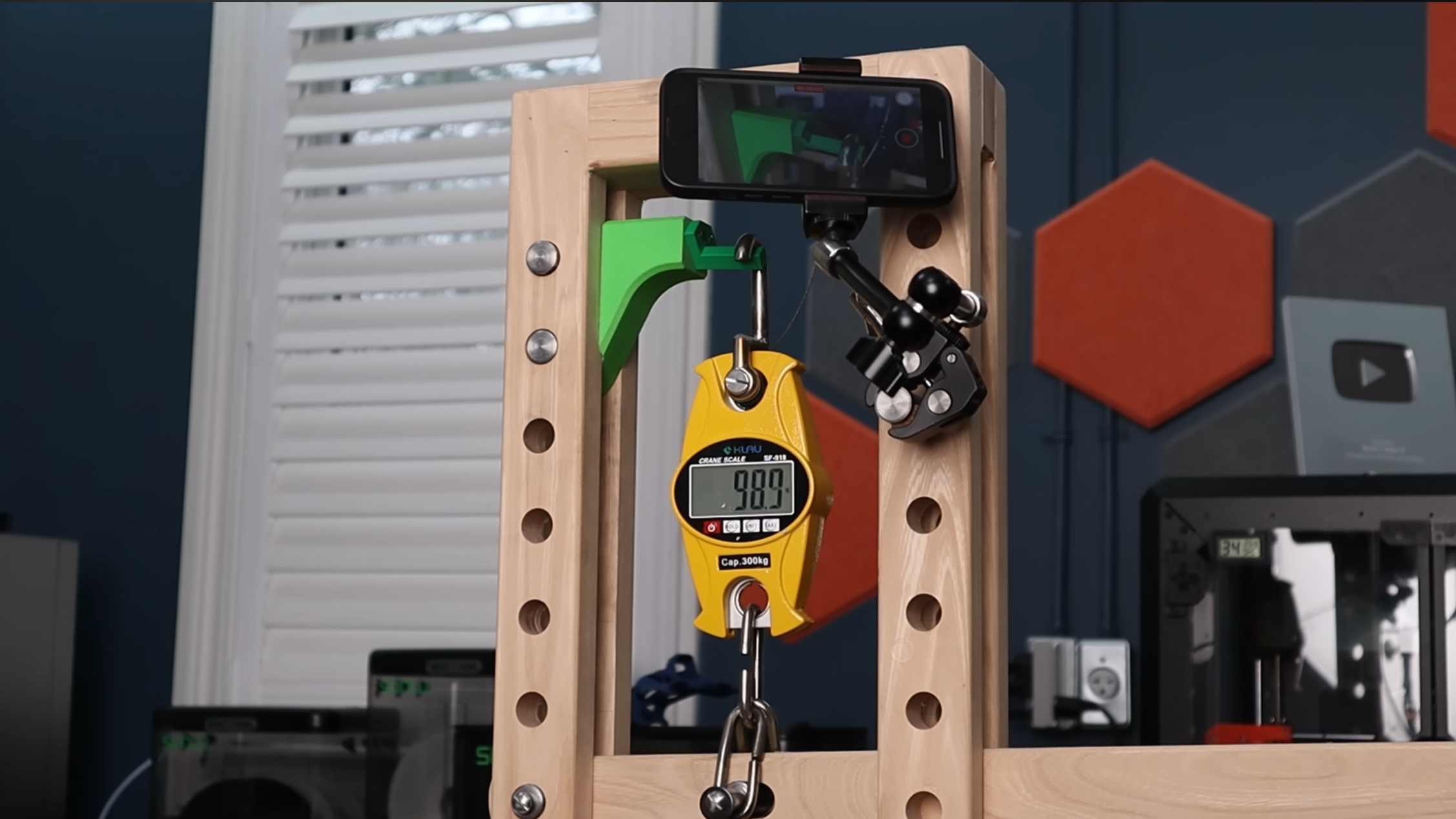
Space prints

Super-Foam printed:

Aerojet

Strong, tiny prints

helps

5 axis

Visi-Print

Tips
View: https://m.youtube.com/shorts/FQmhZI0r32Y
 
Last edited:

Similar threads

Back
Top Bottom