- Joined
- 28 January 2008
- Messages
- 1,486
- Reaction score
- 3,782
And when I attended ARSAG, I thought it was a brassiere convention, I feel like such a boob....On the other hand, these were excellent conversationalists.
View attachment 785034

And when I attended ARSAG, I thought it was a brassiere convention, I feel like such a boob....On the other hand, these were excellent conversationalists.
View attachment 785034

On the other hand, these were excellent conversationalists.
View attachment 785034



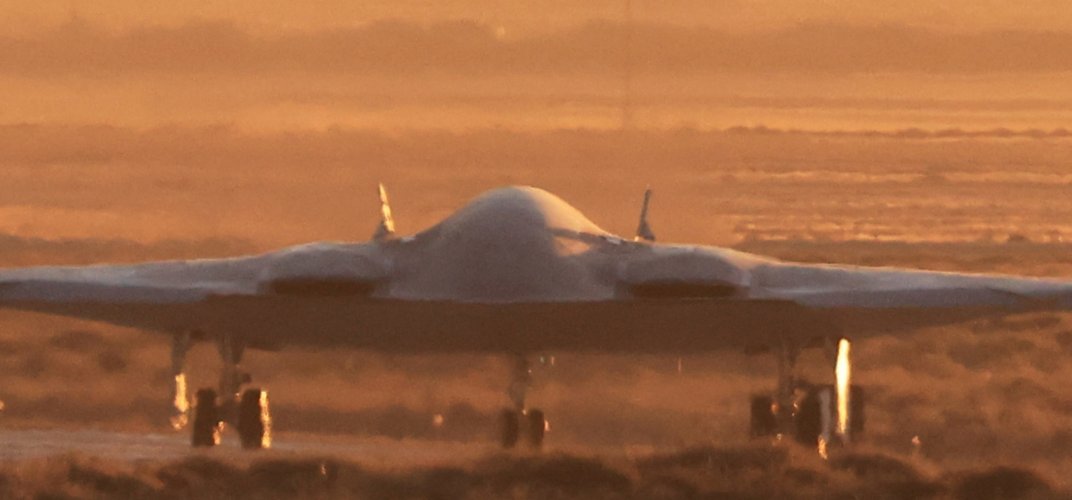
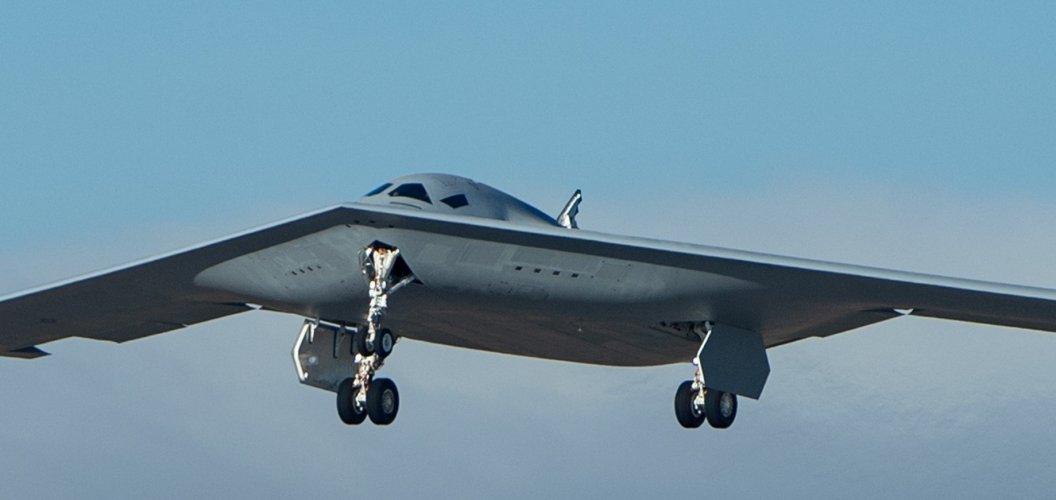
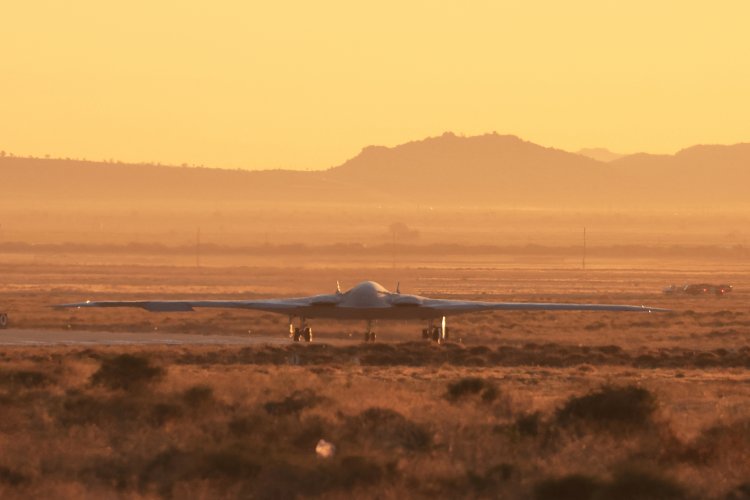
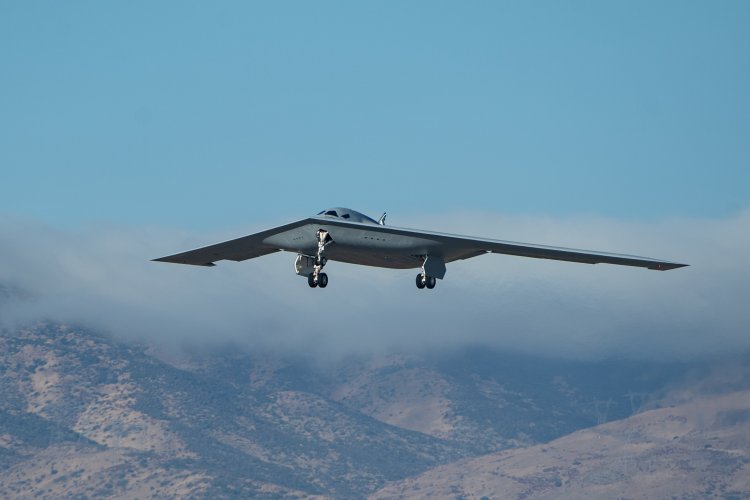
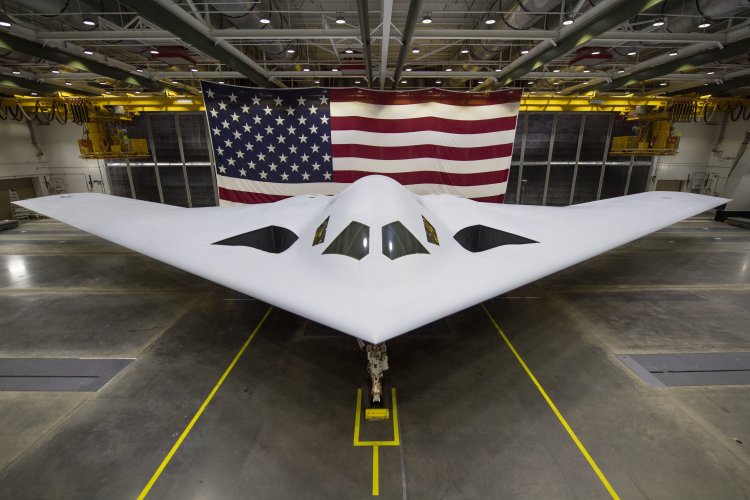
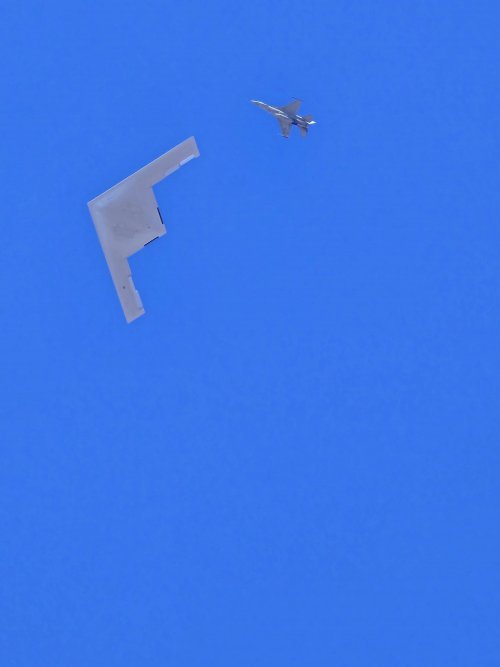
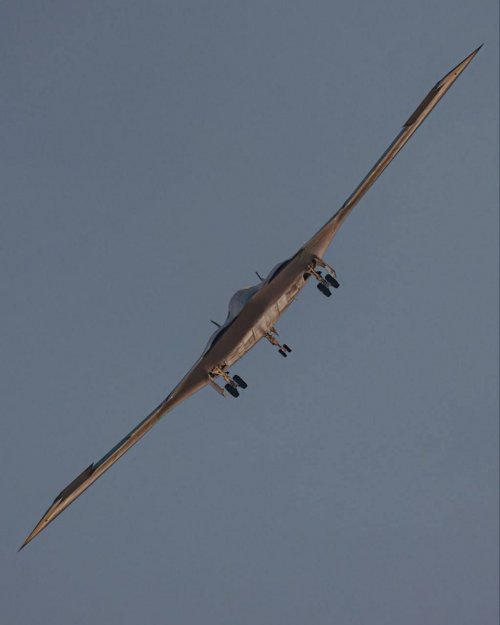
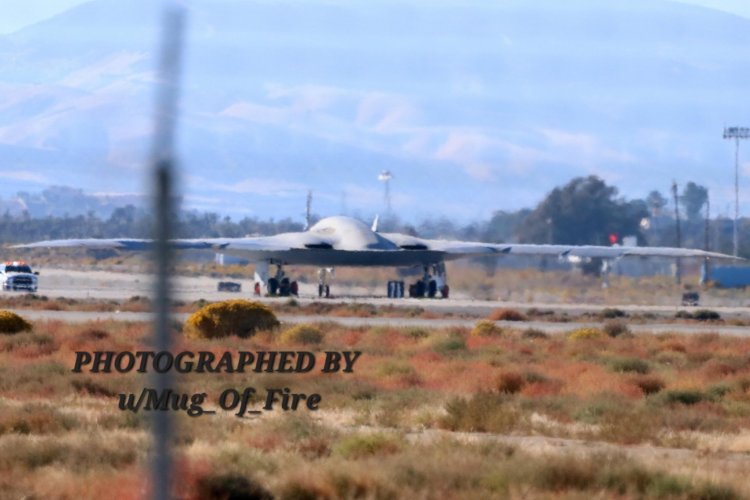
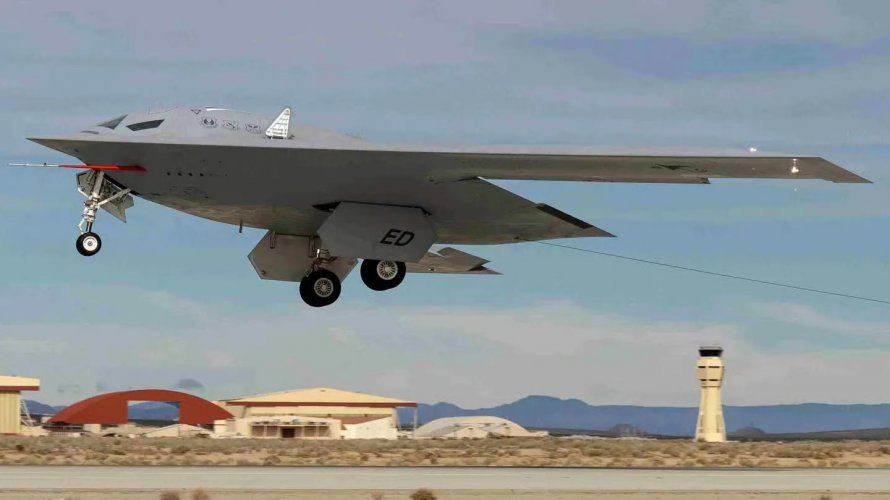
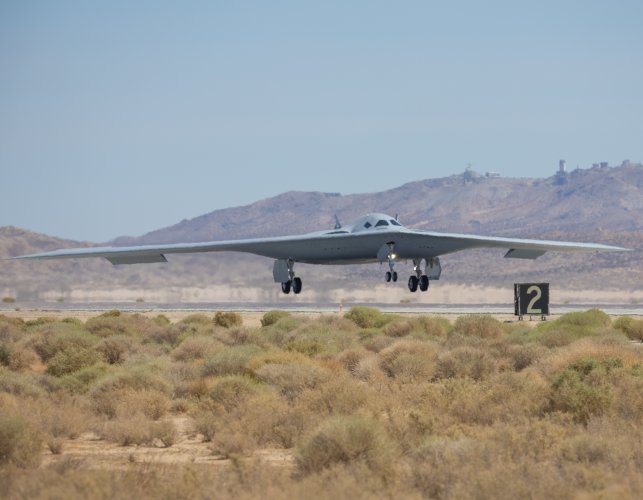
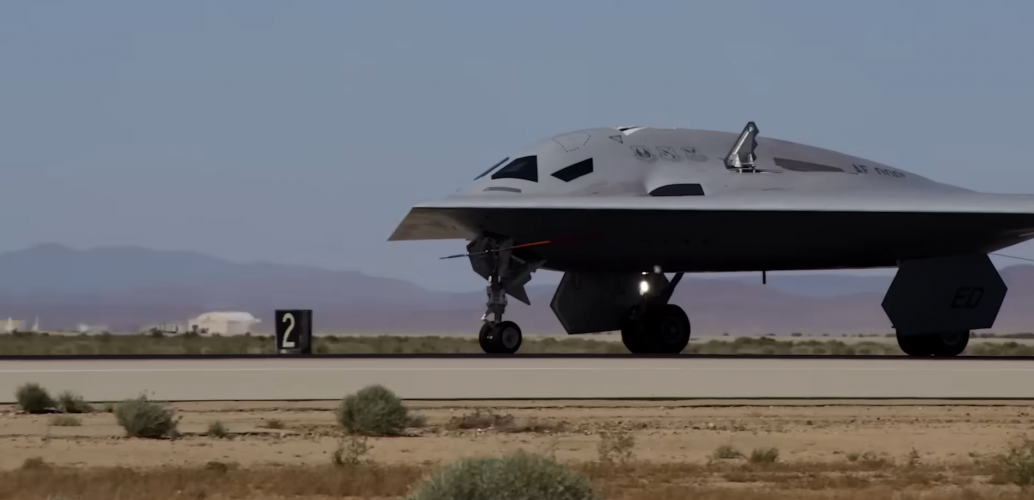
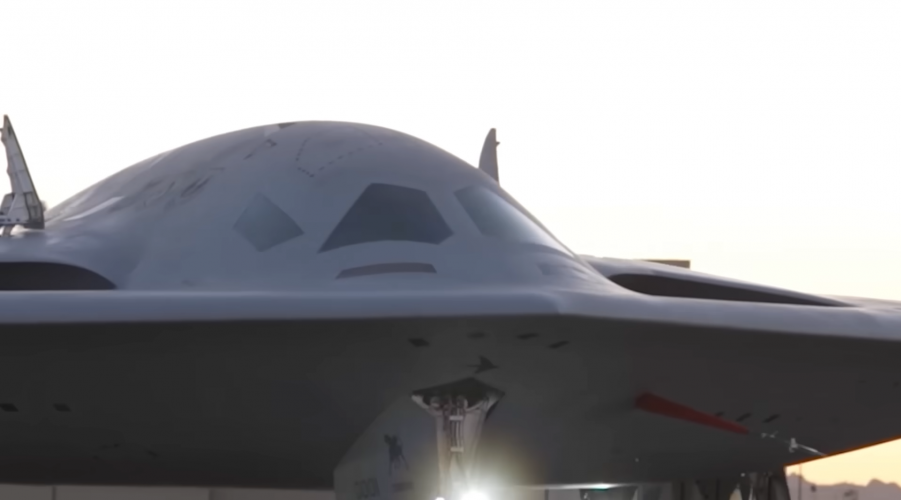
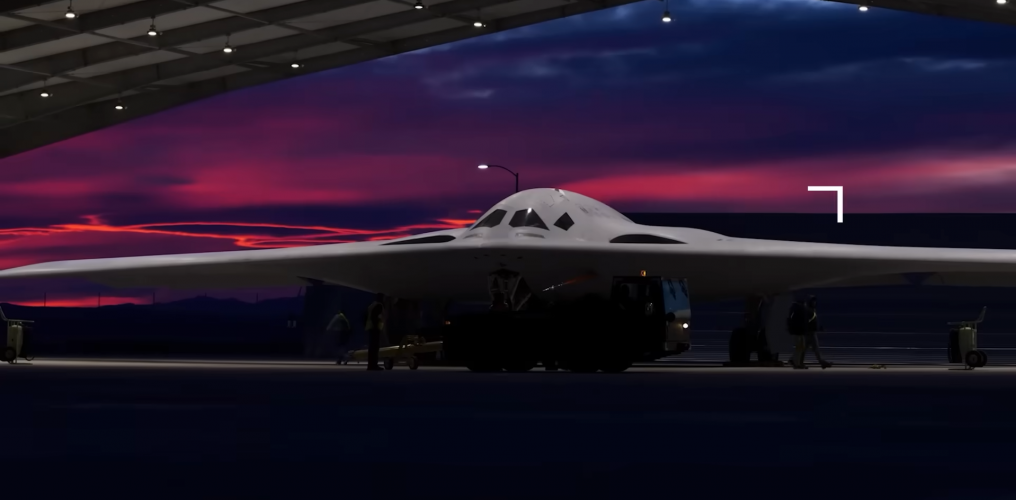
The B-21 looks like it has a scowl compared to the B-2.I tried to find pictures where both aircraft are in roughly comparable positions to emphasize what I mean when I say the B-21 looks completely alien even compared to the B-2.
View attachment 784531View attachment 784532View attachment 784533View attachment 784534


 www.airandspaceforces.com
Already? Didn't think they were ready for that yet.Second B-21 Will Be Used to Test Weapons and Mission Systems
Second B-21 Will Be Used to Test Weapons and Mission Systems
The second B-21 bomber is the designated weapons and mission systems test aircraft of the test fleet, Northrop Grumman said.

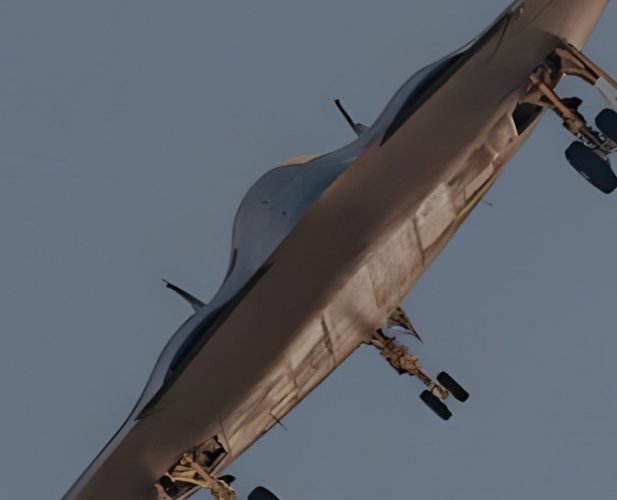
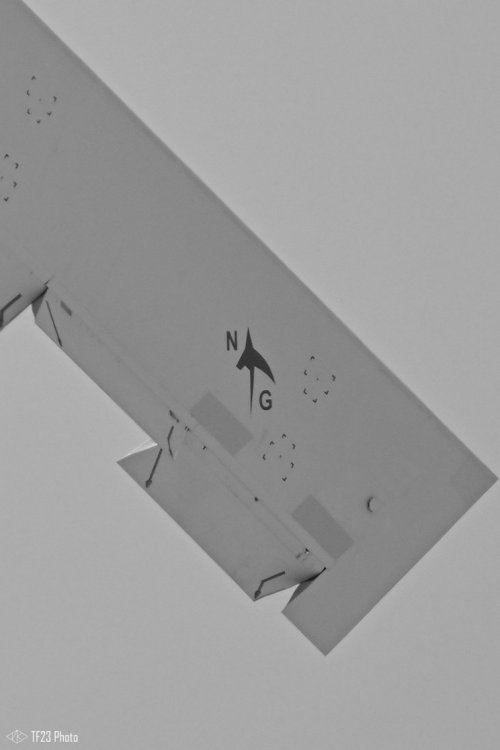
A new high-quality photo of the B-21 bomber during a test flight has been published, showing the narrow-profile, upward-oriented “beaver tail” type turbofan nozzles that provide an extremely low infrared (IR) signature.
Last week, the second B-21 Raider stealth bomber took to the skies for the first time, flying from U.S. Air Force Plant 42 in Palmdale to Edwards Air Force Base in California. The new photograph by Jarrod Hamilton, taken shortly after takeoff, offers a fresh look at the exhaust system of the new bomber’s engines.
Contrary to many observers’ initial impressions after the first photo, it now turns out that the B-21 employs an exhaust system very similar to that of the B-2A Spirit (Photo 3). This design is intended to minimize the engines’ infrared visibility, thus enhancing the aircraft’s stealth.
It is very likely that, as with the B-2A, air from auxiliary intakes is also mixed with the hot exhaust gases, further reducing temperature and the IR signature. The most notable difference is the absence of the serrated trailing edge directly behind the B-2A’s exhaust outlet, which on the B-21 has been replaced by a straight edge.
A similar nozzle configuration with a cooling contour (but with top shielding) was implemented on the stealthy AGM-129 ACM strategic cruise missile (range up to 3,700 km; now retired; Photo 4).
Therefore, the estimated detection range of the B-21 by the IR sensor of the Su-35S fighter’s multispectral electro-optical ОЛС-35 complex may be only about 10–20 km in the forward hemisphere and 20–35 km in the rear. The radar cross-section (RCS) of the B-21 is about 0.01–0.03 m² shape wise, but probably is much reduced by the use of advanced coating.

The view doesn't really shed much light on precisely what's going on but does look similar in basic principle.
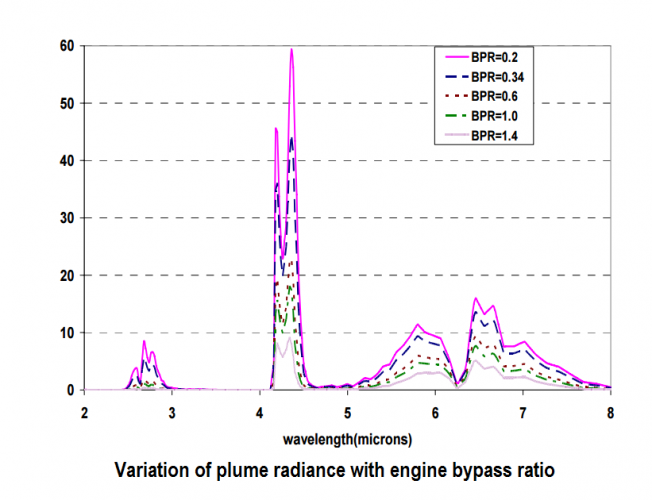
It’s interesting that the engines are still a bit of a mystery.Presumably the use of a higher bypass turbofan would also aid in IR reduction?
Give me a bucket!The B-21. A wafer thin mint, even Mr Creosote, would find easy to swallow!
The exhausts are almost inlet looking, evolution.B-21 doesn't have SAFS auxiliary intakes as B-2 and top exhausts lips have single chevrons pointed back (that was known two years ago) so this 'analysis' is BS.
Most likely, yes.Presumably the use of a higher bypass turbofan would also aid in IR reduction?

Excellent article
The aircraft is the fourth B-21 overall, as the current fleet now includes two aircraft dedicated to ground testing, designated G-1 and G-2, and the two flight test aircraft, designated T-1 and T-2. Airframe T-1 flew for the first time on Nov. 10, 2023, while it is unclear when G-1 and G-2 joined the fleet.


They are just ignoring stupid ramblings.Just finished listening to Norhrop's Q3 earnings call. The most interesting thing about the call is that absolutely no one asked about Trump's cryptic remark about 28 more B-2's. Go figure.
This is interesting, because Congress already obligated that additional $4.5B to NG for the B-21 via the reconciliation bill. The assumption was that this included funding for an increase in the production rate.As for B-21 news, Kathy Warden said that discussions concerning accelerated production are continuing, and she is hopeful of having a resolution "in a few months".
This is interesting, because Congress already obligated that additional $4.5B to NG for the B-21 via the reconciliation bill. The assumption was that this included funding for an increase in the production rate.
Most of the interwebs seems to think high single digits is the baseline, but there is no open source number given.Do we have any idea of what the production rate could be after (or even before) a potential increase?
 www.airandspaceforces.com
View: https://www.youtube.com/watch?v=gPNLrTPnbPs
seems cat ears TE is now serrated? either this was not apparent in photos before or follows trend of TE/LE of panels being modified on Cerberus (ex. aft topside thermal panel). Looking back at older pictures, I lean towards the latter. Clearly they have not modified the actual size of aux. air intake (size of white-colored portion), but just the paneling.
View attachment 789175
View attachment 789176View attachment 789177
 )
)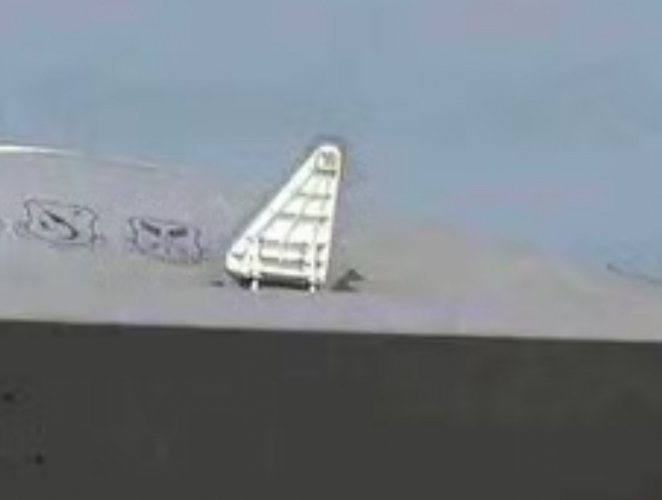
Looking at both my version and your version of the photo (221202-F-XX000-0003), it can't be said for sure. To my eyes, at least, the panel appears like a straight edge; but as I said above, the image is too compressed to say what its shape is with any certainty.Photo of T-1, 2023, pre-test configuration
...no way that's serrated? IDK. Need the opinion of a user with better eyeballs than mine.