@exclaimedleech8, is that the expended launch-booster from an Israeli ABM?
Last edited:


Not very efficient. Drones are quite small and agile, especally multicopter ones.You don't need missiles to stop drones. You can just use machine guns.

You don't need missiles to stop drones. You can just usemachine guns.
Imagine if it had landed 10 feet to the leftWaw, nice lawn sculpture, iv oft wondered about the fallout on the ground from using interceptor missiles, what goes up ...
Probably not good enough for near term deployment*Microwave weapons
Godzilla was stunned into silence when his giant bolt-action rifle failed to penetrate even Bruce Wayne's *civilian* auto.
Agreed.That the SDI wasn't a credible effort is one of those post-Cold War myths that just won't die....
Don't be absurd. They would develope ICBM even without Hsue-Chu Tsien; it would just took them more time. They got all the basics from R-2 missile (the Soviet major improvement of German V-2 design, licensed to China) and they also received at least some data about R-5 IRBM. The Hsue-Chu Tsien contribution was very valuable, of course, but not irreplaceable.
Ed's statement about how Trump imposing sanctions and reducing exports to the US will hollow out their economy is also wrong I think. Check what percentage of China's output goes to the US - its nowhere near as much as you probably imagine There are 184 other countries in the world outside the US walled garden of imagined superiority, several of them with more people than the US. China can weather the tariff storms fine.
The government would have given him a Tesla, these people are very well organized against the bombings.Imagine if it had landed 10 feet to the left
A system designed to protect large cities and the US's silos could be obtained more cost effectively than a nationwide defense system that protects every square inch of the country, requiring significant R&D of upwards of a trillion dollars to implement. From a politic perspective, in order not to destabilize the MAD theory, that appears to have been adopted by most nuclear responsible nations, a defense system that protects major cities, which are the targets for most bad actors, and the US's silos, using an Iron Dome-type system, and the current ABM systems already in place would be a better all-round system in my opinion.
Considering that the more immediate nuclear threat to the nation is from non-nation state bad actors that could smuggle across an open border a WMD device into a city or cities to create carnage for the benefit of their own radical politics. No space-based system could stop such a threat.
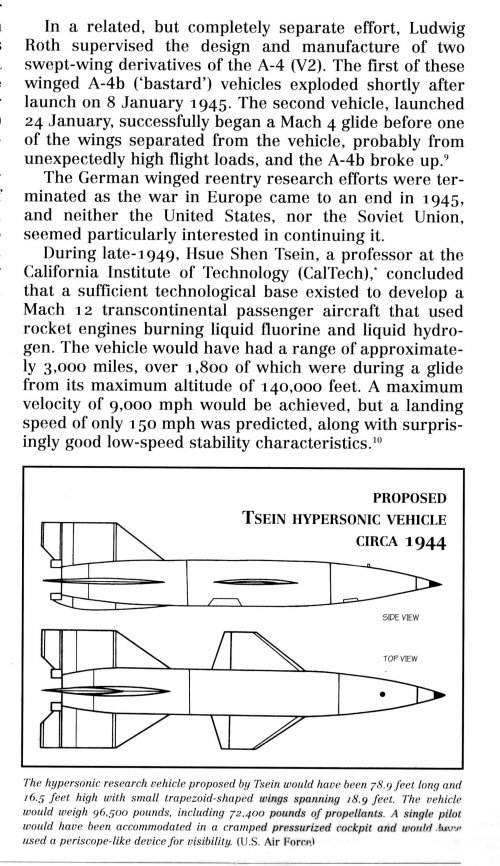
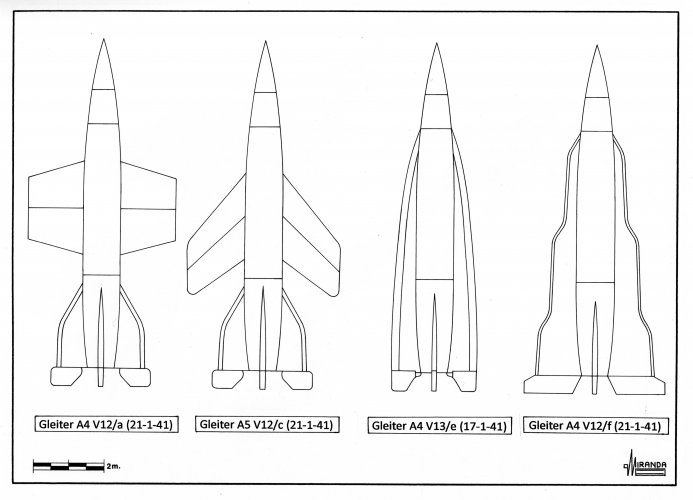
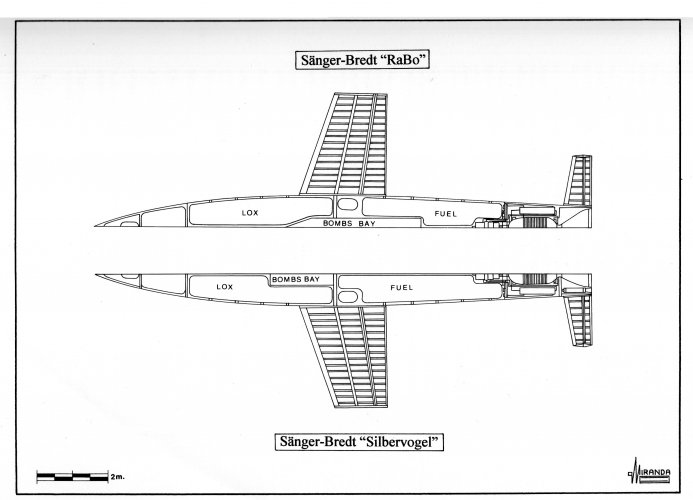
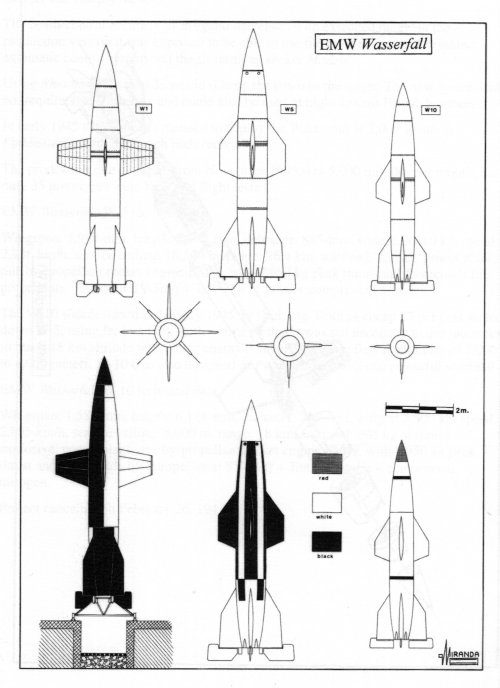
In my opinion, all Tsien did was take ideas from the winged V-2 windtunnel models, Wsserfall wings and a couple of ideas from the Silbervogel, a great intellectual feat.Don't be absurd. They would develope ICBM even without Hsue-Chu Tsien; it would just took them more time. They got all the basics from R-2 missile (the Soviet major improvement of German V-2 design, licensed to China) and they also received at least some data about R-5 IRBM. The Hsue-Chu Tsien contribution was very valuable, of course, but not irreplaceable.
As a SoCal homeowner, I'd hate that NIMBY crap heavy(?) metal pollution in my front and back yards too, so that's why I'd just love me some frikking laser beams, i.e. https://www.boeing.com/content/dam/...e-directed_energy/images/CLWS-second-page.pdf.How many 50cal rounds hitting someone's house do you want to pay for?
10 feet would put that rocket on his house.The government would have given him a Tesla, these people are very well organized against the bombings.
Yep@exclaimedleech8, is that the expended launch-booster from an Israeli ABM?
You're right, I thought I had read three feet, well, in that case the government would have given him a new wall and a Fiat cinquecento.10 feet would put that rocket on his house.

The same could be said of any development program.Starship is currently an experimental system.
There is no guarantee it will operate as advertised.
Quite true - but the question is, is Starship a development programme, or an experimental programme?The same could be said of any development program.
That's not really a question at all. That is obvious. It's a development program.Quite true - but the question is, is Starship a development programme, or an experimental programme?
The recent RUD of an entire Starship assembly on the test stand would tilt me towards ‘experimental’.
In my opinion, anti-missile defenses do not have much of a future, it will be enough for the enemy to secretly accumulate several thousand ballistic missiles and fire them in a single salvo to saturate the system. The Germans learned it on the Kammhuber Line and the Israelis are learning it now, even though the effectiveness of their defensive system is 90 percent. It is not enough; it would be enough for several nuclear warheads to get through. I believe that future anti-missile systems should consist of directed energy weapons, capable of firing many shots without the need to pause for cool-down.
Wait, the guy blows up 5/6 of the solar system killing who knows how many people and they brush it off like him wrecking a company car?
There are two types of people: those who see the advantages and those who see the disadvantages.Wait, the guy blows up 5/6 of the solar system killing who knows how many people and they brush it off like him wrecking a company car?

Even production rockets RUD.Quite true - but the question is, is Starship a development programme, or an experimental programme?
The recent RUD of an entire Starship assembly on the test stand would tilt me towards ‘experimental’.
Honda managed to avoid itEven production rockets RUD.
So far.Honda managed to avoid it
https://www.secretprojects.co.uk/threads/honda-launched-a-reusable-rocket.46729/
Sure - but Starship is 0 for 9 regarding the whole system - 0 for 10, if we include the recent RUD.Even production rockets RUD.

My Honda Accord has broken down only once in the 2.5 years I've owned it, and that was due to a squirrel chewing on the transmission wires. I think that bodes well for their rockets.So far.

... that was due to a squirrel chewing on the transmission wires. I think that bodes well for their rockets.

Coming from LM, I call BS, based on a long history of broken promises (VentureStar, anyone?)...
IMHO no Golden Dome coming from LM is going to help America, irrespective whether squirrels get rockets or not.If squirrels get rockets, no Golden Dome is going to help America

Lockheed launches hub to prototype Golden Dome command systems
https://www.defensenews.com/industr...twitter&utm_medium=social&utm_campaign=tw_dfn