Elfly signs contract with EASA for development of Noemi aircraft
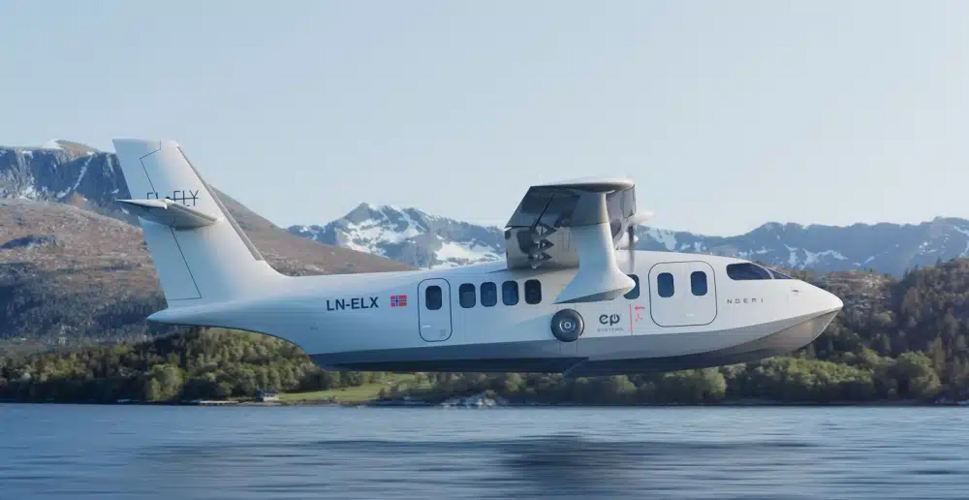
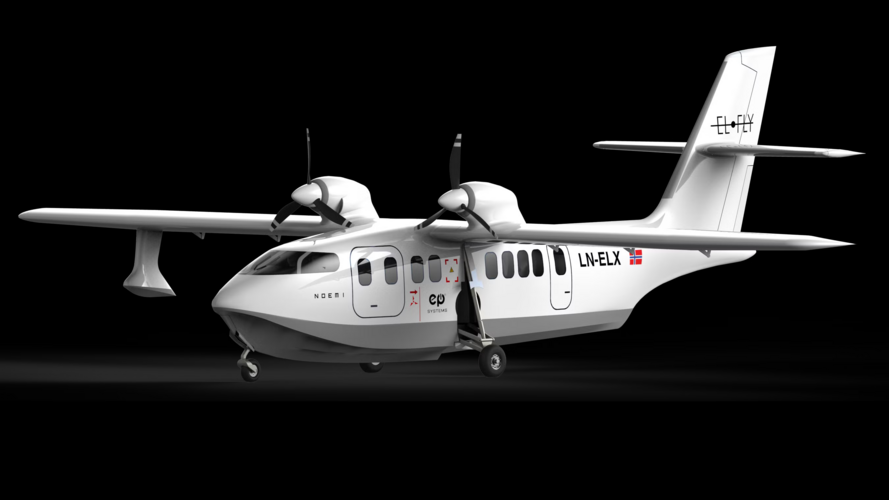
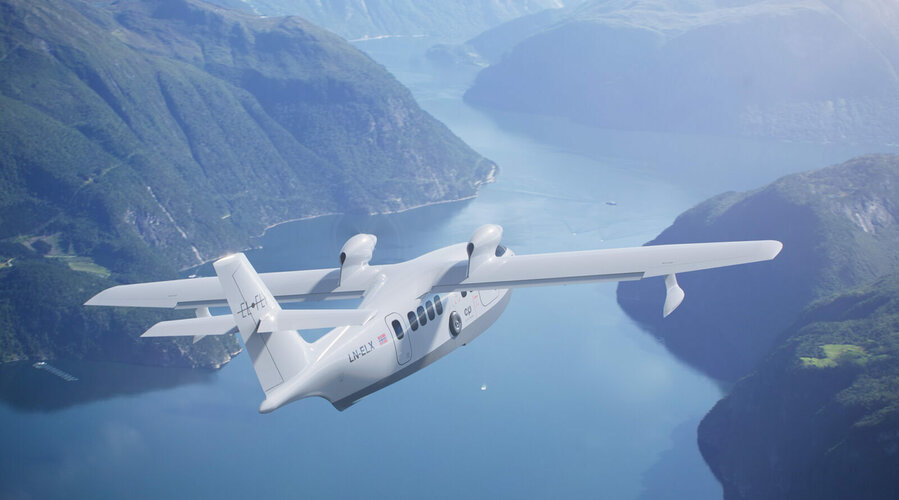
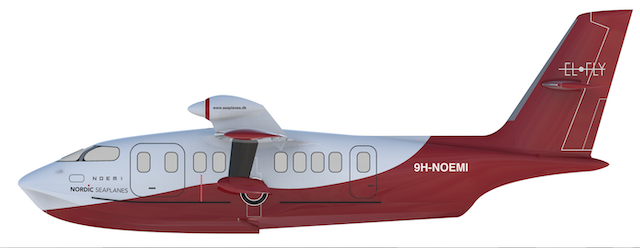
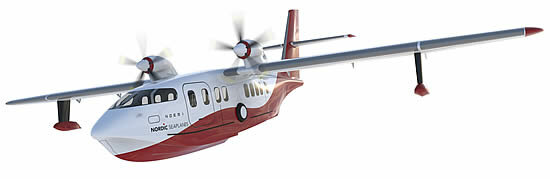
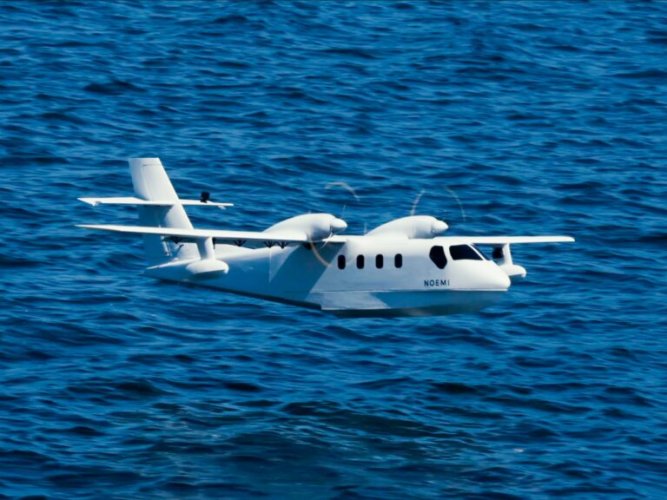
Norway’s Elfly Group has signed a contract with the European Aviation Safety Agency (EASA) to develop a conceptual prototype of its Noemi (No Emissions), a clean-sheet, all-electric commercial seaplane.
This development follows the recent conclusion of the Concept-Freeze-Review (CFR) of the aircraft prototype.
The next step towards first flight of the full-scale aircraft includes interactions and technical discussions with the Agency.
The EASA Pre-Application Contract (PAC) agreement allows Elfly Group to take the initial step with the agency towards achieving the first flight of the full-scale Noemi conceptual prototype aircraft.
The PAC between Elfly and EASA covers the entire process of prototype development covering the agreement on the flight conditions necessary for the aircraft’s Permit-to-Fly.
The PAC is structured to reflect a type certification process. This helps both Elfly and EASA to familiarize the development and test activities towards the target for certification.
This PAC involves agency review from the very beginning of the core development activities involving Technical Familiarization, Design, Manufacturing, Test activities and eventually agreement on the flight conditions for the prototype aircraft.
David Solar, head of sustainability, research and innovation, EASA said, “We’re pleased to take this important first step with Elfly through the Pre-Application Contract process. The Noemi project represents an exciting and ambitious vision for the future of sustainable aviation, and we look forward to supporting Elfly as they progress towards a safe and flightworthy prototype. Collaborative early engagement is key to enabling innovative new aircraft like Noemi to reach the market in a safe and timely way.”
Elfly has amassed soft orders for 47 Noemis, worth an estimated $500 million with further interest for 300 more from operators from all over the world. The company is working toward the first flight of the conceptual prototype in 2027. Entry into service has a target year 2030.



 More information on the company' official website: