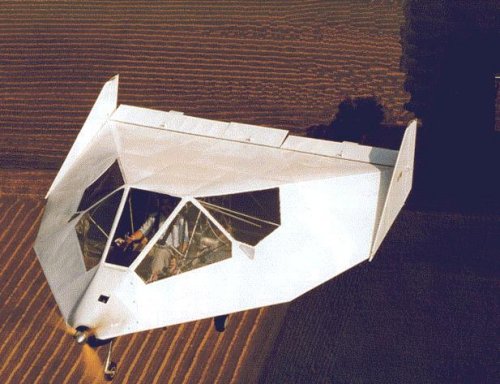
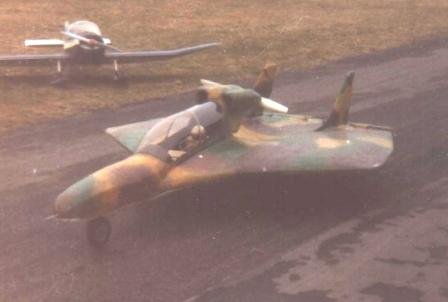
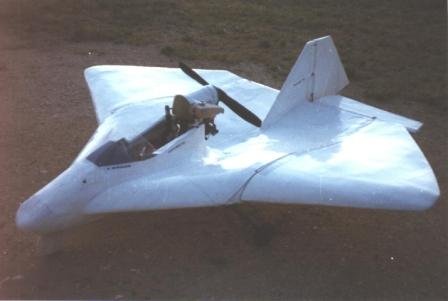
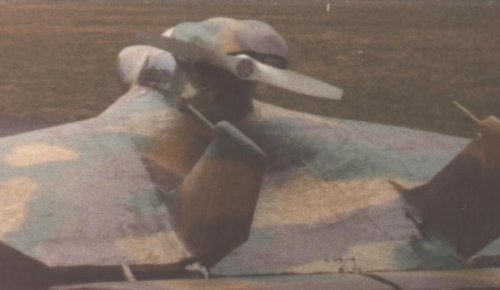
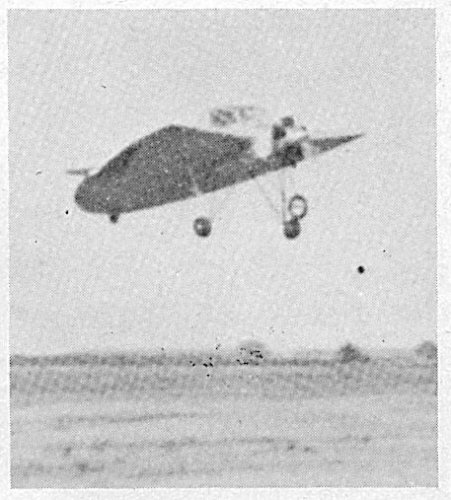
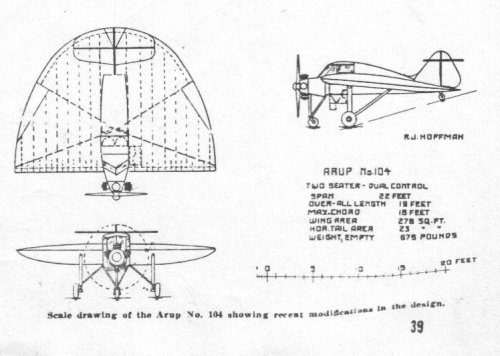
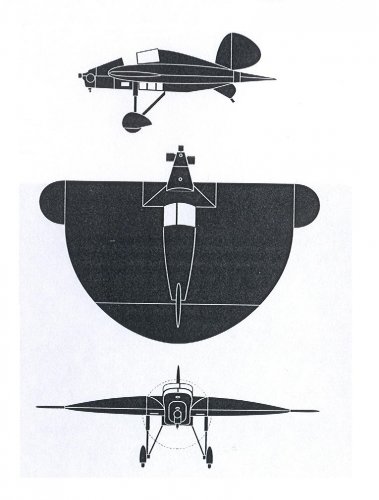
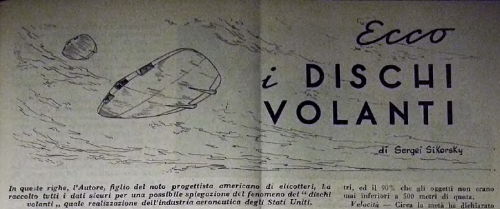
While looking for something else, as always, I found another 'flying flapjack', the Hatfield 'Little Bird', and the story behind it, is well....
In 1926, at the age of 18, Milton Hatfield built his own aeroplane, from Nicholas Beazly plans. (Does anyone know what this 'plane would have looked like?) He also converted the engine from a ex-police motorcycle engine. He also bought a set of wheels and tyres. The aircraft never flew. Hatfield's father insisted that the young Hatfield get a pilot's licence first. However, since an hour's flying lesson cost two week's wages, Milt still had not soloed by 1932. He had also married in 1931.
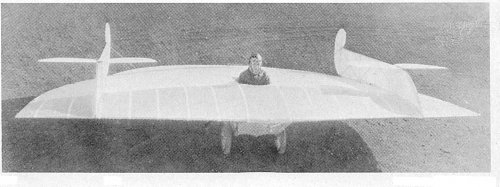
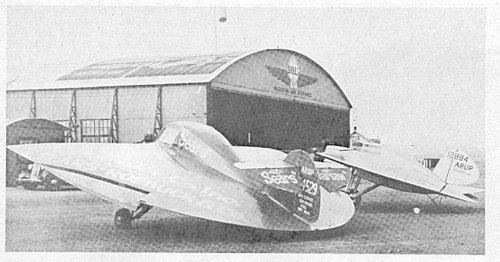
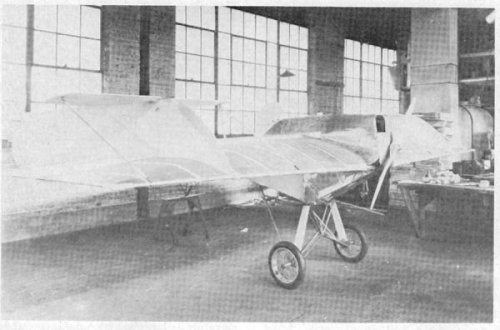
Then Milt caught a break. Cloyd Snyder, the inventor of the yet-to-be named Arup, wished to convert his 'Snyder Glider', into a powered aircraft, eventually the Arup no.1. To do this he needed an engine, and some wheels. Young Milt had just what he needed. A deal was struck, Milt would let Snyder have his aeroplane, and Glen Doolittle, Snyder's test pilot, would teach Hatfield to fly. After two hours tuition, Milt soloed and obtained his licence.
By 1935, Hatfield was working in aviation, skywriting. The Arup organisation, in contrast was on it's knees. They sold the engineless Arup No.2 to a stunt flyer named Franks, who installed the same type of engine, a 3-cylinder Szekeley, as in Milt's plane. However, neither Franks, nor several other pilots was able to get the Arup into the air. In the end, the propeller was broken. Of course Franks asked Hatfield for the loan of HIS propeller. Milt agreed, but on condition that he flew the Arup. (He had watched the others' attempts, and worked out where they had gone wrong) With his propeller fitted. Milt climbed in, and flew the Arup without problems. Then he told Franks 'how to do it'. Soon after, Milt was also flying the Arup No.4 as well. He never forgot his time flying these aircraft.
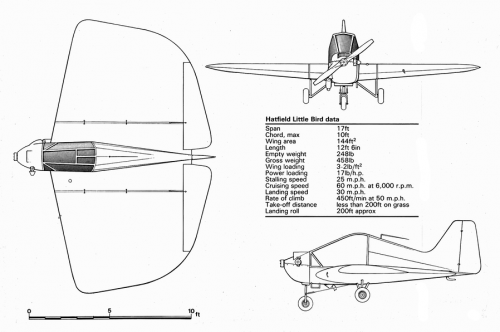
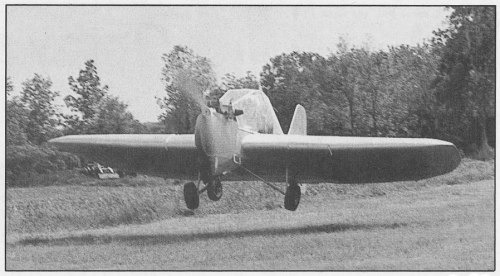
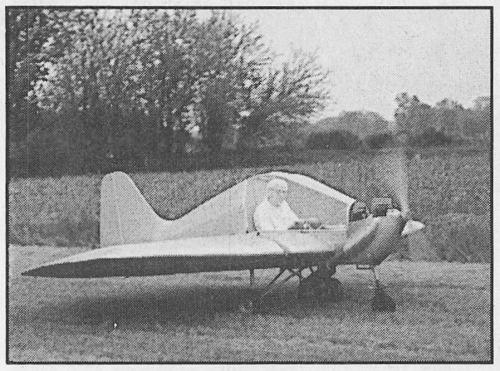
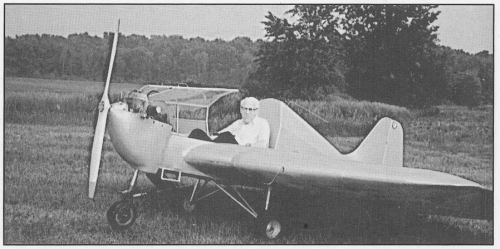
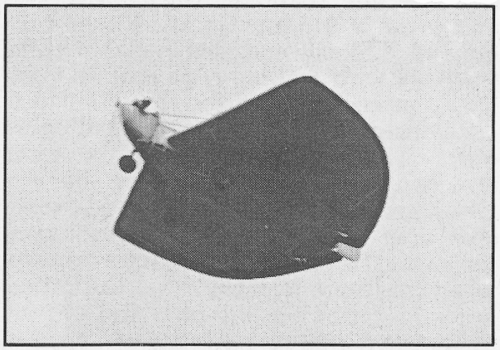
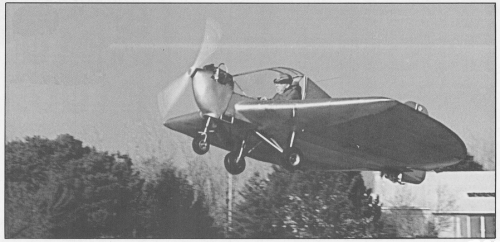
After a long and varied career in aviation, and other industries, Milt Hatfield retired. He started building aeroplanes again. In 1985 he decided to build a microlight version of the Arup concept. Built of steel tube and wood, and powered by a 27 hp Rotax engine, the first version had 'Junkers-style' separate elevons, along with spoilers. The wing was arranged to fold up against the fuselage, to allow the 'plane to be towed behind a car. The structure was fabric covered, the engine cowling glass fibre. and the canopy was heat-shrunk Mylar. Milt named his aircraft 'Little Bird'.
Following fast taxiing tests, it became clear that the original elevons were ineffective. These were removed, and the trailing edge of the wings aft of the rear spar cut away, and hinged to act as elevons. The spoilers were deleted. On May 27th, 1987, the aircraft flew for the first time. Flight characteristics were good, two quirks of the configuration being the abilty to turn using rudder or the stick only-no need to use both- and a stable rapid sink rate at low speeds and high angle of attack.
From 'Aeroplane Monthly', September 1987.
cheers,
Robin.