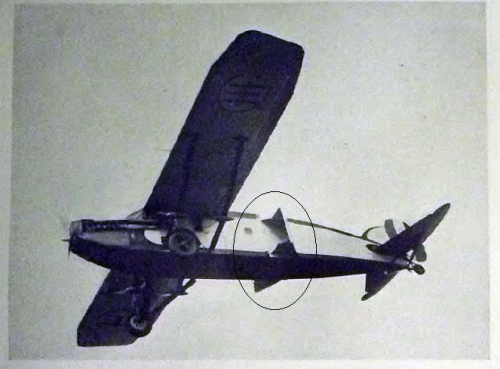
They are the "Sacche Ballerio" an experimental device proposed by Ballerio, that preceded the concept of airbrakes and thrust reverser.
The
Ballério drag bags were an experimental aerodynamic braking device developed in the interwar period (1920s–1930s) to improve aircraft deceleration during landing.
The system consisted of
fabric bags, to be deployed immediately after touchdown. Once released, the bags inflated due to airflow, generating additional
aerodynamic drag and thereby reducing the aircraft’s ground speed. The concept addressed a key limitation of early aviation:
inefficient wheel braking systems and the frequent use of
short or unprepared airfields.
From a technical standpoint, the device can be considered a
primitive form of drag-based deceleration, anticipating later solutions such as braking parachutes.
However, operational performance was
poor and inconsistent. This is why the were unofficially referred to by the personnel as
“balle Saccherio", a pun which can be roughly translated as "
lies (tricks) of the sacker"
Reported issues included:
- Aerodynamic instability (oscillation and asymmetric drag forces)
- Unpredictable deployment behavior
- Structural fragility (risk of tearing or failure under load)
- Limited controllability during rollout
Due to these limitations, the Ballério system—despite its conceptual validity—was
not adopted in operational aviation.
Nevertheless, it represents an early and significant step toward the development of
controlled drag devices, ultimately leading to the modern
braking parachute, which resolves many of the stability and reliability issues observed in the original design.
ermeio