China dominates in producing ships involved in negligent failure, too. Just because you can build doesn't mean it is a quality build. I have my doubts about quality on Type 055 as it has yet to perform anything significant. Western ships have standards and a track record. And they tend to be much more compact overall. I suspect thst glaring detail will pose concerns if the Pacific ever heats up.

You are using an out of date browser. It may not display this or other websites correctly.
You should upgrade or use an alternative browser.
You should upgrade or use an alternative browser.
Surface Ships Need More Offensive Punch, Outlook
- Thread starter Triton
- Start date
-
- Tags
- cold war ii shipbuilding

EmoBirb
ACCESS: Top Secret
- Joined
- 18 January 2025
- Messages
- 2,724
- Reaction score
- 6,974
It amuses me to a significant degree how one can try to twist producing over 60% of all commercial ships, having several dozens of high productivity shipyards and the largest Navy by hull count is something bad or dubious. But I suppose there are many ways to cope with certain realities.
Quantity is certainly either a value or a liability. Time will tell.It amuses me to a significant degree how one can try to twist producing over 60% of all commercial ships, having several dozens of high productivity shipyards and the largest Navy by hull count is something bad or dubious. But I suppose there are many ways to cope with certain realities.

Grey Havoc
ACCESS: USAP
- Joined
- 9 October 2009
- Messages
- 24,500
- Reaction score
- 18,175

Forest Green
ACCESS: USAP
- Joined
- 11 June 2019
- Messages
- 14,600
- Reaction score
- 31,716
Navy’s Unwanted Sea Base Ship Will Test At-Sea Rearming Of Warships
https://www.twz.com/sea/navys-unwanted-sea-base-ship-will-test-at-sea-rearming-of-destroyer
Forest Green
ACCESS: USAP
- Joined
- 11 June 2019
- Messages
- 14,600
- Reaction score
- 31,716
Massive U.S. Missile Order May Expand American Anti-Ship Arsenal
https://www.navalnews.com/naval-new...-order-may-expand-american-anti-ship-arsenal/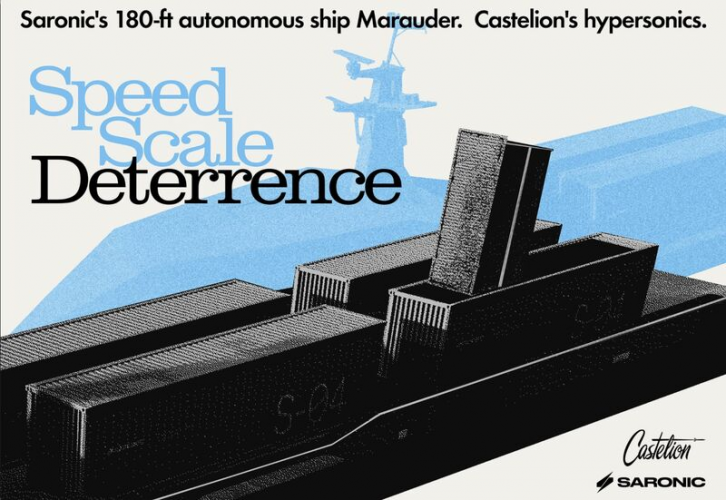
Forest Green
ACCESS: USAP
- Joined
- 11 June 2019
- Messages
- 14,600
- Reaction score
- 31,716
U.S. Congress Wants to Review At-Sea VLS Reloading Plans
https://www.navalnews.com/naval-new...s-wants-to-review-at-sea-vls-reloading-plans/
Forest Green
ACCESS: USAP
- Joined
- 11 June 2019
- Messages
- 14,600
- Reaction score
- 31,716
U.S. Navy Eyes South Korean Yards for Tankers and Destroyers
https://www.navalnews.com/naval-news/2026/07/us-navy-rfi-south-korea-shipbuilding-destroyers/In a historic move that could end an 80-year ban on foreign warship construction, the U.S. Navy has officially issued two Requests for Information (RFIs) to major South Korean shipbuilders to assess their capacity to build American destroyers and fleet tankers.
Scott Kenny
ACCESS: USAP
- Joined
- 15 May 2023
- Messages
- 19,678
- Reaction score
- 28,164
Japan could likely build supply ships without any legal complications, but I think they still have issues with building warships for foreign sales.Why not Japan building some, too? If South Korea's track record in considered, better have a plan B.
Japan could likely build supply ships without any legal complications, but I think they still have issues with building warships for foreign sales.
Japan has abolished the law referred to as the "five-category classification."
However, given the rapid decline and contraction of Japan's workforce, the country no longer possesses the necessary capacity.
exports will likely be limited to arrangements such as licensed production or joint development.

- Joined
- 16 April 2008
- Messages
- 10,604
- Reaction score
- 18,186
Japan could likely build supply ships without any legal complications, but I think they still have issues with building warships for foreign sales.
They are literally building frigates for Australia. That proverbial ship has sailed.

kqcke for you
PUMA PUMA PUMA
- Joined
- 3 November 2022
- Messages
- 1,867
- Reaction score
- 2,705
If i understand it right then the guided shell that BAE offers as evolution of HVP is now called Scorpio-XP
https://www.edrmagazine.eu/eurosatory-2026-bae-systems-details-its-artillery-programmes
https://www.edrmagazine.eu/eurosatory-2026-bae-systems-details-its-artillery-programmes
EmoBirb
ACCESS: Top Secret
- Joined
- 18 January 2025
- Messages
- 2,724
- Reaction score
- 6,974
It's not like the ROK is doing any better in that regard.However, given the rapid decline and contraction of Japan's workforce, the country no longer possesses the necessary capacity.
Main point could be that the ROK cooperates actually much closer with the US on a system-by-system basis than Japan, which largely favors domestic solutions with regards to sensors, weapons and large scale equipment. One could also argue for the quality and capacity of Korean yards.

- Joined
- 21 April 2009
- Messages
- 14,367
- Reaction score
- 9,481

Titus K
ACCESS: Top Secret
- Joined
- 6 September 2025
- Messages
- 840
- Reaction score
- 2,856
Why do we almost never see more than 64 VLS cells on the forward deck of destroyers and cruisers?
64 seems to be the universal maximum. The only example I can think of with a very large arge forward deck is the Kirov-class...
Could a ship be designed with 96 VLS cells all forward, eliminating the need for a second VLS section amidship ?
Why do most navies split their VLS cells into two separate areas ? Is it mainly for redundancy and combat survivability, or is it more about the ship's stability / weight distribution difference between empty and full cells ?
64 seems to be the universal maximum. The only example I can think of with a very large arge forward deck is the Kirov-class...
Could a ship be designed with 96 VLS cells all forward, eliminating the need for a second VLS section amidship ?
Why do most navies split their VLS cells into two separate areas ? Is it mainly for redundancy and combat survivability, or is it more about the ship's stability / weight distribution difference between empty and full cells ?

- Joined
- 3 June 2011
- Messages
- 20,999
- Reaction score
- 19,284
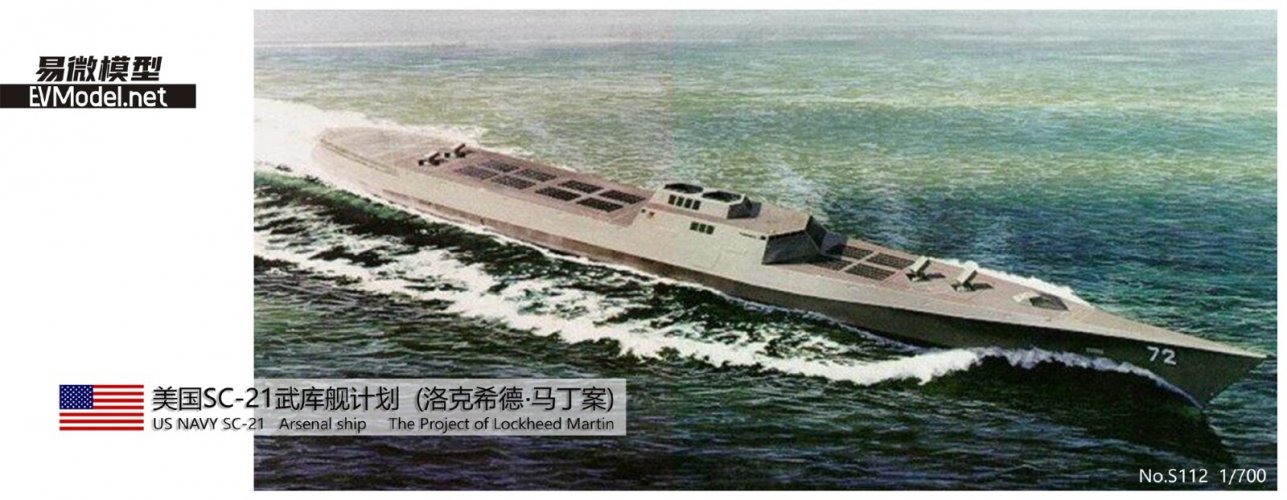
If you look at the old Arsenal Ship concepts they also had banks of 64 cells (8 modules of 8 cells). They just had multiple banks of 64 cells. I would guess there is a hardware limit with the current configuration. (Which isn't to say it couldn't be changed, just that it hasn't been.)Why do we almost never see more than 64 VLS cells on the forward deck of destroyers and cruisers?
64 seems to be the universal maximum. The only example I can think of with a very large arge forward deck is the Kirov-class...
Could a ship be designed with 96 VLS cells all forward, eliminating the need for a second VLS section amidship ?
Why do most navies split their VLS cells into two separate areas ? Is it mainly for redundancy and combat survivability, or is it more about the ship's stability / weight distribution difference between empty and full cells ?
Each rectangle is 64-cells below.
Titus K
ACCESS: Top Secret
- Joined
- 6 September 2025
- Messages
- 840
- Reaction score
- 2,856
I meant among Destroyers and Cruisers.If you look at the old Arsenal Ship concepts they also had banks of 64 cells (8 modules of 8 cells). They just had multiple banks of 64 cells. I would guess there is a hardware limit with the current configuration. (Which isn't to say it couldn't be changed, just that it hasn't been.)
Even the BBG(X) appears to have a 64+64-cell configuration, albeit with 12 CPS missiles forward.
- Joined
- 3 June 2011
- Messages
- 20,999
- Reaction score
- 19,284
Read it again.I meant among Destroyers and Cruisers.
Even the BBG(X) appears to have a 64+64-cell configuration, albeit with 12 CPS missiles forward.
Scott Kenny
ACCESS: USAP
- Joined
- 15 May 2023
- Messages
- 19,678
- Reaction score
- 28,164
It's for both of those reasons, though which one is taking priority likely varies with which designer did the work.Why do most navies split their VLS cells into two separate areas ? Is it mainly for redundancy and combat survivability, or is it more about the ship's stability / weight distribution difference between empty and full cells ?
- Joined
- 16 April 2008
- Messages
- 10,604
- Reaction score
- 18,186
I meant among Destroyers and Cruisers.
Even the BBG(X) appears to have a 64+64-cell configuration, albeit with 12 CPS missiles forward.
As originally designed, one Mk41 controller could address a maximum of 8 modules (64 cells) at one time. That was a 1980s electronics limitation that I think has been changed in more recent baselines, when they replaced the Mk 41 controllers with essentially Mk 57 electronics.
But also, at ~30*20 feet, a 64-cell block is pushing the limits of how big a hole you want to open in the strength deck of a ship. The 64-cell Mk 41 defined the scale of the SSES B module, which was about the largest block designers felt was feasible.
If you look at the Mogami the FMF-AAW variant got 64 cell in one row at the bow creating the longest farm ever.Why do we almost never see more than 64 VLS cells on the forward deck of destroyers and cruisers?
64 seems to be the universal maximum. The only example I can think of with a very large arge forward deck is the Kirov-class...
Could a ship be designed with 96 VLS cells all forward, eliminating the need for a second VLS section amidship ?
Why do most navies split their VLS cells into two separate areas ? Is it mainly for redundancy and combat survivability, or is it more about the ship's stability / weight distribution difference between empty and full cells ?
I suppose this was done due to it being compact and narrow to fit them like the rest as well as surviveability. The design seems to have the best surviveability structure design. It's the only one I've seen so far that feastures tension boxes.
Titus K
ACCESS: Top Secret
- Joined
- 6 September 2025
- Messages
- 840
- Reaction score
- 2,856
Interresting, so that is a 14m x 5.5m hole in the hull.If you look at the Mogami the FMF-AAW variant got 64 cell in one row at the bow creating the longest farm ever.
I suppose this was done due to it being compact and narrow to fit them like the rest as well as surviveability. The design seems to have the best surviveability structure design. It's the only one I've seen so far that feastures tension boxes.
You could pack 2x6 Sylver launchers in the same hole for a total of 96 cells (8 cells wide x 12 cells long)
Sure you probably could, but it would be a massive focsle to do so, and now you run the risk of a single hit taking out your entire mk41 armament knocked out.Why do we almost never see more than 64 VLS cells on the forward deck of destroyers and cruisers?
64 seems to be the universal maximum. The only example I can think of with a very large arge forward deck is the Kirov-class...
Could a ship be designed with 96 VLS cells all forward, eliminating the need for a second VLS section amidship ?
Why do most navies split their VLS cells into two separate areas ? Is it mainly for redundancy and combat survivability, or is it more about the ship's stability / weight distribution difference between empty and full cells ?
Scott Kenny
ACCESS: USAP
- Joined
- 15 May 2023
- Messages
- 19,678
- Reaction score
- 28,164
In IIRC the cruiser thread, there was a proposal to run 0.5-1" armored bulkheads in the dead space of a 64-cell, basically splitting the 64cell into 4x 8-cell blocks. Would doing this increase strength enough to make bigger missile farms viable?But also, at ~30*20 feet, a 64-cell block is pushing the limits of how big a hole you want to open in the strength deck of a ship.
- Joined
- 16 April 2008
- Messages
- 10,604
- Reaction score
- 18,186
In IIRC the cruiser thread, there was a proposal to run 0.5-1" armored bulkheads in the dead space of a 64-cell, basically splitting the 64cell into 4x 8-cell blocks. Would doing this increase strength enough to make bigger missile farms viable?
The space between modules is used for maintenance access. It's pretty tight as is and really necessary.
Yes, you can install multiple smaller blocks with structure between them, but that eats up volume.
I realize this might sound a bit odd, but the idea occurred to me, so I’d like to propose it.
I believe the VLS could be positioned on the exterior of the hull—much like the Mk.57 system on the Zumwalt class or perhaps even mounted further outboard.
The advantages would be minimizing the need for internal armor and having the VLS units act somewhat like Explosive Reactive Armor . This would increase the total missile capacity while freeing up the space where the VLS would normally be located.
The downsides would likely include reduced stability and impaired hydrodynamic performance due to the VLS bulges. There is also the issue of lacking a clear mechanism for venting the VLS exhaust blast safely outward.
I believe the VLS could be positioned on the exterior of the hull—much like the Mk.57 system on the Zumwalt class or perhaps even mounted further outboard.
The advantages would be minimizing the need for internal armor and having the VLS units act somewhat like Explosive Reactive Armor . This would increase the total missile capacity while freeing up the space where the VLS would normally be located.
The downsides would likely include reduced stability and impaired hydrodynamic performance due to the VLS bulges. There is also the issue of lacking a clear mechanism for venting the VLS exhaust blast safely outward.
- Joined
- 3 June 2011
- Messages
- 20,999
- Reaction score
- 19,284
Why not just use Mk57 at that point? Or better yet develop a new VLS.I realize this might sound a bit odd, but the idea occurred to me, so I’d like to propose it.
I believe the VLS could be positioned on the exterior of the hull—much like the Mk.57 system on the Zumwalt class or perhaps even mounted further outboard.
The advantages would be minimizing the need for internal armor and having the VLS units act somewhat like Explosive Reactive Armor . This would increase the total missile capacity while freeing up the space where the VLS would normally be located.
The downsides would likely include reduced stability and impaired hydrodynamic performance due to the VLS bulges. There is also the issue of lacking a clear mechanism for venting the VLS exhaust blast safely outward.
Ships bend and twist along the length that's why they breakup cleanly across. So having those bulkheads will do nothing except for the keel one. It's better to add more thicker ripsor torsion boxes/tubes to the bay's walls & bottom.In IIRC the cruiser thread, there was a proposal to run 0.5-1" armored bulkheads in the dead space of a 64-cell, basically splitting the 64cell into 4x 8-cell blocks. Would doing this increase strength enough to make bigger missile farms viable?
We definitely need more options to plug & play designs more efficiently. My preference would be G-VLS/KVLS-II size formats.Why not just use Mk57 at that point? Or better yet develop a new VLS.
Scott Kenny
ACCESS: USAP
- Joined
- 15 May 2023
- Messages
- 19,678
- Reaction score
- 28,164
As was explained in the proposal, there's some dead space between blocks where electrical connections etc are completely absent, and IIRC the crew doesn't usually go through those spaces.The space between modules is used for maintenance access. It's pretty tight as is and really necessary.
Yes, you can install multiple smaller blocks with structure between them, but that eats up volume.
Starting here:
very bottom of page 6 and continuing on to page 7.Nope, not for the Mk41, there's enough space in the farm itself that there's Corridors between the modules so that sailors can hook up the missiles to the ships.
As is the farm sides and bottom are armored with the top hatches being shrapnel rated as well.
Only thing needed is the sub divider walls and those be at most an inch thick. You don't need much to focused an explosion when you have both expansion room and an easy exit.
Plus not talking bout every weapon in its own box.
No say to basically split the farm into fourths with basically a cross of metal in it. Apparently the area I see it going is a dead zone that due to how the modules are install so will not need to increase the size of the farm.
Plus remember reading something similar for the Strike Cruiser VLS designs, was mention that it was to be able to eat a hit to the farm and keep fighting.
Crud. So much for that idea. Had to try!Ships bend and twist along the length that's why they breakup cleanly across. So having those bulkheads will do nothing except for the keel one. It's better to add more thicker ripsor torsion boxes/tubes to the bay's walls & bottom.
=========================
I still think there's a use for Mk57, even if we went to LockMart's G-VLS or your proposal that can 9-pack ESSMs.We definitely need more options to plug & play designs more efficiently. My preference would be G-VLS/KVLS-II size formats.
You see, Mk57s can line the edge of the helo pad. That's exactly what they do on the Zumwalts. And that gives you weather-deck space for in the neighborhood of 40 additional missile tubes. Imagine Burke IIs and IIIs getting refitted with shortened Mk57s next to the helo deck. 92-96x Mk41 plus another 40x self-defense length Mk57s to hold SM2s and ESSMs. (SD length Mk57s because the stern is too shallow for full length Mk57) Use the same electronics in both Mk41s and Mk57s, which I think is currently happening. It'd take up not quite 8ft on each side of the stern, which I think is minimally-used currently. Towed arrays etc in the center, rudder stocks/rams wherever so you might not fit all 40 cells, but I think you could get at least another 24 cells onto a Burke.
Plus, I think that Mk57 might actually dual-pack SM2s and it can dual-pack PAC3s, in addition to quad-packing ESSMs, for extra capacity in shortened cells. Don't need the full 26ft depth of the Mk57 if you're planning on parking most of your defensive missiles there and putting the long birds in Mk41 or GVLS/KVLS/SVLS.
- Joined
- 3 June 2011
- Messages
- 20,999
- Reaction score
- 19,284
Just for comparison:Ships bend and twist along the length that's why they breakup cleanly across. So having those bulkheads will do nothing except for the keel one. It's better to add more thicker ripsor torsion boxes/tubes to the bay's walls & bottom.
We definitely need more options to plug & play designs more efficiently. My preference would be G-VLS/KVLS-II size formats.
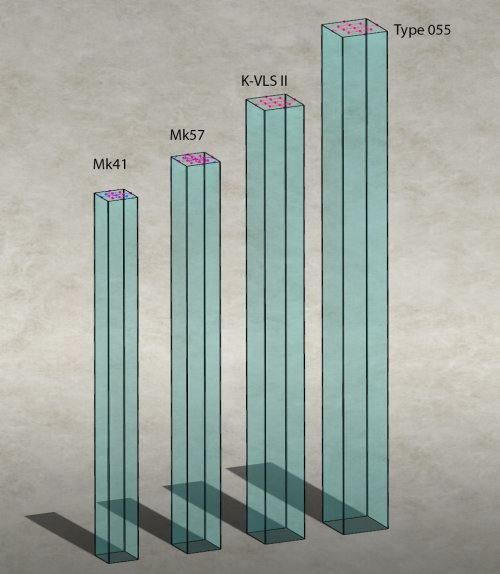
Forest Green
ACCESS: USAP
- Joined
- 11 June 2019
- Messages
- 14,600
- Reaction score
- 31,716
The Falaj 3 May Be The World’s Most Heavily Armed Patrol Boat
https://www.twz.com/uncategorized/the-falaj-3-may-be-the-worlds-most-heavily-armed-patrol-boatOfficially an offshore patrol vessel, the compact design carries the kind of combat capability normally associated with well-armed corvettes or even frigates.
Similar threads
-
 Russia tests Voevoda missile and vows to build new offensive forces (2 stories)
- Started by bobbymike
- Replies: 0
-

-

-
Navy Seeks Rail Guns, Lasers, Cruise Missiles To Improve Pacific Firepower
- Started by Triton
- Replies: 648
-