seruriermarshal
ACCESS: Top Secret
- Joined
- 4 May 2008
- Messages
- 1,180
- Reaction score
- 587
I think UCAVs .Any guesses on the “still classified” systems?

I think UCAVs .Any guesses on the “still classified” systems?


As Thorvic correctly stated, the RAF is going to purchase more than the initial order of 48. However, most news sites are saying the contrary.The UK Strategic Defence Review has committed to buying additional F-35B above the original Tranche of 48 already accounted for, it didnt say how many and didn't commit to the original 138 planned but it should give us the 4 squadrons worth that are required for the Carrier Strike capability (plus training, spares & repairs)

Why is fixing the troubled software development for this program proving to be such a great challenge? Seems to have been a bottleneck for this program since AA-1 first flew.

Possible Skynet infiltration?Why is fixing the troubled software development for this program proving to be such a great challenge? Seems to have been a bottleneck for this program since AA-1 first flew.
The software fixes needed new microprocessors... At least some of the fixes. When I develope a module for a vehicle i spec out 25% excess capability than needed to avoid this problem.Why is fixing the troubled software development for this program proving to be such a great challenge? Seems to have been a bottleneck for this program since AA-1 first flew.


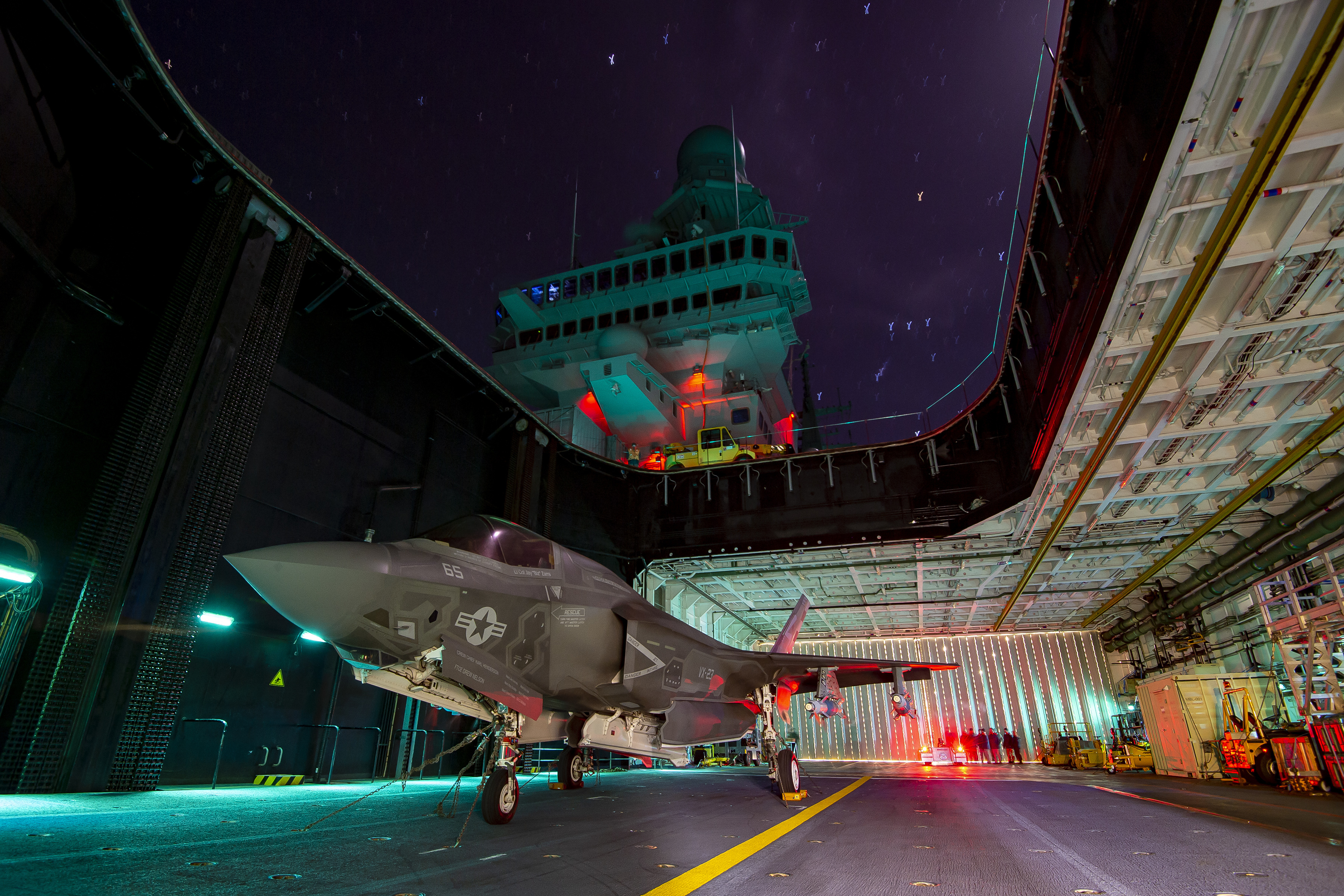
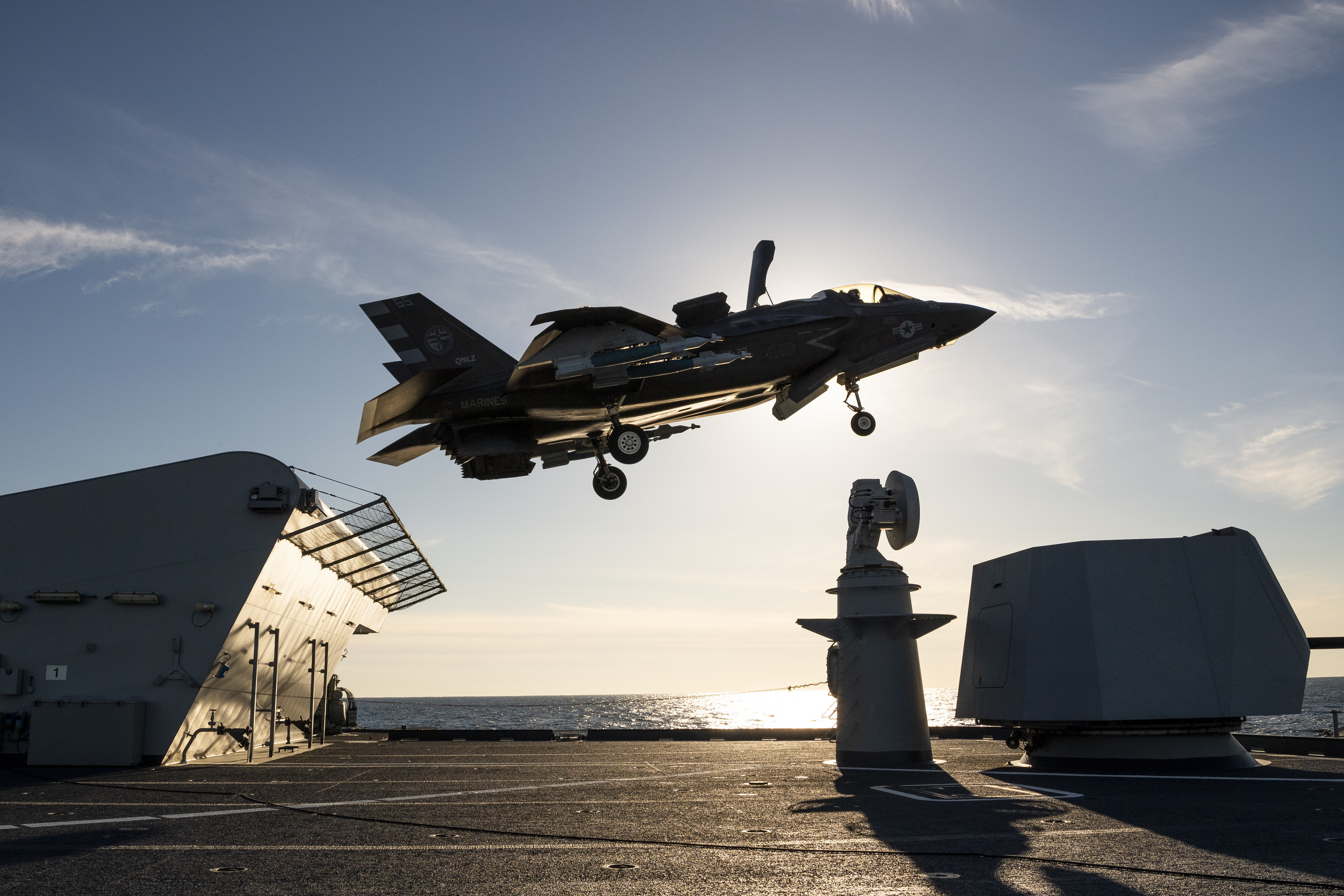
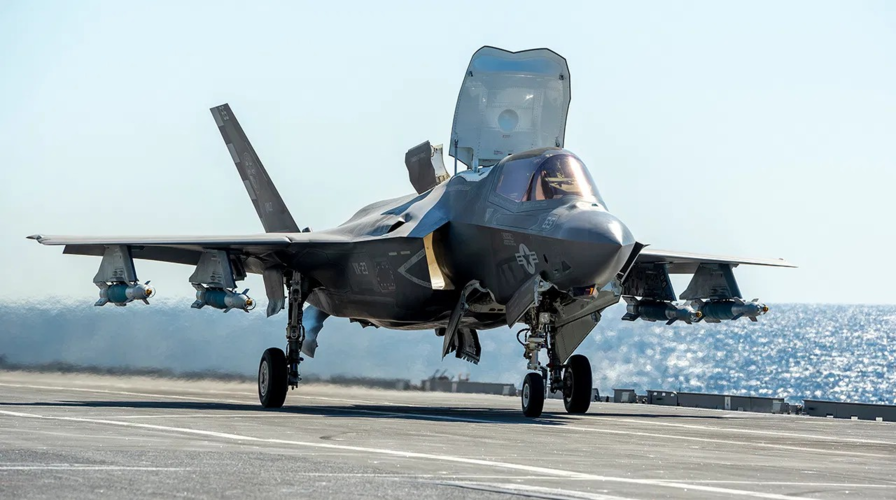
A pair of F-35s can strike multiple targets in a contested environment with no support save, perhaps, a tanker. To get two conventional fighter jets to a similarly contested target requires 10 to 20 additional aircraft. The strike jets must be accompanied by other planes to jam enemy radar, defend the attackers, and provide situational awareness. So even if the F-35 costs twice as much per flight hour as an F-16—it’s less than that, in fact—it’s still the more cost-effective option. Buying F-35s eliminates the need for other aircraft and the personnel, acquisition, training, and logistics that go with them. No economic argument against the F-35 is viable without that calculus.

Logically F35 would still be better, but probably not by much. But thats not the rational, idea is on day 1 your F35 goes in stealthed, with maybe 2 weapons, thus clearing the way for later F35 flights with external stores, once radars are destroyed etc.I have difficulty with stealth characteristics while carrying a heavy weapon load, how does the fully loaded F-35 compare to a fully loaded Viper?
They are still available on day 2.I have difficulty with stealth characteristics while carrying a heavy weapon load, how does the fully loaded F-35 compare to a fully loaded Viper?

AARGM-ER is planned:Ta, folks. What anti radiation weapons fit in the weapons bay? Taking out the radar sites would need that sort of ability on day one to enable the following days to be dedicated to support and anti air missions.
Ta, folks. What anti radiation weapons fit in the weapons bay? Taking out the radar sites would need that sort of ability on day one to enable the following days to be dedicated to support and anti air missions.

Maybe too many programmers used to making Windows bloatware.The software fixes needed new microprocessors... At least some of the fixes. When I develope a module for a vehicle i spec out 25% excess capability than needed to avoid this problem.Why is fixing the troubled software development for this program proving to be such a great challenge? Seems to have been a bottleneck for this program since AA-1 first flew.
AARGM-ER is planned:Ta, folks. What anti radiation weapons fit in the weapons bay? Taking out the radar sites would need that sort of ability on day one to enable the following days to be dedicated to support and anti air missions.
https://www.flightglobal.com/fixed-...ti-radiation-missile-for-f-35a/136097.articlehttps://www.secretprojects.co.uk/threads/aargm-vfdr-missiles.3411/page-3
Thought so --thanksSPEAR-EW I believe you mean - that is an option for the RAF ones at this stage as I understand it. Not sure if anyone else has shown interest yet.
https://www.mbda-systems.com/press-releases/17630/https://theaviationist.com/2021/01/...-british-f-35bs-primary-air-to-ground-weapon/
Cette joint-venture doit permettre aux trois industriels concernés de fabriquer « de 300 à 400 » empennages horizontaux (en jargon des « Horizontal Tail Planes », HTP) pour les F-35 Lightning II destinés à l’exportation et fabriqués par Lockheed Martin ou des partenaires – ces avions sont aussi assemblés en Italie et au Japon. Ce contrat devrait avoir une valeur de 300 à 400 millions d’euros sur une quinzaine d’années, selon M Delvaux.
-----------------------
This joint venture [b/w Asco, Sabca and Sonaca] should enable the three manufacturers concerned to manufacture “from 300 to 400” horizontal tail units (“Horizontal Tail Planes”, HTP) for the F-35 Lightning II intended for export and manufactured by Lockheed Martin or partners [...]. This contract should be worth 300 to 400 million euros over fifteen years, according to Delvaux.
[Ret. Gen. Deptula]
On the opening day of Operation Desert Storm, 20 stealthy F-117s attacked 28 separate targets; it took more than 40 non-stealth aircraft to strike a single target in the same time frame. Any reasonable cost calculus must therefore include a cost-per-effect analysis, comparing not just the unit cost per aircraft but also the number of aircraft needed to deliver an effect in an operational context. On a cost-per-effect basis, the F-35 is clearly a better value than any other combat fighter available today or within the next decade.
While the F-35 has experienced its share of developmental problems, with some still in play, the aircraft is doing well enough to deploy to combat. The reality is that it is advancing a broad range of new technologies and that is a challenging task. These hurdles are not dissimilar to those that the F-15 and F-16 experienced during their entry to service but are now hailed as great successes. When I was first flying the F-15 in the 1970s over half the fleet was grounded due to a lack of operable engines. At one point multiple F-16s were crashing each month. These challenges were solved, as will those facing the F-35.
The flexibility which the B provides is an inherent advantage in the Pacific, with its rich tapestry of islands from which to operate to have the unique “F/A/E -35B” integrate into the emerging Kill Webs as expressed by Rear Admiral Manzer.
[...]
Lt. Col. Bardo, the CO of the VMF-121 Green Knights squadron:
“CAS is considered doctrinally a function which operates only in a permissive air environment.
We can expand CAS to deal with a much wider range of situations than when we would simply operate in a permissive air environment.
And we can provide greater assurance to Marines as they deploy on the ground that we can deal with a much wider array of pop-up threats than we could do with legacy aircraft.”


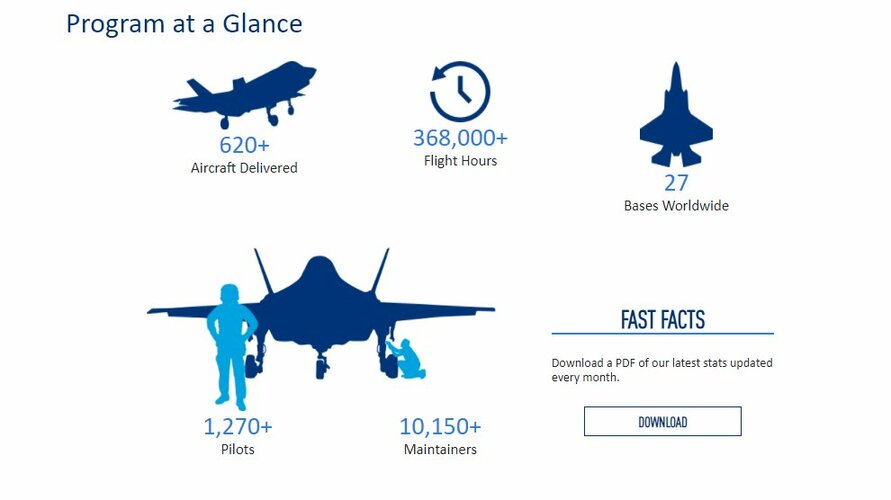
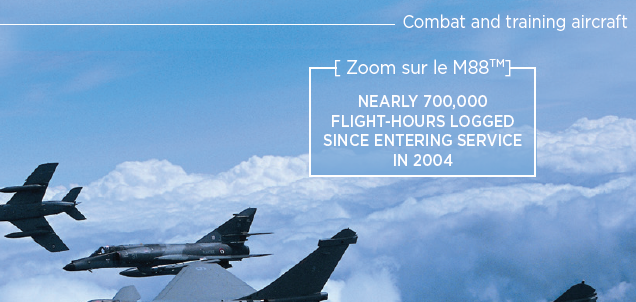
Last month, F-35 fleet logged roughly the same total flight hours that the entire Rafale fleet had logged 2 years ago since its service introduction in 2004 (15 years):
View attachment 654245
View attachment 654247


Don't forget the KC-130J...Last month, F-35 fleet logged roughly the same total flight hours that the entire Rafale fleet had logged 2 years ago since its service introduction in 2004 (15 years):
View attachment 654245
View attachment 654247
They left out that the F-35 has shot down more F-35s than the Rafale too.
I'll see myself out...