https://www.defensenews.com/opinion...ts-cant-wait-for-the-us-navys-battleship-era/
An Aug. 21 article in China National Defense News [中国国防报] provides some initial insights into how America’s chief global rival is assessing this potentially major change in direction for the U.S. Navy surface fleet.
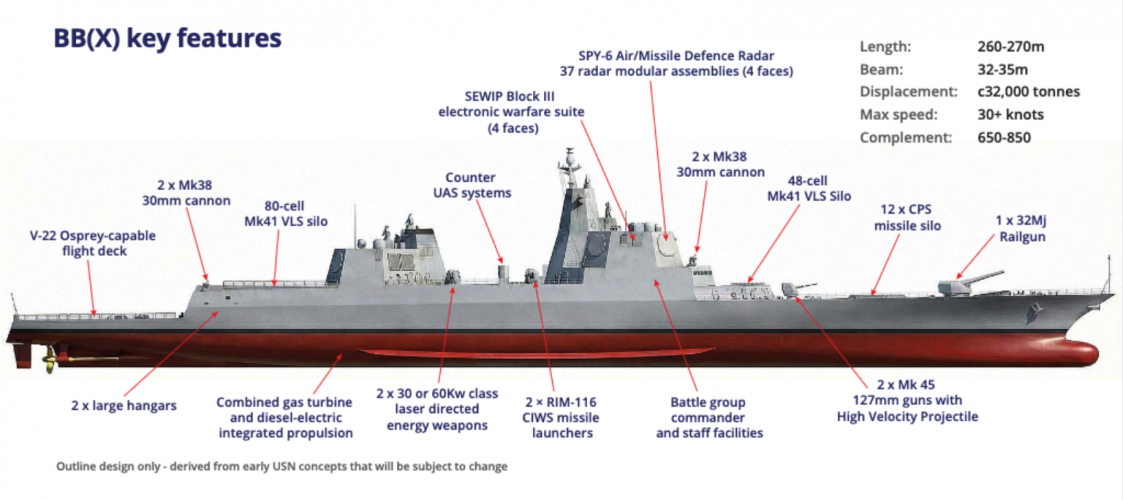
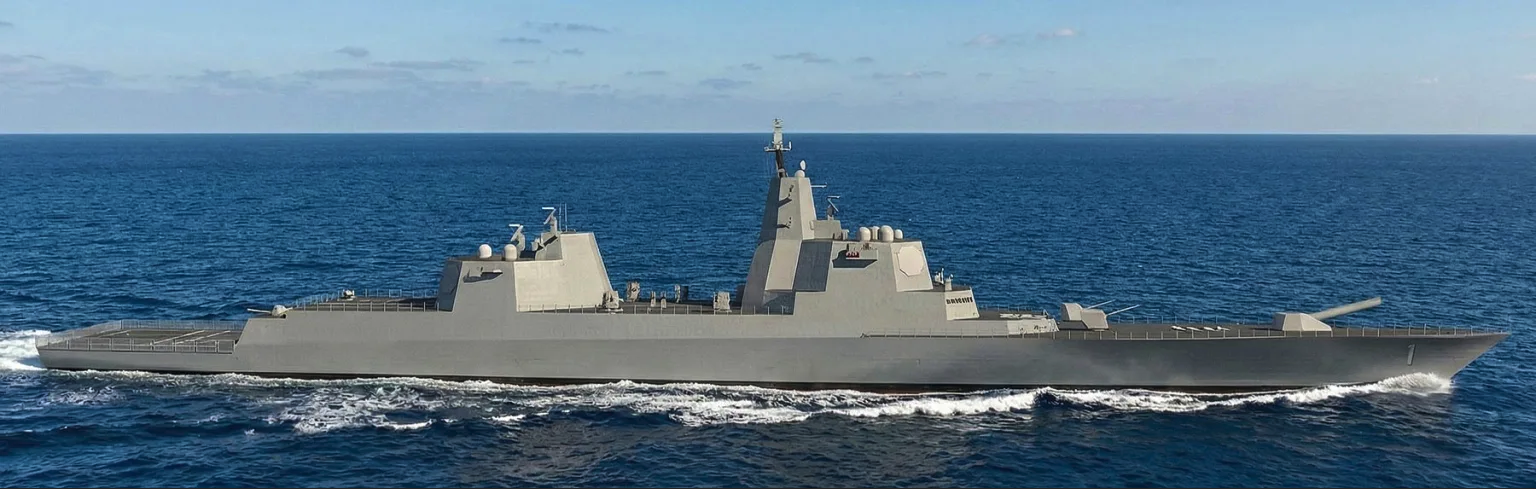
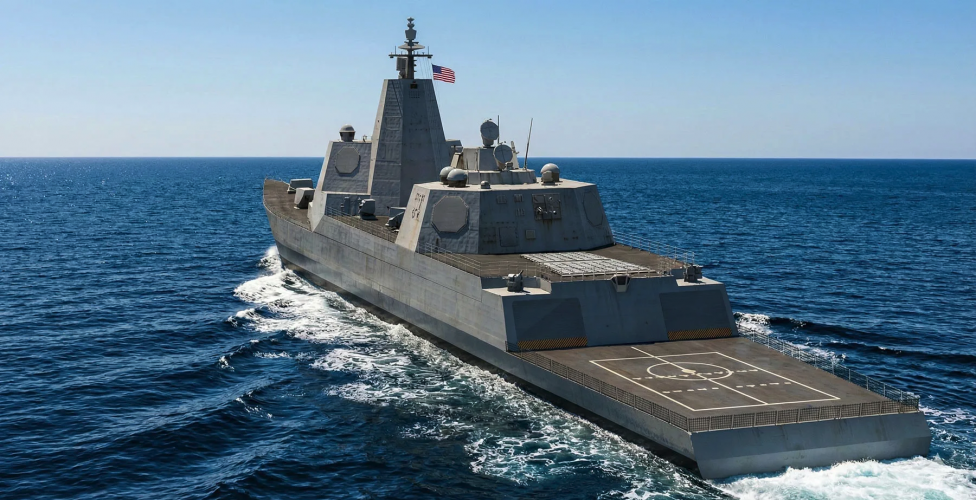
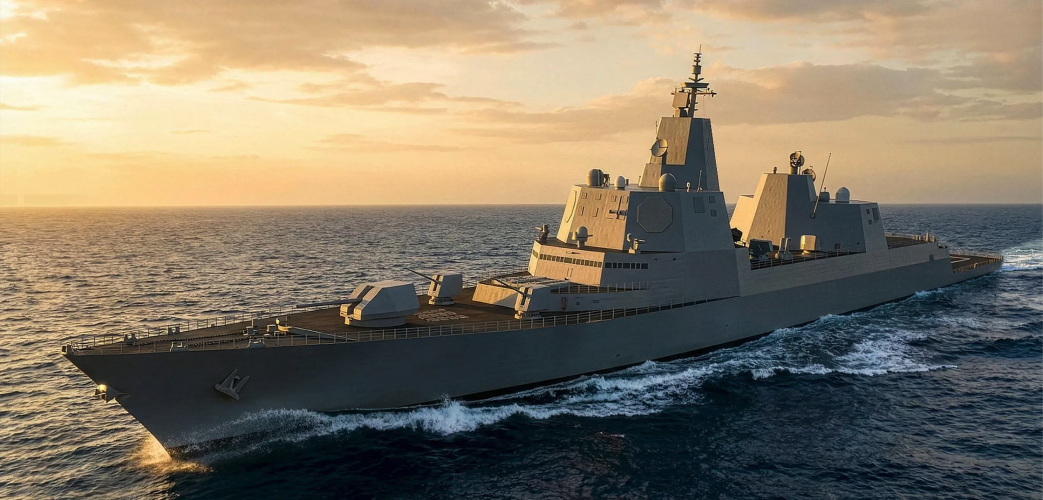
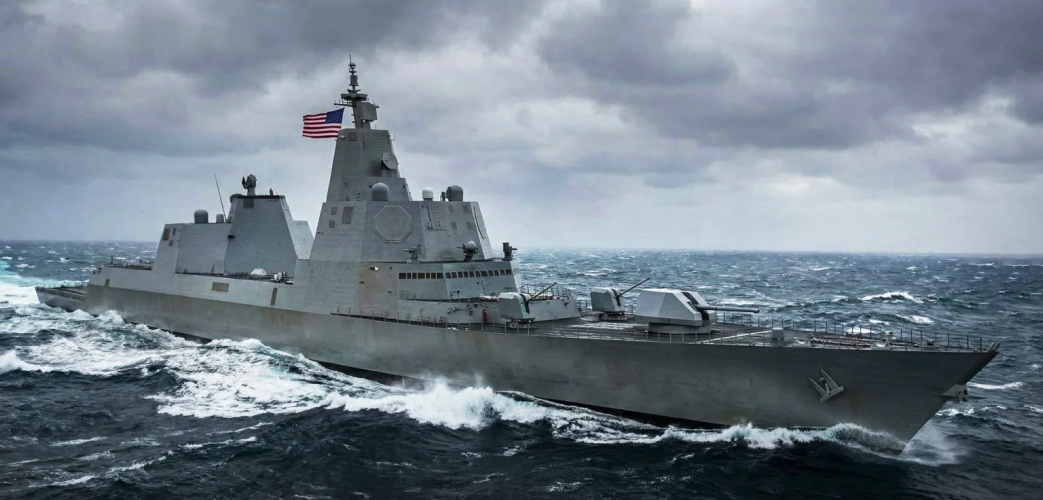
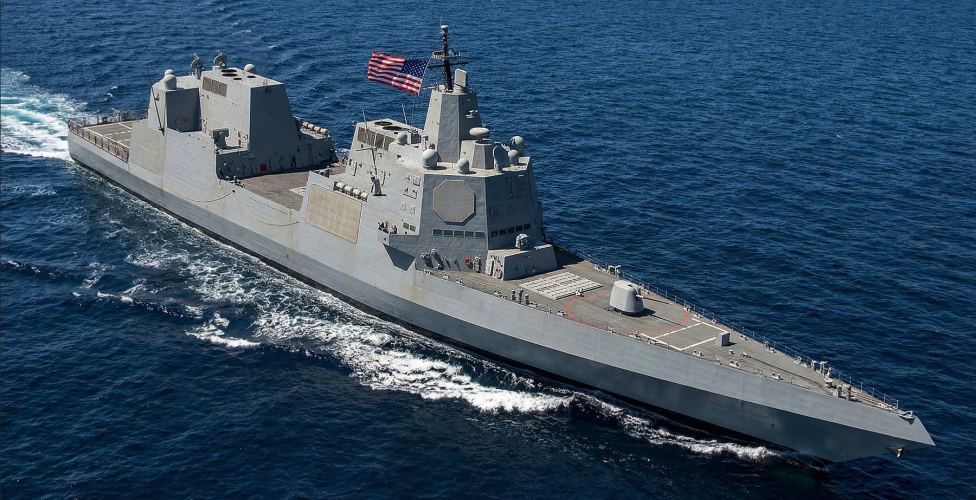
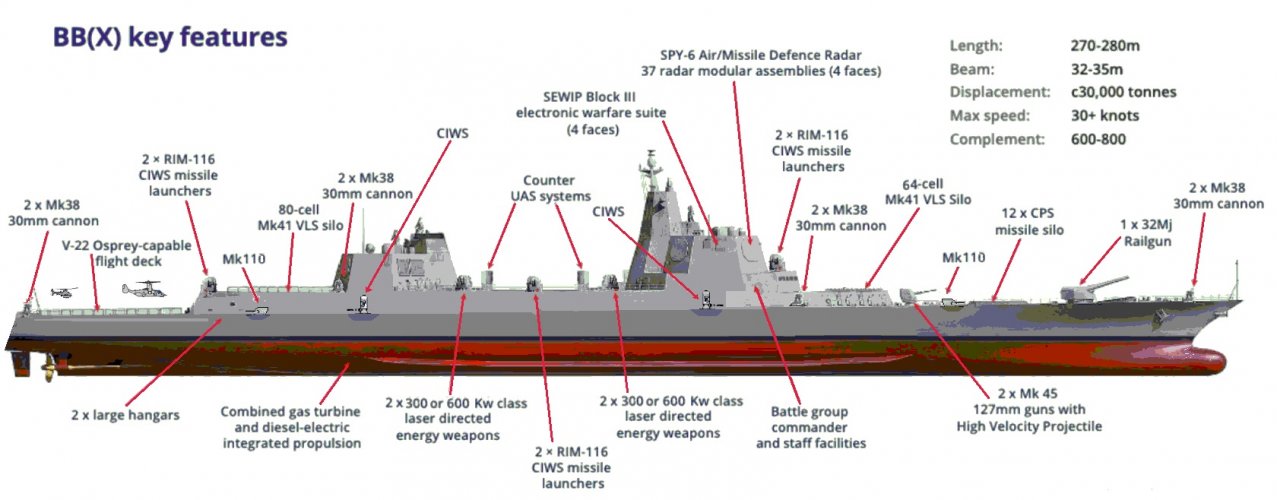
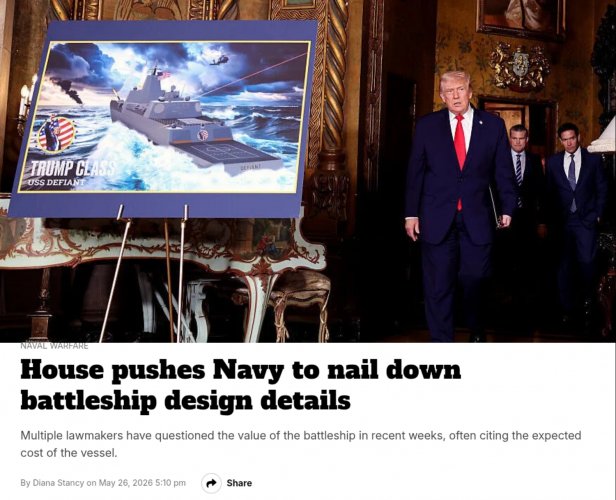
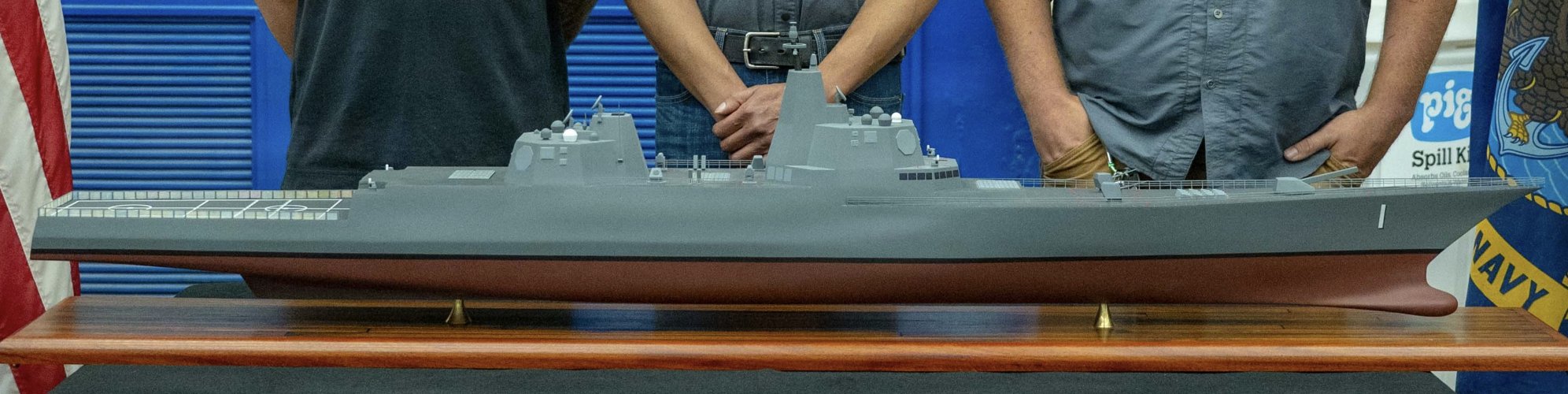
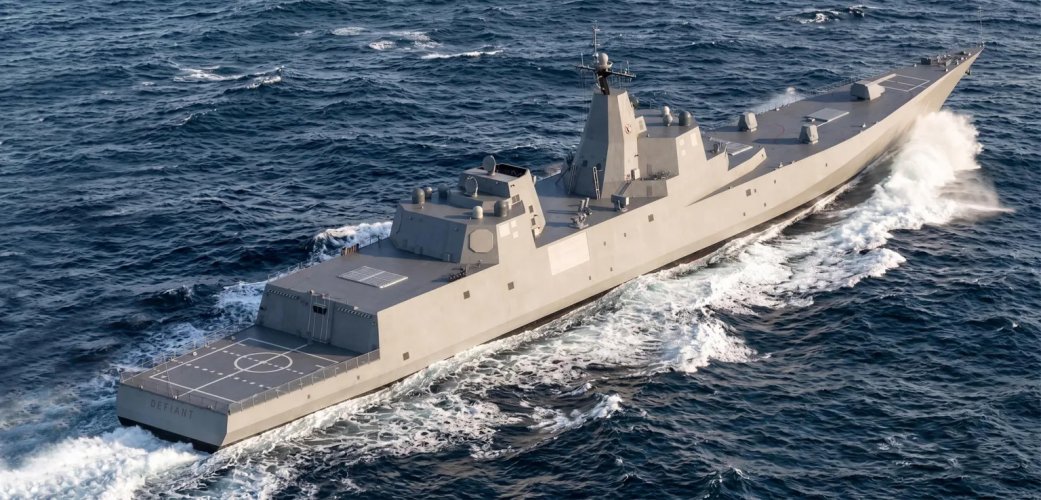
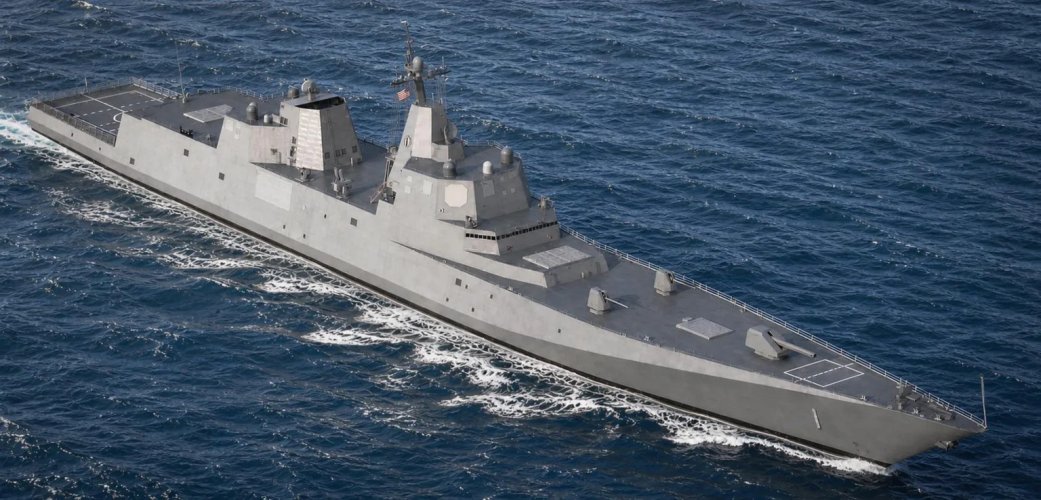
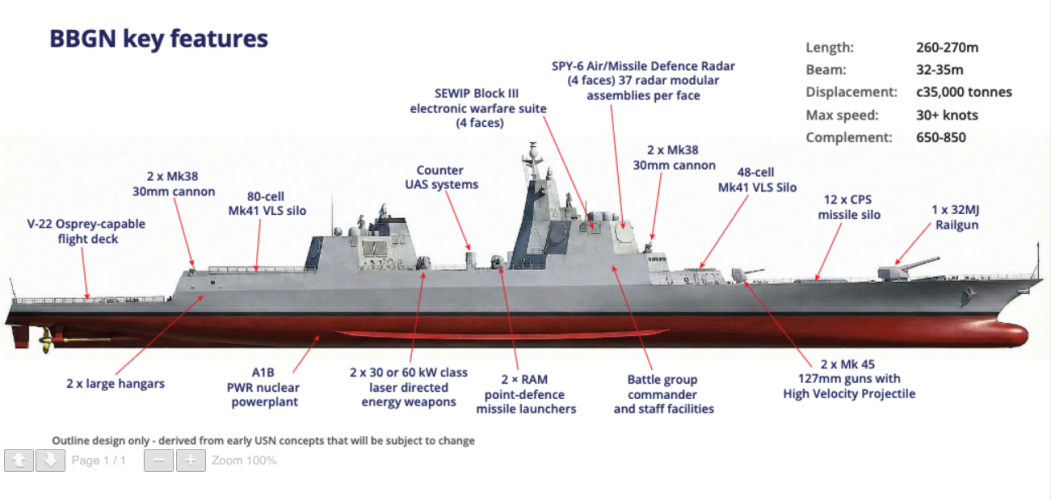
This article, published in an official paper of the Peoples Liberation Army (PLA) does note that the ship could have the advantages that “large vessels can continue to execute certain combat missions even when communications are jammed, and their hulls offer superior damage resistance compared to small or medium-sized ships.” It notes that smaller, distributed platforms could overly “rely on stable data links.” In addition, it’s worth observing that this rendering does note that the planned U.S. battleship would have nuclear propulsion, and would possibly also carry nuclear-armed missiles.
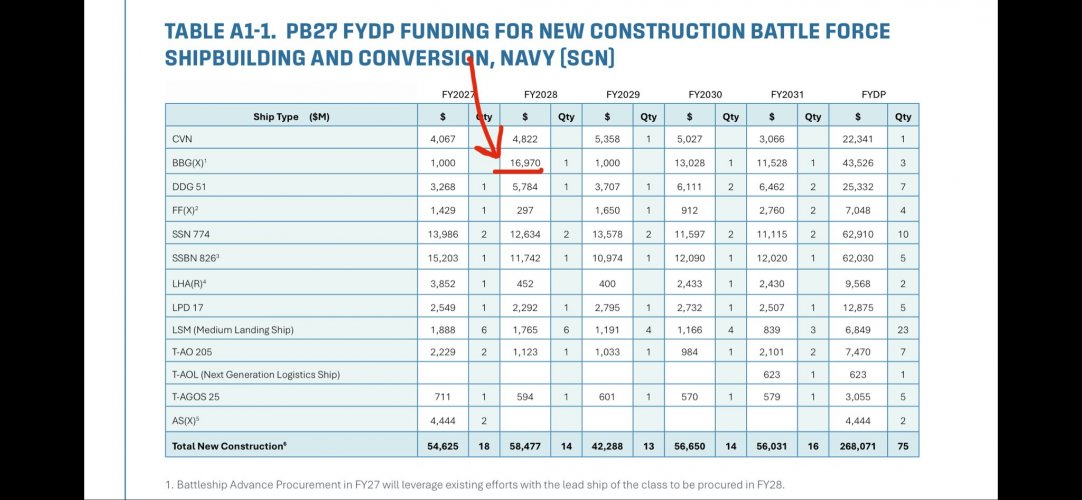
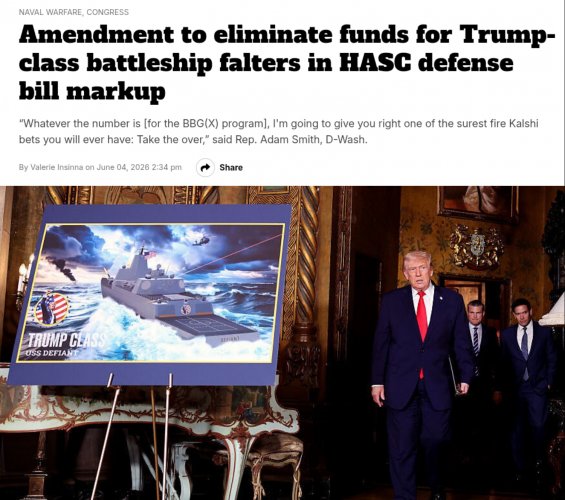
For 15 Trump-class battleships built between 2028 and 2056, the costs would amount to $275 billion, with the lead class carrying the price tag of $23.4 billion. The report says that cost is 55% higher due to the change from conventional to nuclear propulsion and terms this price as “exorbitant.” Illustrating some familiarity with nuclear power issues, the analysis adds that “nuclear waste disposal and vessel dismantling following retirement are not included” in the $275 billion estimate.
“Unfinalized designs and insufficient technological maturity” are also flagged as potential major problem that may cause delays and cost overruns. Potentially carrying rail guns, hypersonic weapons, as well as lasers, this critique seems quite valid. As the PLA assessment states: “This ‘build the platform first, install equipment later’ approach could increase the risks.” The piece cites the examples of the both the Zumwalt-class destroyer and the Littoral Combat Ship (LCS) as relevant examples of recent problematic programs.
The article observes: “This design differs from the Distributed Maritime Operations concept that the U.S. Navy has been advancing in recent years. The theory of distributed maritime operations emphasizes the dispersal of detection, command, and strike capabilities across multiple nodes … to mitigate the impact that damage to a few large vessels would have on the entire formation.”
In a closely related point, the PLA article also broaches the question of whether large surface combatants are simply too vulnerable to quiet submarines, hypersonic missiles, and “drone swarms.”
Apparently quite aware of major difficulties in U.S. shipbuilding, the Chinese military assessment adds that leading American shipyards “are currently facing average delays of five years, with the delivery cycle for a single ship extending from approximately five years in the early 2000’s to about eleven years today.”
Noting that the new battleship program could have cascading results for other high priority U.S. Navy programs, the article concludes: “Assembly of nuclear-powered battleships … could further slow the construction of aircraft carriers and submarines.” These Chinese strategists are no doubt aware such a delay would further impact the Asia-Pacific naval balance.