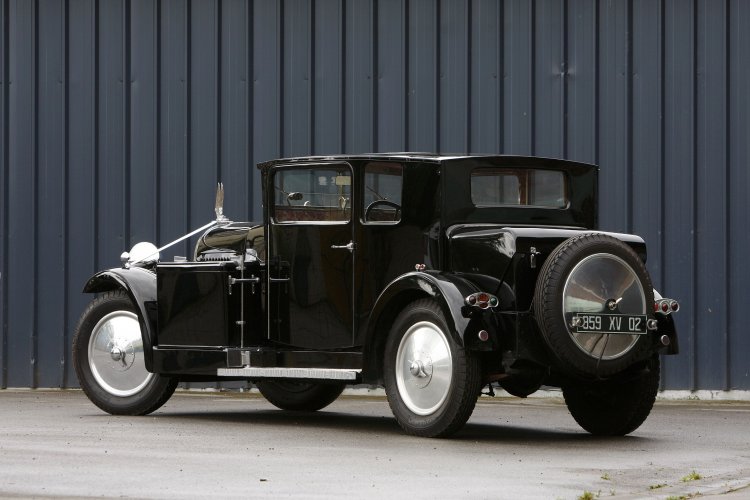
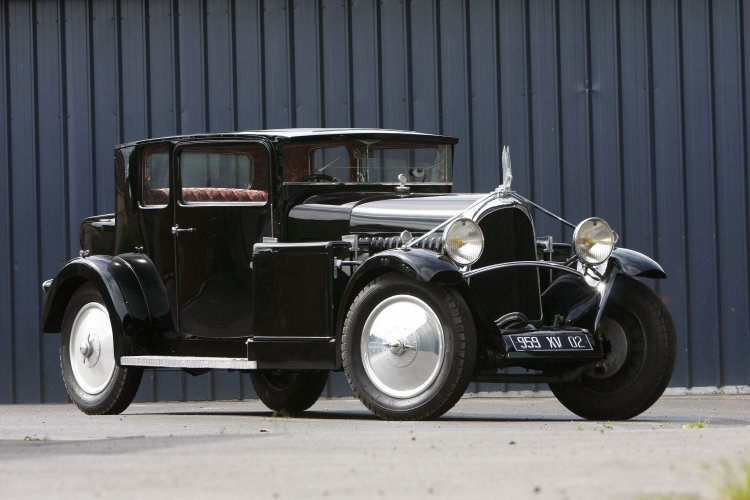
When the first automobiles appeared in Germany, villagers and townsfolk thought they were witchcraft: these Teufelswagen, or “devil’s carriages”, had been sent to steal their horses. What might they think of machines that drive themselves?
In fact, we hardly bat an eyelid now. Waymo, Google’s driverless taxi division, has been testing its first driverless service outside the United States in London for a few weeks now. Around 100 vehicles are on the roads for what it calls “validation driving”.
Notwithstanding the odd glitch, or bleat of misinformation from the Green Party, Waymo trials have made a promising start.
But as you may have noticed, driverless cars don’t generate anything like as much excitement as they once did. Not too long ago, autonomous vehicles were the cornerstone of the “fourth industrial revolution” and of a new era where “we would own nothing and be happy”, as the World Economic Forum put it.