

You are using an out of date browser. It may not display this or other websites correctly.
You should upgrade or use an alternative browser.
You should upgrade or use an alternative browser.
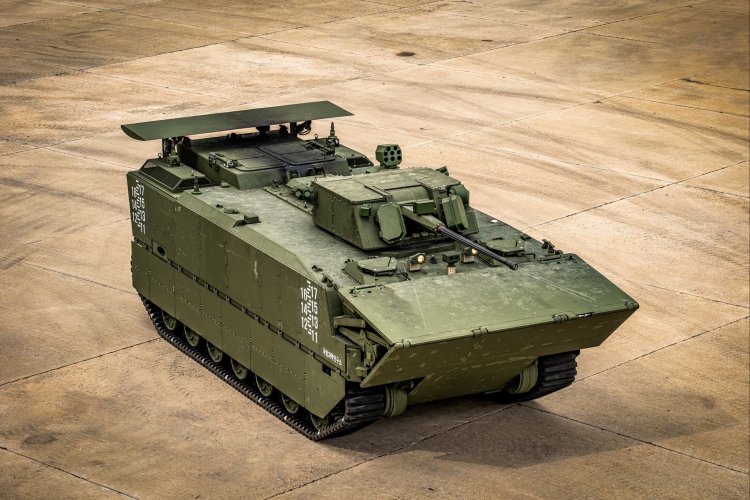
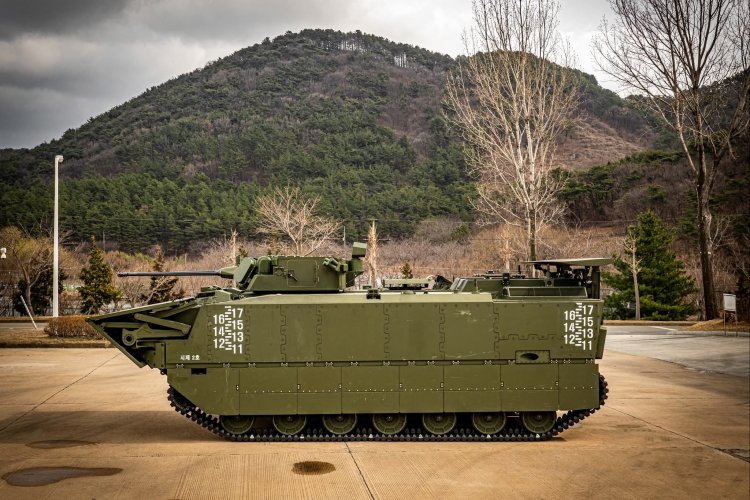
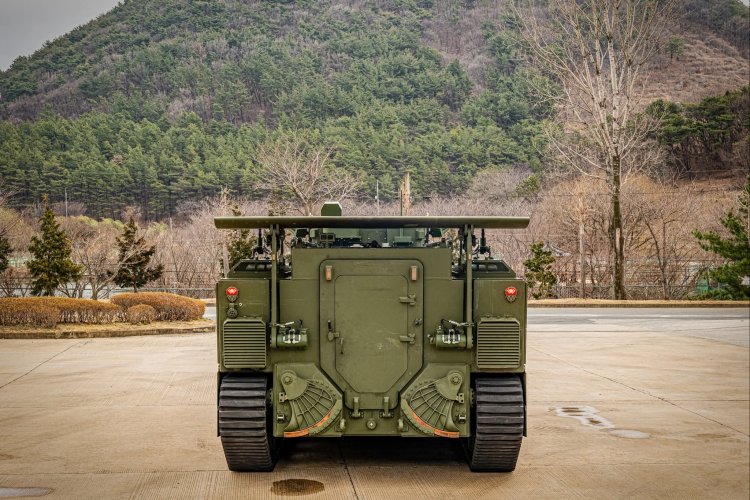
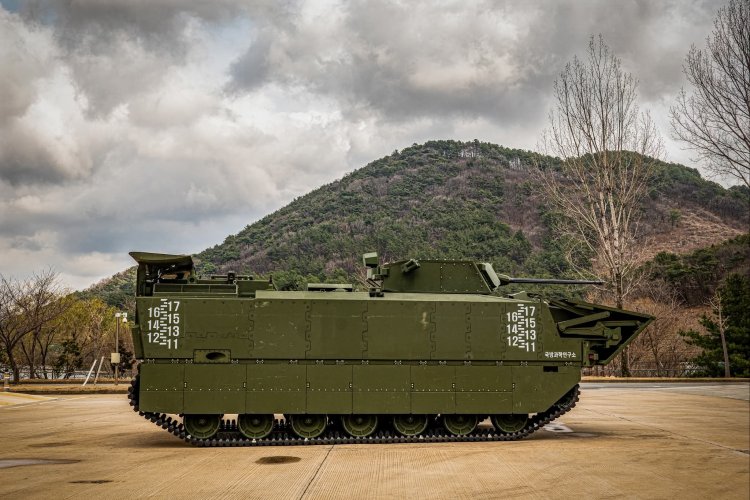
KAAV-II (Korean Amphibious Assault Vehicle)
- Thread starter GTX
- Start date
Scott Kenny
ACCESS: USAP
- Joined
- 15 May 2023
- Messages
- 19,685
- Reaction score
- 28,169
Looks like the ROKMarines are building EFVs, but with the CTA40mm gun like the Ajax?
jsport
what do you know about surfing Major? you're from-
- Joined
- 27 July 2011
- Messages
- 8,635
- Reaction score
- 6,932
Not withstanding the tragedy it is time for a collaborative Japan/South Korean/US vehicle development as a basis for allied pacific cooperation/integration.
Scott Kenny
ACCESS: USAP
- Joined
- 15 May 2023
- Messages
- 19,685
- Reaction score
- 28,169
Maybe?Not withstanding the tragedy it is time for a collaborative Japan/South Korean/US vehicle development as a basis for allied pacific cooperation/integration.
The JMSDF/Marines have a slightly different need for their vehicles, more assumed under "Disaster Response" and "recovery of a captured island" than the US equivalent.
And don't forget just how much really bad blood there still is left over from WW2.
jsport
what do you know about surfing Major? you're from-
- Joined
- 27 July 2011
- Messages
- 8,635
- Reaction score
- 6,932
bad blood is slowly overcome and this would be a good venue.
https://www.janes.com/defence-news/...uilds-amphibious-assault-vehicle-demonstrator
https://navyrecognition.com/index.p...us-vehicle-mast-asia-2017-japan-11206171.html
over coming corral reefs is a thing and the US has looked at
View: https://youtu.be/tT0AbGz3F3g
https://www.janes.com/defence-news/...uilds-amphibious-assault-vehicle-demonstrator
https://navyrecognition.com/index.p...us-vehicle-mast-asia-2017-japan-11206171.html
over coming corral reefs is a thing and the US has looked at
Last edited:
Scott Kenny
ACCESS: USAP
- Joined
- 15 May 2023
- Messages
- 19,685
- Reaction score
- 28,169
The blood between South Korea and Japan is still so bad that the last time a JMSDF ship was invited to dock at a Korean port, the Korean government demanded that the JMSDF ship not fly the Rising Sun.bad blood is slowly overcome and this would be a good venue.
You can't do that, that's a severe violation of the Laws of the Sea, because the Rising Sun is the Japanese naval ensign, the symbol of a warship under international law. A Warship not flying the owning country's naval ensign is the definition of a war crime.
The JMSDF said as much and didn't have their ship dock at a Korean port for that RIMPAC.
Hrm. EFV but without a cannon turret.https://www.janes.com/defence-news/...uilds-amphibious-assault-vehicle-demonstrator
https://navyrecognition.com/index.p...us-vehicle-mast-asia-2017-japan-11206171.html
over coming corral reefs is a thing and the US has looked at
View: https://youtu.be/tT0AbGz3F3g
Goes back to the disaster response primary mission of the JMSDF.
jsport
what do you know about surfing Major? you're from-
- Joined
- 27 July 2011
- Messages
- 8,635
- Reaction score
- 6,932
the recent camp david mtg hosted by the Admin between SK & Japan is to have jumpstarted increase cooperation and vehicle dev is great start.
The base veh whether civilian or military dosnt matter.
The base veh whether civilian or military dosnt matter.
Scott Kenny
ACCESS: USAP
- Joined
- 15 May 2023
- Messages
- 19,685
- Reaction score
- 28,169
China, too.I find it so fascinating years after the usmc canceled the EFV both korea and japan are developing extremely similar vehicles, general dynamics must be so disappointed.
Thing is, the EFV types don't get the big gray target/LHA/LPD out of reach of coastal AShM range. They don't really even reduce the vulnerability of the attacking force to ATGMs, as AAV7s are very low profile in the water and planing hulls are about as high profile as you can get.
Funnily enough if anyone was actually serious about naval landings then something like the ussr ampibius landing sub is probably the only way to get close to shore safety.China, too.
Thing is, the EFV types don't get the big gray target/LHA/LPD out of reach of coastal AShM range. They don't really even reduce the vulnerability of the attacking force to ATGMs, as AAV7s are very low profile in the water and planing hulls are about as high profile as you can get.

Forest Green
ACCESS: USAP
- Joined
- 11 June 2019
- Messages
- 14,600
- Reaction score
- 31,717
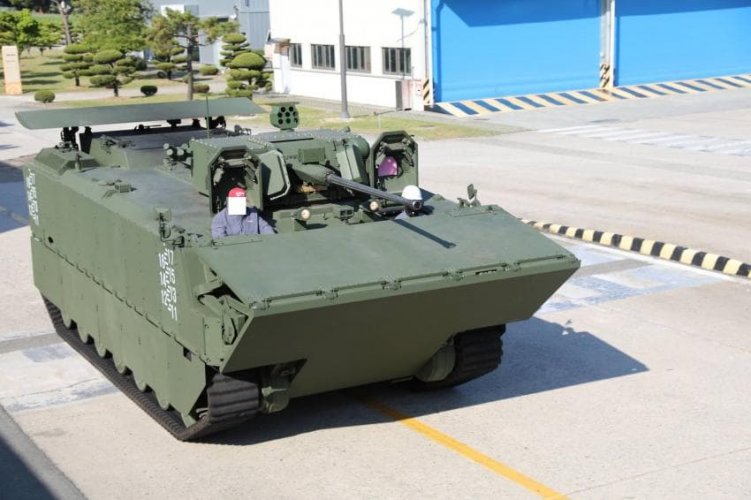
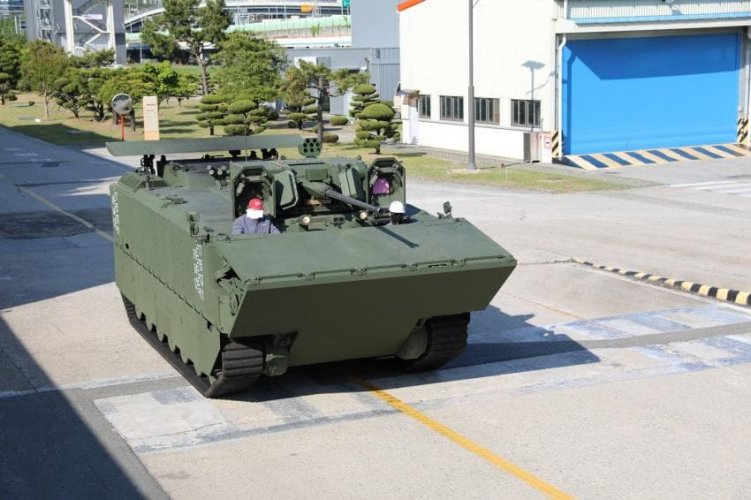
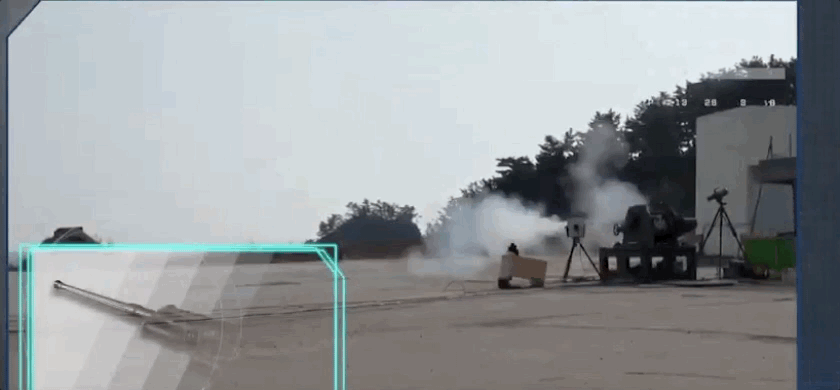
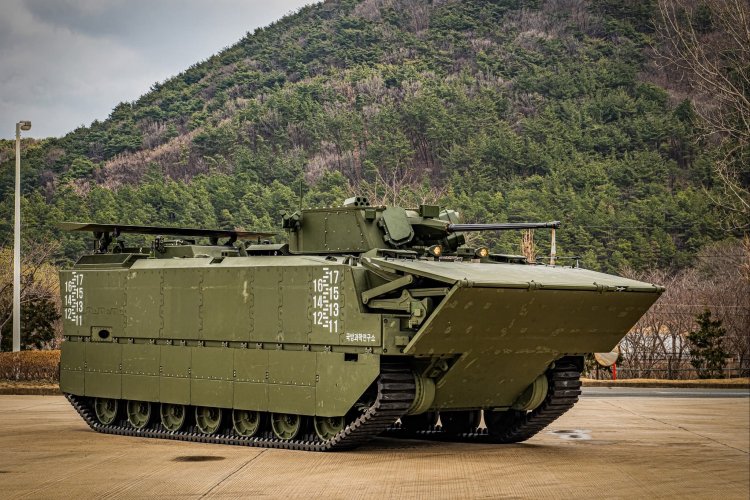
I believe the biggest difference between the KAAV and the AAV being developed in Japan is their ability to traverse coral reefs.
Japan's aim is to land on subtropical islands, while the South Korean Marine Corps aims to recreate "Inchon landings" in enemy-invaded areas. The South Korean military is likely seeking high speed and wave resistance.
On the other hand, while this will affect the overall design, aren't the underlying technologies the same?
Japan's aim is to land on subtropical islands, while the South Korean Marine Corps aims to recreate "Inchon landings" in enemy-invaded areas. The South Korean military is likely seeking high speed and wave resistance.
On the other hand, while this will affect the overall design, aren't the underlying technologies the same?
Attachments
Ainen
I really should change my personal text
- Joined
- 25 August 2011
- Messages
- 2,876
- Reaction score
- 4,984
For now they write only 20kmh on water, which is honestly not that fastJapan's aim is to land on subtropical islands, while the South Korean Marine Corps aims to recreate "Inchon landings" in enemy-invaded areas. The South Korean military is likely seeking high speed and wave resistance.
There are a few big differences being speed, troop capacity, and weight (partially influenced by the coral reef transversing)I believe the biggest difference between the KAAV and the AAV being developed in Japan is their ability to traverse coral reefs.
The Mitsubishi AAV has a planned speed of 37kmh, 10 dismounts, with a weight of >40t 3000hp.
KAAV-II has a planned speed of 20kmh, 20 dismounts, with a weight of 35t and 2700hp.
The KAAV-II seems to be a more of a direct replacement and upgrade of the KAAV-I with a similar doctrine for landings.
The Mitsubishi model doctrine on the other hand is more complex with a cheaper unmanned model going in to break up defenses. The manned model going in with a strike force of 1st Amphib Regiment squads or the ARDB Recon squads to establish a beachhead. Then finally older AAVs will deliver the bulk of the fighting force with the threats gone.
Similar threads
-

-
-
 Textron Starts Work on Ship-to-Shore Connector (SSC) hovercraft
- Started by Triton
- Replies: 16
-
-
