the Internet is full of PURE BULLSHIT about Nazi A-bomb
let see some of littel facts who are real.
The Real Facts:
The Nazi had next to Heisenberg "Uranprojekt" also Several A-bomb Project
(several German TV Doku co worker of Heisenberg like Friedrich von Weizsäcker und Karl Wirtz
say "yes we [III Reich] workt on Atomic Bomb")
the Heereswaffenamt had one H-bomb Program.
one "Uranverein" under Command of Herman Göring Reichsluftfahrtministerium
most of them are from SS under command of Dr Hans Kammler
(He in charge of the V-2 missile, the Mittelwerk facility, Messerschmitt Me 262 programme.)
but he was also „Sonderbeauftragter des Führers für Strahlenwaffen“
"Envoy of the Fuhrers for Energy Weapons"
According to a statement by Werner Grothmann, the Chefadjutanten Heinrich Himmler,
had Kammlers since 1943 a Coordinating Buro for the SS's nuclear program.
In 1943 Burkhard Heim met Heisenberg and told him of his plan to use chemical implosion to facilitate an atomic explosion.
This design was based on his idea he developed for a 'clean' hydrogen bomb when Heim was 18.
Heisenberg was impressed by Heim's knowledge, but thought the approach would be impractical.
After 1944 July 22 all Nucklear programs came in hands of SS and Obergruppenführer Kammler
In autumn 1944 talks were held between the Leiter der Einsatzleitung Heeresartillerieabteilung 709,
Lieutenant Colonel Tröller, and SS-Obergruppenführer Kammler on the use of rocket-»Rheinbote«
for a nuclear payload. !
in 1945 March 4 happens a very big exposion on Military training ground in Ohrdruf (Thuringia)
a lot People were witnesses to the explosion outside the Military training ground
an say it was the bigges they sah on that trainig ground ever.
At the Nuremberg Trials in 1946 Nazi munitions minister Albert Speer was questioned by prosecutors about the Ohrdruf blast.
in 1952, Erich Schumann, Hans Winkhaus, and Walter Trinks, three war-time members of the Heereswaffenamt, tried to get patents for the shaped charge thermonuclear fusion bomb that the Heereswaffenamt had been researching on during the war !
those info are not Confirmed, but Fits with first recording.
Not Confirmed data
On 1944 October 12 was on the peninsula Rügener a gigantic explosion.
observes by SS and diplomats from Italy, Japan (inside a Bunker)
the SS explane to diplomats, this one of the new "Wunderwaffen"
so Luigi Romersa a Italian Reporter after some interview with Italy Diplomats
after Rainer Karlsch was on the peninsula Rügener the SS test with success a A-bomb
in 1945 March 4 SS-Obergruppenführer Kammler is one of the observers at a small nuclear test
on Military training ground in Ohrdruf (Thuringia).
On the following day (March 5), he gave Heinrich Himmler in Hohenlychen personaly report about it.
Source
in 2005 the book "HITLERS BOMBE" by Rainer Karlsch is publish
ISBN 3-421-05809-1 (sorry only in german Language, but good source)
It hit the German Historian like A-bomb ;D
http://en.wikipedia.org/wiki/Hitlers_Bombe
http://en.wikipedia.org/wiki/German_nuclear_energy_project
my Analyses:
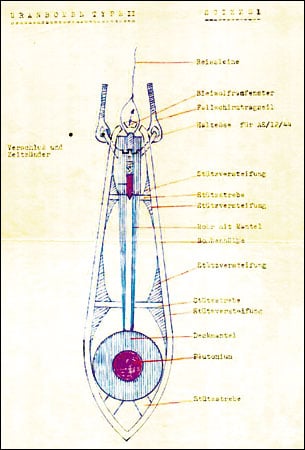
the German have bulid radiological weapon (a dirty bomb) not a A-bomb or H-bomb
see Kammler demands for rocket-»Rheinbote« for a nuclear payload.
This Missile ist to smal for carring a Nuke, but can bring deadly radiactive dust to enermy.
wat about the SS test on the peninsula Rügener and in Ohrdruf ?
wen Rügene Test were real
I think that in Rügene the SS fool the Diplomats with Propoganda
that was no A-Bomb but big Pile of Explosive.
however the Ohrdruf explosion not fit in that Propoganda "stunt"
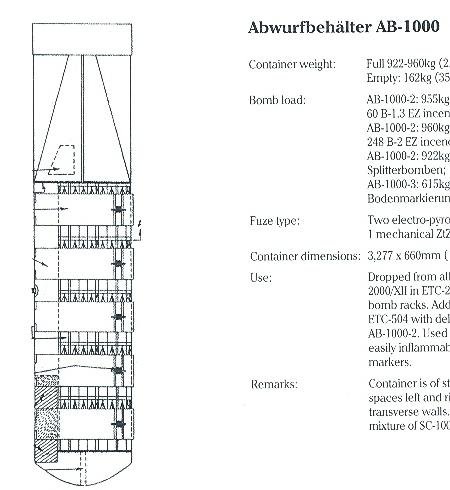
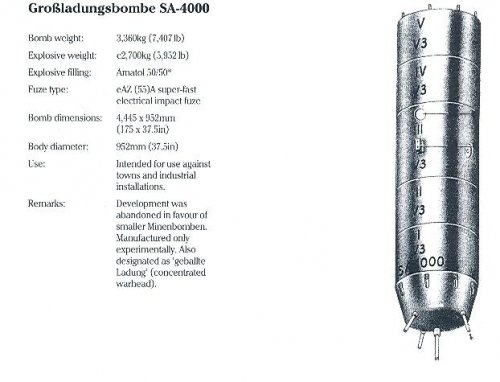
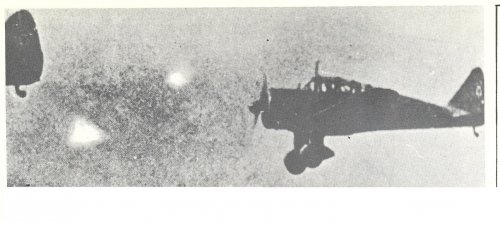
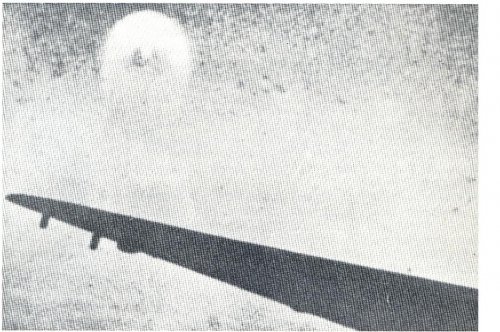
ca be that SS testet another wapon a Thermobaric weapon ? (aka vacuum bombs or fuel-air munitions)






![Mvc-026f[1].jpg](/data/attachments/13/13254-0535e68856ba5f8f9b6fdcfac5e88cec.jpg)


